
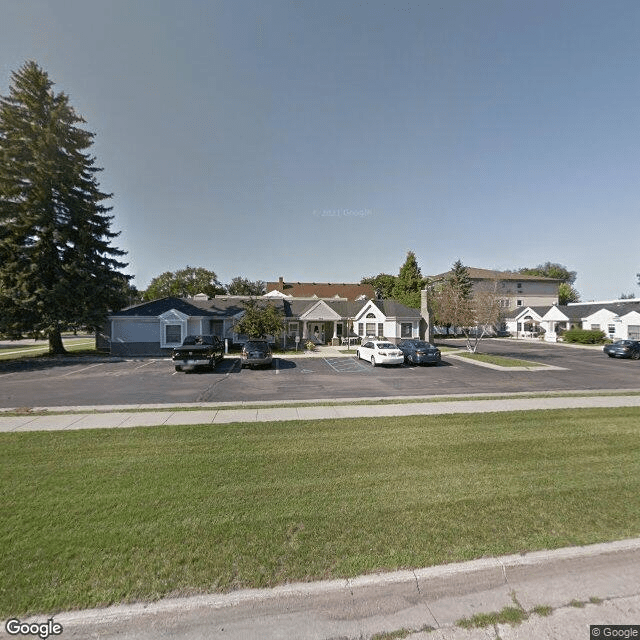
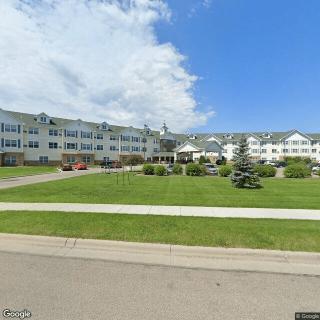
502 3Rd Avenue South, Moorhead, MN 56560
To contact a resident: (218) 233-1535
For more information about senior living options: (866) 208-4318
The Evergreens Of Moorhead Costs & Pricing
The Evergreens of Moorhead offers competitive pricing for its studio accommodations, with a monthly cost of $2,148. This rate is significantly lower compared to the average costs in Clay County, which stands at $2,859, and even more so when juxtaposed with the broader state average of $3,617 in Minnesota. Such pricing positions The Evergreens as an attractive option for residents seeking quality living without compromising on affordability. Their competitive rates not only reflect a commitment to accessible senior living but also suggest an emphasis on providing a supportive community environment that meets the diverse needs of its residents.
| Floor plans | The Evergreens Of Moorhead | Clay County | Minnesota |
|---|---|---|---|
| Studio | $2,148 | $2,859 | $3,617 |
Memory care communities with a similar price nearby
-
from +$427 / mo
Edgewood Fargo
$2,575 to $2,900 / month5.4 miles away -
from -$74 / mo

New Perspective Senior Living West Fargo
$2,074 to $3,832 / month6.2 miles away -
from +$352 / mo
Arbor Park Senior Living Center
$2,500 / month1.9 miles away -
from -$88 / mo
Eventide Sheyenne Crossings Senior Living Apartments
$2,060 to $3,412 / month6.2 miles away -
About the same

The Linden Senior Living Apartments
$2,084 to $2,743 / month0.9 miles away
Overall Review of The Evergreens Of Moorhead
Pros
 The reviewer is very happy with the care their sister is receiving there.
- Staff are receptive to questions, helpful, and respectful to residents.
- Many staff go above and beyond in showing caring and kindness.
- Ecumen welcomed residents with open arms after restrictions were lifted.
- The facility offers rooms with private bathrooms and large windows, including nicely sized rooms for residents to enjoy views.
- The staff generally care about the residents.
- The facility accepts Minnesota assistance.
Cons
 The family staying there experienced the worst two months of their lives.
- The mother's dementia was getting worse, and her sisters could no longer help.
Review
The Evergreens Of Moorhead is best suited for families that want a caregiving-focused environment where staff are approachable, responsive, and clearly attentive to both residents and visiting family members. It works well for seniors who need regular assistance with daily activities and for families who value easy, ongoing involvement through visits at various times of day. The community’s setup, private rooms with their own baths, bright common areas, and opportunities to observe residents in a welcoming, homey setting, creates a practical, no-nonsense option for those prioritizing real-time care and family accessibility. The dementia narrative attached to Ecumen within this footprint also signals a level of memory-care capability that families may rely on when memory challenges emerge.
Those considering alternatives should note a few caveats. If the goal is pristine luxury, a highly formalized memory-care unit, or an unshakable sense of uninterrupted, flawless operations, there are other options that may better meet those expectations. Similarly, for families whose tolerance hinges on a perfectly consistent day-to-day experience, without the risk of a rough stretch, it's prudent to compare staffing stability, leadership responsiveness, and care-planning transparency across potential communities. In short, this is a solid, practical choice for many, but not the singular best fit for every family, especially where consistency during tough periods is non-negotiable.
On the upside, the strongest positives center on people and day-to-day realities. Staff are described as receptive to questions, helpful, and respectful, with many going above and beyond in showing genuine care. That kind of temperament translates into real reassurance for families who visit often and want to feel confident about what they see in the hallways and common spaces. The ability to visit on varying days and times, combined with a culture of open communication, helps families stay engaged and comfortable with the ongoing care. The comfortable common areas and the presence of a reasonably sized, private room with its own bathroom and a view, such as birds at the window, matter when quality of life and dignity are central to the decision.
Yet one review cannot be ignored. A family’s experience described as “the worst two months of their lives” signals that there can be meaningful, if infrequent, staff or care lapses. This outlier points to the reality that no community is immune to tough periods, especially in settings that must juggle fluctuating need levels and staffing dynamics. Prospective families should probe directly into how the facility handles peak demand, what triggers care-plan updates, how leadership oversees day-to-day operations, and what concrete steps are taken when concerns arise. The absence of detail in the negative experience makes it essential to verify current practices through conversations with the administrator, current residents, and visiting family members.
Overall, The Evergreens Of Moorhead delivers a practical, family-accessible option with strong interpersonal care and comfortable living spaces. The pros, responsive, respectful staff; visible warmth from caregivers; and private rooms with private baths, often offset typical drawbacks by creating a trustworthy, low-friction experience for residents and their families. The notable caveat is that occasional periods of strain can occur; those moments should be the focus of due diligence rather than a reason to dismiss the community outright. For families prioritizing reliable, person-centered care with active family involvement, this community remains a strong, sound choice.
In deciding, prioritize three questions: How stable is the current staffing and leadership team, and what is the plan if a high-occupancy or high-acuity period occurs? What is the routine for care planning, family communication, and incident follow-through? How well does the memory-support approach align with a resident’s needs today and anticipated changes tomorrow? If these inquiries yield confident, transparent answers, The Evergreens Of Moorhead should be near the top of the short list. If the emphasis is on uninterrupted consistency and upscale amenities, consider corroborating options and compare what each offers in terms of care-continuity guarantees, staffing ratios, and care-planning visibility before deciding.
 30 resident community capacity
 Assisted Living
 Memory Care
 Activities off-site
 Bath tubs
 Beautician on-site
 Cable or satellite TV
 Devotional services off-site
 Dining room
 Fully furnished
 Garden
 Housekeeping services
 Indoor common areas
 Kitchenette
 Move-in coordination
 Outdoor common areas
 Respite or short term stays offered
 Telephone
 Wheelchair accessible showers
 Wi-Fi/high-speed internet available
 Hector International (4 miles away)
 24-hour call system
 Ambulatory care
 Assistance with bathing
 Assistance with dressing
 Assistance with transfers
 Diabetes diet
 Diabetic care
 Incontinence care
 Meal preparation and service
 Medication management
 Mental wellness program
 Special dietary restrictions
 Transportation arrangement (medical)
 Transportation to doctors appointments
 Christian services



 Why Do Dementia Patients Sleep So Much? Understanding Oversleeping, Stages, and Care Approaches
 8 Key Indicators That Suggest It May Be Time to Transition from Assisted Living to Skilled Nursing Care
 Nourishing the Mind: Essential Dietary Approaches for Dementia