Assisted living support includes help with daily activities and care coordination.
The community is set up for assisted living and includes help with bathing, dressing, and transfers. It also provides meal preparation and service, medication management, and assistance with diabetes diet and special dietary restrictions. Residents can also receive coordination with health care providers, along with transportation arrangement to medical appointments.
common
Daily help includes medication support
Care support includes a 24-hour call system and medication management.
The community lists a 24-hour call system and 24-hour supervision as part of its support. In addition, it offers medication management and assistance with activities of daily living, including bathing and dressing.
common
Dining focuses on dietary needs
Dining includes meal preparation with help for special diets.
Dining support is geared toward residents with dietary needs, including a diabetes diet and special dietary restrictions. The community also lists meal preparation and service as part of daily care.
common
Care services include transportation
Transportation support is included for medical appointments.
The community provides transportation arrangement (medical) and transportation to doctors appointments. It also lists coordination with health care providers, which pairs with that added support for getting to appointments.
common
Nearby errands and parks
Nearby options include pharmacies, parks, and medical offices within a few miles.
The surrounding area includes pharmacies and health-related locations close to the community. There are also nearby parks for time outside.
How we summarize
We summarize when many written reviews mention each theme; a review can touch several themes, and only frequently mentioned themes are displayed.
Features
Housing
21 resident community capacity
Types of Care
Assisted Living
Amenities
Beauty salon
Cable or satellite TV
Dining room
Fully furnished
Garden
Housekeeping services
Kitchenette
Move-in coordination
Outdoor space
Telephone
Wi-Fi/high-speed internet available
Transportation
Minneapolis-St Paul International (7 miles away)
Care Services
24-hour call system
24-hour supervision
Activities of daily living assistance
Assistance with bathing
Assistance with dressing
Assistance with transfers
Coordination with health care providers
Diabetes diet
Meal preparation and service
Medication management
Mental wellness program
Special dietary restrictions
Transportation arrangement (medical)
Transportation to doctors appointments
Dining
Diabetes diet
Special dietary restrictions
Activities
Community-sponsored activities
Resident-run activities
Scheduled daily activities
Nearby Places of Interest
Pharmacies
Walgreens (0.8 miles)
Geritom Medical (1.4 miles)
Minnesota Medical Solutions (2.3 miles)
CVS Pharmacy (2.9 miles)
Walgreens (3 miles)
Walgreens (3.1 miles)
Walgreens (4.1 miles)
Parks
Hyland Lake Park Reserve (1.6 miles)
Centennial Lakes Park (3.3 miles)
McGuire Park (4.3 miles)
Taft Park (6.5 miles)
Greenhaven Park (7 miles)
Physicians
Minnesota Eye Consultants (2.3 miles)
Fairview Clinics (2.6 miles)
Endocrinology Clinic of Minneapolis (3.2 miles)
Southdale Pediatrics (3.3 miles)
CCRM Fertility of Minneapolis (4.5 miles)
Twin Cities Orthopedics Edina - Crosstown (4.6 miles)
University of Minnesota Physicians Heart at Fairview Southdale Hospital (4.6 miles)
Restaurants
Chick-Fil-A (3.2 miles)
McDonald's (3.3 miles)
Wooden Hill Brewing (3.4 miles)
Pinstripes (3.5 miles)
Culver's (4.1 miles)
Denny's (4.3 miles)
Taco Bell (4.3 miles)
Cafes
Starbucks (3.3 miles)
Panera Bread (3.8 miles)
Caribou Coffee (4.4 miles)
Caribou Coffee (5.3 miles)
Starbucks (5.5 miles)
Caribou Coffee (5.5 miles)
Panera Bread (5.8 miles)
Hospitals
Abbott Northwestern Center For Outpatient Care (3.9 miles)
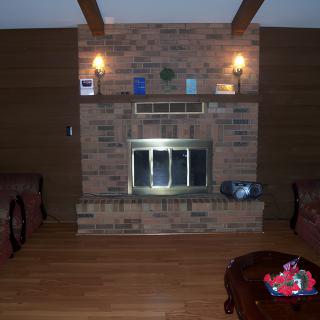
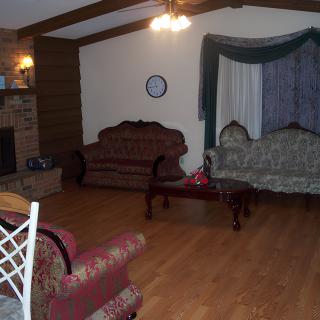
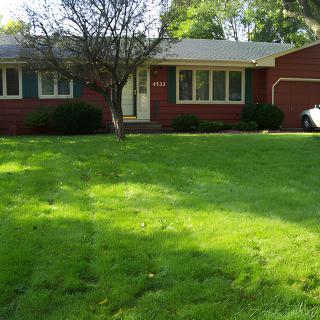
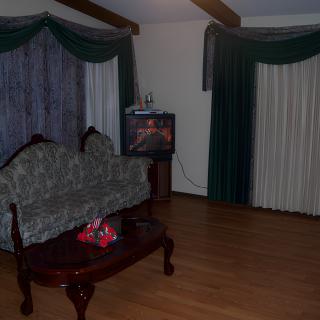
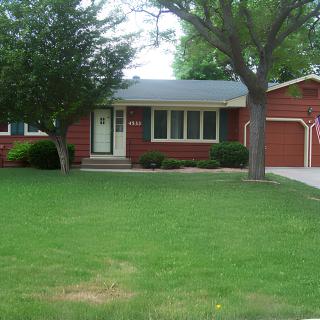
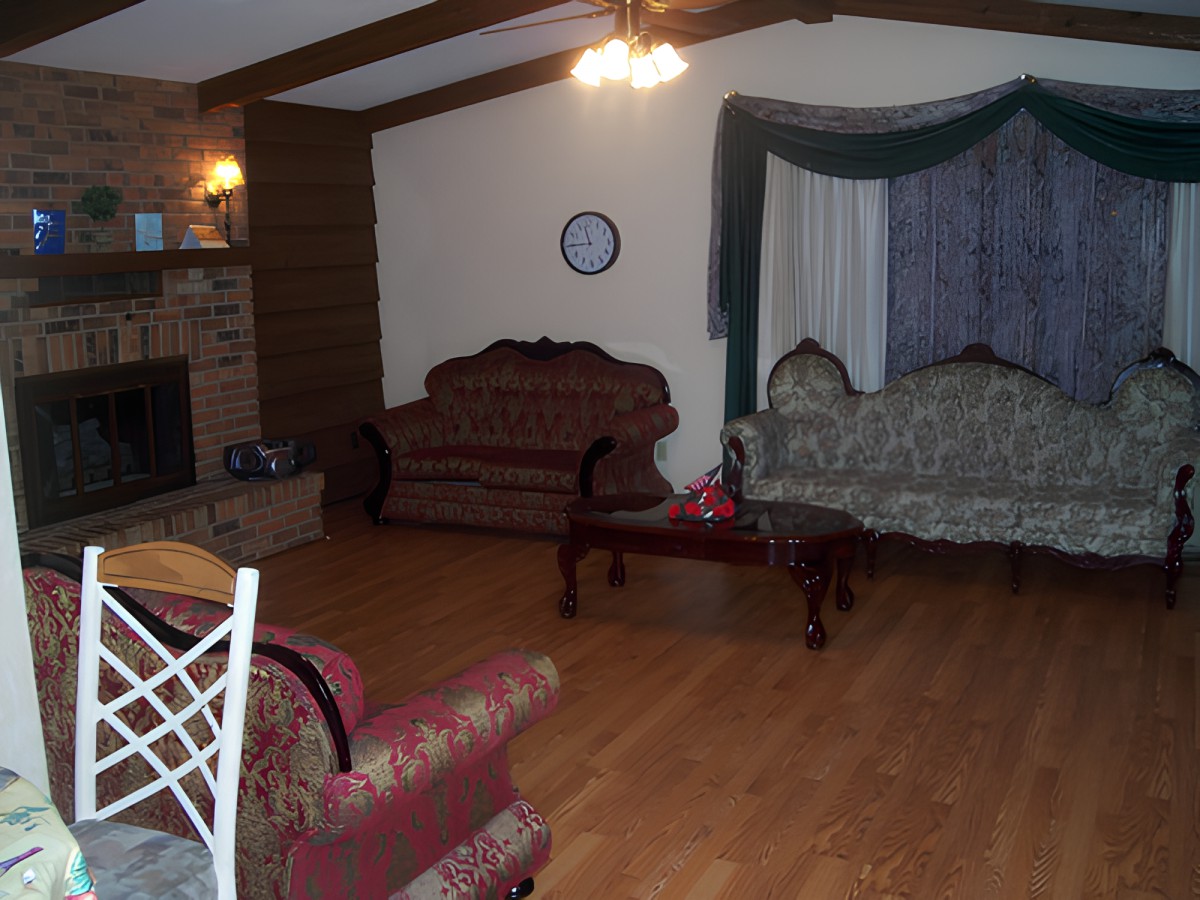
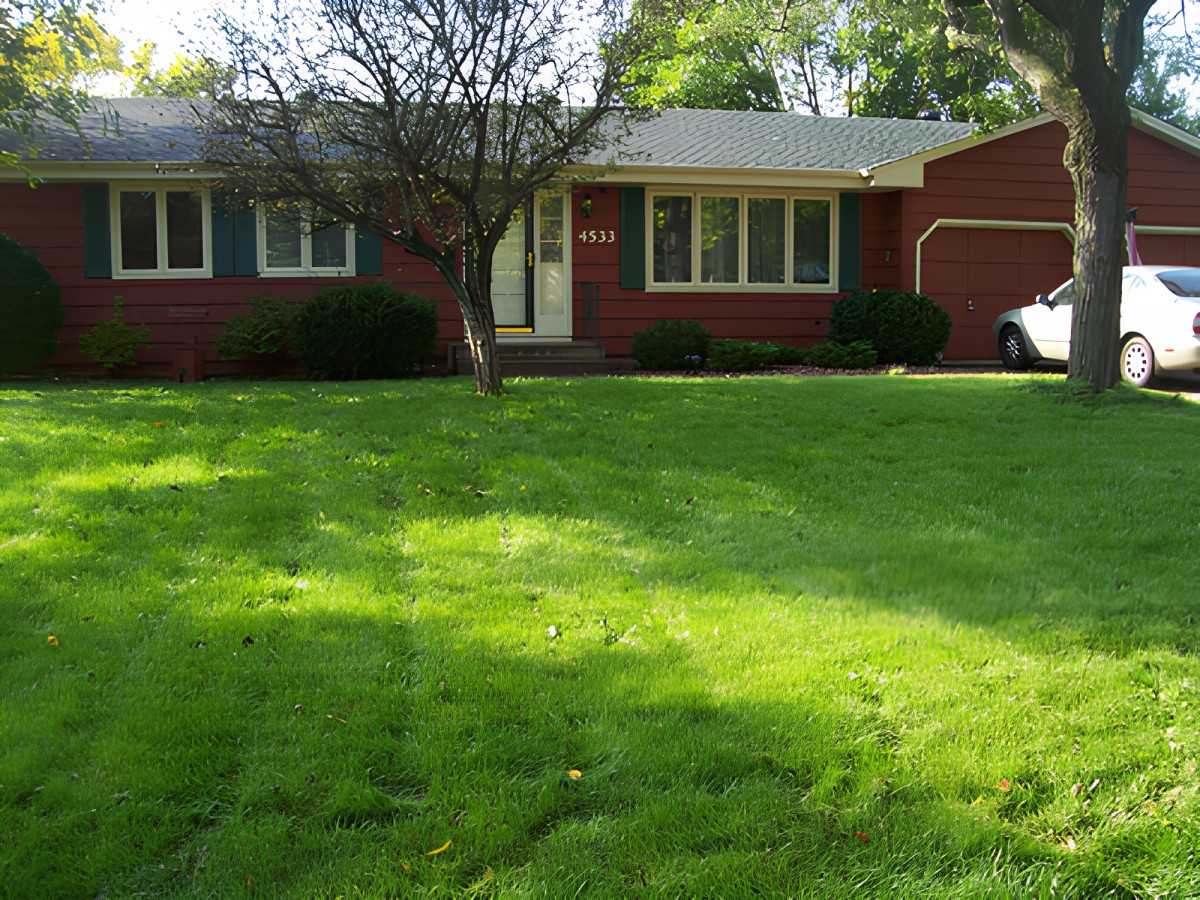
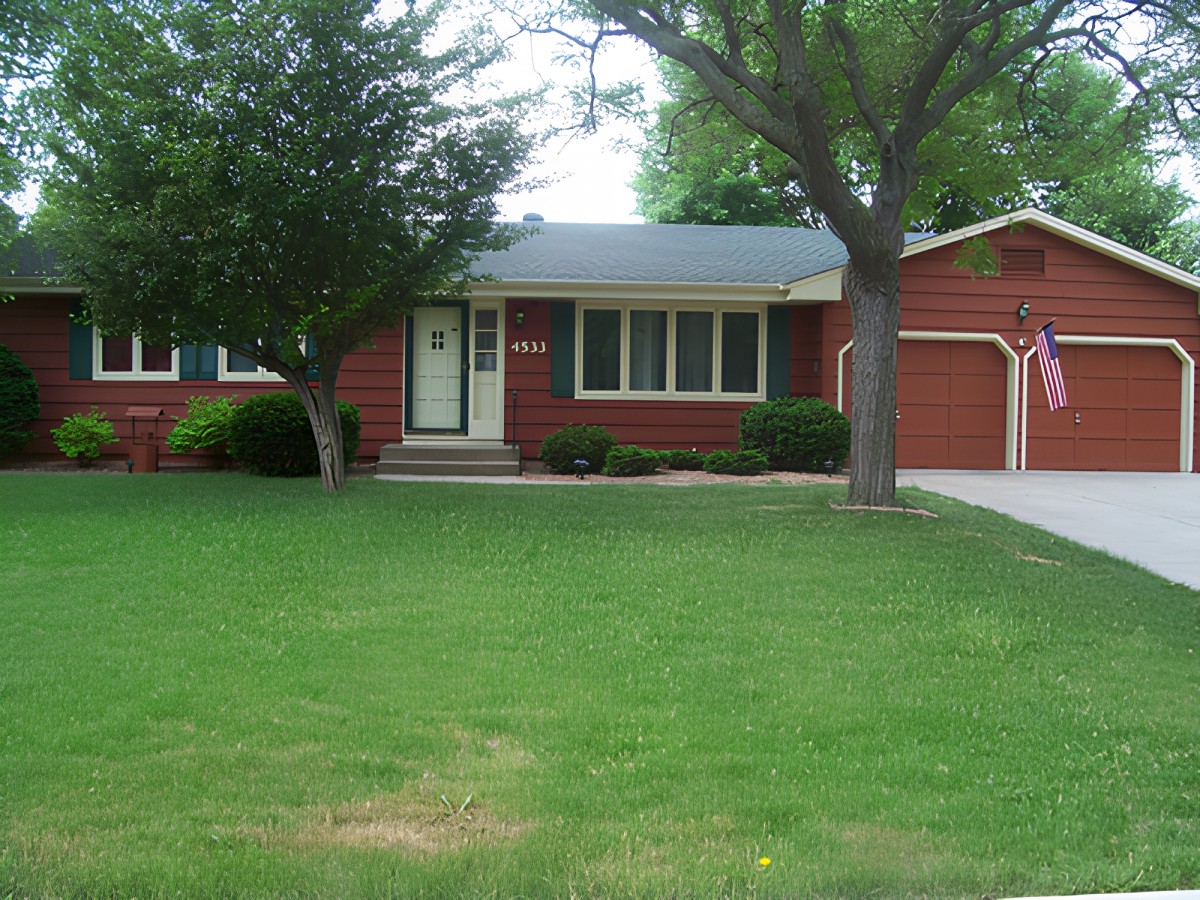
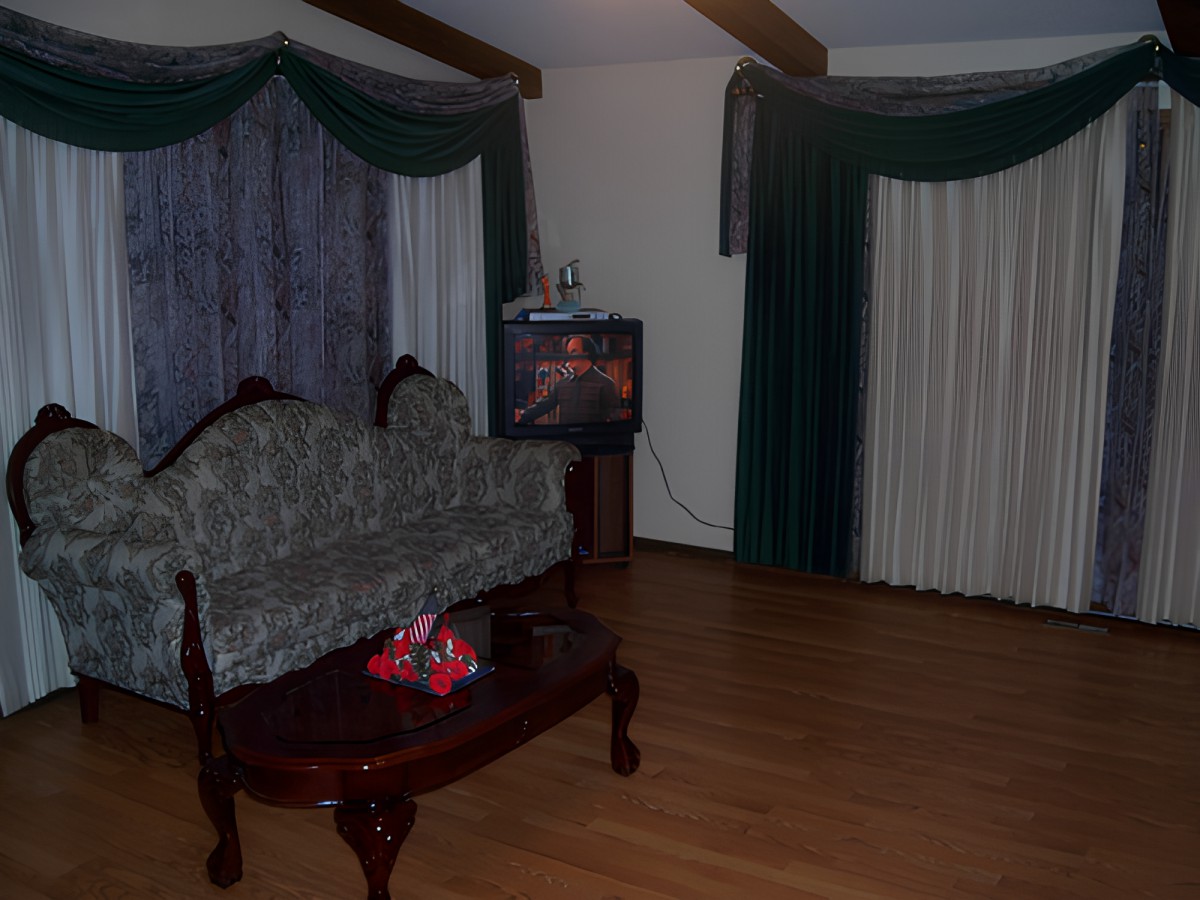
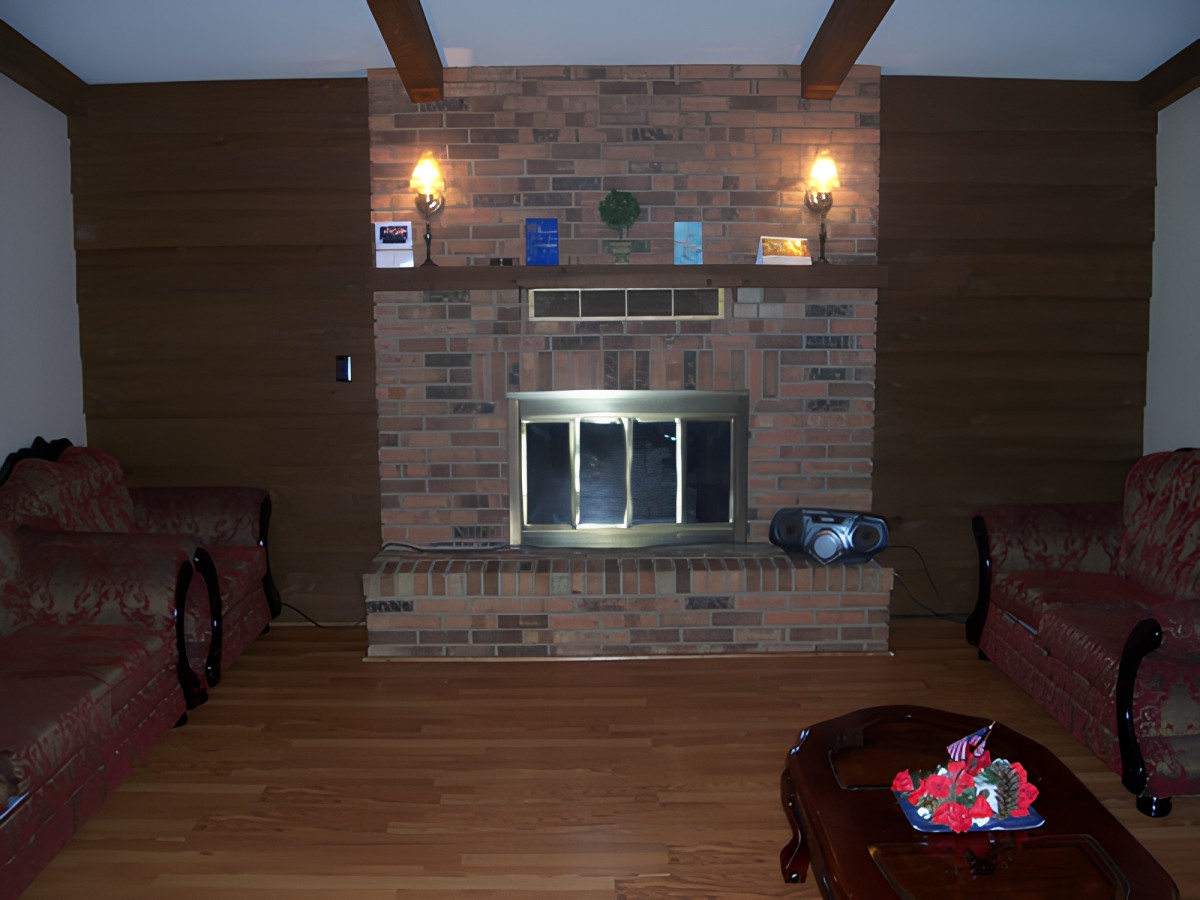
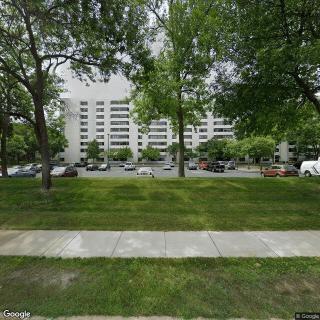
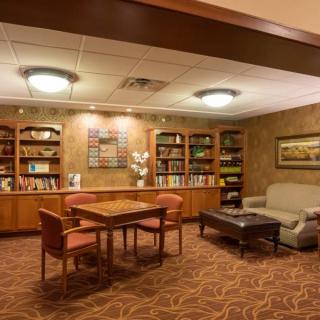
The James on seniors.fyi includes 5 photos including images showing living room, landscaping, tree, fireplace, television, brick wall, interior, decor, and more.
Nearby Communities
The James Inc.
Bloomington, MN
$5,250 / month
Private rooms with competitive pricing, high-acuity care, and accessible amenities.
Sincere Care Services
Bloomington, MN
4.7 from 35 reviews
24/7 supervision with ADL support and a mental wellness program
Amira Choice of Bloomington
Bloomington, MN
4.3 from 36 reviews
$2,515 to $4,265 / month
Beautiful, resort-like building with good food and engaging activities.
The James I
Bloomington, MN
Comprehensive care with 24-hour supervision, transportation to medical appointments, and furnished living spaces.
West Bloomington Residence
Bloomington, MN
5 from 6 reviews
Fully furnished, with 24/7 care, meals, medication management, ADL support, and medical transport.
Midwest Residential 2
Bloomington, MN
Small, intimate community with 24-hour supervision, comprehensive ADL support, and move-in coordination.
Prairie Bluffs Senior Living
Eden Prairie, MN
3.5 from 35 reviews
$2,780 to $3,480 / month
Friendly staff, engaging activities, and clean, modern facilities.
7500 York Cooperative
Edina, MN
4.7 from 20 reviews
Excellent access to nearby health services and amenities.
York Gardens Senior Living
Edina, MN
4.6 from 33 reviews
$3,930 to $4,770 / month
Home-like environment with friendly staff, clean facilities, and engaging activities.
The guide highlights the importance of assisted living facilities for aging veterans needing daily support, discusses unique challenges they face, and outlines available financial assistance from the VA, including the Aid and Attendance program. It emphasizes understanding eligibility criteria and navigating the VA system to access necessary benefits effectively.
The article compares assisted living and skilled nursing facilities, detailing their differing levels of assistance, medical support, cost structures, and day-to-day experiences. It emphasizes that assisted living is for those needing help with daily activities while maintaining independence, whereas skilled nursing facilities provide intensive medical care with 24-hour staff supervision.
The transition from assisted living to skilled nursing care is often prompted by complex medical needs that assisted living cannot meet, with key indicators including frequent health declines, increased falls, severe memory issues, and caregiver burnout. Families should recognize these signs early to discuss options with healthcare providers and prepare for the emotional and logistical aspects of moving to a facility that offers comprehensive medical support.
Get PricingAsk A QuestionSchedule A TourContact Senior Advisor
By clicking submit, you agree to our Partner's Terms of Use. You
also consent to receive calls and texts, which may be autodialed, from our Partner. Your consent is not a condition to
using our Partner's service. Please visit our Partner's Privacy Policy for information about their privacy practices.



 21 resident community capacity
 Assisted Living
 Beauty salon
 Cable or satellite TV
 Dining room
 Fully furnished
 Garden
 Housekeeping services
 Kitchenette
 Move-in coordination
 Outdoor space
 Telephone
 Wi-Fi/high-speed internet available
 Minneapolis-St Paul International (7 miles away)
 24-hour call system
 Activities of daily living assistance
 Assistance with bathing
 Assistance with dressing
 Assistance with transfers
 Diabetes diet
 Meal preparation and service
 Medication management
 Mental wellness program
 Special dietary restrictions
 Transportation arrangement (medical)
 Transportation to doctors appointments
 Private rooms with competitive pricing, high-acuity care, and accessible amenities.


 Assisted Living Support for Veterans: A Complete and Detailed Overview
 Exploring the Contrasts Between Assisted Living and Skilled Nursing
 8 Key Indicators That Suggest It May Be Time to Transition from Assisted Living to Skilled Nursing Care