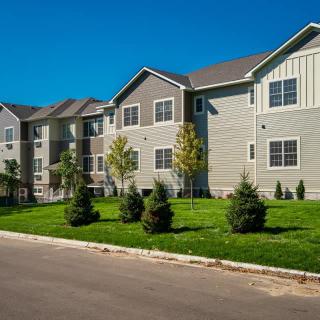
Su Casa Home Care

3427 Central Avenue Ne, Minneapolis, MN 55418

For more information about senior living options: (844) 490-3973

2.3 from 11 reviews
5 stars
2
4 stars
2
3 stars
0
2 stars
0
1 stars
7

Assisted Living Skilled Nursing Facility

Overall Review of Su Casa Home Care

Pros

  • pro He liked the staff, the activities, and the food.
  • pro He was well cared for.
  • pro Richard was very helpful.

Cons

  • pro Mice and flies are around residents' food.
  • pro Residents are being treated like less than human beings and discarded like trash.
  • pro The building is infested with mice and other bugs, and everything is outdated and old.
  • pro The staff are horrible at care and medication passing.
  • pro The place is rated 0/5 stars and described as the worst place ever.
  • pro The head nurse has an awful attitude, being snotty and rude.
  • pro There is a perception that the facility takes all insurance and money.
  • pro People are advised to take their business and loved ones elsewhere.

Review

The collection of comments paints a troubling portrait of a senior care setting where fear and frustration seem to dominate the everyday experience of residents and their families. One voice paints a vivid, alarming scene: mice and flies lingering around people's food, and a perception that residents are being treated as less than human, discarded like trash. The tone throughout suggests a facility that feels more like a source of stress than support, with lingering questions about basic safety, cleanliness, and dignity in care.

Further assessments echo the same core concerns: the building is described as outdated and inadequately maintained, with complaints about ongoing infestations and a pervasive sense that care quality is not up to standard. A recurring refrain is the warning not to bring loved ones here, paired with strong dissatisfaction - one reviewer even rates the place 0 out of 5 stars and calls it "the worst place I've ever been." The sentiment is not simply about cosmetics or minor inconveniences; it centers on a perceived neglect of essential needs and an environment that feels out of step with proper senior care.

Amid the criticism, a more nuanced and bittersweet thread emerges from a personal message of gratitude. Claudette, writing from Chicago, reveals a deeply emotional side of the story: her brother had been at the facility for several years, and his passing came after a recent long-distance Zoom call in which they connected meaningfully. Claudette says she believes he was well cared for, noting that he liked the staff, the activities, and the food. She singles out the social worker, Richard, as someone who was very helpful, and she thanks "everyone" who cared for Brian. The expressions of appreciation are heartfelt and specific, offering a counterbalance to the otherwise harsh overall critique and reminding readers that individual experiences can vary widely within the same institution.

Within the same collection, another line of critique focuses on what is perceived as a predatory financial dynamic. A reviewer emphasizes "Take All Your Insurance, + want Your Money Too," a stark accusation that money and insurance considerations are prioritized in ways that may undermine genuine caregiving. This remark shifts the conversation from issues about cleanliness or staffing to questions about financial ethics and whether residents and families are being treated fairly and transparently when securing care.

The remarks about staff interactions culminate in a blunt verdict about attitude and professionalism. A specific complaint targets a head nurse, described as having an awful attitude and being "snotty and rude." The closing sentiment is emphatic and directive: "Take your business and loved ones elsewhere!" This pointed critique highlights how a single experienced interaction can color a family's entire impression of a facility, underscoring the importance of respectful, responsive communication in caregiving environments.

Taken together, the threads form a complex mosaic of experiences. On one hand, there are moments of human connection, gratitude, and appreciation for specific individuals who made a meaningful impact on a resident's life - moments that survived even in the face of broader concerns. On the other hand, there are persistent alarms about infestations, outdated infrastructure, and a sense that basic care and respect are not consistently delivered. The snapshot also includes practical warnings about financial practices and the ethical implications of how care is funded and managed.

Ultimately, these accounts illustrate a stark contrast between individual acts of kindness and the systemic stressors that families fear most in a senior care setting. They remind readers that behind every review is a real person with a story - some of warmth and gratitude, others of frustration and fear. For families evaluating where to place a loved one, the compilation underscores the need for careful observation, candid conversations with staff, and a clear understanding of both the human touch that can make a difference and the structural issues that can undermine comfort, safety, and dignity in daily life.

Features

Housing

  • 21 resident community capacity 21 resident community capacity

Types of Care

  • Assisted Living Assisted LivingAssisted living facilities provide crucial support and care for seniors who may need help with daily tasks such as medication management, bathing, and meal preparation. These communities offer a safe and comfortable environment where seniors can maintain their independence while receiving the assistance they need to thrive in their golden years.
  • Skilled Nursing Facility Skilled Nursing FacilitySkilled Nursing Facilities are crucial for seniors as they provide round-the-clock medical care, rehabilitation services, and assistance with daily activities. These facilities ensure that seniors receive the specialized care they need to maintain their health and well-being as they age.

Amenities

  • Beauty salon Beauty salonBeauty salons are important for seniors because they provide a space for them to feel pampered, socialize, and maintain their personal grooming and hygiene. Regular visits to a beauty salon can help boost seniors' self-esteem and overall well-being.
  • Cable or satellite TV Cable or satellite TVCable or satellite TV is important for seniors because it provides entertainment, news, and companionship, helping to combat loneliness and boredom. It also offers a wide range of programming options tailored to different interests and preferences.
  • Dining room Dining roomDining rooms are important for seniors as they provide a space for socialization, connection, and nutritious meals. They offer opportunities for residents to bond over shared meals, foster a sense of community, and promote healthy eating habits. Dining rooms also ensure that seniors have access to well-balanced meals tailored to their dietary needs and preferences.
  • Fully furnished Fully furnishedFully furnished senior living communities are important for seniors because they provide convenience, comfort, and a hassle-free moving experience. Seniors can easily settle into their new living space without the stress of having to buy and move furniture. This allows them to focus on enjoying their new home and community.
  • Garden GardenGardens are important for seniors as they provide a peaceful and therapeutic environment for relaxation, physical activity, and socialization. Being in nature has been shown to reduce stress, improve mood, and promote overall well-being. Gardens also offer opportunities for seniors to engage in gardening activities, which can improve mobility, flexibility, and cognitive function. Additionally, gardens create a sense of community and connection with others who share a passion for plants and outdoor spaces.
  • Housekeeping services Housekeeping servicesHousekeeping services are important for seniors because they help maintain a clean and safe living environment, promote independence, and reduce the risk of accidents or illnesses. Additionally, having assistance with household chores can alleviate physical strain and allow seniors to focus on other aspects of their well-being.
  • Kitchenette KitchenetteKitchenettes are important for seniors living in senior living communities because they provide the convenience and independence of being able to prepare simple meals and snacks in the comfort of their own living space. This can help promote a sense of autonomy and well-being for seniors, allowing them to maintain some level of control over their dietary choices and daily routines.
  • Move-in coordination Move-in coordinationMove-in coordination is important for seniors because it helps ease the transition into their new living environment. It ensures that all logistics, such as packing, organizing movers, and setting up utilities are taken care of, allowing seniors to focus on settling in and adjusting to their new home. Having a smooth move-in process can alleviate stress and anxiety, making the transition smoother and more enjoyable for seniors.
  • Outdoor space Outdoor spaceOutdoor spaces are important for seniors as they provide opportunities for physical activity, social interaction, exposure to natural light and fresh air, and a sense of connection to nature. Having access to outdoor spaces can improve overall well-being and quality of life for older adults living in senior communities.
  • Telephone TelephoneTelephones are important for seniors as they provide a lifeline for communication with loved ones, emergency services, and healthcare providers. They offer a sense of security and independence, enabling seniors to stay connected and access assistance when needed.
  • Wi-Fi/high-speed internet available Wi-Fi/high-speed internet availableWi-Fi/high-speed internet is important for seniors to stay connected with loved ones, access online resources, and participate in virtual activities to combat feelings of loneliness and isolation. It also allows them to easily manage healthcare needs, access entertainment, and engage in lifelong learning opportunities.

Transportation

  • Minneapolis-St Paul International (10 miles away) Minneapolis-St Paul International (10 miles away)

Care Services

  • 24-hour call system 24-hour call system24-hour call systems are important for seniors because they provide peace of mind and immediate assistance in case of emergencies. This technology ensures that help is always available, promoting safety and security for elderly individuals living alone or in assisted living facilities.
  • 24-hour supervision 24-hour supervision24-hour supervision is important for seniors to ensure their safety, well-being, and access to immediate assistance in case of emergencies or health issues. This constant support provides peace of mind for both seniors and their loved ones, allowing them to age in place with dignity and security.
  • Activities of daily living assistance Activities of daily living assistanceActivities of daily living assistance are important for seniors because they provide essential support with tasks such as eating, bathing, dressing, and mobility. This assistance helps seniors maintain their independence, dignity, and overall quality of life as they age.
  • Assistance with bathing Assistance with bathingAssistance with bathing is crucial for seniors as it helps maintain personal hygiene, prevents infections, and ensures their overall well-being and comfort. It also provides a sense of dignity and independence for seniors who may struggle with this task on their own.
  • Assistance with dressing Assistance with dressingAssistance with dressing is important for seniors because it helps maintain their independence, promotes personal hygiene, prevents accidents and injuries, and improves overall quality of life. This service ensures that seniors can continue to dress comfortably and confidently, despite any physical limitations they may have.
  • Assistance with transfers Assistance with transfersAssistance with transfers is crucial for seniors as it helps prevent falls and injuries, maintains their independence, and ensures they can safely navigate their living environment. It also provides peace of mind for both seniors and their loved ones.
  • Coordination with health care providers Coordination with health care providersCoordination with health care providers is crucial for seniors to ensure proper medical care, medication management, and overall well-being. This collaboration helps prevent overlapping treatments, track progress more effectively, and provide comprehensive support tailored to individual needs.
  • Diabetes diet Diabetes dietA diabetes diet is crucial for seniors as it helps manage blood sugar levels, reduce risks of complications, and improve overall health and well-being. By following a balanced and nutritious diet tailored to their specific needs, seniors can better control their diabetes and enhance their quality of life.
  • Meal preparation and service Meal preparation and serviceMeal preparation and service are crucial for seniors as they may have limited mobility or energy to cook nutritious meals. Having access to healthy and convenient food options can ensure they are getting the proper nutrition needed to maintain their overall health and well-being.
  • Medication management Medication managementMedication management is crucial for seniors to ensure they are taking the right medications at the correct dosages and times. This helps prevent adverse drug interactions, reduces the risk of medication errors, and promotes overall health and well-being. Proactive management also allows for adjustments as needed based on changing health conditions or new prescriptions.
  • Mental wellness program Mental wellness programMental wellness programs are essential for seniors as they promote cognitive stimulation, emotional support, and social engagement. These programs help prevent isolation, depression, and cognitive decline, ultimately enhancing the overall quality of life for older adults.
  • Special dietary restrictions Special dietary restrictionsSpecial dietary restrictions are important for seniors because age-related changes in metabolism and health conditions can make it difficult for their bodies to process certain foods. By following a diet tailored to their specific needs, seniors can maintain their overall health and well-being, manage chronic conditions, and reduce the risk of complications such as malnutrition or food interactions with medications.
  • Transportation arrangement (medical) Transportation arrangement (medical)Transportation arrangements for medical purposes are essential for seniors as they may have difficulty driving themselves to appointments or accessing public transportation. Having reliable and safe transportation options ensures that seniors can receive timely medical care and maintain their health and well-being.
  • Transportation to doctors appointments Transportation to doctors appointmentsTransportation to doctors' appointments is crucial for seniors as it ensures they have access to necessary medical care and support for their health needs. Without reliable transportation, seniors may struggle to attend important appointments, leading to potential delays in treatment and health complications. Providing transportation services helps seniors maintain their overall well-being and quality of life.

Dining

  • Diabetes diet Diabetes dietA diabetes diet is crucial for seniors as it helps manage blood sugar levels, reduce risks of complications, and improve overall health and well-being. By following a balanced and nutritious diet tailored to their specific needs, seniors can better control their diabetes and enhance their quality of life.
  • Special dietary restrictions Special dietary restrictionsSpecial dietary restrictions are important for seniors because age-related changes in metabolism and health conditions can make it difficult for their bodies to process certain foods. By following a diet tailored to their specific needs, seniors can maintain their overall health and well-being, manage chronic conditions, and reduce the risk of complications such as malnutrition or food interactions with medications.

Activities

  • Community-sponsored activities Community-sponsored activitiesCommunity-sponsored activities are important for seniors as they provide opportunities for social interaction, mental stimulation, and physical activity. These activities can help improve overall well-being, combat loneliness and isolation, and promote a sense of belonging and purpose among older adults.
  • Scheduled daily activities Scheduled daily activitiesScheduled daily activities are important for seniors because they provide structure, socialization, mental stimulation, and physical activity. Engaging in regular activities can improve overall well-being and quality of life for seniors living in a community setting.

Description

Su Casa Home Care in Minneapolis, MN is an assisted living community that provides skilled nursing facility care to its residents. The community offers a range of amenities to promote comfort and convenience for its residents, including cable or satellite TV, a dining room, fully furnished accommodations, a garden, housekeeping services, a kitchenette, move-in coordination assistance, outdoor space, telephone access, and Wi-Fi/high-speed internet.

At Su Casa Home Care, residents receive 24-hour supervision and assistance with activities of daily living such as bathing and dressing. The dedicated staff also coordinates with health care providers to ensure comprehensive care for the residents. The community offers specialized care for individuals with diabetes through specific dietary plans. Meal preparation and service are provided to ensure proper nutrition and medication management is available to assist residents with their medication needs.

Additionally, Su Casa Home Care prioritizes the mental well-being of its residents by offering a mental wellness program. Special dietary restrictions are accommodated in the dining services to meet individual needs. Transportation arrangements are made for medical appointments while transportation is also available for doctors' appointments.

Residents at Su Casa Home Care can enjoy scheduled daily activities to keep them engaged and entertained. The surrounding neighborhood provides numerous amenities like cafes, parks, pharmacies, restaurants, places of worship, theaters as well as hospitals in close proximity.

Overall, Su Casa Home Care in Minneapolis provides a comfortable and supportive environment for seniors requiring assisted living with skilled nursing facility care while offering various amenities and services to enhance their quality of life.

Nearby Places of Interest

Pharmacies

  • CVS Pharmacy (0.3 miles)
  • Walgreens (1 miles)
  • Walgreens (1.4 miles)
  • Target Pharmacy (3.4 miles)
  • Park Nicollet Clinic (3.6 miles)
  • Walgreens (3.9 miles)
  • Walgreens (4 miles)

Restaurants

  • Steele & Hops (1.3 miles)
  • Tony Jaro's River Garden (1.7 miles)
  • Jimmy's Bar & Lounge (1.7 miles)
  • Sociable Cider Werks (1.8 miles)
  • Indeed Brewing Company (1.9 miles)
  • Psycho Suzi's Motor Lounge (2 miles)
  • Bauhaus Brew Labs (2 miles)

Cafes

  • Starbucks (1.4 miles)
  • Caribou Coffee (4.2 miles)
  • Dunn Brothers Coffee (4.7 miles)
  • Roundtable Cof (5.1 miles)
  • Starbucks (5.2 miles)
  • Spyhouse Coffee (5.5 miles)

Parks

  • Silverwood Park (1.6 miles)
  • Boom Island Park (2.8 miles)
  • North Loop Dog Park (3.3 miles)
  • Mill Ruins Park (3.5 miles)
  • Gateway Dog Park - Off-Leash Play Area (4.3 miles)
  • Twin Lake Beach Park (4.5 miles)
  • Loring Park (4.6 miles)

Physicians

  • Fairview Clinics (2.9 miles)
  • Eye Care Center (3.5 miles)
  • Cardiovascular Systems (3.7 miles)
  • Fairview Fridley Clinic (3.8 miles)
  • HealthPartners Health Center for Women Clinic St Paul (4.7 miles)
  • Aesthetic Reconstructive Plastic Surgery (5.4 miles)
  • Whittier Clinic (5.6 miles)

Places of Worship

  • Fridley United Methodist Church (3.8 miles)
  • Elim Church Center (4.3 miles)
  • Westminster Presbyterian Church (4.3 miles)
  • North Heights Lutheran Church (4.9 miles)
  • Shepherd of the Hills Lutheran Church (6 miles)

Theaters

  • AMC Rosedale 14 (4 miles)

Hospitals

  • Hennepin County Medical Center (4.1 miles)
  • Csc Gi Lab (4.2 miles)
  • University of Minnesota Medical Center - East Bank Campus (4.2 miles)
  • Regency Hospital (5 miles)
  • Unity Hospital (5.2 miles)

Transportation

  • Minnesota State Fair Transit Hub (4.8 miles)

Frequently Asked Questions

Where is Su Casa Home Care?

Nearby Communities

Related Resources

  • assisted living for seniors on social securitySocial Security Benefits and Assisted Living: Navigating Options Across the U.S.

    Assisted living costs often exceed Social Security benefits, necessitating a combination of funding sources like state aid and Medicaid. Understanding the interaction between Social Security programs and available financial support is essential for affording such care.

  • aid and attendance vaAn Extensive Exploration of the VA Aid and Attendance Benefit

    The VA Aid and Attendance benefit provides financial support to veterans needing assistance with daily living due to medical conditions or disabilities, augmenting standard VA pensions for services like in-home care. Eligibility is based on service duration, wartime status, income, and medical needs, with a detailed application process required to access funds for caregiving and home modifications.

  • senior move managementSenior Transition Services: Understanding Their Role, Cost, and Importance

    Senior move management services assist older adults in the relocation process by providing emotional support and organizational help, addressing unique challenges like downsizing and moving from long-term homes. These specialists collaborate with real estate agents and manage logistics, making the transition smoother for seniors and their families.