
17515 30Th Avenue North, Plymouth, MN 55447
For more information about senior living options: (866) 208-4318
Overall Review of St John Home Care 2
Pros
 The staff at St. John Home are friendly and helpful.
- Joy is amazing, consistently supportive, and goes above and beyond for residents.
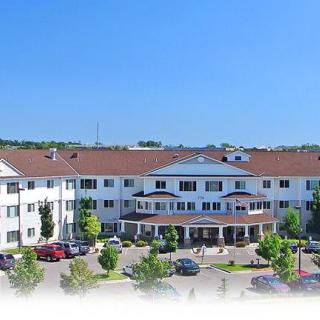
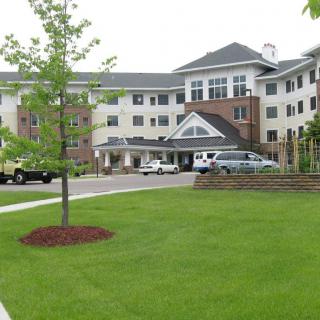
- The homes are located in nice neighborhoods with large yards and are well maintained inside and out.
- The residences are kept very clean all the time.
- Residents enjoy amenities like free fast wifi and large smart TVs with streaming in each bedroom.
- The Plymouth location is clean, safe, and well managed, with the house kept spotless by staff.
Cons
 The reviewer alleges that Joy is a common criminal and that she has charged for services no one ever received.
- The reviewer claims the staff are untrained, unable to communicate, and unable to boil water or cook a decent meal.
- The reviewer describes the staff as vindictive and evil with ill intent.
- The reviewer complains about overpowering chemical smells and says all they know how to do is clean.
- The reviewer accuses Joy of building a home every six months and violating building codes.
- The reviewer states these homes are dangerous and not safe for residents.
Review
St. John Home Care 2 in Plymouth is best suited for seniors seeking a truly home-like, neighborly environment where caregivers build personal connections, and where a steady stream of social activities helps counter loneliness. This community shines for residents who value daily warmth from a stable care team, enjoy regular outings and in-house companionship, and prefer a suburban, well-kept setting with individual rooms in accessible, non-institutional homes. It is ideal for those who want a flexible, relationship-driven living arrangement rather than a formal hospital-like atmosphere, and who can function with a lighter clinical footprint rather than around-the-clock nursing.
Those evaluating alternatives should be mindful that this setting may not meet needs requiring rigorous medical oversight, consistent cross-shift staffing, or formal memory-care programming. Families dealing with higher care acuity, complex medical regimens, or a demand for clearly standardized pricing and service packages may find other options more reliable. If 24/7 clinical availability, well-documented care plans, or specialized dementia care with certified staff are non-negotiable, a larger assisted living campus or a facility with on-site nursing and clearly published pricing tiers could prove more predictable and safer in the long run.
Pros center on people, pace, and environment. Multiple residents praise the staff as genuinely friendly and attentive, with caregivers who invest time in games, walks, and social chats beyond basic tasks. The operating philosophy appears deeply resident-focused, with celebrations and holiday meals that signal real relational investment. The homes themselves consistently earn praise for cleanliness and upkeep, occupying pleasant neighborhoods with sizable yards and well-maintained interiors. Notable perks include reliable wifi, spacious smart TVs in bedrooms, and a sense that Joy, described as a steadfast advocate, will mobilize support and go to extra lengths for residents. For many, these factors translate into a meaningful daily quality of life and a feeling of belonging.
Yet the record is not uniformly favorable. A minority of voices allege serious governance and care- delivery concerns, including perceived overcharging for services, inconsistent training and communication among staff, and broader safety questions. One reviewer claims building-code and safety issues stem from rapid expansion and management choices, casting doubt on the long-term security of the home environment. While these accounts are not universally echoed, they underscore the need for transparency: up-to-date licensing and inspection documents, explicit service agreements, and a clear billing policy should be part of any decision process. Prospective residents must verify these details and seek current resident references to gauge whether concerns have been addressed.
To weigh the positives against the negatives, active due diligence is essential. Prospective movers should schedule in-depth tours, request a formal care plan, review staffing models and turnover, and examine dining and activity schedules for consistency with personal preferences. Request a detailed list of optional and mandatory fees, obtain the latest safety and fire inspection reports, and contact current residents about their day-to-day experiences. If warmth, personal attention, and a lively social calendar are decisive, and if all administrative questions are answered satisfactorily, the positives can outweigh the risks. However, for households prioritizing medical oversight, regulatory certainty, and uniform care standards, comparison with facilities offering on-site nursing, memory-care programming, and transparent, standardized pricing remains strongly advised.
Bottom line: St. John Home Care 2 offers a compelling home-centered option for seniors who prize interpersonal warmth, flexibility, and an active social life within a clean, well-kept Plymouth setting. The strongest appeal rests with the people, caregivers who form meaningful connections, resident-centered events, and a palpable sense of community. The principal caveats involve potential questions around staffing consistency, billing transparency, and safety practices raised by some reviewers. When these areas are thoroughly explored and align with family comfort, this community can be a strong fit. For those needing more formal medical oversight or tighter operating standards, exploring alternatives with robust nursing support and clearly defined pricing is a prudent step.
 6 resident community capacity
 Assisted Living
 Cable or satellite TV
 Dining room
 Fully furnished
 Garden
 Housekeeping services
 Move-in coordination
 Outdoor space
 Telephone
 Wi-Fi/high-speed internet available
 Minneapolis-St Paul International (17 miles away)
 24-hour supervision
 Activities of daily living assistance
 Assistance with bathing
 Assistance with dressing
 Assistance with transfers
 Diabetes diet
 Meal preparation and service
 Medication management
 Special dietary restrictions
 Transportation arrangement (medical)
 Transportation to doctors appointments




 When to Transition from Assisted Living to Memory Care: Key Indicators, Steps, and Finding the Right Community
 Assisted Living and Memory Care: Understanding Their Core Differences
 Beyond the Bingo Hall: 50+ Enriching Activities for Seniors in Assisted Living