
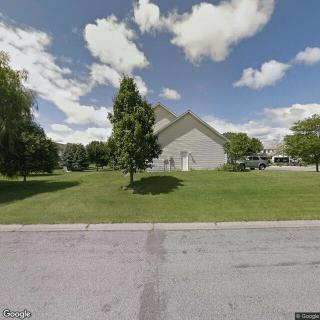
3721 104Th Avenue North, Brooklyn Park, MN 55443
For more information about senior living options: (866) 208-4318
Overall Review of New Hope Health Care II
Pros
 The staff are very nice.
- The owner is very nice.
- The place is nice to stay.
- The staff are welcoming and friendly.
- There were barely any problems there.
Review
New Hope Health Care II in Brooklyn Park, MN is best suited for families seeking a small, personable assisted-living option where warmth from staff and a hands-on owner presence drive daily life. The two reviews paint a clearly favorable picture: staff described as nice, welcoming, and consistently attentive, with an owner who appears genuinely invested in resident comfort. That combination translates into a low-key, predictable environment where residents are likely to experience quick resolutions to day-to-day concerns and a sense of being cared for as individuals rather than as room numbers. For families prioritizing ease of transition, friendly interactions, and a living space that feels more like a close-knit residence than a sprawling campus, this community delivers.
At the same time, a cautious lens should be applied to the question of alternatives. Those with complex medical needs, memory-care requirements, or a demand for robust, highly structured clinical programming may want to explore other options. The limited publicly available detail in the reviews means less visibility into care levels, specialized services, or the breadth of activities and auxiliary supports. Prospective residents should consider whether the facility’s size and model align with expected medical oversight, transportation needs, and the intensity of supervision that might be required as health needs evolve. In short, the family should weigh the appeal of warmth against the potential desire for depth in care programming.
The strongest pros, courteous, approachable staff; a welcoming environment; and an owner who prioritizes resident comfort, do meaningful work in this setting. Those factors can offset uncertainties about broader programming because trust and reliability in daily interactions reduce friction in routine tasks, medication reminders, and schedule adherence. When staff know residents by name and respond without delay, the risk of miscommunication drops, and the overall experience tends to feel safer and more predictable. For many seniors, that human-centered approach matters as much as formal care services, and it earns tangible value in continuity of care and emotional well-being.
Where the reviews leave questions, the absence of explicit cons is not a guarantee. The true trade-offs will hinge on what isn’t described, such as the specifics of meal quality and timing, the cadence of activities, transportation options, medication management protocols, and the availability of on-site clinical staff or partnerships with external providers. The positive tone around staff and ownership suggests a responsive operation, but without broader data, there is room for concern about how well the setting scales if needs become more intensive or if a resident requires stricter supervision, more complex care plans, or memory-support services. That potential gap should be tested in a structured inquiry rather than assumed away.
For families making a decision, practical next steps are clear and nonnegotiable. Schedule a visit and request to meet care staff, the administrator, and ideally a resident or family member who can speak to ongoing routines. Ask to observe a meal service, review a sample care plan, and understand how staffing ratios shift across shifts. Clarify what is included in monthly pricing and what costs may appear with increased needs, such as memory support or mobility assistance. Inquire about transportation arrangements for appointments and social activities, the breadth of daily activities, and how emergencies are handled. These conversations turn favorable impressions into measurable assurances.
Overall, New Hope Health Care II stands out for families valuing kindness, a tight-knit atmosphere, and a transparent, friendly leadership style. It is a credible, appealing option for seniors who prize personal attention and a home-like cadence over large-scale programming. However, for those whose priorities include robust clinical oversight, advanced memory-care capabilities, or extensive service breadth, alternatives with more explicit care structures may serve better. The decision hinges on whether warmth and easy access to responsive staff meet the anticipated trajectory of care needs, or if a facility with broader clinical resources and a larger ecosystem is required to sleep easy at night.
 5 resident community capacity
 Assisted Living
 Cable or satellite TV
 Dining room
 Fully furnished
 Garden
 Housekeeping services
 Move-in coordination
 Outdoor space
 Telephone
 Wi-Fi/high-speed internet available
 Minneapolis-St Paul International (19 miles away)
 24-hour supervision
 Activities of daily living assistance
 Assistance with bathing
 Assistance with dressing
 Assistance with transfers
 Diabetes diet
 Meal preparation and service
 Medication management
 Special dietary restrictions
 Transportation arrangement (medical)
 Transportation to doctors appointments




 Assisted Living Support for Veterans: A Complete and Detailed Overview
 Exploring the Contrasts Between Assisted Living and Skilled Nursing
 8 Key Indicators That Suggest It May Be Time to Transition from Assisted Living to Skilled Nursing Care