
2530 Washington Street Ne, Minneapolis, MN 55418
For more information about senior living options: (866) 208-4318
Overall Review of Joy Living
Pros
 Mark Ostrom and his team are inspiring and energetic leaders.
- Joy Collaborative brings so much joy into the lives of families who need this unique support.
- The nonprofit is amazing and helps people live better lives.
- There is no other organization doing this work.
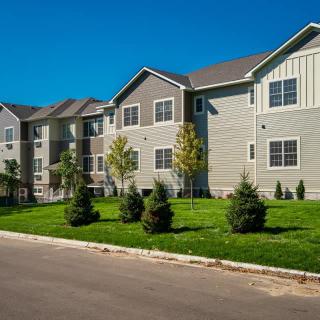
- Joy Collaborative has created beautiful spaces for very special people.
- Mark has had this mission in his heart forever, and it’s wonderful to see him bring it to life.
- Joy Collaborative brings creative energy and design thinking to those who need it most.
- Mark puts his whole heart into this organization.
Review
Joy Living in Minneapolis reads most clearly as a mission-first community hub rather than a traditional assisted living option. It is best suited for families connected to Joy Collaborative and similar supporters who want to align with a high-energy, purpose-driven organization that designs spaces and programs intended to bring joy to families navigating life-limiting conditions in children. For seniors seeking daily living assistance, medical oversight, and elder-focused care, this is unlikely to be the right fit. The energy is infectious, but the core offering centers on inspiration, engagement, and nonprofit impact rather than licensed elder care.
That misalignment is the first reality to weigh. Alternatives should be considered for older adults who require ongoing housing with caregiving, medication management, mobility support, and memory-care programs. Traditional assisted living communities in Minneapolis with clear licensing, care plans, and staffing models will deliver the predictable daily living support many families expect. If the goal is a residence with aging-appropriate medical oversight and safety protocols, Joy Living should not be the default assumption; it is a complement to a family’s broader philanthropic or community-engagement goals rather than the main care solution.
On the upside, the most compelling pros originate from leadership and mission. Reviewers repeatedly highlight Mark Ostrom as a bright, energetic, deeply committed leader whose vision powers Joy Collaborative. The sense of purpose is palpable: a nonprofit devoted to bringing meaningful joy into families’ lives and creating spaces imbued with care and intention. This level of enthusiasm matters for families seeking social and emotional enrichment, not merely custodial care. The organizational passion translates into programs and events that feel thoughtfully designed, offering inspiration and connection that can significantly enhance quality of life for participants and supporters alike.
Equally notable are the qualitative benefits described: “beautiful spaces,” “creative energy,” and a design-thinking approach applied to human-centered work. These attributes create a distinctive atmosphere, one that can uplift participants, attract volunteers, and foster a sense of belonging. For families who value community involvement, ongoing engagement, and opportunities to contribute to a meaningful cause, Joy Living presents a powerful, nonclinical value proposition. These strengths, however, cannot be mistaken for the essential components of elder-care services that a resident would expect in an assisted living setting.
The primary drawbacks are structural rather than superficial. The reviews illuminate a clear focus on children with life-limiting conditions and their families, not on aging populations with progressive care needs. There is no detailed information on housing arrangements, daily living support, staffing ratios, medical oversight, medication administration, fall prevention, or memory-care programming, elements fundamental to responsible senior living. In short, the pros enrich life-affirming experiences and community engagement, but they do not address the core requirements of elder-care residents. The risk is conflation: the strengths invite involvement as a donor, volunteer, or family ally, not as a resident seeking licensed care.
Bottom line: for families exploring assisted living options, Joy Living should be considered only if the primary objective is to participate in and support a mission-driven nonprofit that emphasizes joy, design, and community impact rather than to secure elder-care housing. For those whose priority is reliable daily living supports, look to established elder-care communities with licensed care, transparent care plans, and documented safety protocols. If exploring Joy Living anyway, pursue targeted questions: What care, if any, is available on-site? Are there age-appropriate programs for seniors living in proximity to activities? What living options exist, and do they include any elder-specific accommodations? What are the costs, admission criteria, and staffing qualifications?
Informed families will use this as a reality check and a decision framework. Joy Living offers a compelling, heart-forward experience for those drawn to its mission and to the social-emotional benefits of a creatively designed community. For traditional assisted living needs, however, the prudent path is to prioritize elder-focused communities with clear care guarantees, while recognizing Joy Living as a powerful supplement to a broader, values-driven engagement strategy rather than the core housing solution. Royal we would recommend approaching it as part of a diversified plan rather than the central residence choice.
 21 resident community capacity
 Assisted Living
 Beauty salon
 Cable or satellite TV
 Dining room
 Fully furnished
 Garden
 Housekeeping services
 Kitchenette
 Move-in coordination
 Outdoor space
 Restaurant-style dining
 Small library
 Telephone
 Wi-Fi/high-speed internet available
 Minneapolis-St Paul International (9 miles away)
 24-hour call system
 Activities of daily living assistance
 Assistance with bathing
 Assistance with dressing
 Assistance with transfers
 Diabetes diet
 Medication management
 Mental wellness program
 Special dietary restrictions



 Securing Financial Support for Assisted Living: A Comprehensive Overview
 Social Security Benefits and Assisted Living: Navigating Options Across the U.S.
 An Extensive Exploration of the VA Aid and Attendance Benefit