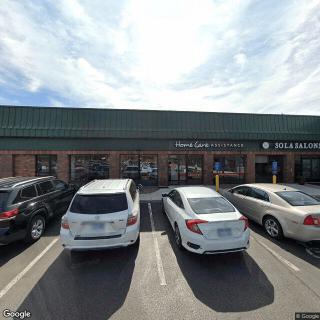
Greater Heights Care is an assisted living community in Edina, MN.
Information last verified:
7200 France Avenue South #100-5, Edina, MN 55435
For more information about senior living options: (866) 208-4318
2.5 from 74 reviews
5 stars
23
4 stars
3
3 stars
4
2 stars
5
1 stars
39
Overall Review of Greater Heights Care
common9 reviews mention this
Staff kindness shows through reviews
Residents describe staff who are kind, respectful, and helpful during visits.
Several reviews highlight staff members who are friendly, respectful, and attentive, including front desk personnel, nurses, and doctors. People also mention being treated with kindness and having their concerns taken seriously during appointments. In those positive accounts, check-in and care coordination feel smoother and more reassuring.
caveat7 reviews mention this
Long waits and delayed service
Multiple reviewers report long waits before being seen or completed.
A recurring theme is time spent waiting in lobbies or during appointments, with some reviewers describing hours passing before they were called. There are also mentions of appointment timing not matching expectations, including cases where labs or follow-up work could not be completed the same day. Some accounts connect the frustration to staff not acknowledging the delays while people are waiting.
caveat3 reviews mention this
Billing and insurance frustration
Billing problems and insurance disputes come up repeatedly in reviews.
Some reviewers describe being billed in ways they felt were incorrect or hard to resolve, including disagreements about coding and charges tied to tests or visits. Others mention refusing to fix billing issues and directing patients to deal with insurance or the hospital. A few accounts also describe challenges around accepted insurance or needing to pay out of pocket after difficulties getting adjustments.
caveat6 reviews mention this
Scheduling and access barriers
Reviews frequently mention difficulty getting through to schedule or receive needed follow-up.
Several reviews point to problems contacting staff or completing scheduling tasks, including long hold times, phone issues, and online limitations. Others describe situations where appointments were not honored as expected, such as not being accepted as a new patient or needing to wait far longer for care. Together, these accounts suggest residents may need persistence to reach the right person and get requests handled.
How we summarize
Counts show how many written reviews mention each theme; a review can touch several themes, and only frequently mentioned themes are displayed.
Features
Housing
21 resident community capacity
Types of Care
Assisted Living
Amenities
Beauty salon
Cable or satellite TV
Dining room
Fully furnished
Garden
Housekeeping services
Kitchenette
Move-in coordination
Outdoor space
Restaurant-style dining
Small library
Telephone
Wi-Fi/high-speed internet available
Transportation
Minneapolis-St Paul International (6 miles away)
Care Services
24-hour call system
24-hour supervision
Activities of daily living assistance
Assistance with bathing
Assistance with dressing
Assistance with transfers
Diabetes diet
Meal preparation and service
Medication management
Mental wellness program
Special dietary restrictions
Dining
Diabetes diet
Special dietary restrictions
Activities
Community-sponsored activities
Resident-run activities
Scheduled daily activities
Nearby Places of Interest
Restaurants
Pinstripes (0.2 miles)
Shake Shack (0.8 miles)
Taco Bell (0.9 miles)
Chick-Fil-A (1.2 miles)
Wooden Hill Brewing (1.5 miles)
Pizza Lucé Richfield (2.1 miles)
McDonald's (2.2 miles)
Physicians
Southdale Pediatrics (0.3 miles)
Endocrinology Clinic of Minneapolis (0.7 miles)
CCRM Fertility of Minneapolis (0.8 miles)
University of Minnesota Physicians Heart at Fairview Southdale Hospital (1 miles)
Twin Cities Orthopedics Edina - Crosstown (1 miles)
Fairview Southdale Physicians Building (1 miles)
Southwest Dermatology Specialist (2.7 miles)
Cafes
Starbucks (0.4 miles)
Panera Bread (2 miles)
Jinx Tea (3.4 miles)
Starbucks (4.1 miles)
Angel Food Bakery & Coffee Bar (6 miles)
Spyhouse Coffee (6.2 miles)
Parks
Centennial Lakes Park (0.4 miles)
McGuire Park (2.1 miles)
Hyland Lake Park Reserve (3.9 miles)
Taft Park (4.1 miles)
Bossen Field (5.2 miles)
Aquila Park (5.8 miles)
Lake Hiawatha Park (5.9 miles)
Theaters
0705 Amc Southdale 16 (0.5 miles)
Pharmacies
Walgreens (0.5 miles)
CVS Pharmacy (1.3 miles)
Walgreens (1.3 miles)
Minnesota Medical Solutions (1.6 miles)
Walgreens (2.6 miles)
Lunds & Byerlys 50th Street Edina (2.7 miles)
Walgreens (2.9 miles)
Hospitals
Fairview Southdale Hospital (1 miles)
Abbott Northwestern Center For Outpatient Care (3.2 miles)
Greater Heights Care is located at 7200 France Avenue South #100-5, Edina, MN 55435 in Hennepin County, Minnesota
Nearby Communities
Capernaum Pediatric Therapy II
Edina, MN
24-hour supervision with medication management, plus furnished rooms and restaurant-style dining.
Sunrise of Edina
Edina, MN
4.1 from 102 reviews
$4,200 to $6,390 / month
Kind staff, strong sense of community, engaging activities.
TheKey Minneapolis
Edina, MN
5 from 127 reviews
Home Care Assistance Of Minnes
Edina, MN
5 from 8 reviews
24/7 supervision with comprehensive care and care coordination.
Visiting Angels II
Edina, MN
4.8 from 25 reviews
Intimate 21-bed community with 24/7 supervision and personalized care.
Walker Methodist Care Suites
Edina, MN
4.6 from 54 reviews
$2,700 / month
Attentive staff providing personalized care in a warm, pod-based community with engaging activities and good dining.
Yorkshire Of Edina Senior Living
Edina, MN
4 from 24 reviews
Wide range of services (assisted living, memory care, skilled nursing) with engaging activities in a spacious, well-staffed, and welcoming environment.
York Gardens Senior Living
Edina, MN
4.6 from 33 reviews
$3,930 to $4,770 / month
Home-like environment with friendly staff, clean facilities, and engaging activities.
Yorktown Continental
Edina, MN
3.9 from 52 reviews
$1,181 to $1,417 / month
Warm, welcoming atmosphere with spacious 1-bedroom apartments, active common spaces, and affordable daily meals.
The VA Aid and Attendance benefit provides financial support to veterans needing assistance with daily living due to medical conditions or disabilities, augmenting standard VA pensions for services like in-home care. Eligibility is based on service duration, wartime status, income, and medical needs, with a detailed application process required to access funds for caregiving and home modifications.
Senior move management services assist older adults in the relocation process by providing emotional support and organizational help, addressing unique challenges like downsizing and moving from long-term homes. These specialists collaborate with real estate agents and manage logistics, making the transition smoother for seniors and their families.
The article examines senior housing options, detailing the distinctions between independent living and assisted living, along with the emerging "independent assisted living" model that blends both approaches. It highlights the importance of assessing individual needs, preferences, and financial factors in making informed decisions about suitable living arrangements for seniors.
Get PricingAsk A QuestionSchedule A TourContact Senior Advisor
By clicking submit, you agree to our Partner's Terms of Use. You
also consent to receive calls and texts, which may be autodialed, from our Partner. Your consent is not a condition to
using our Partner's service. Please visit our Partner's Privacy Policy for information about their privacy practices.

 21 resident community capacity
 Assisted Living
 Beauty salon
 Cable or satellite TV
 Dining room
 Fully furnished
 Garden
 Housekeeping services
 Kitchenette
 Move-in coordination
 Outdoor space
 Restaurant-style dining
 Small library
 Telephone
 Wi-Fi/high-speed internet available
 Minneapolis-St Paul International (6 miles away)
 24-hour call system
 Activities of daily living assistance
 Assistance with bathing
 Assistance with dressing
 Assistance with transfers
 Diabetes diet
 Medication management
 Mental wellness program
 Special dietary restrictions
 24-hour supervision with medication management, plus furnished rooms and restaurant-style dining.



 An Extensive Exploration of the VA Aid and Attendance Benefit
 Senior Transition Services: Understanding Their Role, Cost, and Importance
 Exploring the Path to Senior Living: A Comprehensive Look at Independent Living and Assisted Living