
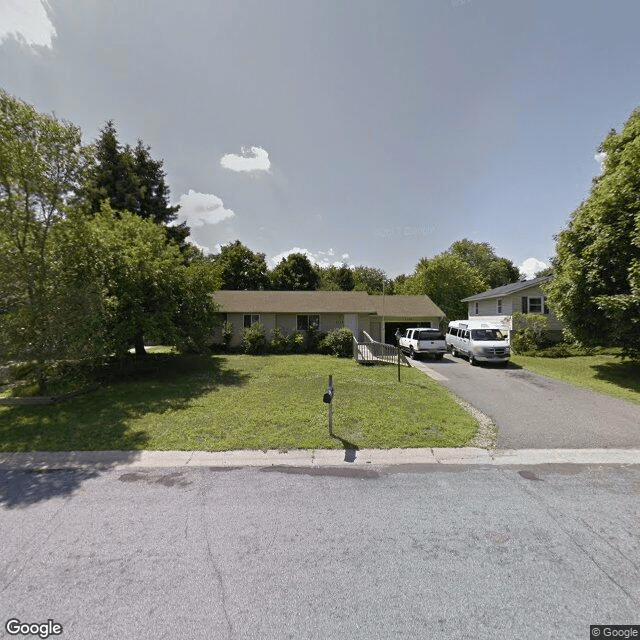
8125 FRANCE AVENUE NORTH, BROOKLYN PARK, MN 55443
To contact a resident: (952) 848-0935
For more information about senior living options: (866) 208-4318
Overall Review of Empowerment Hc Kristens House
Pros
 The manager Steve does a good job.
- Goes out of his way to help every resident and always here when we need him.
- Empowerment/Hidden Creek ranks in the top 25%.
- The homes are clean, and the caregiver's appear to be engaged with the clients.
- The administrative staff is very involved with the day-to-day operations, and they have been a joy to work with; both the standards they set, and the care and concern for the clients needs is well demonstrated.
- Roger and his team are working hard to deliver badly needed assisted living services for the mentally ill.
- The team has very dedicated and passionate professionals that genuinely care for their residents' well-being.
Cons
 The standard of care is nearly inhumane.
- From top to bottom, staff show no concern for client mistreatment.
- Overbilling, noncompliance, undocumented employees, and outright neglect are problems.
- The reviewer was fired after reporting mistreatment.
- The facility is understaffed and provides no proper training.
- Medications are handed out without supervision, allowing residents to take them unsupervised.
- The company cares only about profit and cheats employees and residents on housing and staffing.
- There are no activities as advertised and meals are poor.
Review
Empowerment Hc Kristens House in Brooklyn Park is best suited for families who need a budget-minded assisted-living option and can maintain a strong on-site advocacy role. The community can work for residents who want a small-house, home-like atmosphere with a visible manager and a clear point of accountability, rather than a large, impersonal operation. It rewards families willing to closely monitor day-to-day care, insist on transparent reporting, and stay actively engaged in routines. Those conditions can unlock a degree of responsive problem-solving when leadership is present, but the model requires constant vigilance because consistency across shifts and daily activities is not guaranteed. Without sustained oversight, meaningful benefits quickly erode.
This is not a fit for families needing dependable, high-touch medical oversight, robust activity programming, or strong safeguards. Residents who require consistent, well-trained staffing, rigorous medication management, predictable meals, and transparent billing will likely encounter unacceptable gaps here. The frequency and severity of understaffing, training shortcomings, and medication-handling concerns raise serious questions about ongoing reliability. If prioritizing steady safety nets, reliable staffing, and clear, verifiable processes, alternative communities with established track records deserve serious consideration.
On the positive side, several accounts flag practical strengths when staff are on site. The manager, Steve, is described as hands-on and accessible, willing to address resident needs. A service-provider perspective highlights clean homes, engaged caregivers, and an administration team that stays involved in day-to-day operations. In some instances, the team is praised for genuine care and a mission to serve residents with mental-health challenges. These elements, visible leadership, caretaker engagement, and a tidy, orderly environment, can contribute to a basic level of stability, provided they are reliably maintained across all shifts and units.
Despite those positives, core operating weaknesses dominate the overall impression. The most consistent theme is understaffing and uneven training, which translate into gaps in supervision, medication handling, and daily routines. Allegations range from medication mismanagement to neglect and safety concerns, including residents feeling unsafe and, in some reports, incidents of assault followed by discharge. Administrative concerns surface as well, claims of billing irregularities, housing shortfalls, and payroll issues hint at a broader push to reduce costs at the expense of resident welfare. Food quality and activity programming are frequently described as inadequate, which drains morale and daily vitality. Together, these factors form a fragile safety net that undermines trust.
Prospective families should weigh whether benefits can offset risks. The leadership presence and care focus offer some accountability, but that is not consistently realized across all shifts. Family oversight and routine audits can mitigate risk if staffing remains reliable and procedures stay transparent. The absence of consistent, measurable metrics (staffing ratios, med-pass protocols, incident reporting, licensing compliance) argues for caution. Before deciding, request current staffing schedules, training records, med administration procedures, and recent inspection or complaint histories; speak with current residents and their families about everyday routines, responsiveness, and safety.
In practical terms, Empowerment Hc Kristens House warrants serious consideration only when no better options exist and the family can commit to rigorous oversight. For many families seeking consistent daily care and a safety-forward program, other communities with stronger staffing, transparent billing, and proven safety records deserve exploration. If this option is pursued, set explicit expectations, establish a robust oversight plan, and prepare a contingency plan should care standards falter. Affordability and proximity matter, but not at the expense of consistent dignity, safety, and reliable responsiveness to resident needs.
 Board and Care Home
 Minneapolis-St Paul International (16 miles away)



 Comprehensive Exploration of Living Wills and Other Advance Directives
 A Detailed Exploration of Living Wills and Advance Directives
 Comprehensive Guide to Medicare Coverage for Hospice Care