
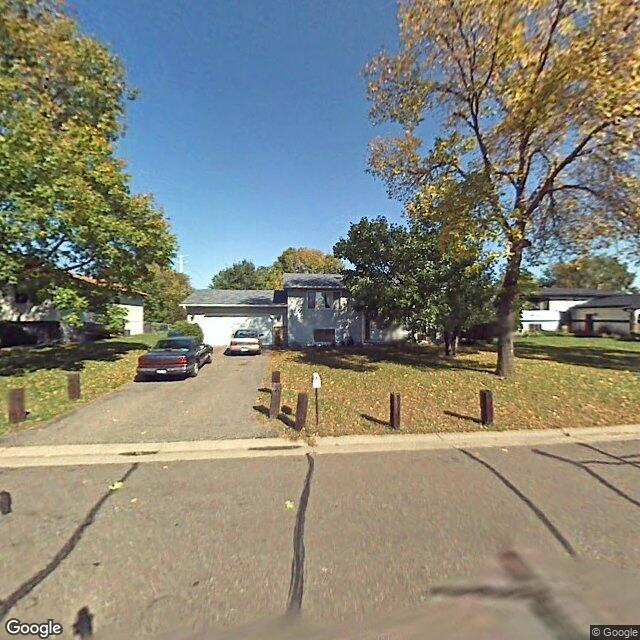
3018 80th Circle N, Brooklyn Park, MN 55444
To contact a resident: (763) 585-6107
For more information about senior living options: (866) 208-4318
Overall Review of Elimarc Health Care Network
Pros
 Steve, the manager, does a good job and goes out of his way to help every resident, always there when needed.
 - The homes are clean and the caregivers appear to be engaged with the clients.
- The administrative staff is very involved with day-to-day operations and is a joy to work with; their standards and care for the clients' needs are well demonstrated.
- Empowerment/Hidden Creek's atmosphere is impressive.
- Empowerment/Hidden Creek ranks in the top 25% of facilities the reviewer has encountered.
- Roger and his team are dedicated and passionate professionals who genuinely care for their residents' well-being.
Cons
 The company is described as deplorable in client care and is warned to keep loved ones out of its facilities.
- Care is described as close to inhumane, with mistreatment of clients across the organization.
- Allegations include overbilling, non-compliance, undocumented employees, and outright neglect.
- Understaffing and lack of training are reported, with claims of unsafe medication handling and unsupervised administration.
- The company is accused of payroll mismanagement and cheating employees and clients on housing and staffing.
- Residents report assault, expulsion, inadequate food, and lack of activities, contradicting what its website promises.
Review
Elimarc Health Care Network in Brooklyn Park is best suited for families that want hands-on, on-site leadership and can endure substantial variation in care quality from home to home. When the on-site manager is engaged and responsive, residents experience a level of attentiveness that can feel reassuring in the moment. In practice, the strongest positive signal comes from individual leaders who make themselves available and seem to push for residents’ needs to be addressed promptly. Because care quality appears to hinge heavily on the specific site and the people present, this community works best for families prepared to oversee daily care closely and to drive accountability.
Those who should seriously consider alternatives are families seeking consistently high standards, rigorous compliance, and predictable day-to-day routines across all units. The most pressing red flags recur around understaffing, inconsistent training, and reported lapses in essential care. Several accounts allege neglect or mismanagement, including problematic medication handling, insufficient supervision, and even situations where residents feel unsafe or unsupported. Add to that recurring concerns about staffing levels, and it becomes clear that reliability is not guaranteed and may vary dramatically by location within the network.
On the upside, there are credible strengths that can offset concerns when present in a given home. The manager highlighted in one review demonstrates a willingness to go the extra mile, and a service-provider partner praises clean, well-maintained homes with caregivers who appear genuinely engaged. Administrative involvement is described as active and responsive in some settings, a factor that can translate into smoother day-to-day operations when aligned with effective frontline leadership. A separate positive highlight notes dedicated professionals who sincerely care for residents’ well-being, suggesting that humane care is achievable in the right environment. When these elements line up, residents can experience meaningful, respectful support.
However, the cons cast a long shadow over those potential benefits. Recurrent themes include chronic understaffing and minimal training, which undermine the consistency and safety of care. Medication handling is flagged as a critical risk, with reports of unsupervised administration and the possibility of residents obtaining extra meds or not receiving the correct dosages. Financial and regulatory concerns surface as well, with allegations of tax filing irregularities and payout issues that raise questions about governance and staff stability. The most troubling narratives describe hostile or punitive responses to residents who raise concerns, along with insufficient food, limited activities, and in some cases outright eviction following conflicts. Taken together, these issues point to a fragile operational backbone that can jeopardize resident safety and dignity.
The net effect is a decided, not ambivalent, recommendation: pros can make specific sites within this network worth considering for families who can maintain close scrutiny, but the overall pattern of negative experiences outweighs the positives for most potential residents. The few homes or teams that demonstrate solid leadership and humane care are at risk of becoming the exception rather than the rule, and that volatility matters greatly when choosing a long-term living arrangement. In practical terms, this means prioritizing facilities with verifiable, across-the-board staffing, robust training programs, transparent medication protocols, and stable governance before leaning on standout managers alone to carry the day.
A practical decision plan follows. Visit multiple homes within the network and observe the daily rhythm: how quickly staff respond, how meals are prepared and served, and whether activities and social engagement are genuinely offered. Ask to review staffing schedules, training records, and medication administration procedures, including how medication reconciliation is handled and how allergies or changes in prescriptions are managed. Request recent inspection and licensing history, plus any formal complaints and how they were resolved. Speak with current residents and families about safety, feeding quality, and the willingness of administration to address concerns. If pursuing this option, insist on a trial period or a formal care plan with measurable goals, and ensure there is a clear escalation path for unresolved issues. For families prioritizing steadiness, it may be wiser to focus on facilities with established, comprehensive compliance records and consistent staffing, where the risk of neglect or erratic care is demonstrably lower.
 Minneapolis-St Paul International (16 miles away)





 A Detailed Exploration of Living Wills and Advance Directives
 Comprehensive Guide to Medicare Coverage for Hospice Care
 Caring for Those Who Care: Recognizing, Understanding, and Overcoming Caregiver Burnout