
4201 Jefferson Street Ne, Columbia Heights, MN 55421
For more information about senior living options: (866) 208-4318
Overall Review of Comfort Living
Pros
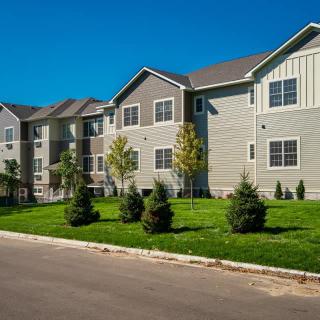
 The facility is an oasis of serenity with a clean environment.
- There is strong team spirit and mutual respect among staff.
- Residents interact as one family.
Cons
 It is just terrible.
- They should not go there.
Review
Comfort Living in Columbia Heights is best suited for seniors who prize a serene, home-like atmosphere, clean surroundings, and a staff culture that treats residents with respect and as part of a family. The vibe here supports low-stress days, steady social rhythms, and meaningful daily interactions that feel anchored rather than transactional. For families prioritizing dignity, gentle routines, and a communal sense of belonging, this community presents a clear, practical fit.
Those weighing alternatives should note that Comfort Living may not satisfy every care imperative. We urge families seeking highly structured medical oversight, rapid responsiveness to evolving care needs, or transparent, consistently documented outcomes to explore other options. The two reviews available are too few to establish a definitive track record, and the isolated one-star remark signals potential gaps behind a favorable surface. If memory care, complex ADLs, or clear performance metrics are non-negotiable, a broader comparison is essential.
On the plus side, the reviews describe an oasis of serenity and a clean environment, paired with evident team spirit among staff and a culture of mutual respect. Residents interact as a family, and that relational warmth translates into a sense of safety and belonging that can reduce isolation and stress. When daily life revolves around orderly routines, thoughtful staff interactions, and a calm, predictable setting, seniors tend to settle in more readily and participate more willingly in activities. In practical terms, these conditions can preserve mood stability and engagement, which are real benefits for many residents.
Yet the main caveat centers on the lack of substantive, verifiable information about how care actually unfolds day to day. The single negative review, though terse, cannot be ignored, and it sits beside a positive impression to form a red-flagā€“green-flag dynamic that families must interrogate. The small sample size means outcomes may hinge on specific shifts, staff teams, or management approaches at any given time. Prospective residents should demand concrete data, staffing ratios per shift, care-planning processes, response times, and systems for monitoring health changes, to separate aspirational tone from real-world performance.
Weighing the positives against the negatives, the atmosphere and relational culture do carry meaningful weight, but they do not erase the need for reliable clinical oversight. The risks are real: an excellent social environment does not automatically guarantee consistently high-quality care. The prudent path is proactive due diligence, visiting more than once, meeting front-line caregivers, observing activity participation, and requesting sample care plans and turnover statistics. This practical vetting turns a hopeful impression into a trustworthy assessment. In short, Comfort Living can be a solid match for residents who value warmth and calm as core, but it requires careful confirmation that care delivery aligns with individual medical and daily living needs.
In conclusion, Comfort Living serves a distinct niche: a peaceful, respectful, and socially cohesive setting that can support enhanced quality of life for seniors who thrive on familiarity and communal connection. It is less compelling for those who demand proven, high-level medical management, consistent documentation, or rapid, transparent accountability. The outlier one-star experience reinforces the necessity of direct, in-person evaluation, ask pointed questions, and insist on viewing current care plans, staffing patterns, and response protocols. When families compare options, pair Comfort Living with communities that emphasize measurable care outcomes, then judge based on tangible evidence alongside personal impressions. For the right resident, this environment offers genuine comfort; for others, it may be wise to keep exploring until a care model with clearer guarantees is found.
 21 resident community capacity
 Assisted Living
 Beauty salon
 Cable or satellite TV
 Dining room
 Fully furnished
 Garden
 Housekeeping services
 Kitchenette
 Move-in coordination
 Outdoor space
 Restaurant-style dining
 Small library
 Telephone
 Wi-Fi/high-speed internet available
 Minneapolis-St Paul International (11 miles away)
 24-hour call system
 Activities of daily living assistance
 Assistance with bathing
 Assistance with dressing
 Assistance with transfers
 Diabetes diet
 Medication management
 Mental wellness program
 Special dietary restrictions



 How and When Medicaid May Cover Assisted Living Costs
 A Detailed Exploration of Assisted Living Medicaid Waivers Across the United States
 Comprehensive Residential Support and Assisted Living Solutions for Individuals with Disabilities