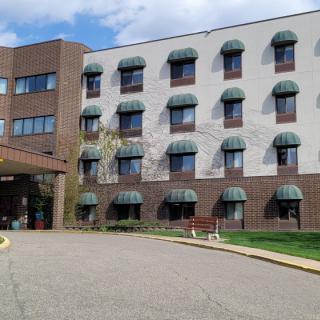
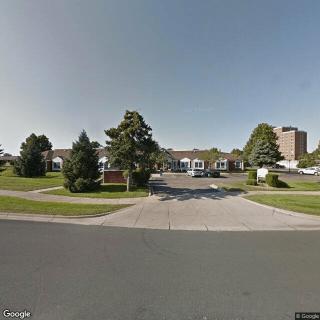
Bright Living

7309 Zane Avenue, Brooklyn Park, MN 55443

For more information about senior living options: (844) 490-3973

2.8 from 85 reviews
5 stars
30
4 stars
6
3 stars
4
2 stars
4
1 stars
41

Assisted Living

Overall Review of Bright Living

Pros

  • pro The reviewer praised Dr. Kim as amazing and noted everything was sorted in under 30 minutes.
  • pro Zoua provided patient and kind assistance, delivering amazing customer service.
  • pro The staff were friendly and efficient, and they shared a light joke during a later visit.
  • pro The care included a breathing treatment and timely antibiotics, which helped the patient feel better.
  • pro Online check-in and wait-time estimates were helpful.
  • pro Reception, nurse, and practitioner were kind and professional.
  • pro Families reported pleasant visits with respectful staff and clean facilities.
  • pro The patient would absolutely return because the staff were nice and the care left them feeling better.

Cons

  • pro The urgent care was not suitable for urgent matters and directed patients elsewhere.
  • pro The staff refused to provide antibiotics and required a patient to sign a form refusing treatment.
  • pro The clinician dismissed a patient with fever and possible concussion after a brief evaluation, delaying care.
  • pro Non-life-threatening cases were turned away with no warning about closing time.
  • pro A provider advised going to the ER for a CT without performing a proper exam, delaying care.
  • pro A staff member was rude and racist, causing long wait times and poor treatment.
  • pro Robin at the front desk was unhelpful and argumentative, hindering assistance.
  • pro The reception was described as very rude, unprofessional, and not helpful, making the visit feel like a joke.

Review

The collection of reviews paints a picture of an urgent care clinic that sparks a wide range of experiences. On one end, several patients describe fast, efficient visits with friendly staff and clear wins in testing, treatment, and administration. On the other, a substantial number of reviews recount frustration, missteps in care, long waits, perceived rudeness, and serious concerns about triage and quality of care. Taken together, they reveal an organization that can save a visitor's day when things run smoothly, but can also leave people feeling dismissed, unsafe, or unfairly treated when things go wrong.

Several highly positive notes stand out. In one visit, a patient described a quick and organized encounter for a strep test, praising the doctor (Dr. Kim) for efficient, thorough care that wrapped up in under 30 minutes. Another patient highlighted excellent customer-service experience, specifically pointing to an employee named Zoua who guided them through MyChart difficulties with patience and kindness, ultimately getting the needed results and appointments resolved quickly. A recurring theme in the favorable reviews is that staff can be friendly, professional, and capable, with several mentions of good bedside manner, smooth check-ins, and efficient problem-solving during visits.

But the praise is far from universal. A number of reviewers recount safety and care gaps that left them distressed. One patient with a lacrimal (eye) infection described an alarming sequence: initial antibiotic consideration was followed by a painful, probing exam that elicited a vasovagal reaction; instead of supportive care or timely antibiotic treatment, the respondent felt pressed toward an ambulance and ultimately was refused further treatment. The patient argued that fear of litigation had overridden clinical judgment and care, calling the situation a "wake-up call" for the clinic. Another patient who had fever and a fainting episode reported not receiving a Covid or flu test, felt dismissed after a quick vitals check, and left convinced that a more serious outcome (like sepsis) might have been avoided with closer attention.

There are also repeated grievances about access to care and the decision to deny treatment. A reviewer described being turned away on a Saturday afternoon because the clinic's stated hours would soon close, despite others still waiting inside - an experience labeled as the first-ever denial of care in the reviewer's life. Several accounts mention patients being told they were not life-threatening enough for urgent care, or being advised to go to the ER, with some expressing frustration at a lack of warning or signage regarding triage criteria. The theme here is a tension between triage decisions and patient expectations for timely, non-emergency access.

The staffing experience varied widely as well. Several reviews mention a disconnect between reception and clinical staff, with some patients praising kindness and professionalism in the exam rooms and others describing rude or dismissive behavior at the front desk. In one particularly negative episode, a patient attributed quoted rudeness and racism to a staff member who allegedly refused to answer questions about wait times and conveyed a lack of urgency to assist. In another account, a patient criticized a specific clinician (referred to as Diane) for not performing a basic exam or ordering appropriate tests and instead directing the patient toward ER-level care, a move described by the patient as inappropriate and wasteful of time and resources. There are also mentions of a receptionist labeled as argumentative and unhelpful by more than one reviewer. These experiences contribute to a sense that the clinic's interpersonal dynamics can significantly color the perception of medical care received.

Pediatric experiences seem more mixed but often tilt toward the positive. Several reviews note that families found the pediatric side of the clinic approachable and that their kids had good experiences with pediatricians there. A contrasting voice mentions not wanting to bring a 3-month-old with croup to the clinic, suggesting that pediatric concerns can be a point of contention depending on individual expectations and perceived urgency. The variability in pediatric care echoes the broader pattern: care quality appears to depend heavily on which provider, which hour, and which staff member a patient encounters.

Finally, practical notes about the clinic's process reveal both helpful and frustrating elements. Some reviewers found value in online check-in and wait-time estimates, appreciating the ability to gauge how long a visit might take and to time their arrival accordingly. Others describe busy periods with a lot of patients in the lobby and a sense that the clinic's volume can overwhelm both staff and patients. A few patients reported smooth navigation from triage to testing to discharge, while others described disjointed care paths, with tests or treatments not always aligning with the presenting symptoms.

In sum, the clinic appears capable of delivering efficient and friendly care in many circumstances, especially when things run smoothly and the right staff are on duty. However, there are notable concerns about adequacy of examination, appropriate use of antibiotic therapy, triage decisions, communication at the front desk, and the handling of urgent or non-emergent cases. The spectrum of experiences suggests that patients may have markedly different encounters depending on the day, the time, and who is involved in their care. If you're planning a visit, you may want to plan for potential variability: check in online if possible, prepare for a wait during busy times, and consider seeking a second opinion or alternative facility for unclear diagnoses, negative test results, or situations you deem urgent but are told fall outside the clinic's scope.

Features

Housing

  • 21 resident community capacity 21 resident community capacity

Types of Care

  • Assisted Living Assisted LivingAssisted living facilities provide crucial support and care for seniors who may need help with daily tasks such as medication management, bathing, and meal preparation. These communities offer a safe and comfortable environment where seniors can maintain their independence while receiving the assistance they need to thrive in their golden years.

Amenities

  • Beauty salon Beauty salonBeauty salons are important for seniors because they provide a space for them to feel pampered, socialize, and maintain their personal grooming and hygiene. Regular visits to a beauty salon can help boost seniors' self-esteem and overall well-being.
  • Cable or satellite TV Cable or satellite TVCable or satellite TV is important for seniors because it provides entertainment, news, and companionship, helping to combat loneliness and boredom. It also offers a wide range of programming options tailored to different interests and preferences.
  • Dining room Dining roomDining rooms are important for seniors as they provide a space for socialization, connection, and nutritious meals. They offer opportunities for residents to bond over shared meals, foster a sense of community, and promote healthy eating habits. Dining rooms also ensure that seniors have access to well-balanced meals tailored to their dietary needs and preferences.
  • Fully furnished Fully furnishedFully furnished senior living communities are important for seniors because they provide convenience, comfort, and a hassle-free moving experience. Seniors can easily settle into their new living space without the stress of having to buy and move furniture. This allows them to focus on enjoying their new home and community.
  • Garden GardenGardens are important for seniors as they provide a peaceful and therapeutic environment for relaxation, physical activity, and socialization. Being in nature has been shown to reduce stress, improve mood, and promote overall well-being. Gardens also offer opportunities for seniors to engage in gardening activities, which can improve mobility, flexibility, and cognitive function. Additionally, gardens create a sense of community and connection with others who share a passion for plants and outdoor spaces.
  • Housekeeping services Housekeeping servicesHousekeeping services are important for seniors because they help maintain a clean and safe living environment, promote independence, and reduce the risk of accidents or illnesses. Additionally, having assistance with household chores can alleviate physical strain and allow seniors to focus on other aspects of their well-being.
  • Kitchenette KitchenetteKitchenettes are important for seniors living in senior living communities because they provide the convenience and independence of being able to prepare simple meals and snacks in the comfort of their own living space. This can help promote a sense of autonomy and well-being for seniors, allowing them to maintain some level of control over their dietary choices and daily routines.
  • Move-in coordination Move-in coordinationMove-in coordination is important for seniors because it helps ease the transition into their new living environment. It ensures that all logistics, such as packing, organizing movers, and setting up utilities are taken care of, allowing seniors to focus on settling in and adjusting to their new home. Having a smooth move-in process can alleviate stress and anxiety, making the transition smoother and more enjoyable for seniors.
  • Outdoor space Outdoor spaceOutdoor spaces are important for seniors as they provide opportunities for physical activity, social interaction, exposure to natural light and fresh air, and a sense of connection to nature. Having access to outdoor spaces can improve overall well-being and quality of life for older adults living in senior communities.
  • Restaurant-style dining Restaurant-style diningRestaurant-style dining is important for seniors because it allows them to enjoy delicious, nutritious meals in a social and upscale setting. This enhances their dining experience, promotes healthy eating habits, and fosters socialization with fellow residents, ultimately contributing to their overall well-being and quality of life.
  • Small library Small librarySmall libraries are important for seniors as they provide access to a variety of reading materials, including books, newspapers, and magazines. This can help stimulate their minds, keep them engaged, and provide a sense of community through book clubs and other social activities. Additionally, reading has been shown to improve cognitive function and overall mental well-being in older adults.
  • Telephone TelephoneTelephones are important for seniors as they provide a lifeline for communication with loved ones, emergency services, and healthcare providers. They offer a sense of security and independence, enabling seniors to stay connected and access assistance when needed.
  • Wi-Fi/high-speed internet available Wi-Fi/high-speed internet availableWi-Fi/high-speed internet is important for seniors to stay connected with loved ones, access online resources, and participate in virtual activities to combat feelings of loneliness and isolation. It also allows them to easily manage healthcare needs, access entertainment, and engage in lifelong learning opportunities.

Transportation

  • Minneapolis-St Paul International (16 miles away) Minneapolis-St Paul International (16 miles away)

Care Services

  • 24-hour call system 24-hour call system24-hour call systems are important for seniors because they provide peace of mind and immediate assistance in case of emergencies. This technology ensures that help is always available, promoting safety and security for elderly individuals living alone or in assisted living facilities.
  • 24-hour supervision 24-hour supervision24-hour supervision is important for seniors to ensure their safety, well-being, and access to immediate assistance in case of emergencies or health issues. This constant support provides peace of mind for both seniors and their loved ones, allowing them to age in place with dignity and security.
  • Activities of daily living assistance Activities of daily living assistanceActivities of daily living assistance are important for seniors because they provide essential support with tasks such as eating, bathing, dressing, and mobility. This assistance helps seniors maintain their independence, dignity, and overall quality of life as they age.
  • Assistance with bathing Assistance with bathingAssistance with bathing is crucial for seniors as it helps maintain personal hygiene, prevents infections, and ensures their overall well-being and comfort. It also provides a sense of dignity and independence for seniors who may struggle with this task on their own.
  • Assistance with dressing Assistance with dressingAssistance with dressing is important for seniors because it helps maintain their independence, promotes personal hygiene, prevents accidents and injuries, and improves overall quality of life. This service ensures that seniors can continue to dress comfortably and confidently, despite any physical limitations they may have.
  • Assistance with transfers Assistance with transfersAssistance with transfers is crucial for seniors as it helps prevent falls and injuries, maintains their independence, and ensures they can safely navigate their living environment. It also provides peace of mind for both seniors and their loved ones.
  • Diabetes diet Diabetes dietA diabetes diet is crucial for seniors as it helps manage blood sugar levels, reduce risks of complications, and improve overall health and well-being. By following a balanced and nutritious diet tailored to their specific needs, seniors can better control their diabetes and enhance their quality of life.
  • Meal preparation and service Meal preparation and serviceMeal preparation and service are crucial for seniors as they may have limited mobility or energy to cook nutritious meals. Having access to healthy and convenient food options can ensure they are getting the proper nutrition needed to maintain their overall health and well-being.
  • Medication management Medication managementMedication management is crucial for seniors to ensure they are taking the right medications at the correct dosages and times. This helps prevent adverse drug interactions, reduces the risk of medication errors, and promotes overall health and well-being. Proactive management also allows for adjustments as needed based on changing health conditions or new prescriptions.
  • Mental wellness program Mental wellness programMental wellness programs are essential for seniors as they promote cognitive stimulation, emotional support, and social engagement. These programs help prevent isolation, depression, and cognitive decline, ultimately enhancing the overall quality of life for older adults.
  • Special dietary restrictions Special dietary restrictionsSpecial dietary restrictions are important for seniors because age-related changes in metabolism and health conditions can make it difficult for their bodies to process certain foods. By following a diet tailored to their specific needs, seniors can maintain their overall health and well-being, manage chronic conditions, and reduce the risk of complications such as malnutrition or food interactions with medications.

Dining

  • Diabetes diet Diabetes dietA diabetes diet is crucial for seniors as it helps manage blood sugar levels, reduce risks of complications, and improve overall health and well-being. By following a balanced and nutritious diet tailored to their specific needs, seniors can better control their diabetes and enhance their quality of life.
  • Special dietary restrictions Special dietary restrictionsSpecial dietary restrictions are important for seniors because age-related changes in metabolism and health conditions can make it difficult for their bodies to process certain foods. By following a diet tailored to their specific needs, seniors can maintain their overall health and well-being, manage chronic conditions, and reduce the risk of complications such as malnutrition or food interactions with medications.

Activities

  • Community-sponsored activities Community-sponsored activitiesCommunity-sponsored activities are important for seniors as they provide opportunities for social interaction, mental stimulation, and physical activity. These activities can help improve overall well-being, combat loneliness and isolation, and promote a sense of belonging and purpose among older adults.
  • Resident-run activities Resident-run activitiesResident-run activities are important for seniors as they encourage social interaction, creativity, and a sense of autonomy. These activities empower seniors to stay engaged and active in their community while fostering meaningful connections with their peers.
  • Scheduled daily activities Scheduled daily activitiesScheduled daily activities are important for seniors because they provide structure, socialization, mental stimulation, and physical activity. Engaging in regular activities can improve overall well-being and quality of life for seniors living in a community setting.

Description

Bright Living in Brooklyn Park, MN is a vibrant and comfortable assisted living community that offers a wide range of amenities and care services to meet the needs of our residents. Our fully furnished apartments are equipped with cable or satellite TV, Wi-Fi/high-speed internet, and a kitchenette for convenience. The community features beautiful outdoor spaces, including a garden, where residents can relax and enjoy nature.

Our dedicated staff provides 24-hour supervision and assistance with activities of daily living such as bathing, dressing, and transfers. We offer a mental wellness program to support the emotional well-being of our residents. Our team also assists with medication management and prepares delicious meals tailored to specific dietary restrictions including diabetes diets.

Residents have plenty of opportunities for social engagement through resident-run activities and scheduled daily activities. Our community boasts a small library for those who enjoy reading. Additionally, we offer move-in coordination services to ensure a smooth transition for new residents.

Located in Brooklyn Park, MN, our community enjoys close proximity to various amenities in the area. There are two cafes nearby where residents can grab a cup of coffee or socialize with friends. Two parks provide opportunities for outdoor recreation and relaxation. Access to 13 pharmacies ensures convenient access to medications while seven physicians are within reach for any medical needs. For dining options, there are 18 restaurants available nearby offering diverse culinary experiences. Additionally, there is a place of worship located conveniently nearby for spiritual support.

Bright Living in Brooklyn Park, MN strives to create an inclusive and supportive environment where residents can live comfortably while receiving personalized care services.

Nearby Places of Interest

Pharmacies

  • Walgreens (0.5 miles)
  • Walgreens (1.8 miles)
  • CVS Pharmacy (2.6 miles)
  • Hy-Vee Pharmacy (2.7 miles)
  • Walgreens (2.8 miles)
  • Park Nicollet Clinic (3.1 miles)
  • CVS Pharmacy (3.2 miles)

Restaurants

  • White Castle (0.5 miles)
  • Wendy's (1 miles)
  • McDonald's (1.1 miles)
  • Culver's (1.1 miles)
  • Wahlburgers (2.7 miles)
  • Big Louie's Bar & Grill (2.7 miles)
  • Raising Cane's Chicken Fingers (3 miles)

Physicians

  • Northwest Family Physicians PA (2.4 miles)
  • Eyeklinic of Edinburgh (2.8 miles)
  • Suburban Radiologists (3.4 miles)
  • Northstar Pain Care Clinic (3.8 miles)
  • Partners In Pediatrics (4.4 miles)
  • Fairview Fridley Clinic (4.6 miles)
  • Aesthetic Reconstructive Plastic Surgery (5 miles)

Parks

  • Pinebrook Park (3.1 miles)
  • Twin Lake Beach Park (3.3 miles)
  • French Regional Park (6 miles)
  • Silverwood Park (7 miles)
  • Plymouth Dog Park (7.1 miles)
  • Pennisula Park (7.4 miles)

Cafes

  • Caribou Coffee (3.3 miles)
  • Starbucks (4.6 miles)
  • Caribou Coffee (5.3 miles)
  • Starbucks (5.8 miles)
  • Starbucks (7.6 miles)

Places of Worship

  • Elim Church Center (4.3 miles)
  • Fridley United Methodist Church (5 miles)
  • Ephiphany Catholic Church (6.1 miles)

Hospitals

  • Unity Hospital (5.1 miles)
  • Regency Hospital (6.7 miles)
  • Plymouth Surgery Center (7.4 miles)

Theaters

  • AMC Coon Rapids 16 (5.9 miles)

Frequently Asked Questions

Where is Bright Living?

Nearby Communities

Related Resources

  • va benefits for assisted livingAssisted Living Support for Veterans: A Complete and Detailed Overview

    The guide highlights the importance of assisted living facilities for aging veterans needing daily support, discusses unique challenges they face, and outlines available financial assistance from the VA, including the Aid and Attendance program. It emphasizes understanding eligibility criteria and navigating the VA system to access necessary benefits effectively.

  • assisted living vs skilled nursingExploring the Contrasts Between Assisted Living and Skilled Nursing

    The article compares assisted living and skilled nursing facilities, detailing their differing levels of assistance, medical support, cost structures, and day-to-day experiences. It emphasizes that assisted living is for those needing help with daily activities while maintaining independence, whereas skilled nursing facilities provide intensive medical care with 24-hour staff supervision.

  • when to move from assisted living to nursing home8 Key Indicators That Suggest It May Be Time to Transition from Assisted Living to Skilled Nursing Care

    The transition from assisted living to skilled nursing care is often prompted by complex medical needs that assisted living cannot meet, with key indicators including frequent health declines, increased falls, severe memory issues, and caregiver burnout. Families should recognize these signs early to discuss options with healthcare providers and prepare for the emotional and logistical aspects of moving to a facility that offers comprehensive medical support.