
9630 Upton Road, Bloomington, MN 55431
For more information about senior living options: (866) 208-4318
Overall Review of Assured Care
Pros
 The place is great.
- The facility provides attentive care to residents and has wonderful staff.
- The staff are professional and friendly.
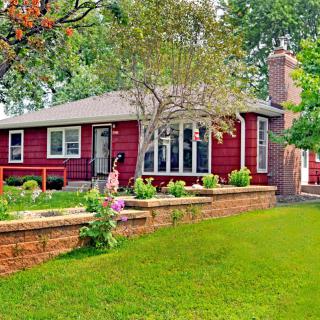
- The facility is well maintained.
- The management team communicates immaculately with the business owner.
Cons
 The knob hill road care allegedly had daily medication errors, according to the reviewer.
- The reviewer stated that the care was not trained to perform their duties, could not speak English, and could not read medications.
- The owners of Assured Care were described by the reviewer as two sisters who are impossible to deal with.
- One staff member was described as not capable of daily function.
- The reviewer claimed that the man downstairs should be back in prison.
- The reviewer alleged that the man downstairs was threatening another resident and harassing him.
- The reviewer called this the most dangerous group home in Minnesota.
Review
Assured Care in Bloomington is best suited for seniors who want a clean, well-run setting with consistently friendly staff and straightforward assistance with daily living. The community tends to appeal to families seeking dependable daytime support, clear lines of communication with ownership, and a comfortable, well-kept atmosphere rather than a high-acuity medical model. In practice, residents and families praise the warmth of caregiving teams and the visible pride the building shows in its upkeep. For those prioritizing a stable, resident-focused environment where staff approach is personal and professional, this community fits well.
On the positive side, multiple reviews highlight a great facility where care is attentive and staff are professional and friendly. The property is described as well maintained, with a calm, orderly atmosphere that supports routine and comfort. Several comments point to strong leadership and transparent communication from the owners, suggesting a governance style that values accountability and responsiveness. Taken together, these elements create a credible sense of reliability in daily operations, with care that feels personalized rather than transactional. Families with modest medical expectations but high value placed on dignity will find this environment reassuring.
However, the experience is not uniform. A notably negative account cites frequent medication errors, questions about staff training, and concerns about language barriers. The report also claims problematic behavior by a resident and challenging interactions with owners, raising concerns about safety, conflict resolution, and the overall safety climate. Although this is a single, highly critical perspective among nine, it cannot be ignored when weighing risk. The 1- and 2-star ratings underscore that a minority of residents and families have encountered serious friction. Prospective movers should treat these warnings as critical signals to verify processes before committing.
Weighting the positives against the cautions, the strongest offset lies in day-to-day reliability: a clean facility, attentive teams, and crisp communication can materially improve quality of life and reduce stress for residents and families. Yet medication safety is nonnegotiable; families should demand specifics on how prescriptions are managed, who administers medications, how MARs are reconciled, and how bilingual support is provided if needed. Tours with the care director, a review of staff-to-resident ratios, and requests to observe a medication pass can reveal whether the claimed standards are in practice. A proactive care plan with defined oversight is the best hedge against the negatives.
Alternatives may suit residents whose needs skew higher on medical oversight or who require a consistently calm safety environment free from potential conflicts. Larger communities with formal memory care or skilled oversight, or facilities with a demonstrated medication-safety track record, could reduce the risk of daily errors. If language alignment with staff is important, seek campuses known for multilingual teams or dedicated care coordinators. Before deciding, compare three or four options side by side, focusing on medication management, incident reporting, staffing stability, and the ability to tailor care plans to evolving needs. These steps turn a decision about Assured Care into a confident, evidence-based choice.
Overall, Assured Care offers a solid foundation for seniors who prize cleanliness, approachable staff, and straightforward support with daily activities, coupled with transparent leadership. The upside, careful attention to residents and a well-kept environment, registers strongly in most reviews and can deliver peace of mind for families who value reliability and warmth. The caveat is clear: ensure medication safety, training quality, and safety culture meet stringent expectations before move-in. For those realities, exploring alternatives with proven medication protocols or more consistent safety records is prudent. When due diligence is completed, this community can be a good fit or a bridge to a better-suited option.
 21 resident community capacity
 Assisted Living
 Beauty salon
 Cable or satellite TV
 Dining room
 Fully furnished
 Garden
 Housekeeping services
 Kitchenette
 Move-in coordination
 Outdoor space
 Telephone
 Wi-Fi/high-speed internet available
 Minneapolis-St Paul International (6 miles away)
 24-hour call system
 Activities of daily living assistance
 Assistance with bathing
 Assistance with dressing
 Assistance with transfers
 Diabetes diet
 Meal preparation and service
 Medication management
 Mental wellness program
 Special dietary restrictions
 Transportation arrangement (medical)
 Transportation to doctors appointments




 Assisted Living Expenses and Long-Term Care Insurance: A Comprehensive Exploration
 Securing Financial Support for Assisted Living: A Comprehensive Overview
 Social Security Benefits and Assisted Living: Navigating Options Across the U.S.