Rose Arbor & Wildflower Lodge presents an appealing range of pricing options for its accommodations, particularly when compared to both Hennepin County and the broader state of Minnesota. For instance, the monthly cost of a one-bedroom unit at Rose Arbor & Wildflower Lodge is set at $2,250, notably more affordable than the county average of $3,550 and the state average of $2,893. Similarly, two-bedroom units are priced at $2,650, again undercutting Hennepin County's rate of $3,848 and remaining competitive against the state's average. When considering semi-private and private rooms, Rose Arbor & Wildflower Lodge offers flexibility with their rates ranging from $4,500 to $6,500 for semi-private spaces - slightly above the county average but still favorable compared to local prices - and a private room rate of $7,200 that surpasses both county ($5,580) and state ($5,090) averages. Studio apartments also provide an enticing option; while priced between $8,000 and $8,100 at Rose Arbor & Wildflower Lodge, they still demonstrate significant value compared to the lower averages in both Hennepin County and Minnesota as a whole. Overall, these competitive pricing structures suggest that residents can find high-quality living arrangements at Rose Arbor & Wildflower Lodge without exceeding their budgetary expectations in comparison to neighboring areas.
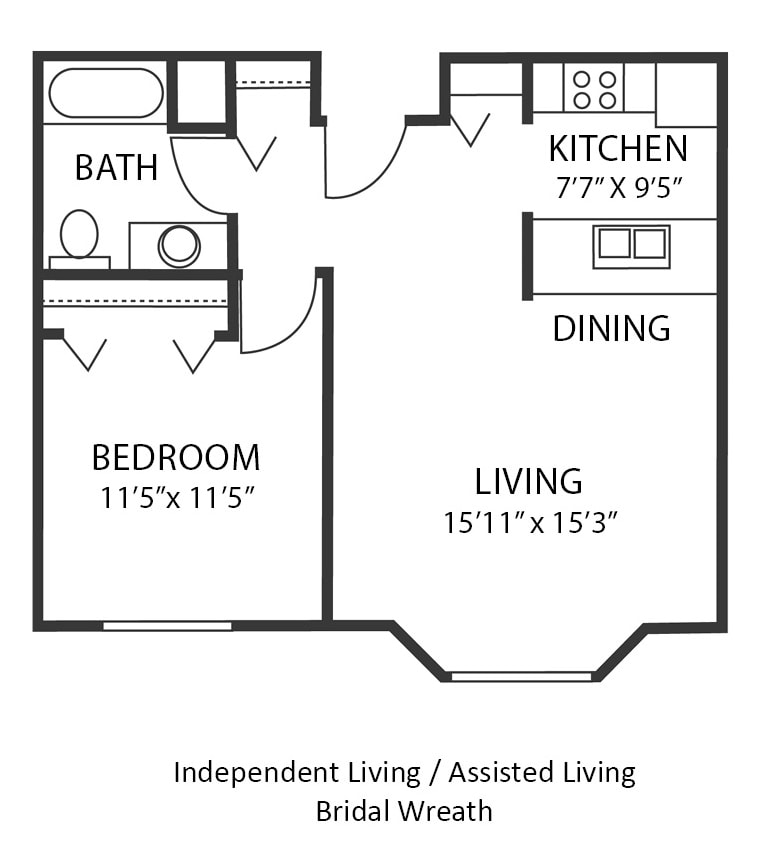
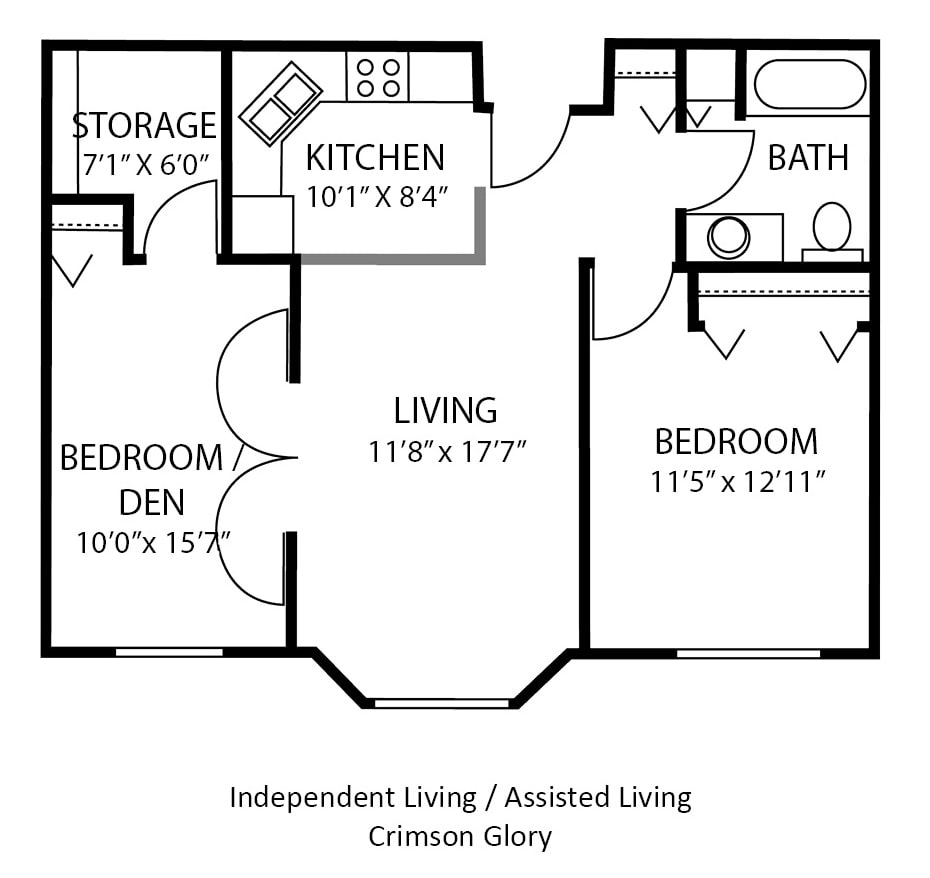
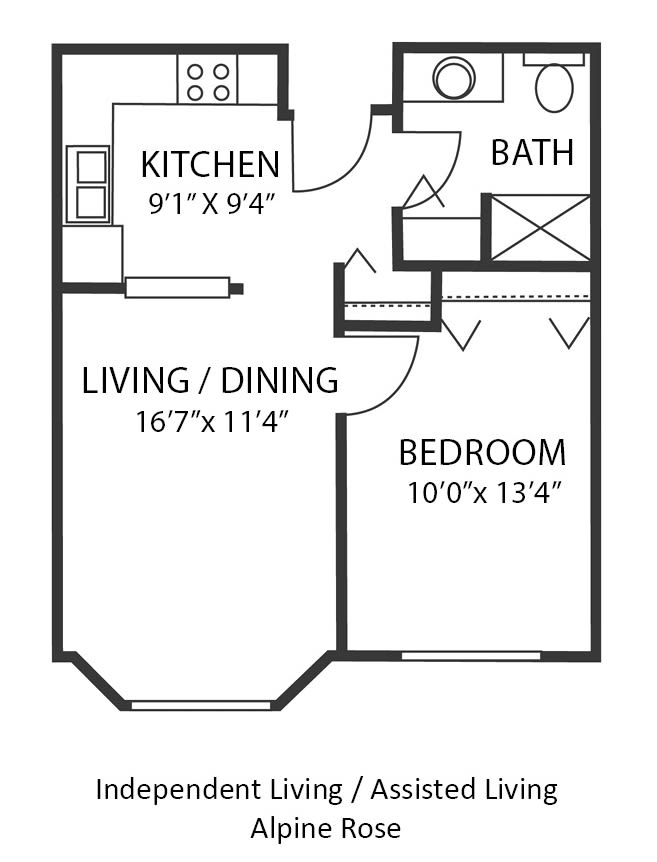
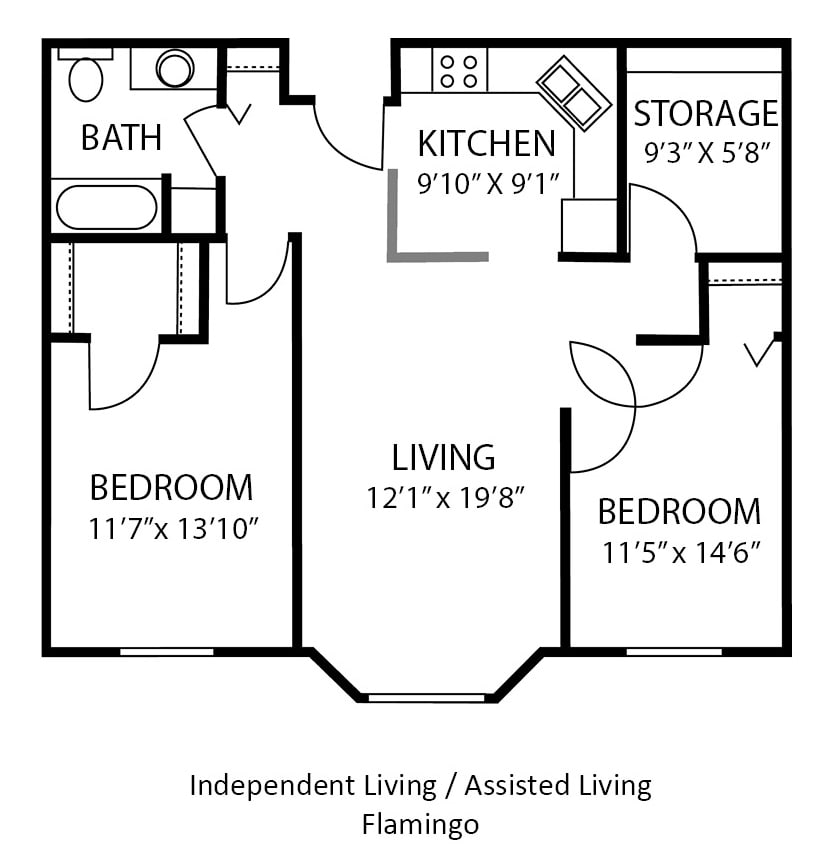
Floor plans
Rose Arbor & Wildflower Lodge
Hennepin County
Minnesota
1 Bedroom
$2,250
$3,550
$2,893
2 Bedrooms
$2,650
$3,848
$2,955
Semi-Private
$4,500 to $6,500
$4,356
$4,051
Private
$7,200
$5,580
$5,090
Studio
$8,000 to $8,100
$3,713
$3,617
Overall Review of Rose Arbor & Wildflower Lodge
common29 reviews mention this
Caregivers feel genuinely responsive
Residents describe staff who are compassionate, patient, and responsive to families.
Many reviews talk about staff members who engage with residents respectfully and follow through when questions come up. Families also describe help during transitions, communication when concerns arise, and staff who make special moments possible in the dining room or during visits. A smaller set of reviews is sharply negative about neglect, lack of communication, or care not matching expectations, including concerns about supervision in memory care.
common22 reviews mention this
Activities keep days full
The daily activity calendar is a major part of life here.
Reviews repeatedly mention scheduled activities and group events, from games and exercise to arts, gardening, book club-style gatherings, and live entertainment. Multiple families say their loved ones stayed engaged and social, and some describe opportunities to volunteer or take outings when available. A few reviews say transportation or staffing limited what outings could happen, and a couple of memory-care-focused comments describe less stimulation than expected.
common18 reviews mention this
Dining is consistently well received
Meals and the dining experience are frequently praised by residents and families.
Several reviewers describe the food as very good and the dining area as attractive and well cared for. Others mention structured meal service and the ability to accommodate special diets, including diabetes-related options, without making dining feel like an afterthought. A few reviews raise concerns about overall value or specific experiences, but the most common pattern is satisfaction with meal quality and how meals are handled.
caveat16 reviews mention this
Costs can feel high for value
Pricing comes up often, with some families saying it runs above what they wanted to pay.
Some reviews say the monthly cost was more than expected, or that they needed more clarity on what was included during the independent-to-assisted transition. Others frame the price as competitive or good for the included services, while a separate thread of negative feedback links cost complaints to refund refusals or dissatisfaction with care. Overall, reviewers view value as mixed—often tied to whether the services delivered matched their expectations.
caveat12 reviews mention this
Memory care draws mixed reviews
Reviews of the memory care experience range from positive comfort to concerns about supervision.
Some families describe the memory care area as a comfortable environment with engaging activities and daily programming. Others report problems tied to monitoring and communication, including worries about staff presence during meals, delayed or missing communication after incidents, and reduced stimulation compared with what they expected. A few reviews also mention room size differences or that the memory-care setup felt less spacious than assisted living.
How we summarize
Counts show how many written reviews mention each theme; a review can touch several themes, and only frequently mentioned themes are displayed.
Features
Housing
21 resident community capacity
1-bedroom apartments
2-bedroom apartments
Studio apartments
Types of Care
Assisted Living
Independent Living
Memory Care
Amenities
Activities off-site
Activities on-site
Air-conditioning
Beautician on-site
Beauty salon
Cable or satellite TV
Computer center
Devotional services off-site
Devotional services on-site
Dining room
Full kitchen
Fully furnished
Garden
General store
Ground floor units
Guest parking
Handicap accessible
Housekeeping services
Indoor common areas
Kitchenette
Laundry
Move-in coordination
Outdoor common areas
Outdoor space
Party space
Resident parking
Respite or short term stays offered
Security gate
Spa
TV room
Telephone
Wheelchair accessible showers
Wi-Fi/high-speed internet available
Transportation
Minneapolis-St Paul International (21 miles away)
Transportation & parking
Care Services
24-hour call system
24-hour supervision
Activities of daily living assistance
Ambulatory care
Assistance with bathing
Assistance with dressing
Assistance with transfers
Coordination with health care providers
Dementia waiver
Diabetes diet
Diabetic care
Hospice care
Hospice waiver
Incontinence care
Meal preparation and service
Medication management
Mental wellness program
Mild cognitive impairment
Personal care assistants
Physical therapy
Special dietary restrictions
Specialized memory care programming
Transportation arrangement (medical)
Transportation to doctors appointments
Dining
Diabetes diet
Guest meals
Meals provided
Room service
Special dietary restrictions
Activities
Activities off-site
Art classes
Arts and crafts
Book club
Community-sponsored activities
Cooking club
Day trips and outings
Devotional activities offsite
Devotional activities on-site
Educational speakers / life long learning
Fitness programs
Games
Gardening club
Happy hour
Karaoke
Live dance or theater performances
Live musical performances
Other religious services
Religious services
Scheduled daily activities
Stories
Wii bowling
Wine tasting
Languages Spoken
English
Nearby Places of Interest
This part of Maple Grove, Minnesota offers a convenient and diverse array of amenities for senior living. With multiple pharmacies such as Walgreens and CVS nearby, access to essential medications and healthcare services is easily attainable. Additionally, there are reputable physicians and medical facilities in close proximity, including North Memorial Gastroenterology and Fairview Maple Grove Medical Center. For leisure activities, there are several cafes like Starbucks and Caribou Coffee for socializing or relaxation. Nature enthusiasts can also enjoy various parks within a short driving distance, such as Corcoran Lions Park and French Regional Park. Lastly, places of worship like Saint Katharine Drexel Catholic Church provide spiritual support for those seeking a religious community. Overall, this area of Maple Grove offers a well-rounded environment for seniors looking to settle in a vibrant and accessible neighborhood.
Restaurants
McDonald's (0.4 miles)
Raising Cane's Chicken Fingers (1 miles)
Rock Elm Tavern (1 miles)
Mama G's (1.7 miles)
Kyoto Sushi (2.1 miles)
Lookout Bar & Grill (2.5 miles)
Arby's (2.7 miles)
Pharmacies
Walgreens (0.4 miles)
Walgreens (2.2 miles)
Walgreens (4 miles)
CVS Pharmacy (4.1 miles)
Walgreens (5.5 miles)
CVS Pharmacy (6.4 miles)
Hy-Vee Pharmacy (6.4 miles)
Physicians
North Memorial Gastroenterology (0.9 miles)
Fairview Maple Grove Medical Center (1.6 miles)
Northstar Pain Care Clinic (3.3 miles)
Partners In Pediatrics (4.5 miles)
City Centre Urgent Care (5.7 miles)
Northwest Family Physicians (5.7 miles)
Suburban Radiologists (6.5 miles)
Cafes
Starbucks (2.5 miles)
Caribou Coffee (6.4 miles)
Caribou Coffee (7.1 miles)
Caribou Coffee (9.2 miles)
Parks
Corcoran Lions Park (2.9 miles)
Plymouth Dog Park (4.3 miles)
Pennisula Park (6.8 miles)
Churchill Farms Residents' Park (7.4 miles)
French Regional Park (7.5 miles)
Pinebrook Park (7.9 miles)
Parkers Lake Park (8.7 miles)
Hospitals
Plymouth Surgery Center (6.7 miles)
Anoka Metro Regional Treatment Center (8.4 miles)
Places of Worship
Saint Katharine Drexel Catholic Church (7.8 miles)
Rose Arbor & Wildflower Lodge presents an appealing range of pricing options for its accommodations, particularly when compared to both Hennepin County and the broader state of Minnesota. For instance, the monthly cost of a one-bedroom unit at Rose Arbor & Wildflower Lodge is set at $2,250, notably more affordable than the county average of $3,550 and the state average of $2,893. Similarly, two-bedroom units are priced at $2,650, again undercutting Hennepin County's rate of $3,848 and remaining competitive against the state's average. When considering semi-private and private rooms, Rose Arbor & Wildflower Lodge offers flexibility with their rates ranging from $4,500 to $6,500 for semi-private spaces - slightly above the county average but still favorable compared to local prices - and a private room rate of $7,200 that surpasses both county ($5,580) and state ($5,090) averages. Studio apartments also provide an enticing option; while priced between $8,000 and $8,100 at Rose Arbor & Wildflower Lodge, they still demonstrate significant value compared to the lower averages in both Hennepin County and Minnesota as a whole. Overall, these competitive pricing structures suggest that residents can find high-quality living arrangements at Rose Arbor & Wildflower Lodge without exceeding their budgetary expectations in comparison to neighboring areas.
The comprehensive features at Rose Arbor & Wildflower Lodge are designed to create a nurturing environment that addresses the unique needs of residents with dementia or Alzheimer's disease. With 24-hour supervision, staff are always available to ensure safety and provide immediate support. Assistance with activities of daily living, such as bathing, dressing, and transfers, promotes dignity while helping residents maintain their personal hygiene and mobility. Coordination with healthcare providers and medication management ensures that medical needs are effectively met, which is crucial for cognitive health. The specialized memory care programming caters specifically to individuals with dementia, incorporating strategies that enhance cognitive function and emotional well-being. Additionally, the mental wellness program and physical therapy offer tailored activities aimed at promoting engagement and improving the overall quality of life. Meal preparation and service meet dietary requirements while also providing social interaction during meals, reinforcing a sense of community. Incontinence care supports comfort and dignity, while transportation arrangements facilitate access to medical appointments when needed. Together, these features foster an environment where residents can thrive despite their cognitive challenges.
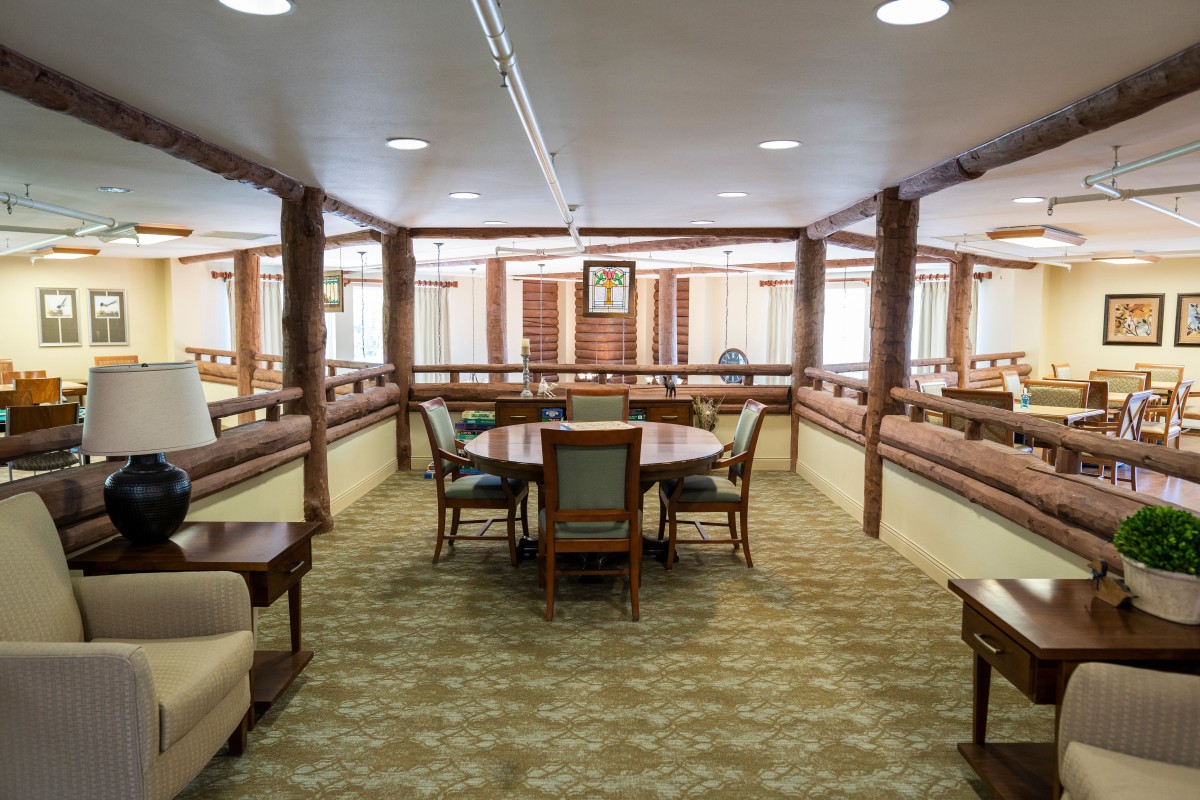
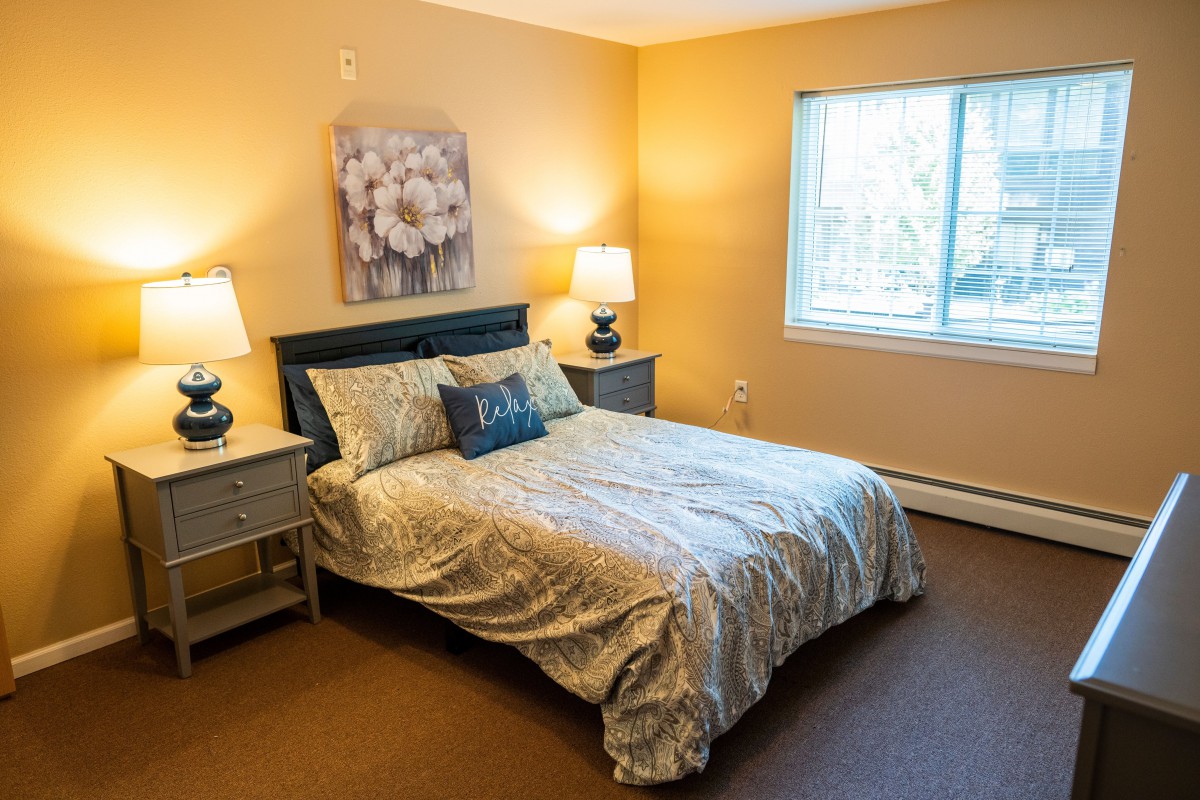
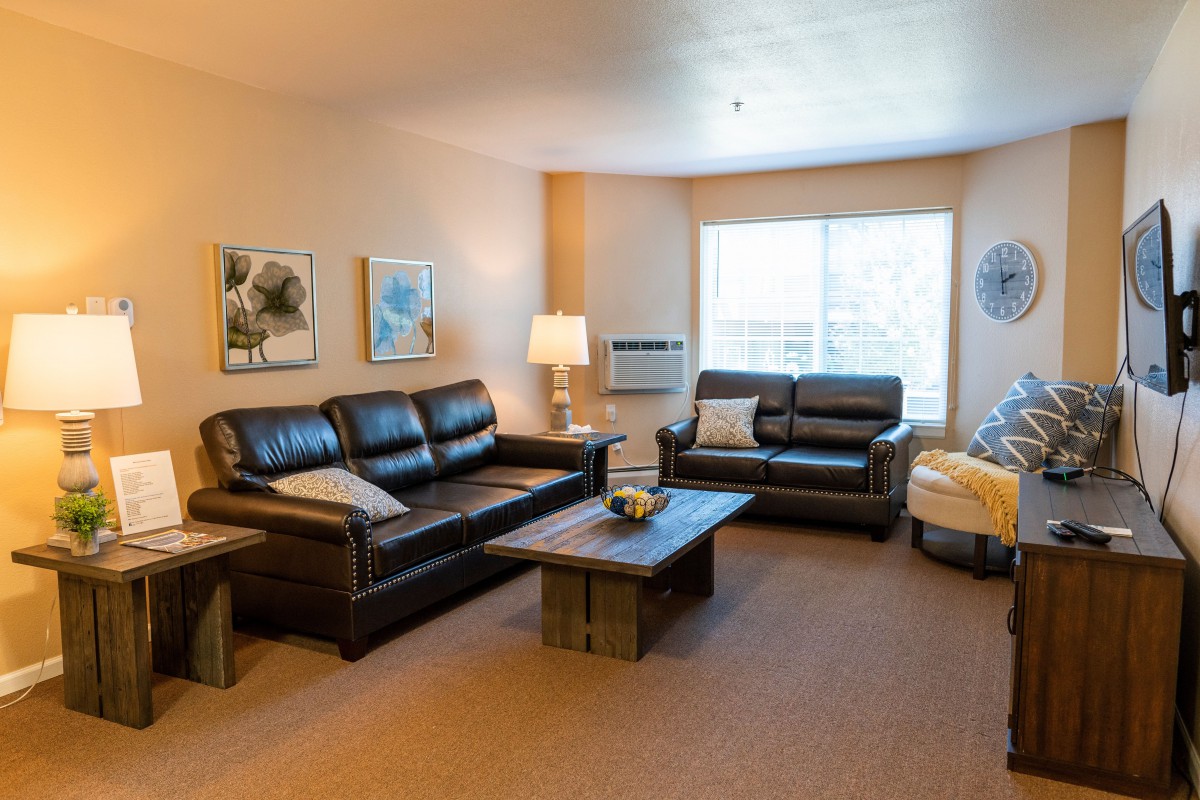
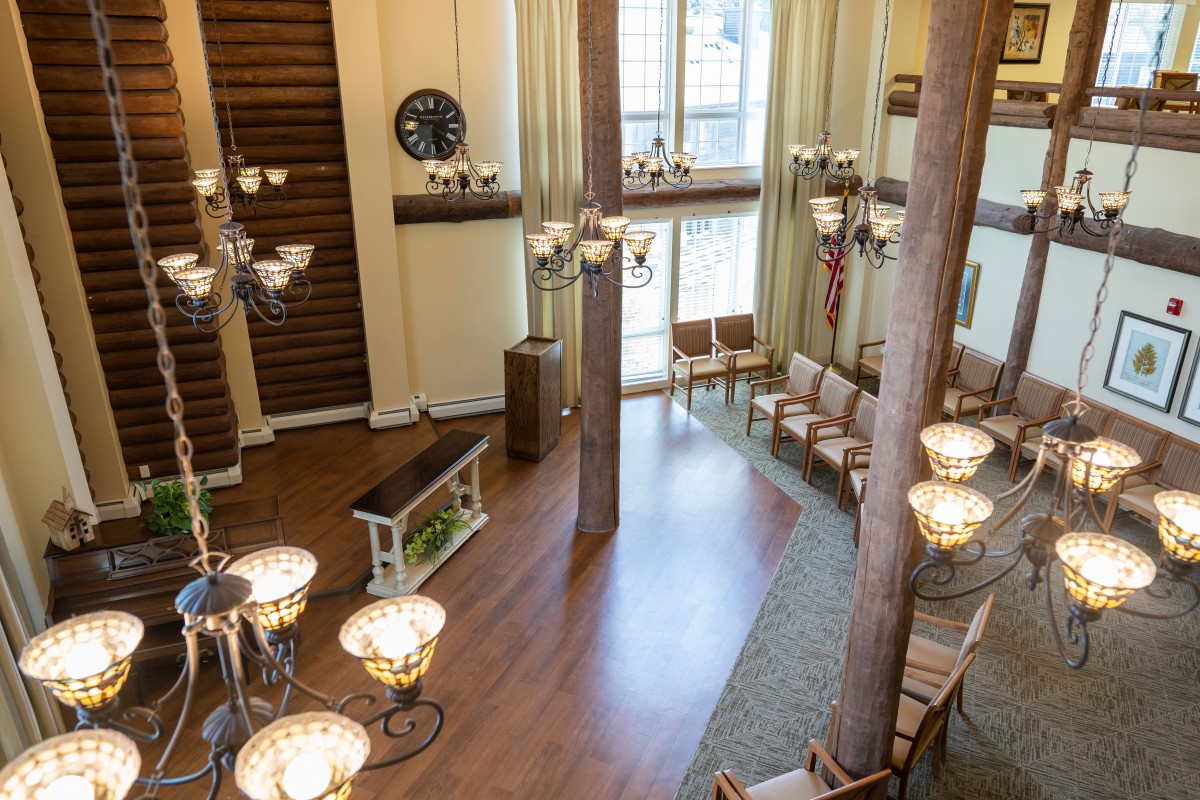
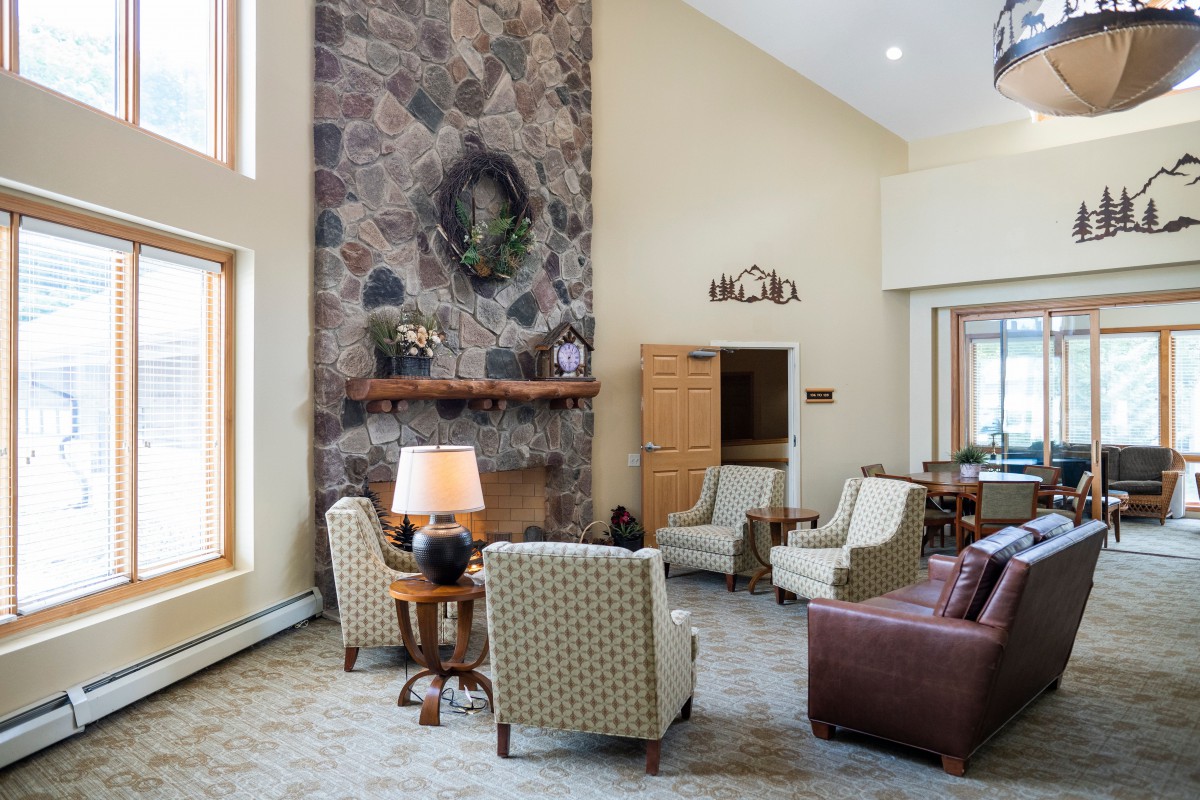
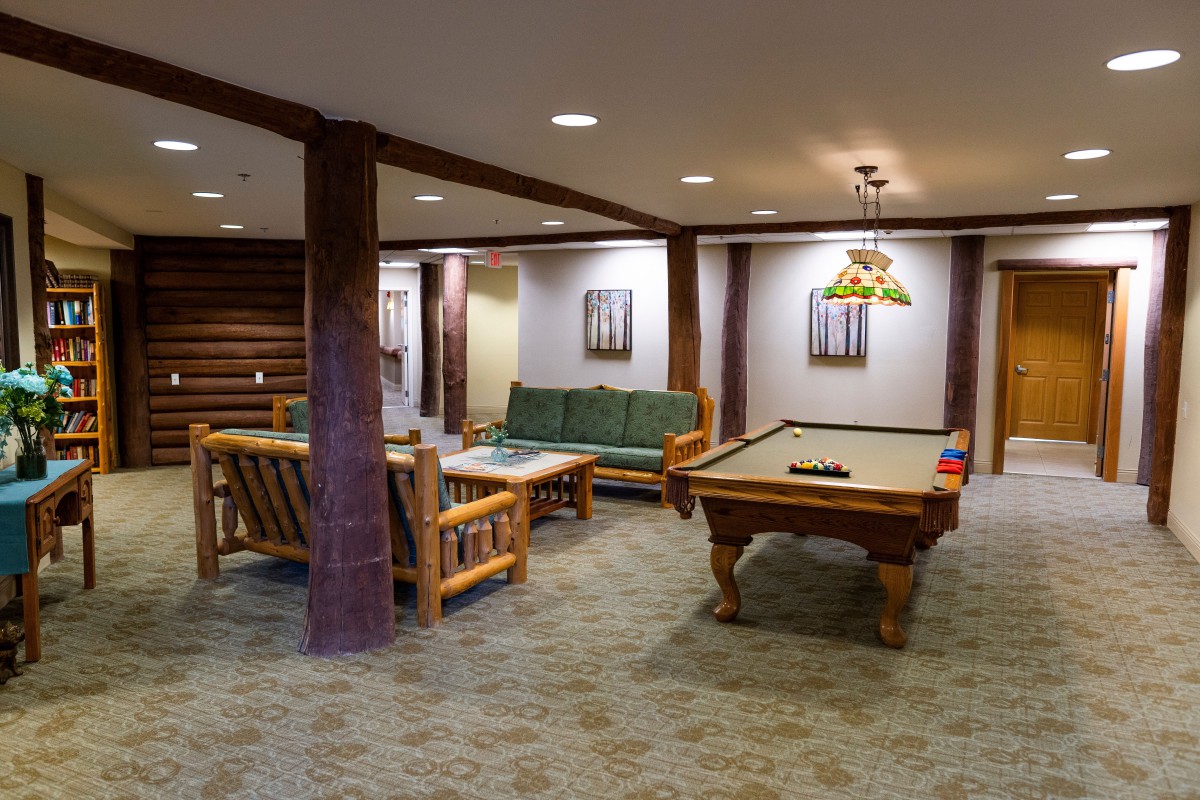
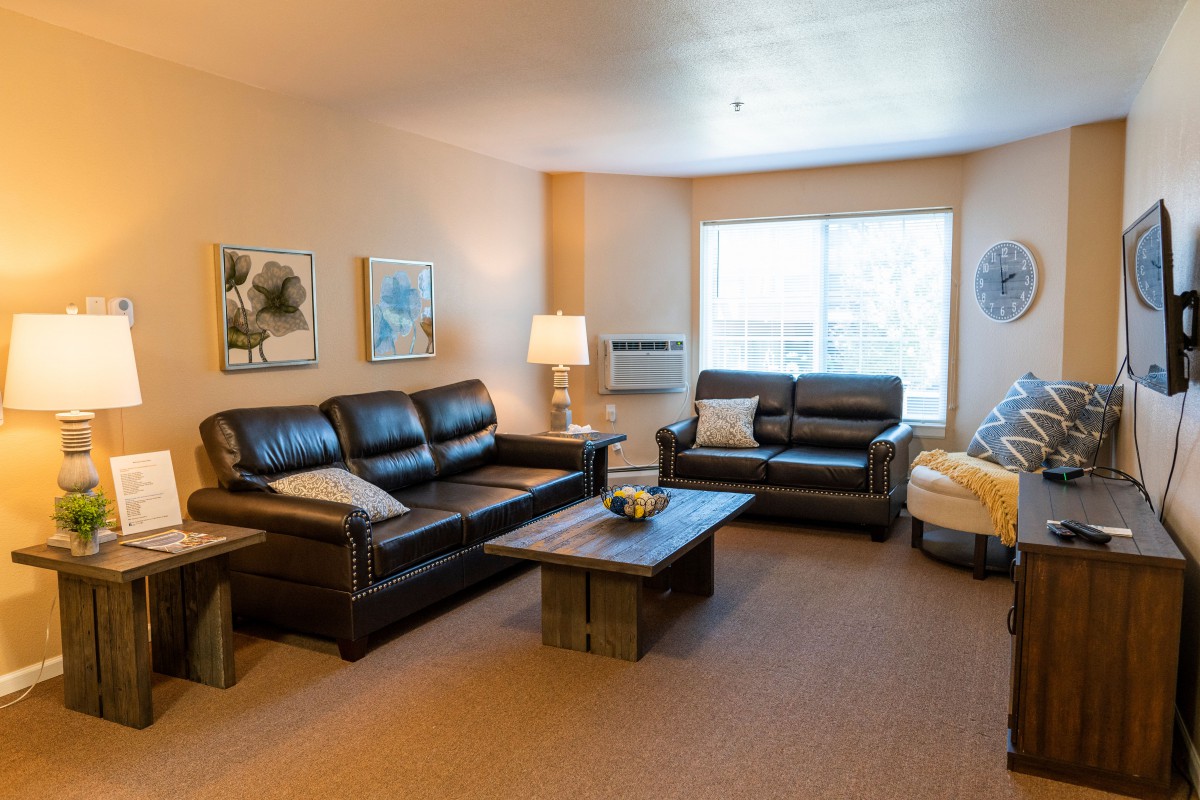
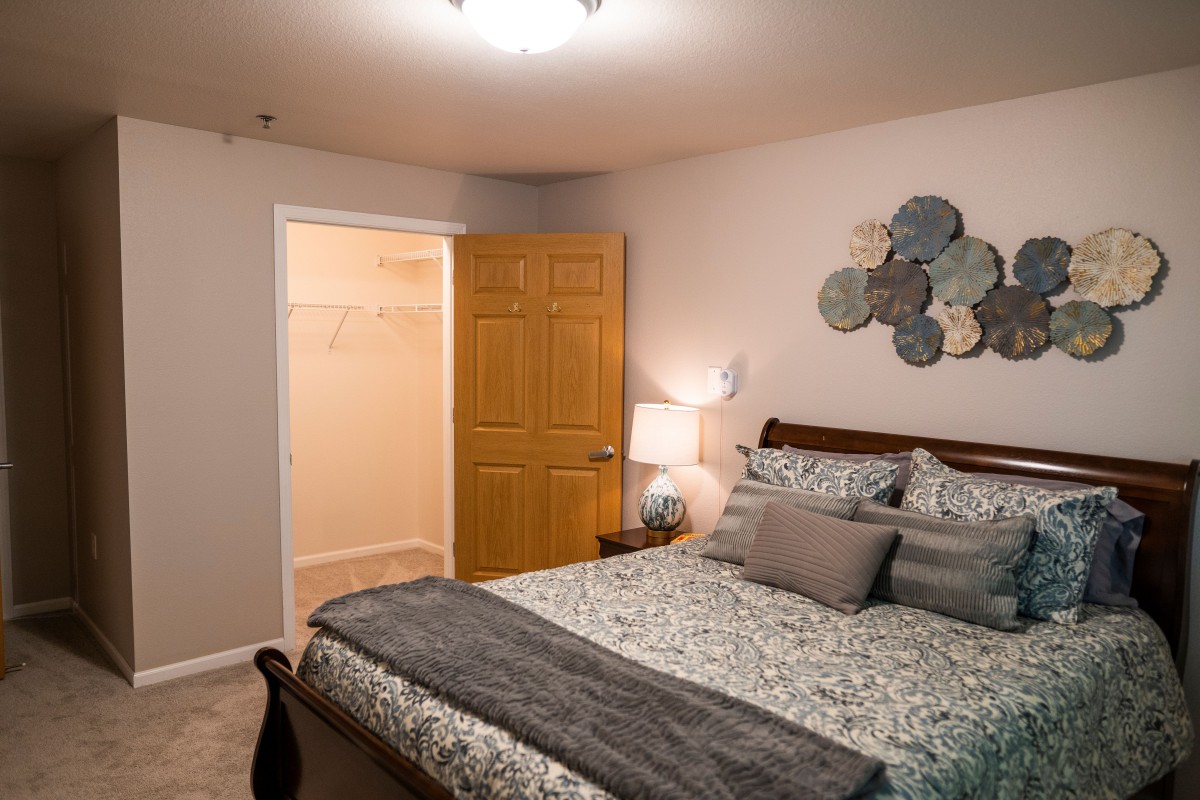
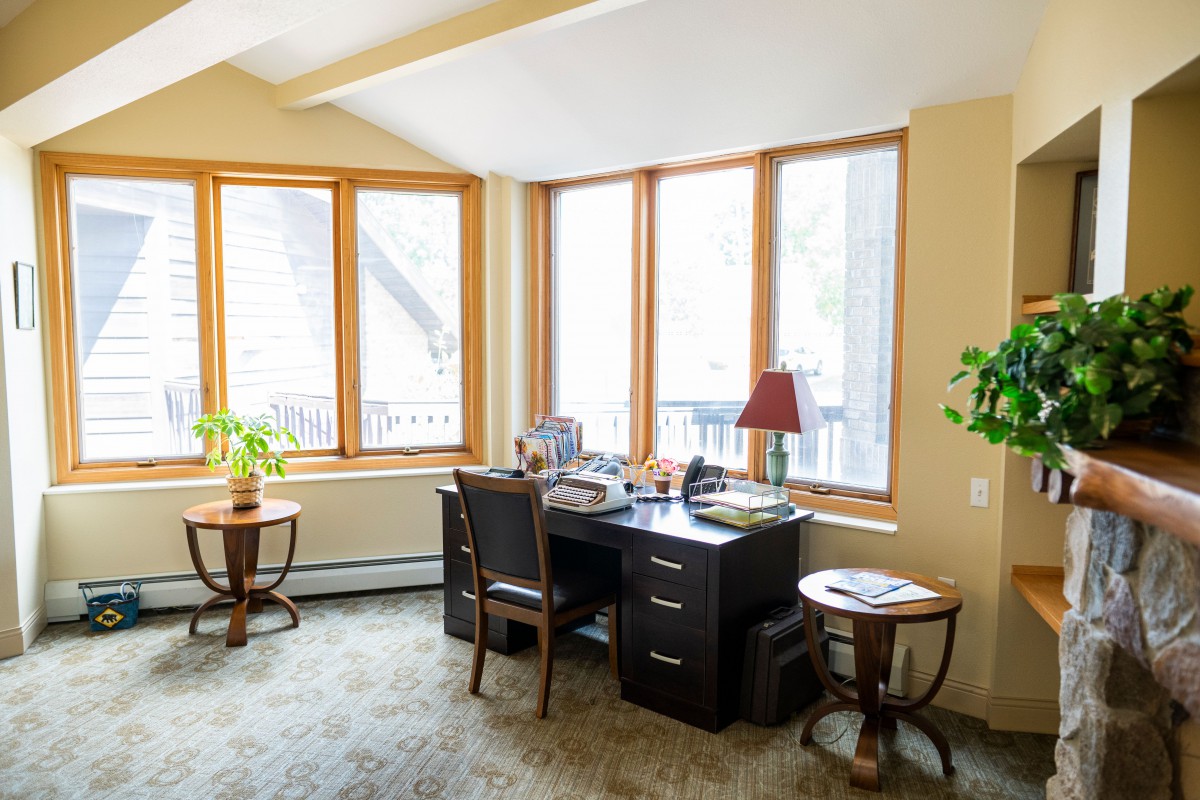
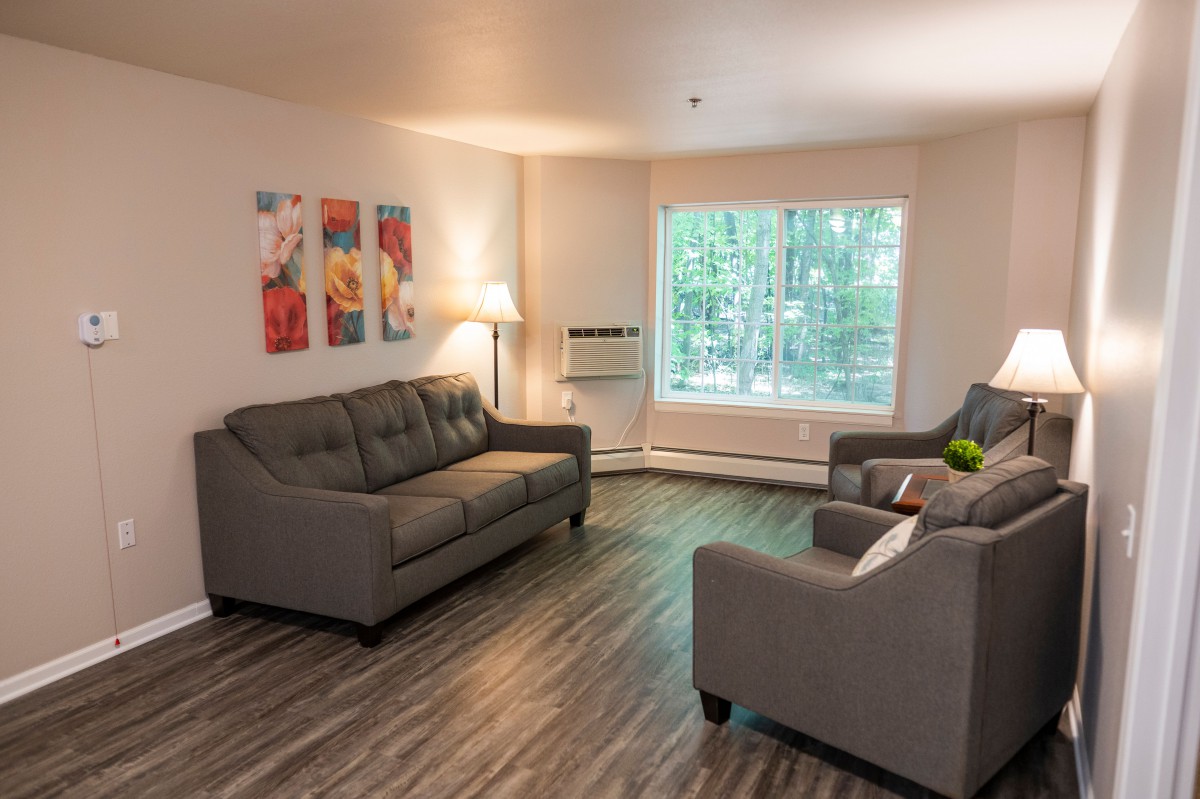
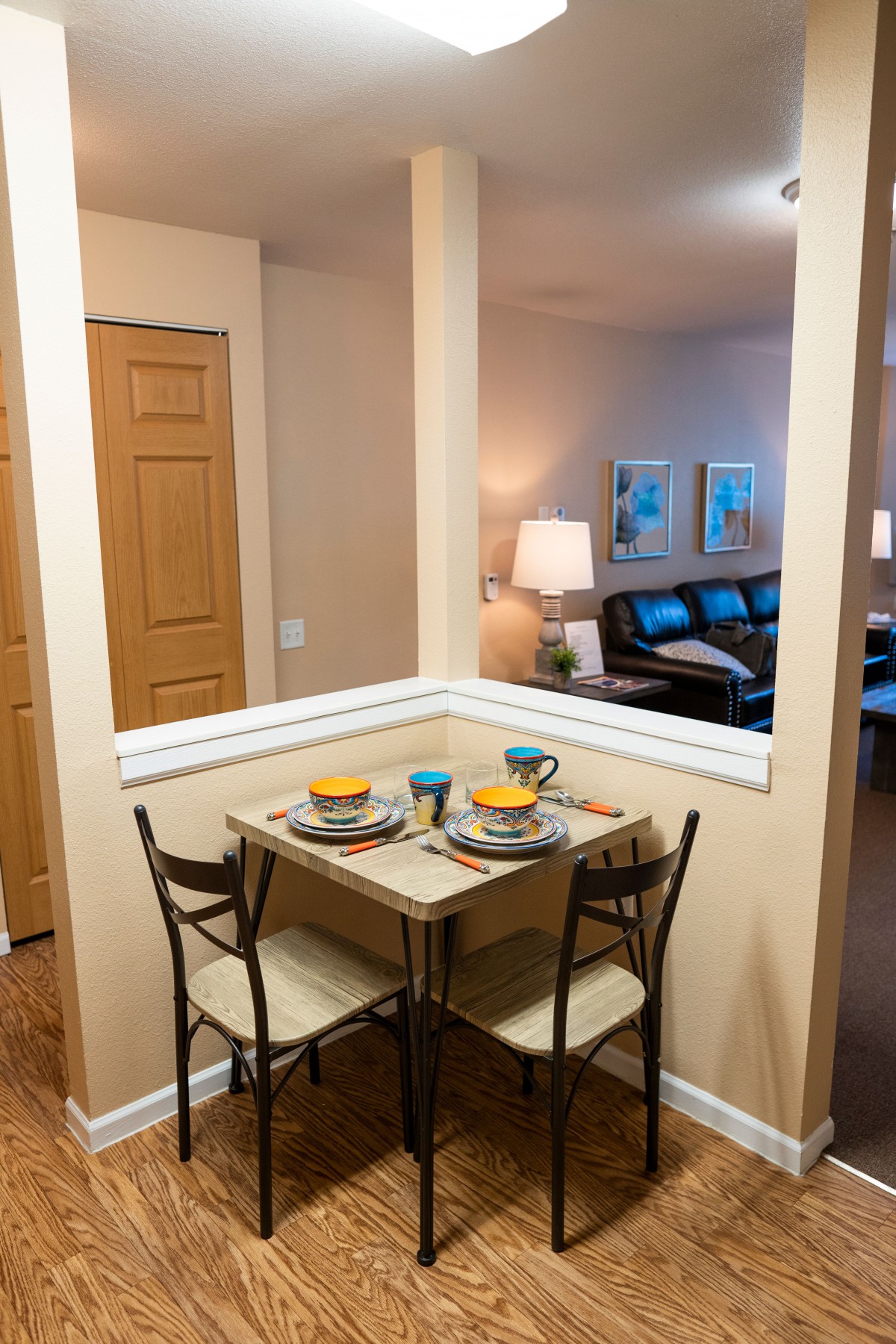
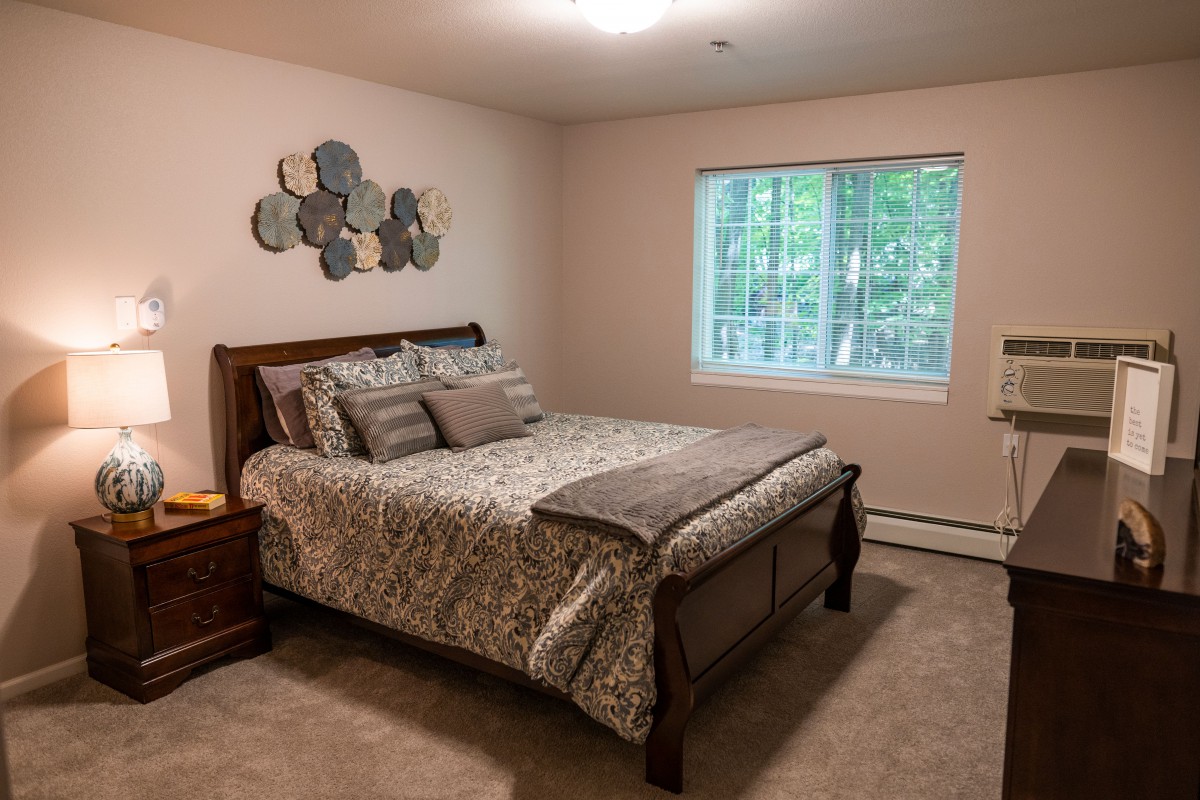
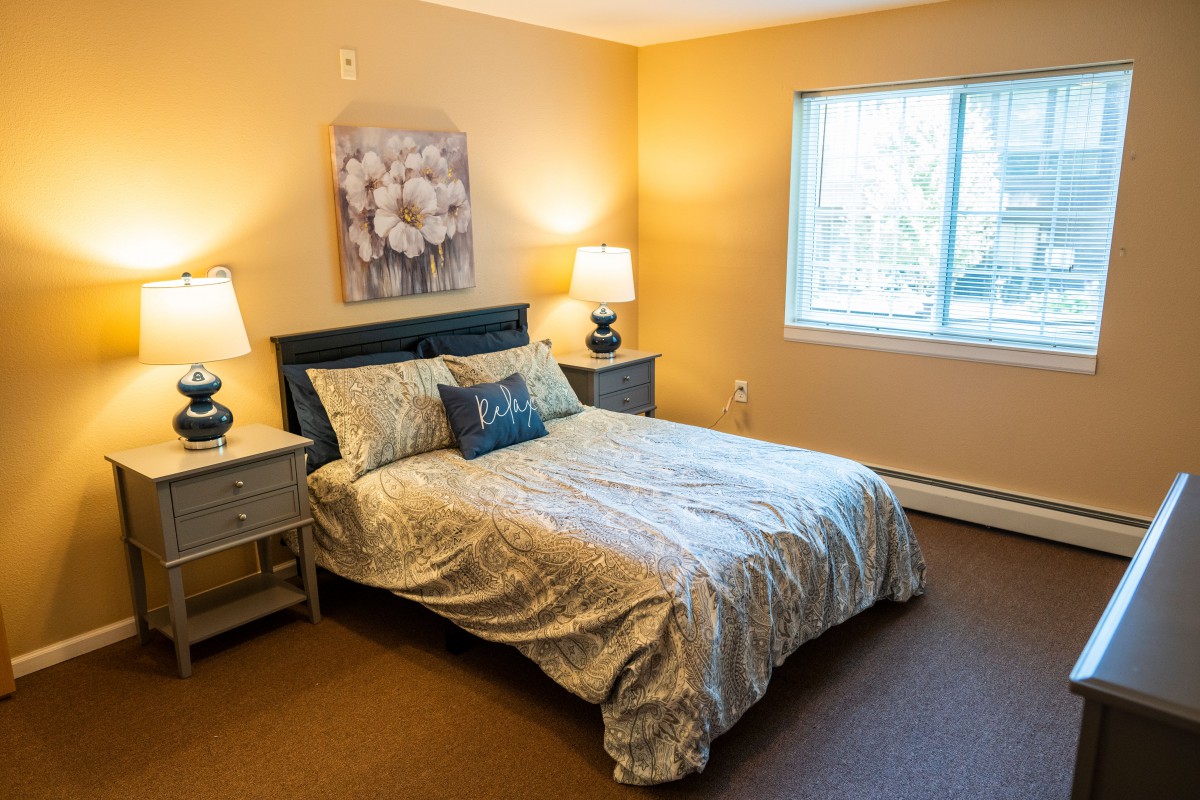
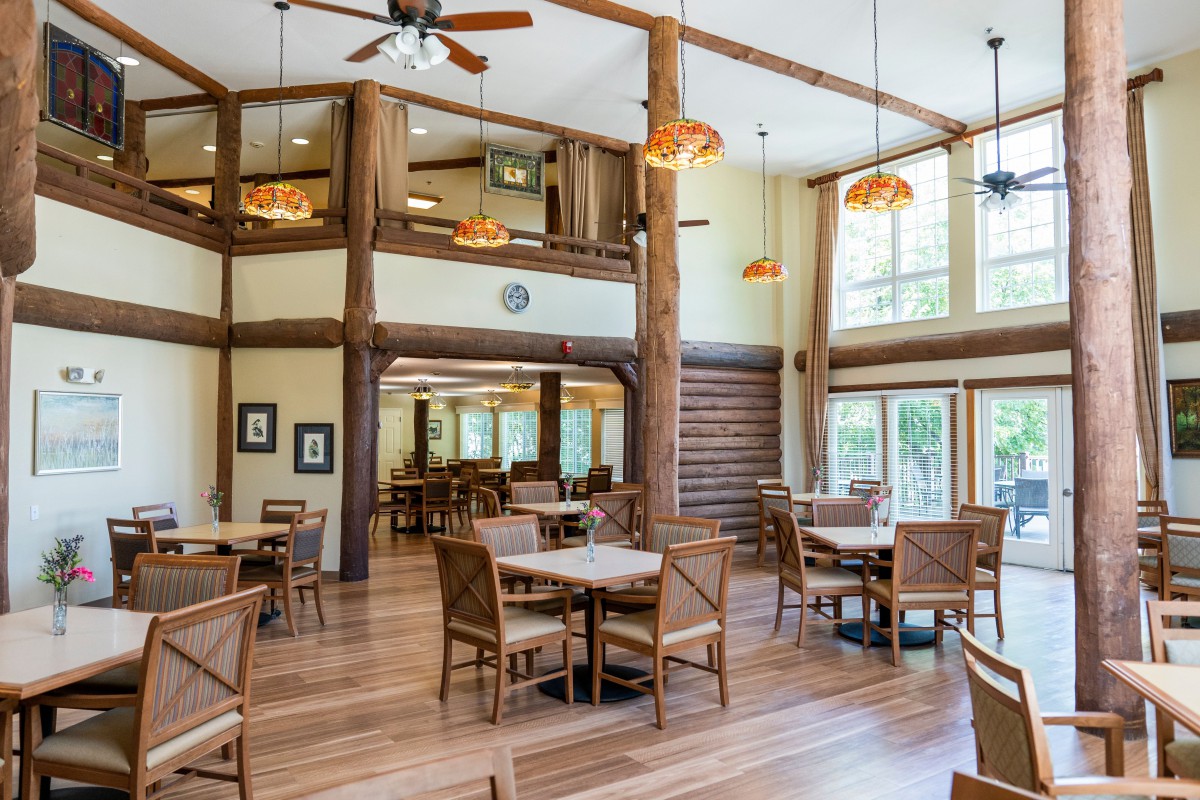
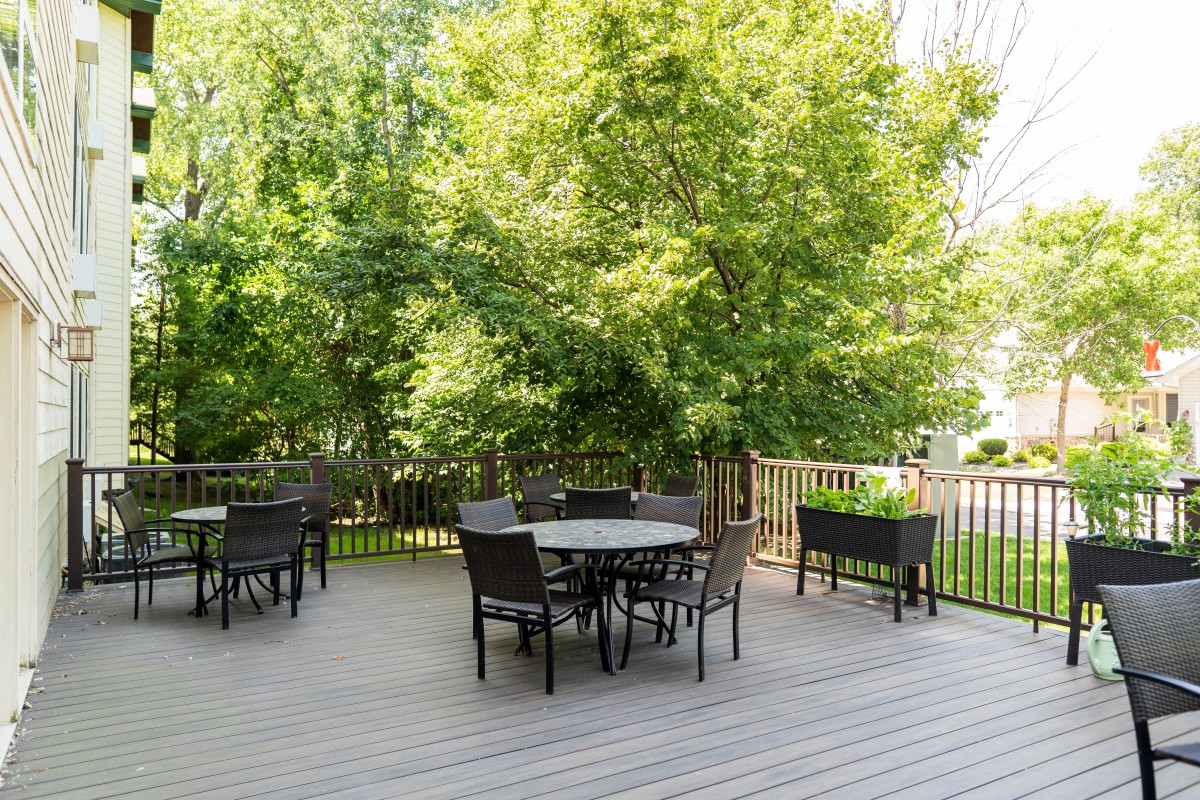
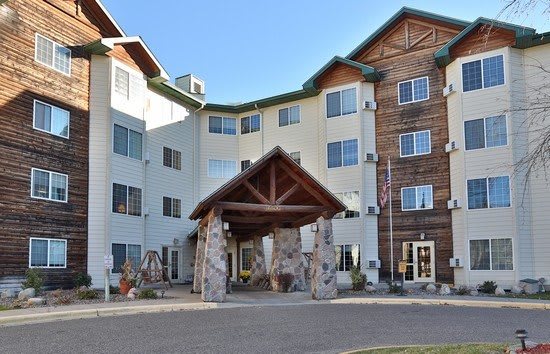
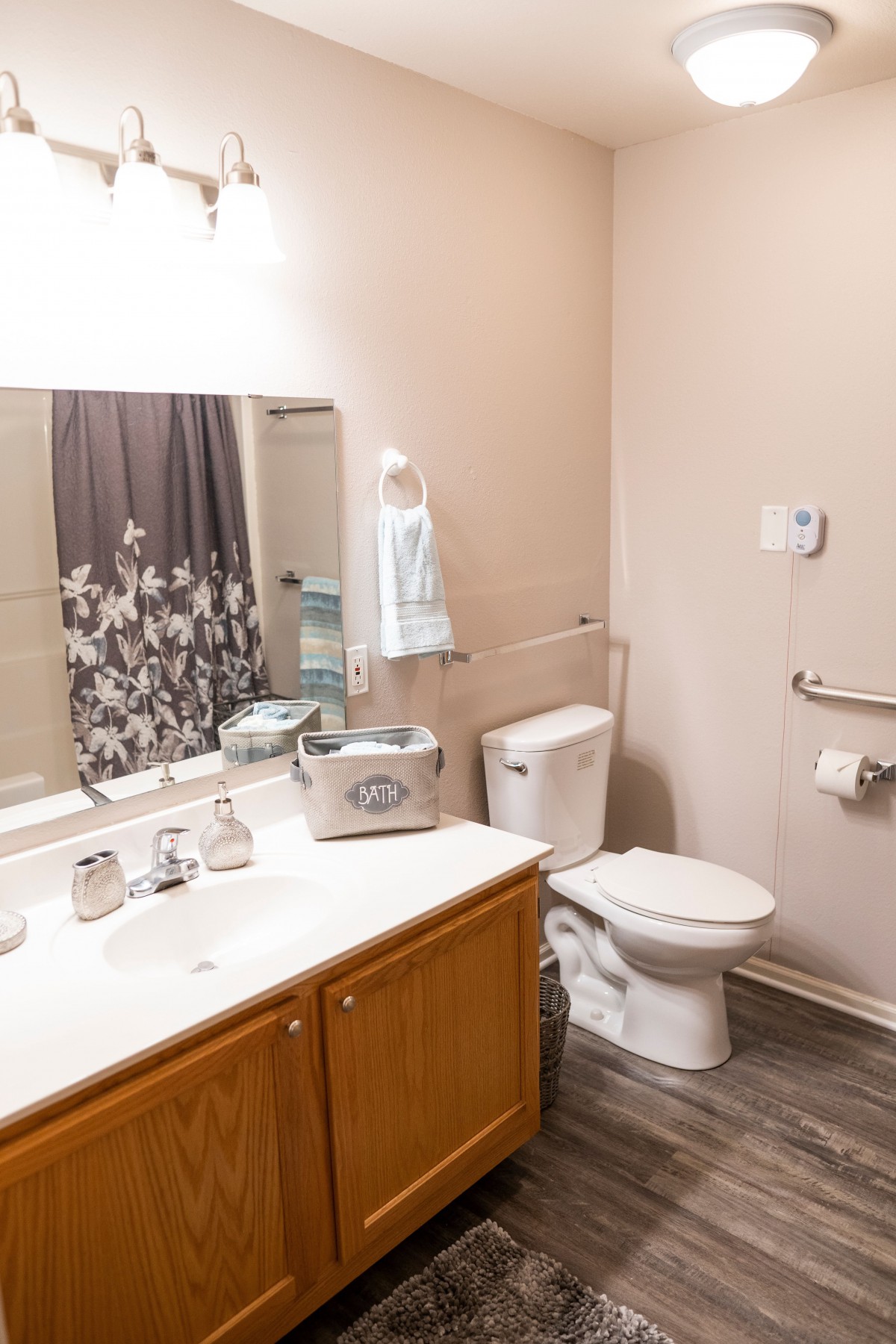
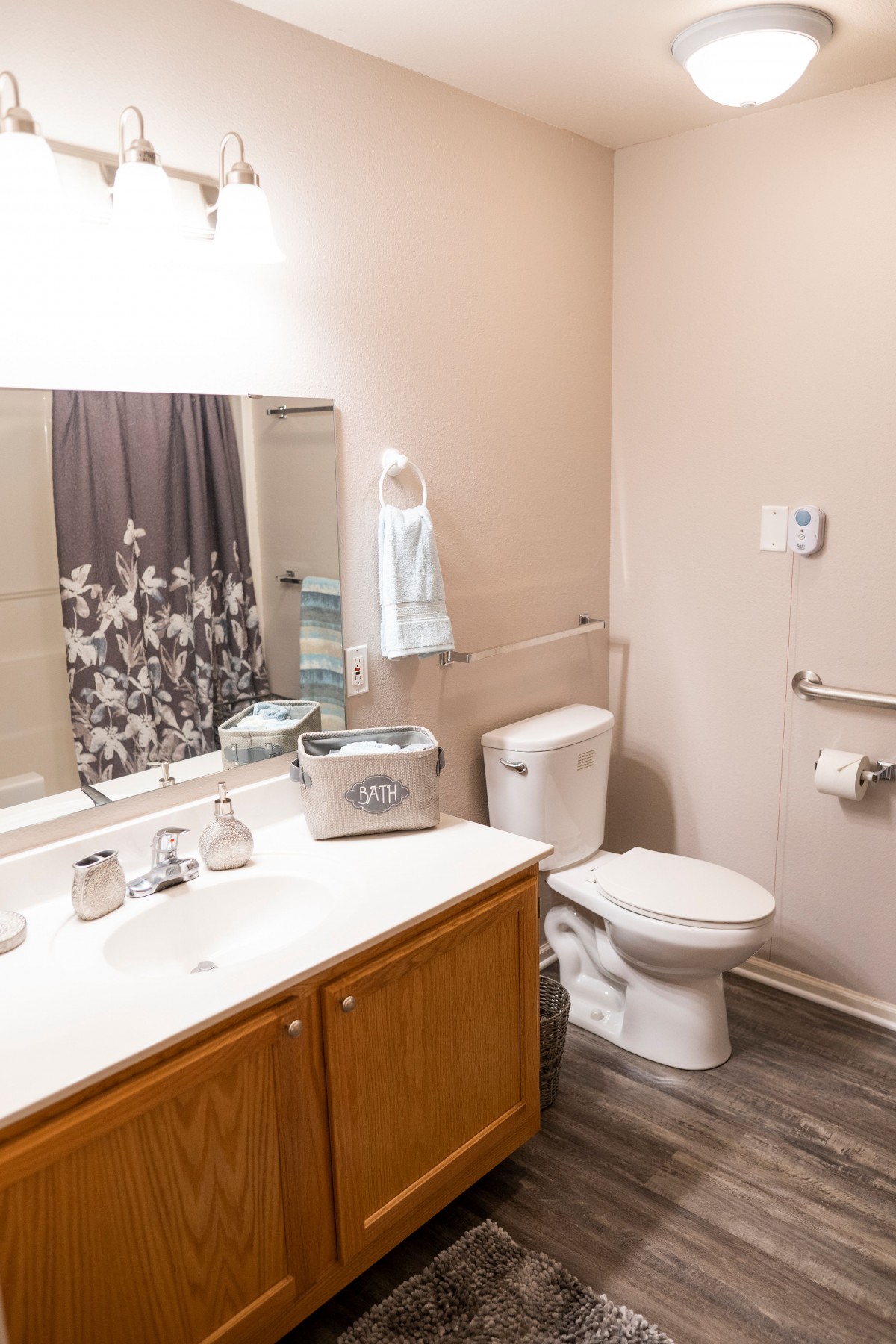
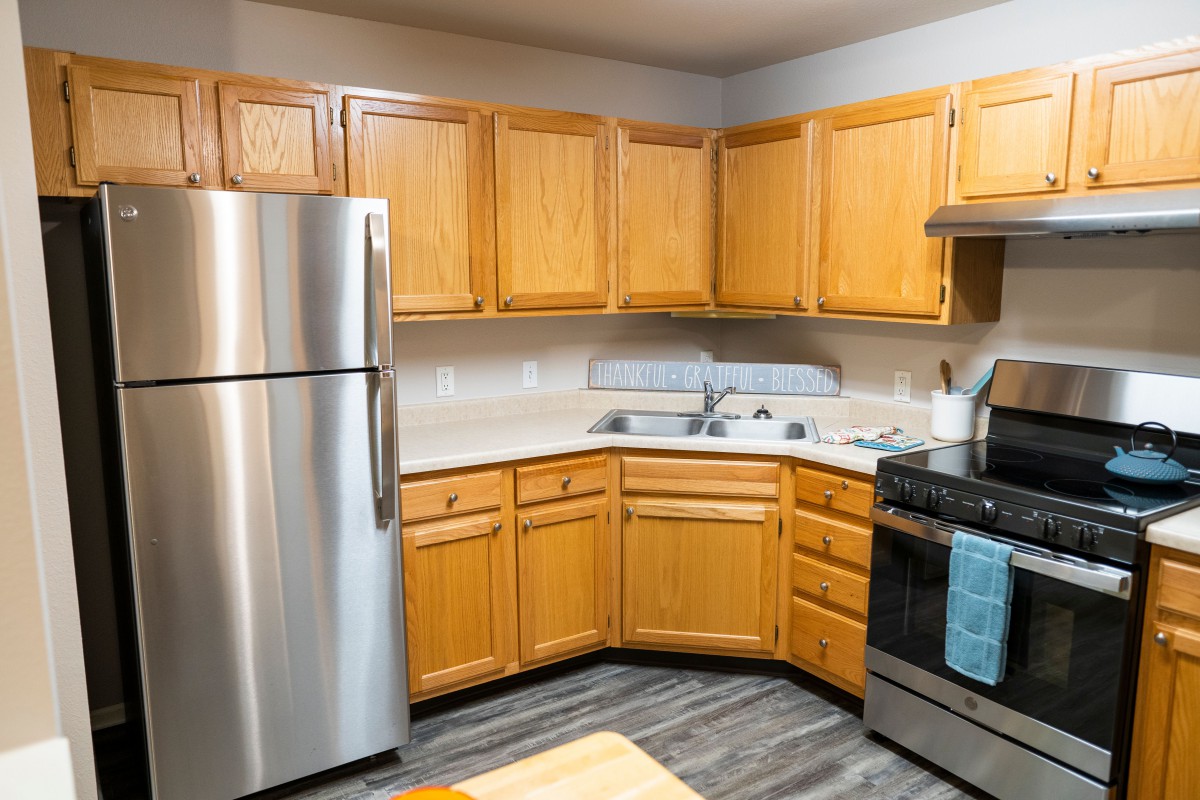
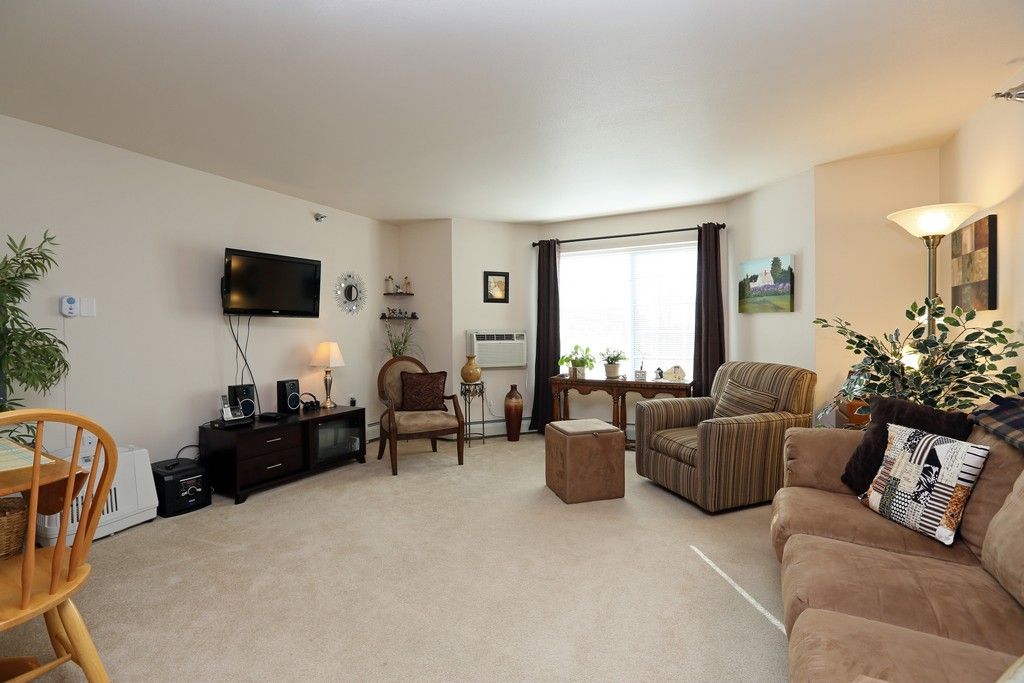
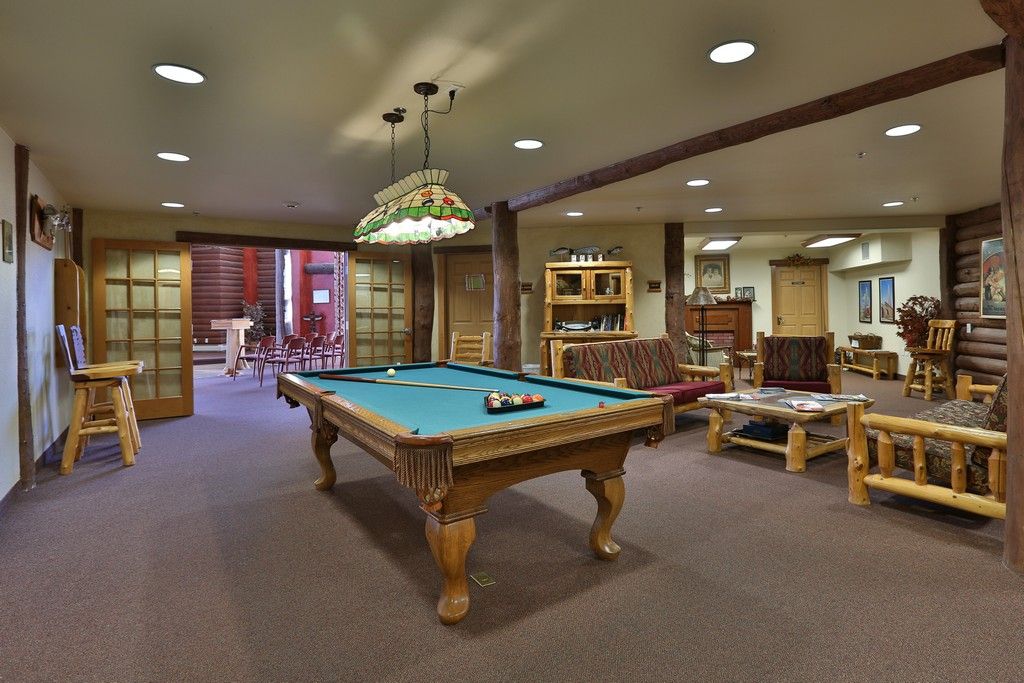
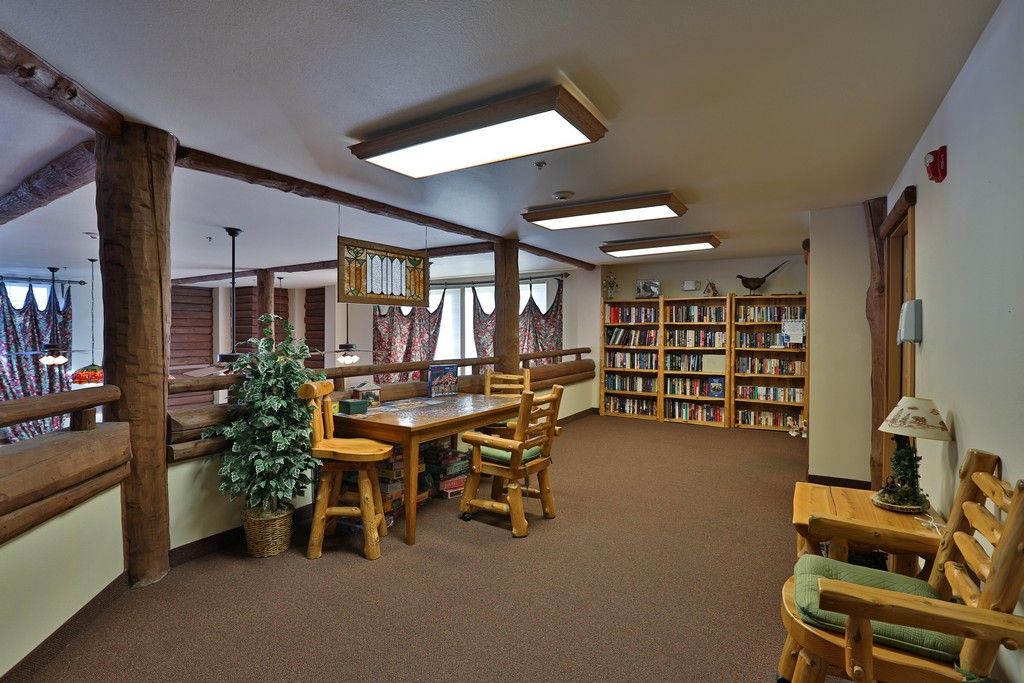
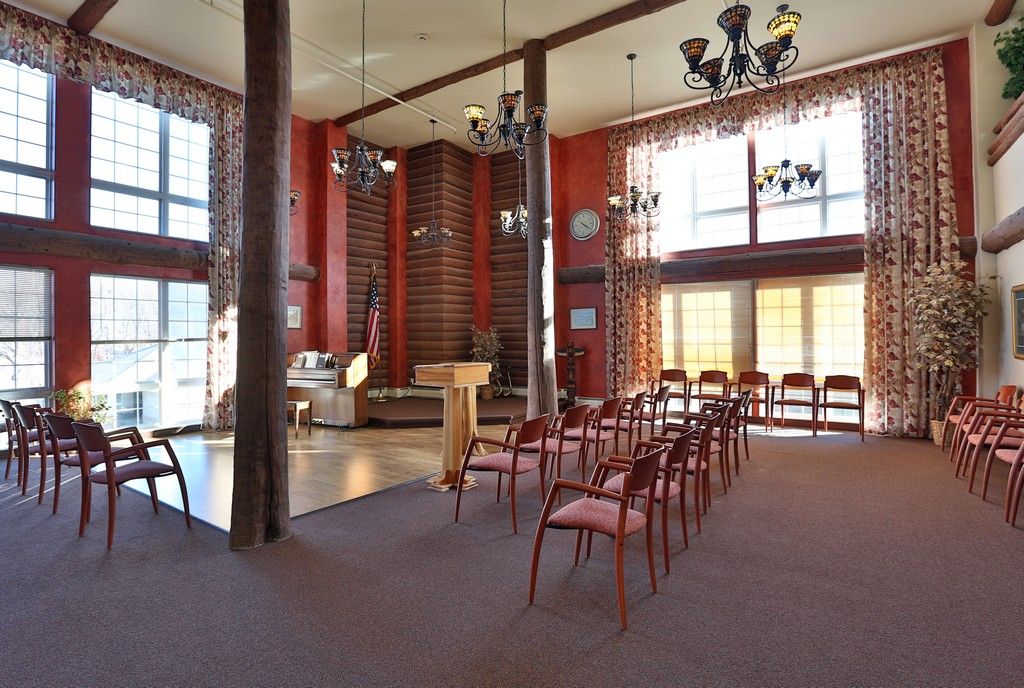
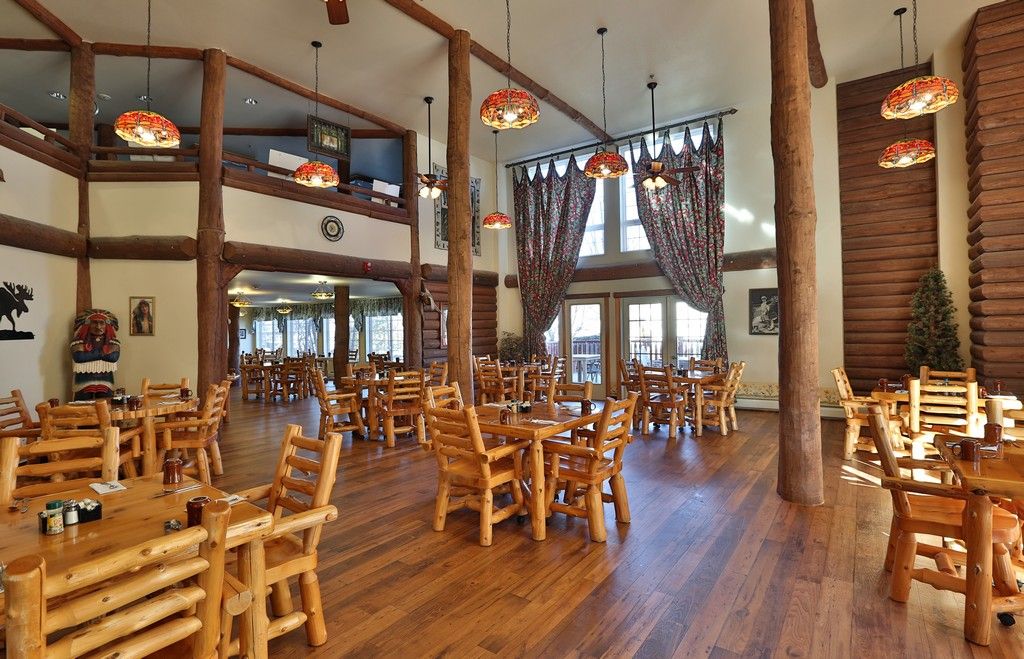
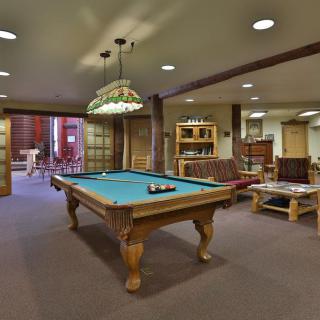
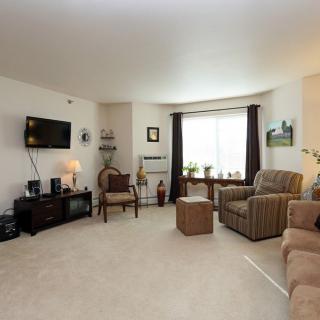
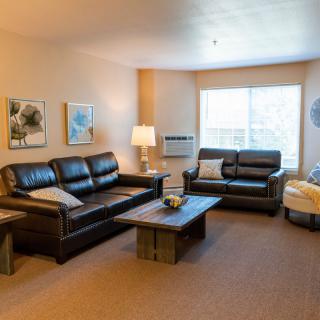
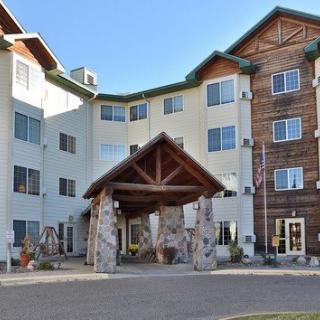
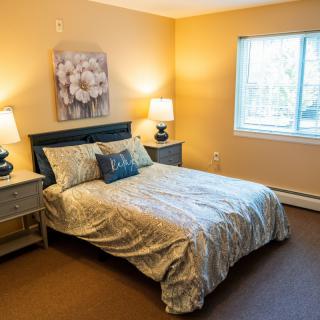
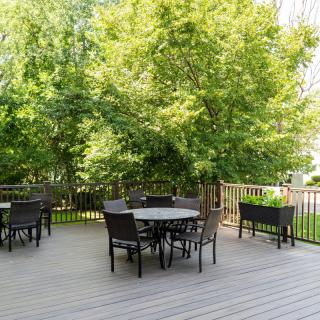
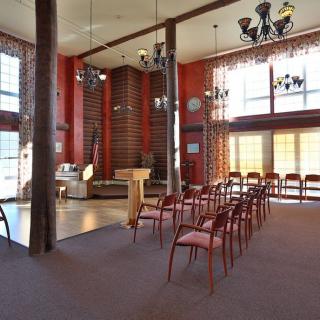
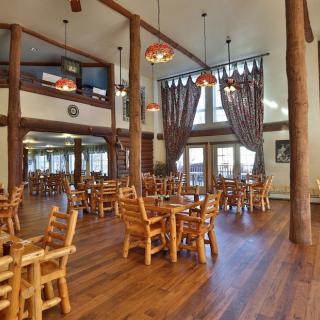
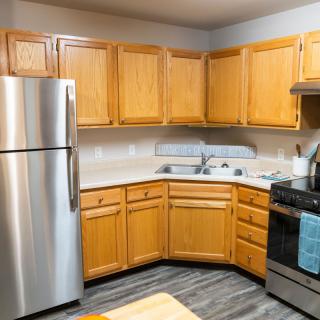
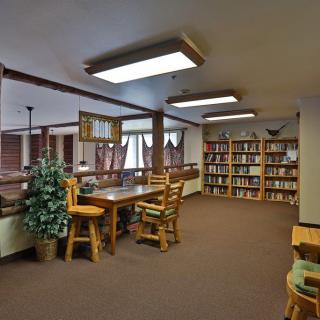
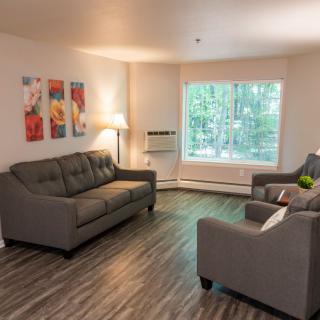
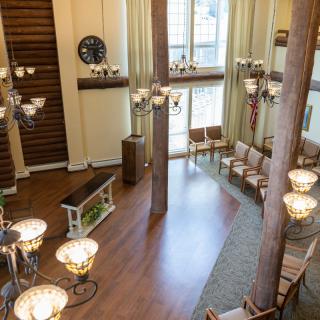
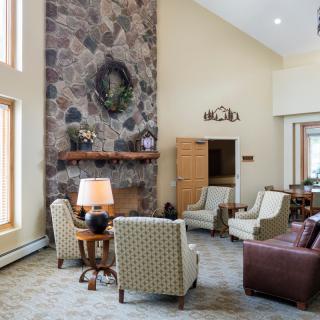
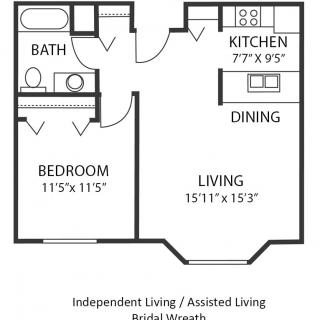
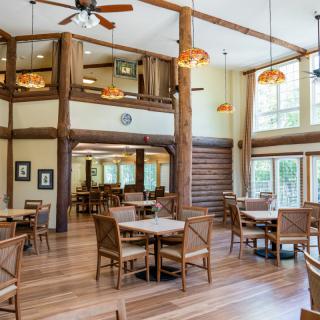
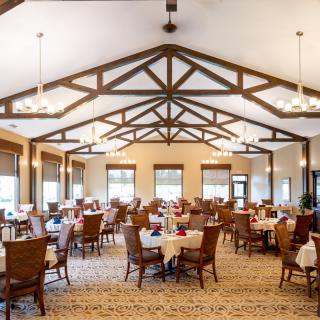
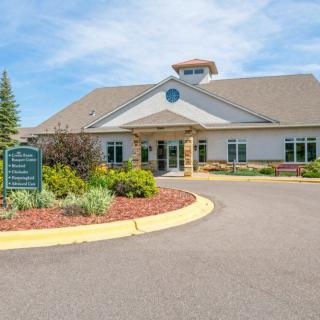
Rose Arbor & Wildflower Lodge on seniors.fyi includes 29 photos including images showing interior, windows, bedroom, floor plan, bathroom, living room, decor, dining, and more.
Nearby Communities
CSL Rose Arbor
Maple Grove, MN
3.8 from 60 reviews
Specialized memory care with 24/7 supervision and personalized ADL support, plus comprehensive amenities and dementia-focused programming.
Amberly Garden of Chapelwood
Maple Grove, MN
4.6 from 38 reviews
$595 to $995 / month
Very competitive pricing (studios from $595, 1-bed $750, 2-bed $995).
Solace Health Services
Maple Grove, MN
Fully furnished apartments with restaurant-style dining, 24/7 care, and wellness programs.
Nagomi
Maple Grove, MN
Intimate setting with personalized care and comprehensive services (24/7 supervision, ADL assistance, medication management, meals, transportation, diabetes diet).
The Beatitudes Homes III
Maple Grove, MN
5 from 1 review
Small, personalized setting with comprehensive care and ample amenities.
Global Alliance Home Health Care
Maple Grove, MN
4 from 6 reviews
24/7 supervision with ADL support and restaurant-style dining in furnished accommodations.
Silvercreek On Main
Maple Grove, MN
4.5 from 112 reviews
Friendly staff, a welcoming environment, and a wide range of on-site amenities supporting an active lifestyle.
The Wellstead Of Rogers And Diamondcrest Senior Living
Rogers, MN
3.9 from 105 reviews
Okalee of Medina
Medina, MN
4.3 from 46 reviews
$1,695 to $2,615 / month
Warm, attentive staff and a strong sense of community.
Alzheimer’s disease is a progressive neurological disorder that significantly impacts memory and cognitive functions, accounting for 60-80% of dementia cases, with early diagnosis being crucial yet challenging. It involves brain changes like beta-amyloid plaques and tau tangles, influenced by genetic and lifestyle factors, and while there is no cure, symptom management and support for caregivers are essential.
Dementia, influenced by aging and certain medications, may be exacerbated by drug classes such as anticholinergics, benzodiazepines, and antipsychotics, which are associated with cognitive impairment. Regular medication reviews by healthcare professionals are crucial for older adults to manage risks and optimize cognitive health.
Dementia often results in disrupted sleep patterns, leading to excessive daytime sleeping due to factors like brain damage affecting circadian rhythms, medication side effects, and lack of structure in daily activities. Caregivers must monitor these changes closely, as oversleeping can increase risks such as malnutrition or dehydration, and provide necessary support and routines to enhance patient engagement and well-being.
Get PricingAsk A QuestionSchedule A TourContact Senior Advisor
By clicking submit, you agree to our Partner's Terms of Use. You
also consent to receive calls and texts, which may be autodialed, from our Partner. Your consent is not a condition to
using our Partner's service. Please visit our Partner's Privacy Policy for information about their privacy practices.



 21 resident community capacity
 1-bedroom apartments
 Assisted Living
 Independent Living
 Memory Care
 Activities off-site
 Air-conditioning
 Beautician on-site
 Cable or satellite TV
 Computer center
 Devotional services off-site
 Dining room
 Full kitchen
 Fully furnished
 Garden
 General store
 Ground floor units
 Guest parking
 Handicap accessible
 Housekeeping services
 Indoor common areas
 Laundry
 Move-in coordination
 Outdoor common areas
 Party space
 Respite or short term stays offered
 Security gate
 Spa
Spa Telephone
 Wheelchair accessible showers
 Wi-Fi/high-speed internet available
 Minneapolis-St Paul International (21 miles away)
 Transportation & parking
 24-hour call system
 Ambulatory care
 Assistance with bathing
 Assistance with dressing
 Assistance with transfers
 Diabetes diet
 Diabetic care
 Hospice care
 Incontinence care
 Meal preparation and service
 Medication management
 Mental wellness program
 Physical therapy
 Special dietary restrictions
 Transportation arrangement (medical)
 Art classes
 Book club
 Cooking club
 Day trips and outings
 Educational speakers / life long learning
 Fitness programs
 Games
Games Happy hour
 Karaoke
 Live dance or theater performances
 Live musical performances
 Wii bowling
 Wine tasting
 English
 Specialized memory care with 24/7 supervision and personalized ADL support, plus comprehensive amenities and dementia-focused programming.

 Illuminating Insights About Alzheimer's Disease: Ten Crucial Realities
 A Thorough Discussion of Medications Potentially Linked to Dementia Risk
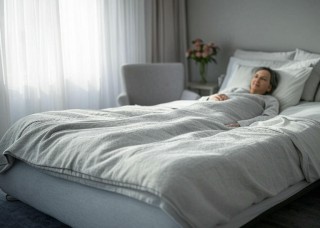 Why Do Dementia Patients Sleep So Much? Understanding Oversleeping, Stages, and Care Approaches