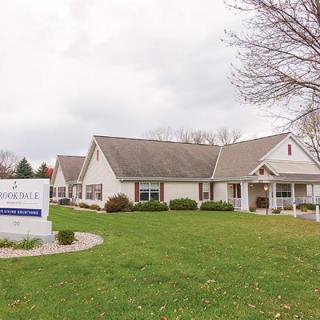
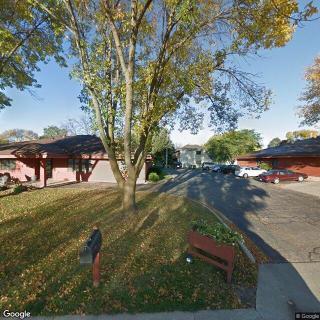
Southern Minnesota Homecare in Mankato, MN

1215 Caledonia Street, Mankato, MN 56001

For more information about senior living options: (844) 490-3973

3 from 2 reviews
Assisted Living

Southern Minnesota Homecare Costs & Pricing

Southern Minnesota Homecare offers a compelling value proposition for those seeking private room accommodations, with a monthly cost of $3,100. This rate stands in stark contrast to the higher costs associated with similar services in Nicollet County, which averages $5,285, and across the state of Minnesota, where the average is approximately $5,090. The significant savings provided by Southern Minnesota Homecare not only make it an attractive option for individuals and families looking for quality home care but also reflect a commitment to affordability without compromising on service quality.

Floor plansSouthern Minnesota HomecareNicollet CountyMinnesota
Private$3,100$5,285$5,090

Overall Review of Southern Minnesota Homecare

Pros

  • pro The PCA from Southern Minnesota Home Care is absolutely wonderful.
  • pro The reviewer describes the PCA as absolutely wonderful.
  • pro The presence of a wonderful PCA is noted as a positive aspect of the care.

Cons

  • pro The reviewer notes that aside from one PCA who is wonderful, the overall experience has been awful.
  • pro The director is alleged to have failed to fulfill hours and to bail on the job, leaving the family as the backup plan with no advance notice.
  • pro Care did not start for 4.5 weeks after arrival, and communication was described as awful.
  • pro The records allegedly show that care was not provided by the agency during the 4.5 weeks, including weekends, and nurse visits were violated.
  • pro If the family is out of town, the father may lie in bed until someone can come to help, or staff may arrive late.
  • pro The reviewer is baffled how the agency is still in business.

Review

This agency is best suited for families that can actively coordinate and supplement in-home care, particularly when a highly capable single caregiver can be scheduled consistently. When the standout PCA is available, the care experience can be deeply attentive and capable, offering the kind of hands-on support that truly moves a client forward. But this favorable scenario hinges on reliable staffing and solid administrative follow-through, which are not consistently present. For families that need a predictable, fully supervised schedule with timely communication and guaranteed hours, alternatives should be seriously considered.

The strongest asset in this operation is an exemplary PCA who can deliver compassionate, competent daily care. That caregiver demonstrates what high-quality home support looks like in practice, with the potential to keep a client comfortable, safe, and engaged. The concern, however, is that this is not a guaranteed feature of the service. The overall experience is overshadowed by systemic issues that make relying on that one positive example risky. In short, one excellent caregiver does not compensate for the absence of reliable scheduling, proactive management, and steady communication.

The most troubling drawbacks are procedural and persistent. Care was requested weeks before a move, yet start of service stretched to 4.5 weeks after arrival, with communication that lagged and clarity that was lacking. The directing leadership is described as failing to fulfill committed hours, effectively leaving families to shoulder the shortfall and to scramble for backup coverage. When families are out of town, the client can be left in bed waiting for a response or for a late-arriving staff member. Records allegedly show no care during the critical initial period, and weekend coverage appears inconsistent, with nurse visits not met as required. These patterns place a client at real risk for gaps in essential daily support and for unmet clinical oversight.

In weighing the pros against the cons, the presence of a quality PCA helps, but it does not meaningfully offset the broader reliability problems. A single caregiver cannot sustain consistent, safe care when the agency struggles with staffing, scheduling, and communication. The prospect of a dependable routine hinges on a robust administrative framework - something that appears unreliable here. Families cannot rely on predictable hours, timely updates, or guaranteed weekend coverage, which undermines safety, continuity, and peace of mind. In practical terms, the positive care delivered by a lone caregiver is a valuable asset only if the agency can consistently deliver the same level of service across all days and times.

Those facing a decision should seriously consider alternatives if dependable, well-structured care is a priority. Look for providers with a clear commitment to scheduling integrity, proactive communication, and a dedicated care coordinator or manager who can ensure that hours are kept, visits are documented, and any gaps are filled promptly. For families who anticipate complex needs or require frequent nursing oversight, an option with stronger nurse-to-patient engagement and a track record of weekend coverage may be more appropriate. If this route is pursued, insist on written guarantees around start dates, shift coverage, and escalation processes for missed visits.

Practical next steps include requesting a formal care plan with assigned shifts, a named supervisor for day-to-day decisions, and a detailed start-date timeline with milestones. Check caregiver qualifications, verify that nurse visits are scheduled and documented, and seek recent references that specifically address responsiveness and reliability over time, not just the presence of a capable individual. Watch for red flags: recurrent start delays, unreturned calls, unfulfilled hours, and vague or evasive explanations from leadership. If those signals appear, pivot quickly to a provider with verified scheduling discipline, transparent communication, and a track record of consistent, person-centered care.

Features

Housing

  • 21 resident community capacity 21 resident community capacity

Types of Care

  • Assisted Living Assisted LivingAssisted living facilities provide crucial support and care for seniors who may need help with daily tasks such as medication management, bathing, and meal preparation. These communities offer a safe and comfortable environment where seniors can maintain their independence while receiving the assistance they need to thrive in their golden years.

Amenities

  • Beauty salon Beauty salonBeauty salons are important for seniors because they provide a space for them to feel pampered, socialize, and maintain their personal grooming and hygiene. Regular visits to a beauty salon can help boost seniors' self-esteem and overall well-being.
  • Cable or satellite TV Cable or satellite TVCable or satellite TV is important for seniors because it provides entertainment, news, and companionship, helping to combat loneliness and boredom. It also offers a wide range of programming options tailored to different interests and preferences.
  • Dining room Dining roomDining rooms are important for seniors as they provide a space for socialization, connection, and nutritious meals. They offer opportunities for residents to bond over shared meals, foster a sense of community, and promote healthy eating habits. Dining rooms also ensure that seniors have access to well-balanced meals tailored to their dietary needs and preferences.
  • Fully furnished Fully furnishedFully furnished senior living communities are important for seniors because they provide convenience, comfort, and a hassle-free moving experience. Seniors can easily settle into their new living space without the stress of having to buy and move furniture. This allows them to focus on enjoying their new home and community.
  • Garden GardenGardens are important for seniors as they provide a peaceful and therapeutic environment for relaxation, physical activity, and socialization. Being in nature has been shown to reduce stress, improve mood, and promote overall well-being. Gardens also offer opportunities for seniors to engage in gardening activities, which can improve mobility, flexibility, and cognitive function. Additionally, gardens create a sense of community and connection with others who share a passion for plants and outdoor spaces.
  • Housekeeping services Housekeeping servicesHousekeeping services are important for seniors because they help maintain a clean and safe living environment, promote independence, and reduce the risk of accidents or illnesses. Additionally, having assistance with household chores can alleviate physical strain and allow seniors to focus on other aspects of their well-being.
  • Kitchenette KitchenetteKitchenettes are important for seniors living in senior living communities because they provide the convenience and independence of being able to prepare simple meals and snacks in the comfort of their own living space. This can help promote a sense of autonomy and well-being for seniors, allowing them to maintain some level of control over their dietary choices and daily routines.
  • Move-in coordination Move-in coordinationMove-in coordination is important for seniors because it helps ease the transition into their new living environment. It ensures that all logistics, such as packing, organizing movers, and setting up utilities are taken care of, allowing seniors to focus on settling in and adjusting to their new home. Having a smooth move-in process can alleviate stress and anxiety, making the transition smoother and more enjoyable for seniors.
  • Outdoor space Outdoor spaceOutdoor spaces are important for seniors as they provide opportunities for physical activity, social interaction, exposure to natural light and fresh air, and a sense of connection to nature. Having access to outdoor spaces can improve overall well-being and quality of life for older adults living in senior communities.
  • Telephone TelephoneTelephones are important for seniors as they provide a lifeline for communication with loved ones, emergency services, and healthcare providers. They offer a sense of security and independence, enabling seniors to stay connected and access assistance when needed.
  • Wi-Fi/high-speed internet available Wi-Fi/high-speed internet availableWi-Fi/high-speed internet is important for seniors to stay connected with loved ones, access online resources, and participate in virtual activities to combat feelings of loneliness and isolation. It also allows them to easily manage healthcare needs, access entertainment, and engage in lifelong learning opportunities.

Care Services

  • 24-hour call system 24-hour call system24-hour call systems are important for seniors because they provide peace of mind and immediate assistance in case of emergencies. This technology ensures that help is always available, promoting safety and security for elderly individuals living alone or in assisted living facilities.
  • 24-hour supervision 24-hour supervision24-hour supervision is important for seniors to ensure their safety, well-being, and access to immediate assistance in case of emergencies or health issues. This constant support provides peace of mind for both seniors and their loved ones, allowing them to age in place with dignity and security.
  • Activities of daily living assistance Activities of daily living assistanceActivities of daily living assistance are important for seniors because they provide essential support with tasks such as eating, bathing, dressing, and mobility. This assistance helps seniors maintain their independence, dignity, and overall quality of life as they age.
  • Assistance with bathing Assistance with bathingAssistance with bathing is crucial for seniors as it helps maintain personal hygiene, prevents infections, and ensures their overall well-being and comfort. It also provides a sense of dignity and independence for seniors who may struggle with this task on their own.
  • Assistance with dressing Assistance with dressingAssistance with dressing is important for seniors because it helps maintain their independence, promotes personal hygiene, prevents accidents and injuries, and improves overall quality of life. This service ensures that seniors can continue to dress comfortably and confidently, despite any physical limitations they may have.
  • Assistance with transfers Assistance with transfersAssistance with transfers is crucial for seniors as it helps prevent falls and injuries, maintains their independence, and ensures they can safely navigate their living environment. It also provides peace of mind for both seniors and their loved ones.
  • Coordination with health care providers Coordination with health care providersCoordination with health care providers is crucial for seniors to ensure proper medical care, medication management, and overall well-being. This collaboration helps prevent overlapping treatments, track progress more effectively, and provide comprehensive support tailored to individual needs.
  • Diabetes diet Diabetes dietA diabetes diet is crucial for seniors as it helps manage blood sugar levels, reduce risks of complications, and improve overall health and well-being. By following a balanced and nutritious diet tailored to their specific needs, seniors can better control their diabetes and enhance their quality of life.
  • Meal preparation and service Meal preparation and serviceMeal preparation and service are crucial for seniors as they may have limited mobility or energy to cook nutritious meals. Having access to healthy and convenient food options can ensure they are getting the proper nutrition needed to maintain their overall health and well-being.
  • Medication management Medication managementMedication management is crucial for seniors to ensure they are taking the right medications at the correct dosages and times. This helps prevent adverse drug interactions, reduces the risk of medication errors, and promotes overall health and well-being. Proactive management also allows for adjustments as needed based on changing health conditions or new prescriptions.
  • Mental wellness program Mental wellness programMental wellness programs are essential for seniors as they promote cognitive stimulation, emotional support, and social engagement. These programs help prevent isolation, depression, and cognitive decline, ultimately enhancing the overall quality of life for older adults.
  • Special dietary restrictions Special dietary restrictionsSpecial dietary restrictions are important for seniors because age-related changes in metabolism and health conditions can make it difficult for their bodies to process certain foods. By following a diet tailored to their specific needs, seniors can maintain their overall health and well-being, manage chronic conditions, and reduce the risk of complications such as malnutrition or food interactions with medications.
  • Transportation arrangement (medical) Transportation arrangement (medical)Transportation arrangements for medical purposes are essential for seniors as they may have difficulty driving themselves to appointments or accessing public transportation. Having reliable and safe transportation options ensures that seniors can receive timely medical care and maintain their health and well-being.
  • Transportation to doctors appointments Transportation to doctors appointmentsTransportation to doctors' appointments is crucial for seniors as it ensures they have access to necessary medical care and support for their health needs. Without reliable transportation, seniors may struggle to attend important appointments, leading to potential delays in treatment and health complications. Providing transportation services helps seniors maintain their overall well-being and quality of life.
Dining

  • Diabetes diet Diabetes dietA diabetes diet is crucial for seniors as it helps manage blood sugar levels, reduce risks of complications, and improve overall health and well-being. By following a balanced and nutritious diet tailored to their specific needs, seniors can better control their diabetes and enhance their quality of life.
  • Special dietary restrictions Special dietary restrictionsSpecial dietary restrictions are important for seniors because age-related changes in metabolism and health conditions can make it difficult for their bodies to process certain foods. By following a diet tailored to their specific needs, seniors can maintain their overall health and well-being, manage chronic conditions, and reduce the risk of complications such as malnutrition or food interactions with medications.

Activities

  • Community-sponsored activities Community-sponsored activitiesCommunity-sponsored activities are important for seniors as they provide opportunities for social interaction, mental stimulation, and physical activity. These activities can help improve overall well-being, combat loneliness and isolation, and promote a sense of belonging and purpose among older adults.
  • Resident-run activities Resident-run activitiesResident-run activities are important for seniors as they encourage social interaction, creativity, and a sense of autonomy. These activities empower seniors to stay engaged and active in their community while fostering meaningful connections with their peers.
  • Scheduled daily activities Scheduled daily activitiesScheduled daily activities are important for seniors because they provide structure, socialization, mental stimulation, and physical activity. Engaging in regular activities can improve overall well-being and quality of life for seniors living in a community setting.

Description

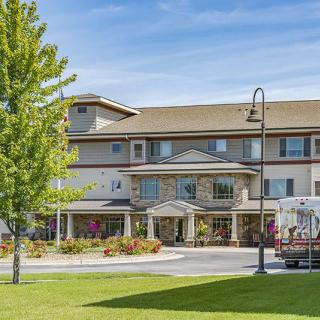
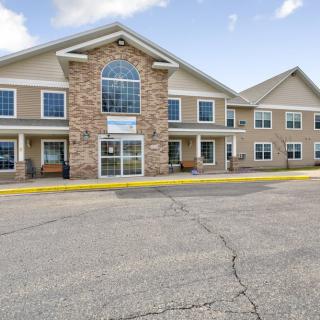
Southern Minnesota Homecare in Mankato, MN is an assisted living community that offers a range of amenities and care services to support the well-being and independence of its residents.

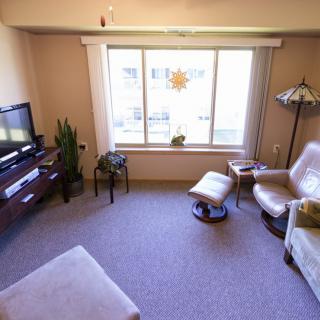
The community provides fully furnished accommodations that include cable or satellite TV, Wi-Fi/high-speed internet, and a telephone for residents to stay connected. Each residence also has a kitchenette for those who prefer to prepare their own meals.

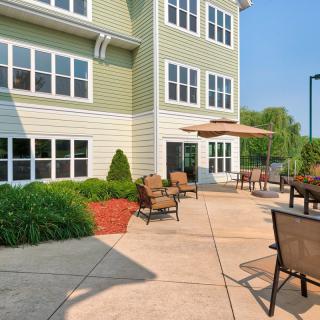
Residents can enjoy the beautiful outdoor space and garden area, perfect for relaxation or socializing with friends and family. Housekeeping services are provided to ensure a clean and comfortable living environment.

In terms of care services, Southern Minnesota Homecare offers 24-hour supervision and assistance with activities of daily living such as bathing, dressing, and transfers. The staff also coordinate with health care providers to ensure medical needs are met. Medication management is available along with diabetes diet support for those with specific dietary requirements.

Residents can participate in scheduled daily activities as well as resident-run activities, promoting social engagement and overall mental wellness. Transportation arrangements are made for medical appointments, ensuring residents have access to necessary healthcare services.

Additionally, the community is conveniently located with several amenities nearby. There are numerous cafes, parks, restaurants, pharmacies, physicians' offices, places of worship, theaters, transportation options, and hospitals within close proximity to Southern Minnesota Homecare.

Overall, this assisted living community provides comprehensive care services and thoughtful amenities in a convenient location to enhance the quality of life for its residents.

Nearby Places of Interest

Pharmacies

  • Walgreens (0 miles)
  • CVS Pharmacy (0.1 miles)
  • Thrifty White Pharmacy (0.8 miles)
  • Shopko Pharmacies (1.1 miles)
  • Siebels, Mark - Mark Siebels (1.1 miles)
  • Target Pharmacy (1.3 miles)
  • CVS Pharmacy (1.3 miles)

Restaurants

  • Tavern On The Ave (0.1 miles)
  • La Terraza (0.2 miles)
  • McDonald's (0.2 miles)
  • India Palace (0.3 miles)
  • Wendy's (0.5 miles)
  • Grizzly's Grill N' Saloon (0.8 miles)
  • Letnes Restaurant (0.8 miles)

Physicians

  • Southeastern Minnesota Oral & Maxillofacial Surgery Associates (0.2 miles)
  • Minnesota Vision Therapy Center (0.2 miles)
  • Reynolds Custom Hearing (0.2 miles)
  • Mankato Clinic (0.2 miles)
  • Mankato Clinic (0.5 miles)
  • Permanent Choice (0.6 miles)
  • Rolf E Storvick (0.6 miles)

Places of Worship

  • Two Rivers Vineyard Church (0.2 miles)
  • Evangelical Lutheran Synod (0.6 miles)
  • St Peter & Paul's Catholic Church-Office, Theresa House (1 miles)
  • Immanuel Lutheran School (1.2 miles)
  • Resurrection Lutheran Church (1.4 miles)
  • Campus Lutheran Chapel (1.7 miles)
  • New Creation World Outreach Church (1.9 miles)

Cafes

  • Caribou Coffee (0.5 miles)
  • Coffee Hag (1.2 miles)
  • Panera Bread (1.3 miles)
  • Peet's Coffee and Tea (1.5 miles)
  • Caribou Coffee (1.8 miles)

Hospitals

  • The Thro Company (0.7 miles)
  • Mankato House Health Care Center (2.3 miles)

Parks

  • Lake Dorothy Park (0.9 miles)
  • Seven Mile Creek County Park (1.3 miles)
  • Highland Park (1.4 miles)
  • Riverfront Park (1.4 miles)
  • Spring Lake Park (2.3 miles)
  • Sibley Park (2.9 miles)
  • Land of Memories Park (3.3 miles)

Transportation

  • U-Save Auto Rental (1 miles)
  • Taxi Pros (1.1 miles)
  • Mankato Regional Airport (MKT) (4.6 miles)

Theaters

  • Cinemark Theaters (1.2 miles)

Frequently Asked Questions

How much does it cost to live at Southern Minnesota Homecare in Mankato, MN?
Where is Southern Minnesota Homecare?

Nearby Communities

  • Bridgewater At Mankato

    Bridgewater At Mankato

    Mankato, MN

    5 from 3 reviews
     

    pro Strong emphasis on spiritual well-being and diabetic care with socially engaging indoor spaces.

  • The Lutheran Home Cedar Haven

    The Lutheran Home Cedar Haven

    Mankato, MN


    pro Fully furnished rooms with 24/7 care and transportation.

  • Bridgewater At Mankato II

    Bridgewater At Mankato II

    Mankato, MN

    5 from 3 reviews
     

    pro Comprehensive care options (Independent Living, Assisted Living, Memory Care) with on-site activities and diabetic care.

  • Home Instead Senior Care IX

    Home Instead Senior Care IX

    Mankato, MN


    pro 24-hour supervision with personalized care and medication management; diabetes-friendly meals and healthcare coordination.

  • Home Instead Senior Care II

    Home Instead Senior Care II

    Mankato, MN

    3 from 2 reviews
     

    pro 24/7 supervision with medication management and a mental wellness program.

  • Mankato Lodge Senior Living

    Mankato Lodge Senior Living

    Mankato, MN

    4.5 from 57 reviews
    $2,650 to $3,035 / month

    pro Warm, welcoming atmosphere with friendly staff, strong sense of community, and quality dining in well-kept facilities.

  • New Perspective Senior Living Mankato

    New Perspective Senior Living Mankato

    Mankato, MN

    4.6 from 53 reviews
    $2,845 to $3,413 / month

    pro Caring staff and engaging activities in a well-maintained, welcoming setting.

  • Oak Terrace Assisted Living

    Oak Terrace Assisted Living

    North Mankato, MN

    4.2 from 33 reviews
    $3,895 to $5,295 / month

    pro Caring, professional staff in a warm, engaging community.

  • North Point

    North Point

    North Mankato, MN

    4.3 from 38 reviews
     

    pro Strong on-site amenities (beautician, dining, housekeeping, Wi?Fi) and comprehensive care services with engaging activities.

Assisted Living in Nearby Cities

Related Resources

  • aid and attendance vaAn Extensive Exploration of the VA Aid and Attendance Benefit

    The VA Aid and Attendance benefit provides financial support to veterans needing assistance with daily living due to medical conditions or disabilities, augmenting standard VA pensions for services like in-home care. Eligibility is based on service duration, wartime status, income, and medical needs, with a detailed application process required to access funds for caregiving and home modifications.

  • senior move managementSenior Transition Services: Understanding Their Role, Cost, and Importance

    Senior move management services assist older adults in the relocation process by providing emotional support and organizational help, addressing unique challenges like downsizing and moving from long-term homes. These specialists collaborate with real estate agents and manage logistics, making the transition smoother for seniors and their families.

  • independent living vs assisted livingExploring the Path to Senior Living: A Comprehensive Look at Independent Living and Assisted Living

    The article examines senior housing options, detailing the distinctions between independent living and assisted living, along with the emerging "independent assisted living" model that blends both approaches. It highlights the importance of assessing individual needs, preferences, and financial factors in making informed decisions about suitable living arrangements for seniors.