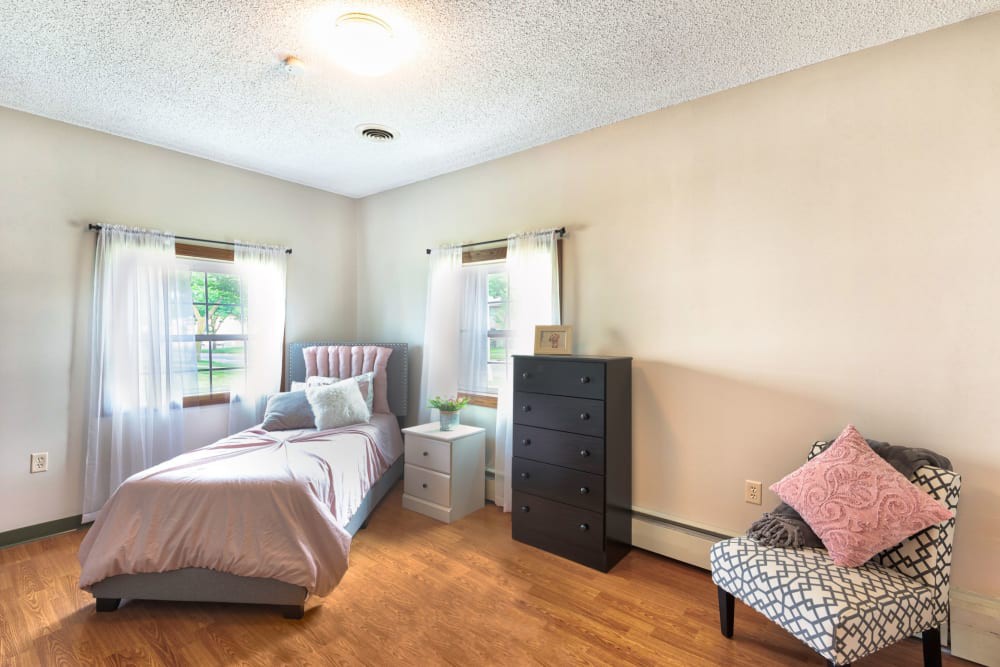
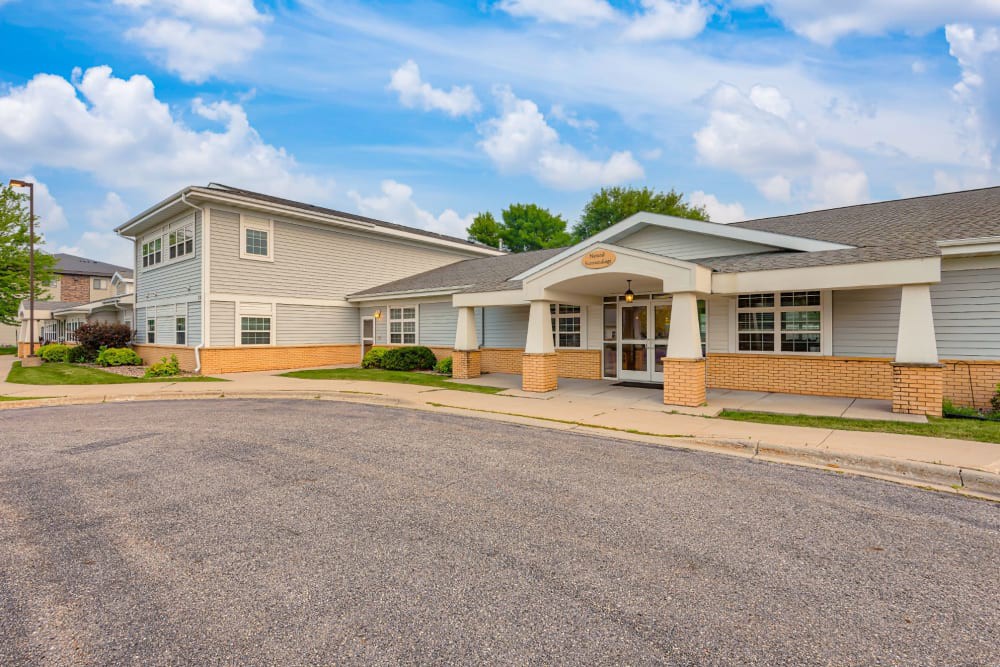
110 Raven Court, Mankato, MN 56001
For more information about senior living options: (866) 208-4318
Overall Review of Autumn Grace II
Pros
 The staff are very friendly.
- There are a lot of activities for the residents.
- The staff and residents are very active, and the atmosphere is great.
- Having a nearby facility that takes high medical needs is an amazing gift.
- They go above and beyond for their residents.
- Residents are happy and cared for with kindness and respect.
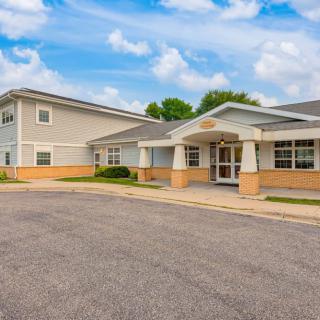
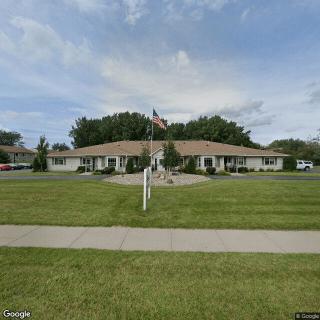
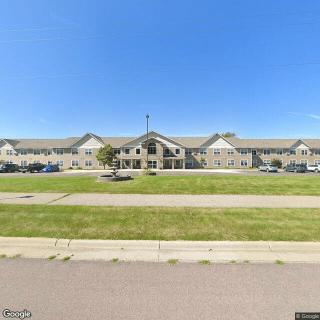
- The building is unique, a single-story design tucked in a nice residential neighborhood.
- Julia is a good Executive Director.
Cons
 Frequent staff changes prevent staff from really getting to know residents and accommodating special needs.
- There is a lack of encouragement for residents to walk, with staff relying on wheelchairs instead.
- Staff do not know residents well enough to tailor encouragement to individual personalities.
- Communication is lacking; families aren’t kept informed about issues, illnesses, or complaints.
- Updates from doctors regarding visits are not provided to families.
- Maintenance is neglected; windows aren’t washed, tape residue remains, and a closet door has been unrepaired for months.
- Rates rise annually while care and service do not improve, and sometimes decline.
- There has been a degradation of services recently, with reduced evening staffing, poorer cleanliness, lower quality food, and less engaging activities.
- After 4 pm there are no nurses on staff, leaving residents without assistance and sometimes leading to hospitalizations.
- The facility is described as immature and hostile, with a wish that it shuts down.
- A warning is given not to let family members live there under any circumstances.
- Upper management is seen as out of touch and staff feel unsupported and stretched thin.
Review
Autumn Grace II in Mankato is best suited for families seeking an active, socially rich setting in a single-story community where staff friendliness and resident engagement are clearly valued. The building’s design and neighborhood placement foster easy navigation and a welcoming feel, which shows in the lively atmosphere and the emphasis on resident involvement. For families prioritizing companionship, structured activities, and approachable staff, this campus often delivers a positive day-to-day rhythm that can make a meaningful difference in a senior’s sense of belonging.
This community may also appeal to families considering higher-acuity care in a nearby option. Several voices highlight that Autumn Grace II has accommodated residents with substantial medical needs, and the proximity to a facility that can provide advanced support has been described as a meaningful benefit. In practical terms, this suggests Autumn Grace II can be a viable choice for someone who needs dependable caregiving with the potential for escalation if medical complexity increases, provided the care team remains responsive and aligned with the resident’s health plan.
The strongest pros are palpable in the day-to-day experience: friendly, approachable staff; a robust slate of activities; and a warm, respectful environment. Observers repeatedly note that staff are kind and that leadership, often cited with appreciation for the Executive Director, strives to support residents and families. The building’s single-story layout, combined with genuine resident involvement and a community-first vibe, creates a welcoming backdrop where meaningful relationships can form. In the right alignment, these elements translate into meaningful quality of life gains.
However, the cons present real friction that families must weigh carefully. Recurring concerns about staff turnover mean residents may not always benefit from staff who know their routines, preferences, or subtle needs. Communication gaps compound that risk, with reports of infrequent updates on medical status or care progress, and inconsistent contact with families and physicians. Evening staffing shortages and occasional lapses in cleanliness, maintenance, and amenities also surface in several accounts, underscoring a fragility in operations when demand spikes or staff are stretched thin. The tension between rising rates and flat or uneven service adds another layer of caution for families budgeting for the long term.
From a practical decision-making standpoint, these dynamics mean readiness to advocate becomes part of the purchase. Families should verify and document care-planning processes, and ask for clear protocols around daily mobility supports (for example, encouragement to use a walker when appropriate), exercise routines, and who oversees escalation if health concerns arise after hours. Probe how communication flows: how often doctor visits are summarized to families, what the notification timeline looks like after a change in condition, and how transparent incident reporting is shared. Simultaneously, scrutinize housekeeping and maintenance responsiveness, addressments to window cleanup, hardware repairs, and routine refreshing of common areas.
Ultimately, Autumn Grace II can serve well for residents who prioritize a lively social environment, consistent kindness from staff, and a facility that can accommodate higher medical needs when operated with disciplined leadership and proactive family engagement. The core caveat is that reliability and seamless operations are not guaranteed without vigilant oversight. If dependable, transparent communication, steady staffing, and meticulous maintenance are non-negotiable, it may be prudent to explore alternatives or prepare a robust care-plan governance plan here. For families ready to actively participate in ongoing oversight, the potential rewards in companionship, dignity, and practical care can justify the investment.
 16 resident community capacity
 Assisted Living
 Cable or satellite TV
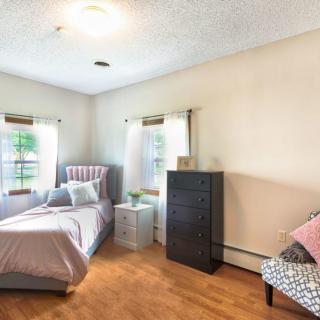
 Fully furnished
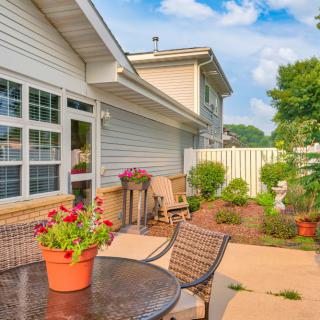
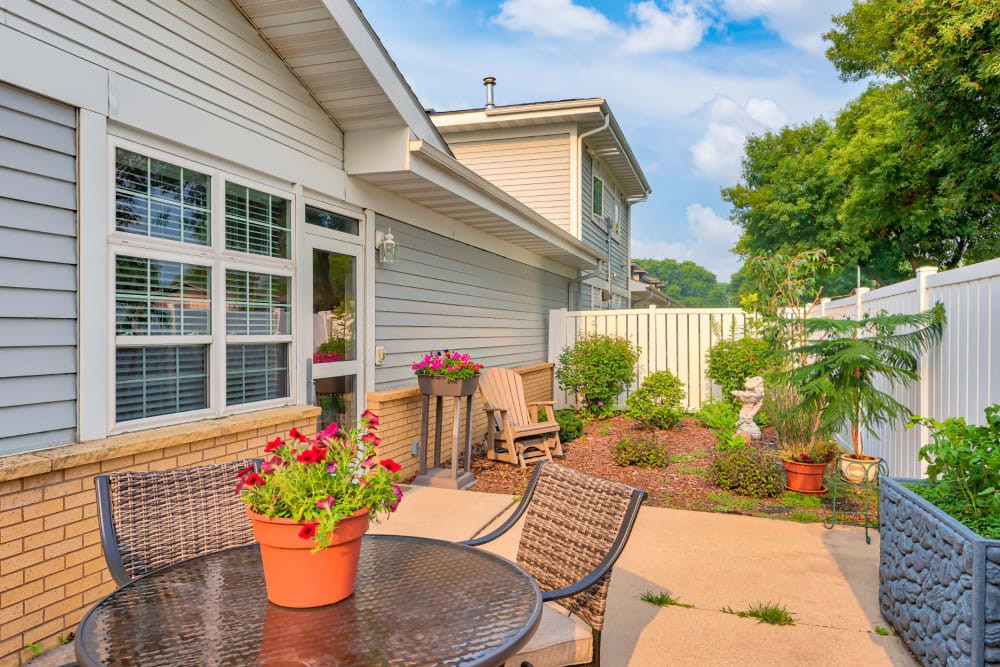
 Garden
 Housekeeping services
 Move-in coordination
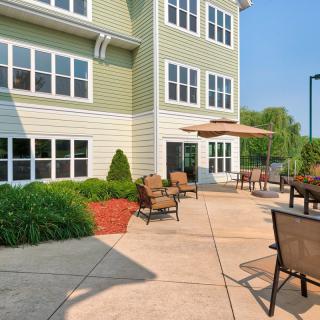
 Outdoor space
 Pet friendly
 Telephone
 Wi-Fi/high-speed internet available
 24-hour supervision
 Activities of daily living assistance
 Assistance with bathing
 Assistance with dressing
 Assistance with transfers
 Diabetes diet
 Meal preparation and service
 Medication management
 Special dietary restrictions
 Transportation arrangement (medical)
 Transportation to doctors appointments


 Exploring the Contrasts Between Assisted Living and Skilled Nursing
 8 Key Indicators That Suggest It May Be Time to Transition from Assisted Living to Skilled Nursing Care
 Vibrant Senior Living: A Comprehensive Guide for Active Older Adults