For more information about senior living options: (866) 208-4318
4 from 38 reviews
5 stars
24
4 stars
1
3 stars
6
2 stars
2
1 stars
5
Autumn Grace Costs & Pricing
At Autumn Grace, the monthly costs for accommodations reflect a competitive pricing strategy when compared to both Nicollet County and the broader state of Minnesota. For a semi-private room, residents can expect to pay $2,500 per month, significantly lower than the county and state averages of $3,983 and $4,051, respectively. This cost advantage offers a substantial saving while providing quality care. Meanwhile, the studio apartments are priced at $4,200 per month, which exceeds both Nicollet County's average of $3,628 and Minnesota's average of $3,617. This pricing may be indicative of enhanced features or services offered at Autumn Grace that could justify the premium for those seeking more private living arrangements. Overall, Autumn Grace stands out in its competitive offering for semi-private rooms while positioning its studio options as a higher-tier experience.
Floor plans
Autumn Grace
Nicollet County
Minnesota
Semi-Private
$2,500
$3,983
$4,051
Studio
$4,200
$3,628
$3,617
Skilled Nursing Facilities with a similar price nearby
Residents and families frequently describe staff as kind and attentive.
Many reviewers highlight friendly, hard-working staff and the care they provide day to day. Several families say they see residents treated with kindness and respect, and they thank specific team members for being responsive or dedicated. A few reviews also mention improvements under new management and point to staff changes as part of what got better.
common6 reviews mention this
Activities keep residents engaged
A steady calendar of activities is a recurring part of life here.
Reviews consistently mention residents being active and having things planned, including daily activities and community involvement. One reviewer credits a new activities director for keeping schedules filled, while others describe residents joining events and staying engaged. At the same time, a few family members report that activity planning later declined, with residents not being engaged as well as before.
caveat6 reviews mention this
Communication and staffing feel inconsistent
Some families report trouble getting timely help and updates.
Several reviewers describe staffing concerns, including frequent staff changes and a lack of coverage at certain times. A number of family members also say phone contact can be difficult, and one review describes no nurses after 4 pm. Communication is another recurring complaint, with reviewers asking for better updates when residents are sick or have concerns, and describing situations where issues felt unaddressed.
caveat6 reviews mention this
Cleanliness and upkeep need attention
Cleanliness and maintenance get mixed feedback from families.
Some reviews say the building is clean and describe residents living in a nice, well-kept space. Others report cleanliness issues and maintenance items that need attention, including housekeeping and visible upkeep problems. A few family members also describe a decline in cleanliness and point to concerns about how well the facility is maintained over time.
common3 reviews mention this
Meals are sometimes praised, sometimes criticized
Food quality and meal experiences vary across reviews.
One reviewer says meals are good and mentions serving three meals per day. Other family members report that the quality of food declined in more recent months, pairing that with concerns about broader day-to-day service. Overall, dining is mentioned more as an observed change over time than as a consistently described highlight.
How we summarize
Counts show how many written reviews mention each theme; a review can touch several themes, and only frequently mentioned themes are displayed.
Features
Housing
21 resident community capacity
Studio apartments
Types of Care
Assisted Living
Skilled Nursing Facility
Pets
Cats allowed
Dogs allowed
Amenities
Activities off-site
Activities on-site
Bath tubs
Beautician on-site
Beauty salon
Cable or satellite TV
Devotional services on-site
Dining room
Fully furnished
Garden
Ground floor units
Housekeeping services
Indoor common areas
Kitchenette
Laundry
Move-in coordination
Outdoor common areas
Outdoor space
Respite or short term stays offered
Telephone
Wheelchair accessible showers
Wi-Fi/high-speed internet available
Transportation
Transportation & parking
Care Services
24-hour call system
24-hour supervision
Activities of daily living assistance
Assistance with bathing
Assistance with dressing
Assistance with transfers
Coordination with health care providers
Dementia waiver
Diabetes diet
Diabetic care
High acuity care
Hospice waiver
Incontinence care
Meal preparation and service
Medication management
Mental wellness program
Special dietary restrictions
Specialized memory care programming
Transportation arrangement (medical)
Transportation to doctors appointments
Dining
Diabetes diet
Guest meals
Kosher
Meals provided
Restaurant style dining
Special dietary restrictions
Vegetarian
Activities
Activities off-site
Activities on-site
Art classes
BBQs or picnics
Birthday parties
Community-sponsored activities
Cooking classes
Devotional activities on-site
Gardening club
Live dance or theater performances
Live musical performances
Religious services
Scheduled daily activities
Stretching classes
Trivia games
Languages Spoken
English
Nearby Places of Interest
This area of Mankato, Minnesota offers convenience and accessibility to a variety of amenities for senior living. With multiple pharmacies, cafes, parks, places of worship, physicians, hospitals, restaurants, transportation options, and even a theater nearby, residents can easily meet their daily needs and enjoy recreational activities. The proximity to healthcare facilities such as Mankato Clinic and Student Health Services provides peace of mind for seniors needing medical care. Additionally, the presence of various dining options like Tavern On The Ave and La Terraza ensures a diverse culinary experience. Overall, this neighborhood offers a well-rounded community with options for entertainment and essential services making it an appealing choice for senior living.
Pharmacies
CVS Pharmacy (0.4 miles)
CVS Pharmacy (1.2 miles)
Walgreens (1.3 miles)
Walgreens (1.4 miles)
Supervalu (1.7 miles)
Thrifty White Pharmacy (1.7 miles)
Shopko Pharmacies (2 miles)
Cafes
Caribou Coffee (0.5 miles)
Coffee Hag (1.6 miles)
Caribou Coffee (1.6 miles)
Panera Bread (2.2 miles)
Peet's Coffee and Tea (2.5 miles)
Parks
Highland Park (0.6 miles)
Seven Mile Creek County Park (1.4 miles)
Riverfront Park (1.9 miles)
Lake Dorothy Park (2 miles)
Sibley Park (2.4 miles)
Spring Lake Park (2.5 miles)
Land of Memories Park (2.8 miles)
Places of Worship
Campus Lutheran Chapel (0.7 miles)
Evangelical Lutheran Synod (1.1 miles)
St Peter & Paul's Catholic Church-Office, Theresa House (1.2 miles)
Resurrection Lutheran Church (1.3 miles)
St Boniface's Chapel (1.5 miles)
Two Rivers Vineyard Church (1.5 miles)
Immanuel Lutheran School (1.5 miles)
Physicians
Student Health Services (0.8 miles)
Rolf E Storvick (0.8 miles)
Mankato Clinic (0.9 miles)
Msu-Student Health Services (1.2 miles)
Southeastern Minnesota Oral & Maxillofacial Surgery Associates (1.2 miles)
At Autumn Grace, the monthly costs for accommodations reflect a competitive pricing strategy when compared to both Nicollet County and the broader state of Minnesota. For a semi-private room, residents can expect to pay $2,500 per month, significantly lower than the county and state averages of $3,983 and $4,051, respectively. This cost advantage offers a substantial saving while providing quality care. Meanwhile, the studio apartments are priced at $4,200 per month, which exceeds both Nicollet County's average of $3,628 and Minnesota's average of $3,617. This pricing may be indicative of enhanced features or services offered at Autumn Grace that could justify the premium for those seeking more private living arrangements. Overall, Autumn Grace stands out in its competitive offering for semi-private rooms while positioning its studio options as a higher-tier experience.
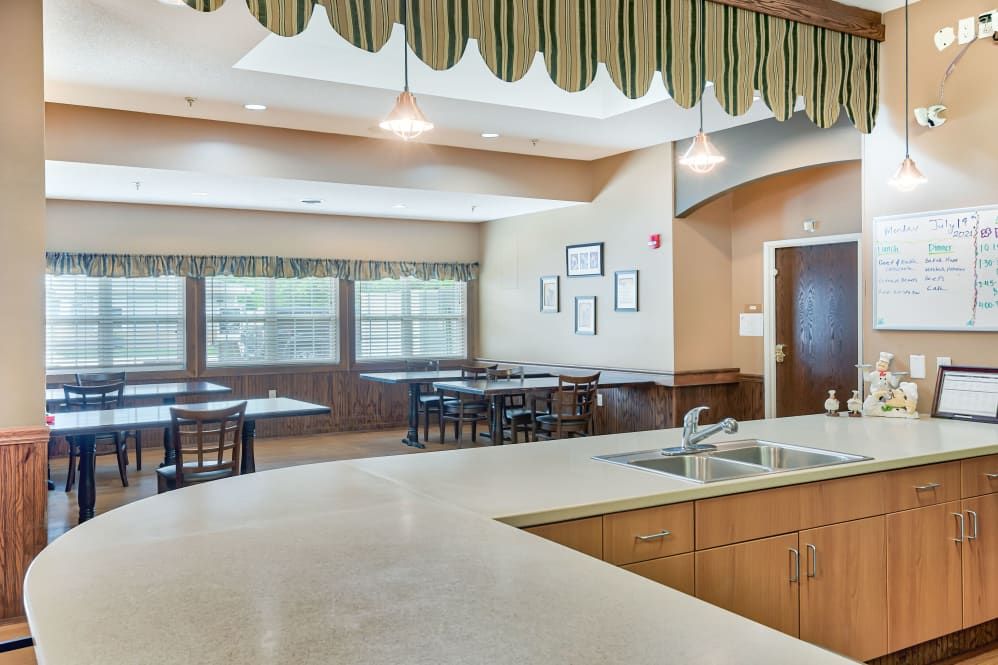
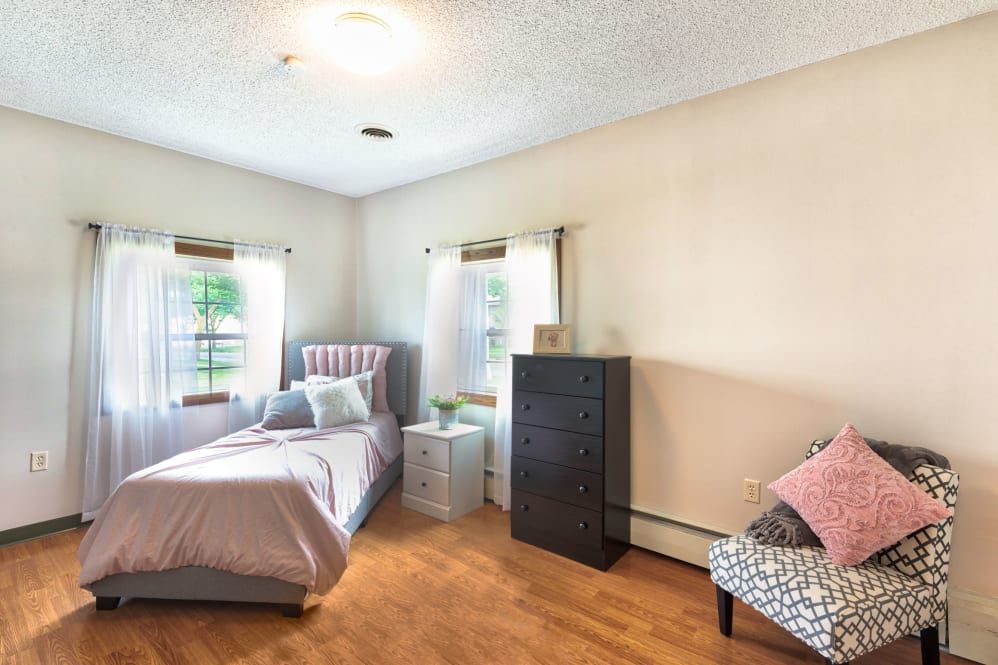
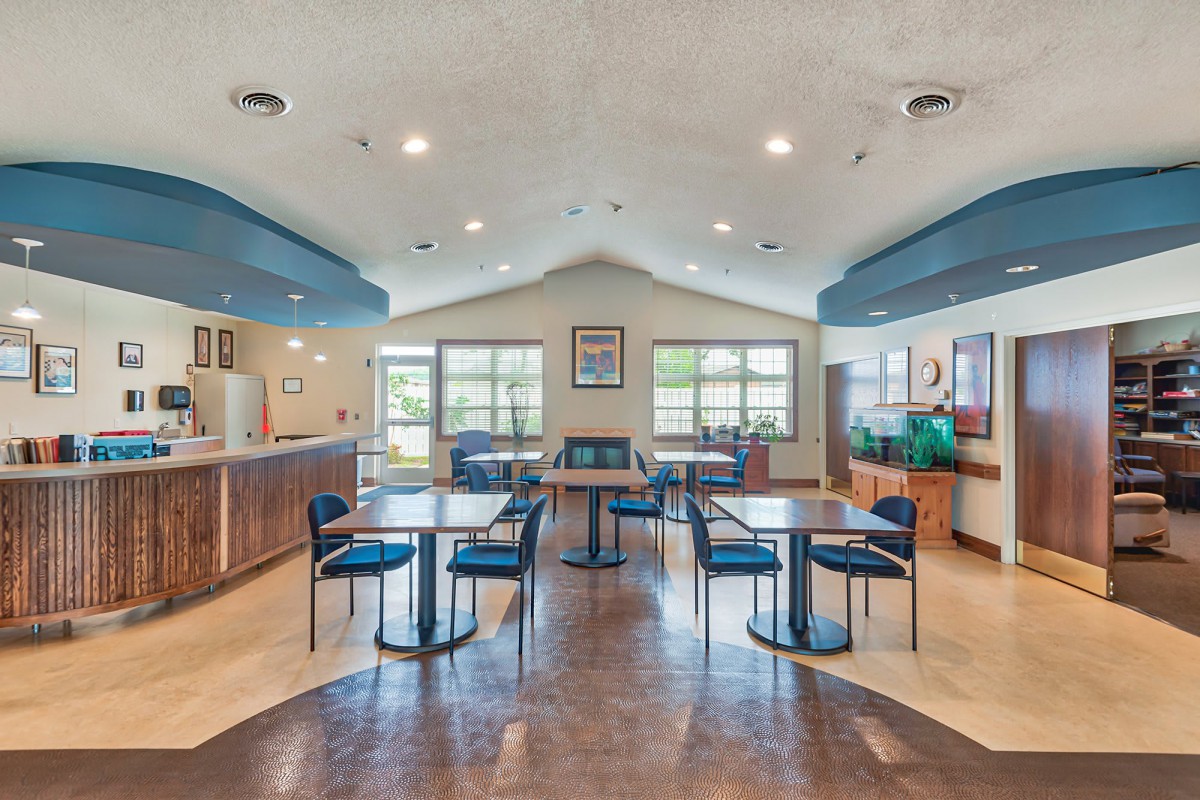
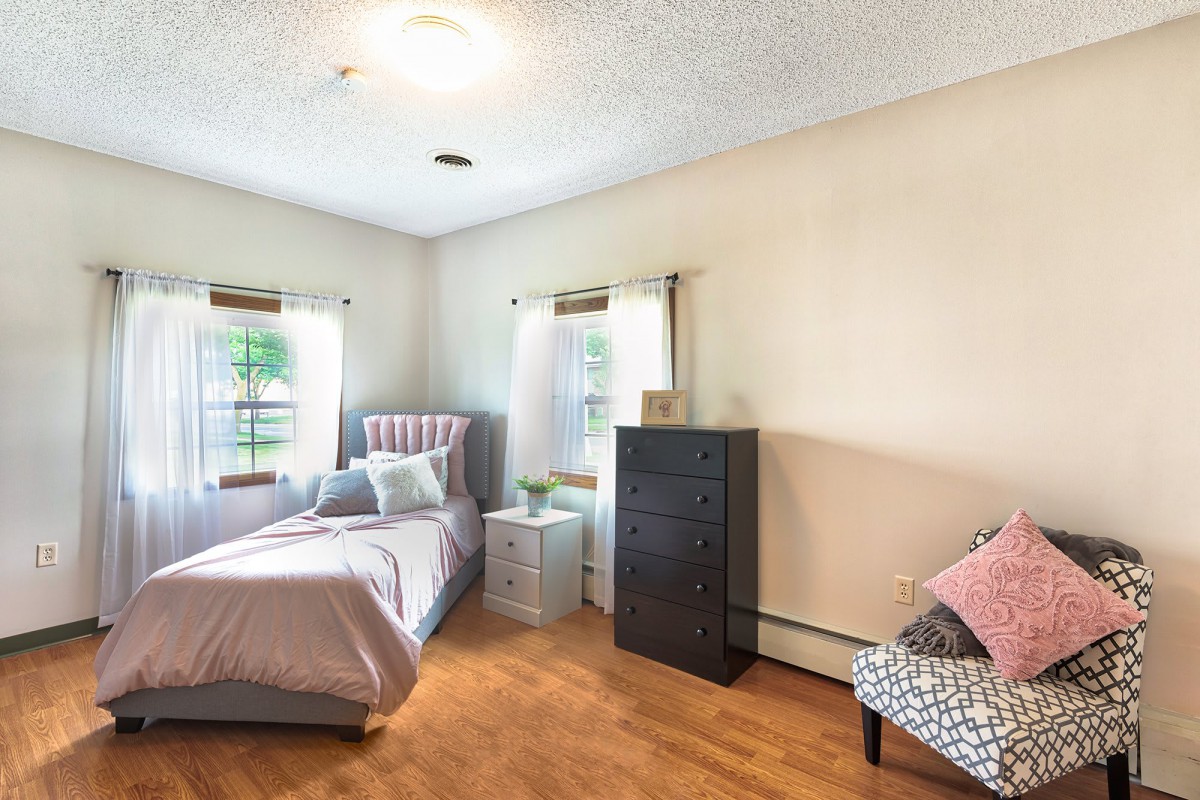
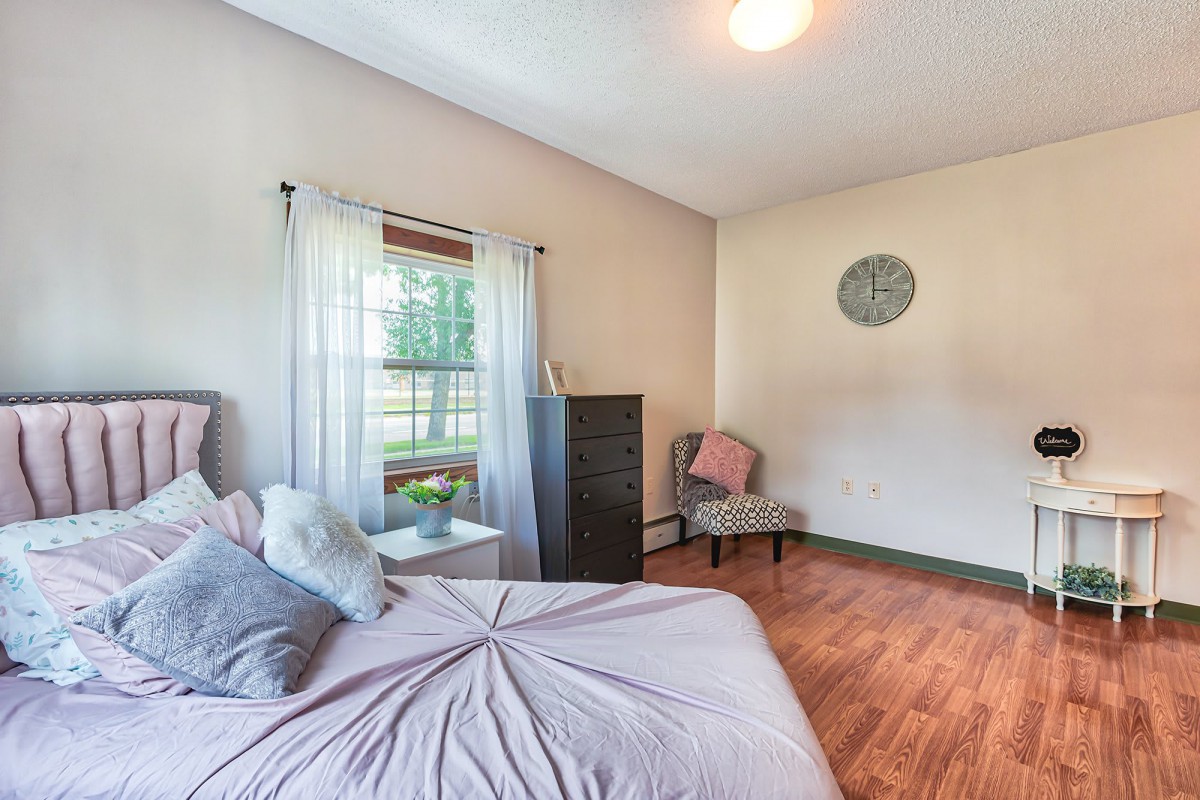
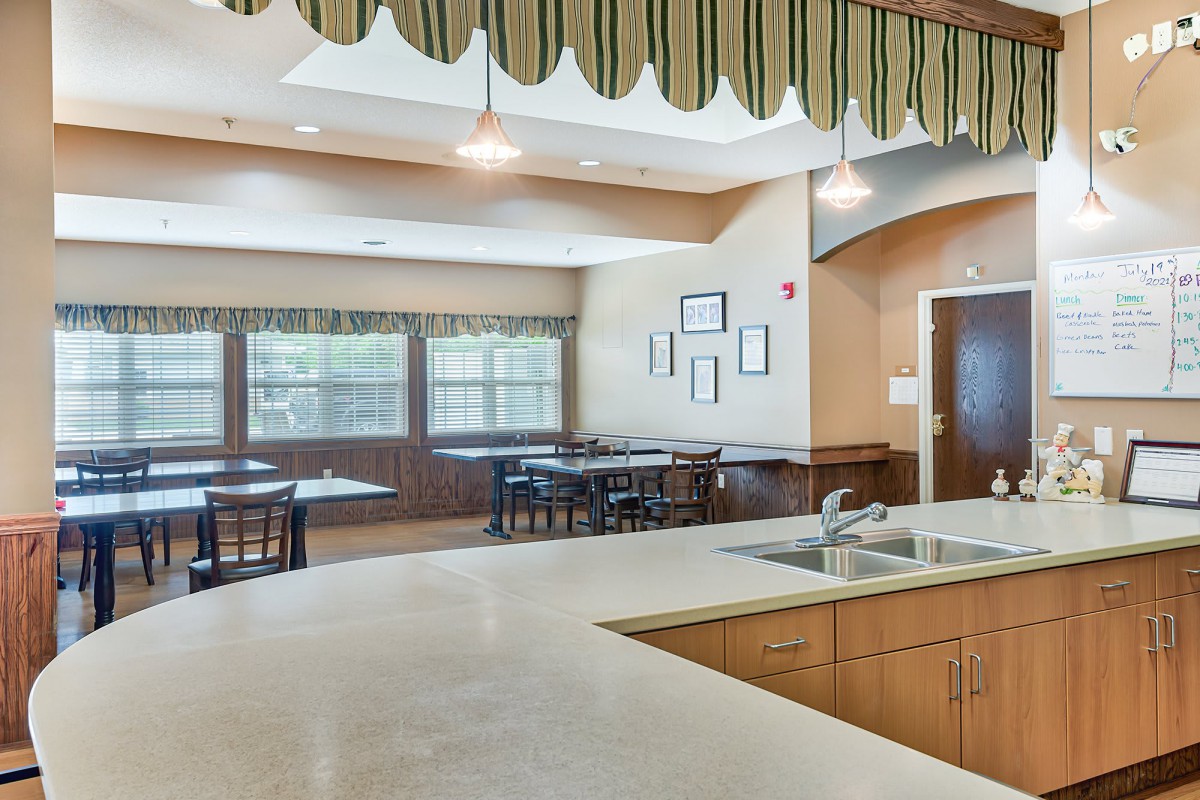
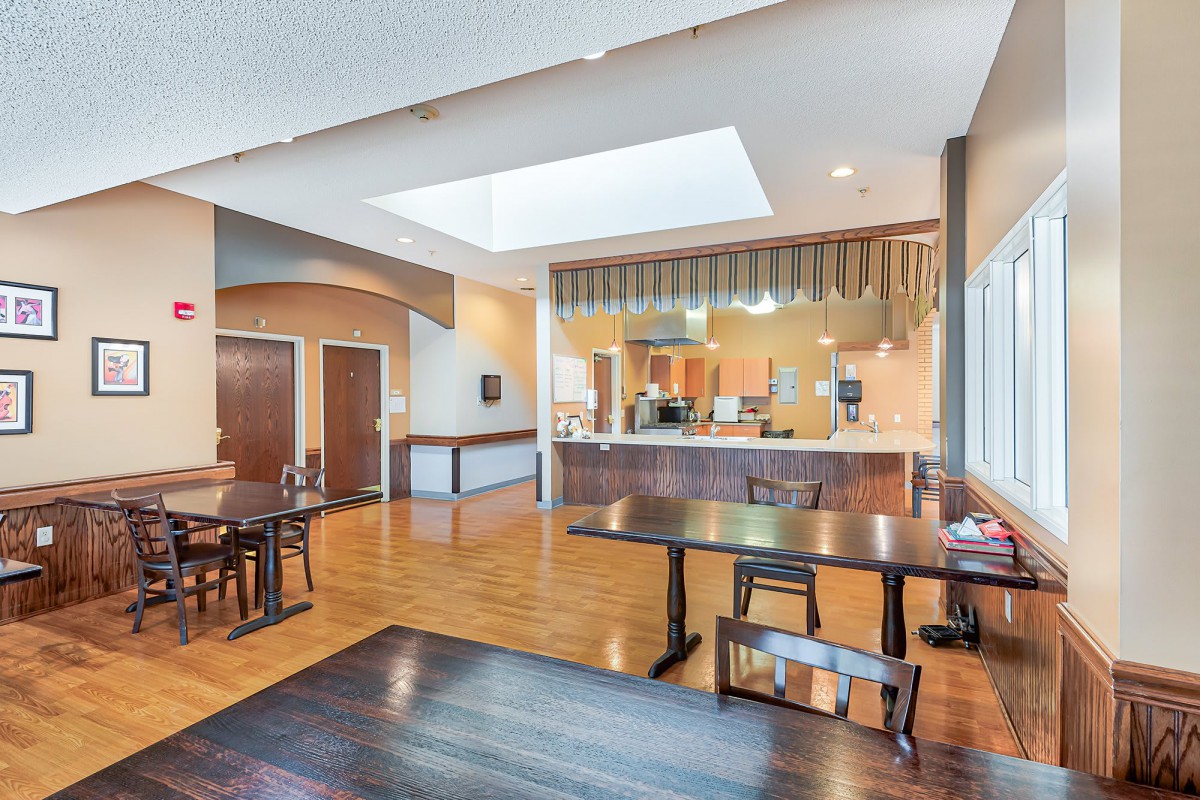
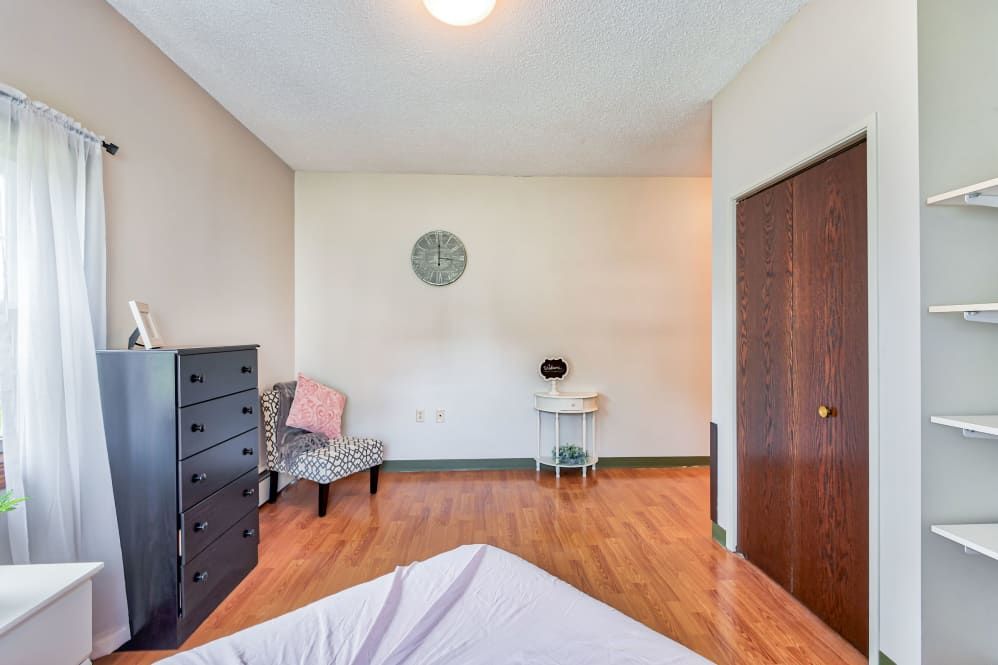
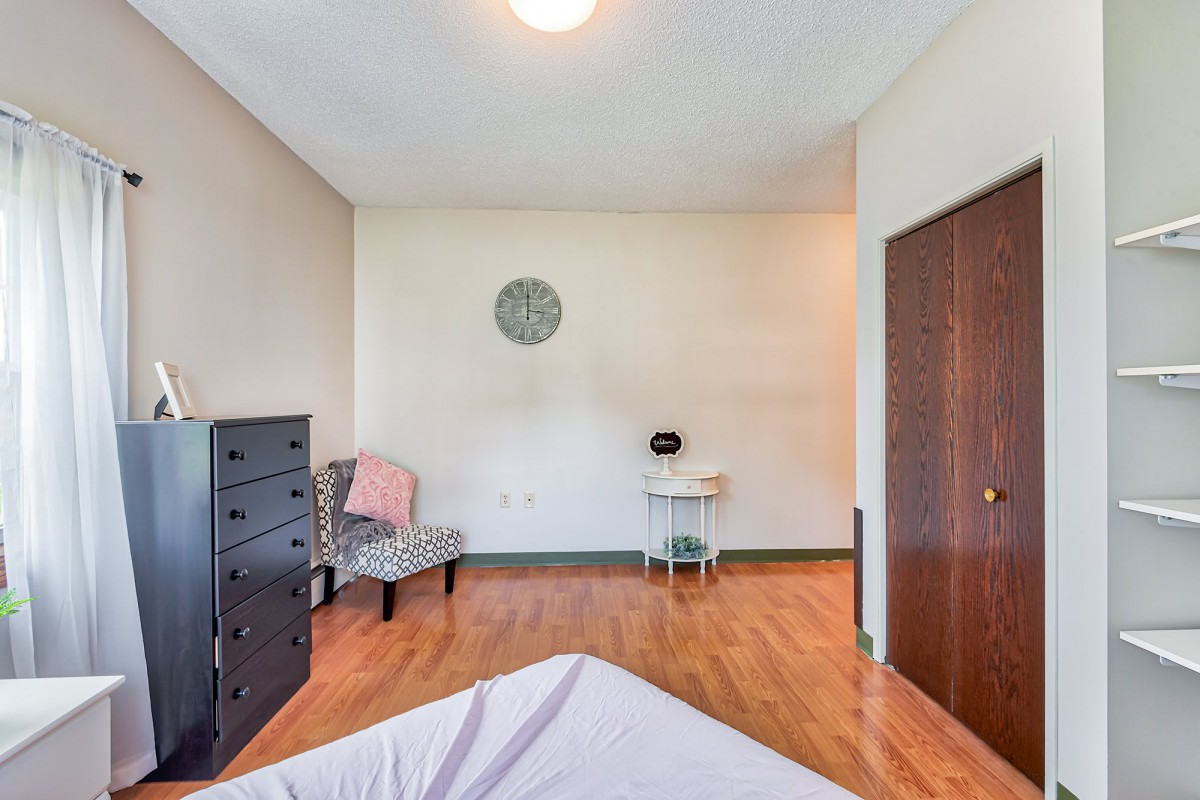
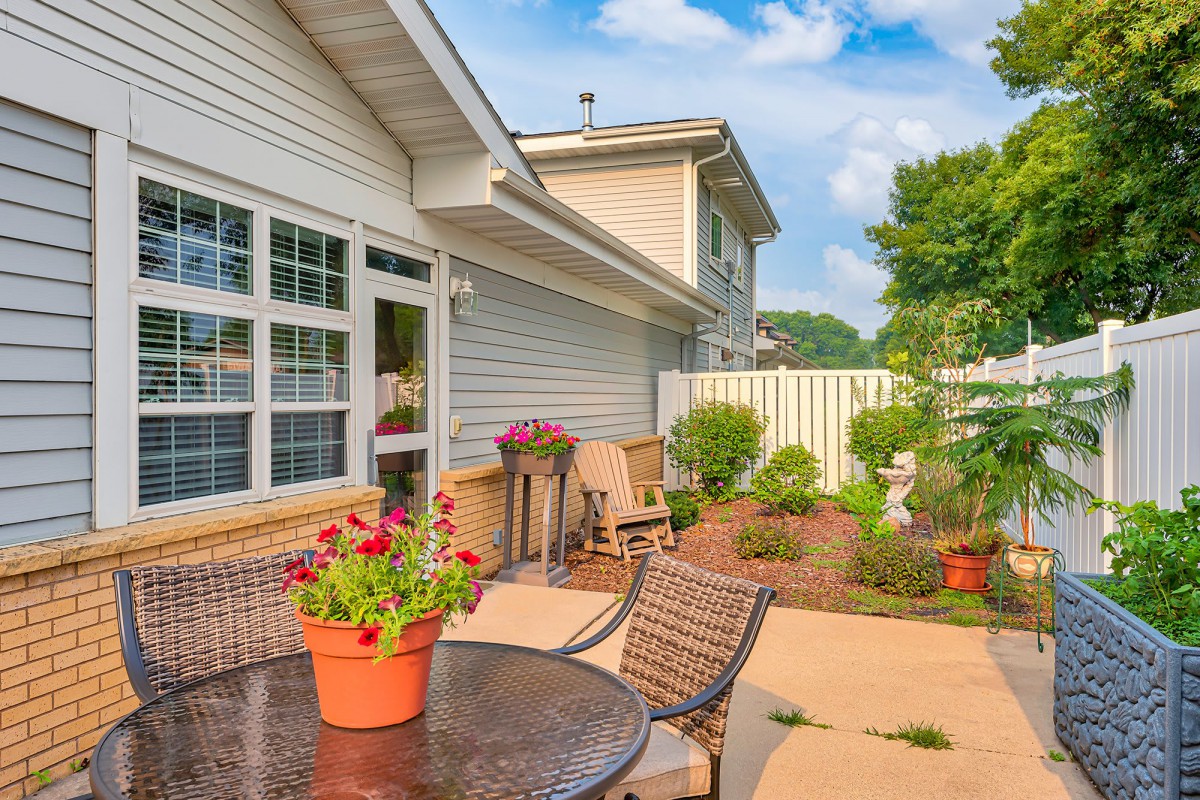
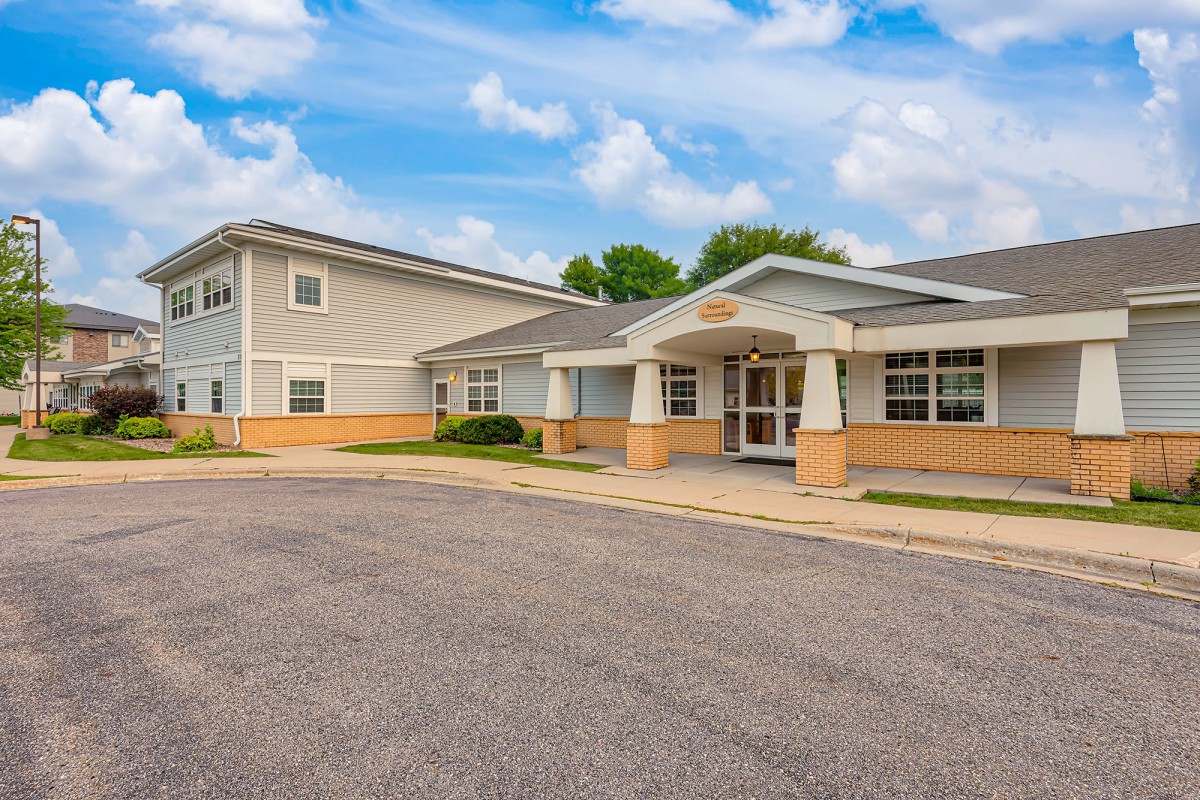
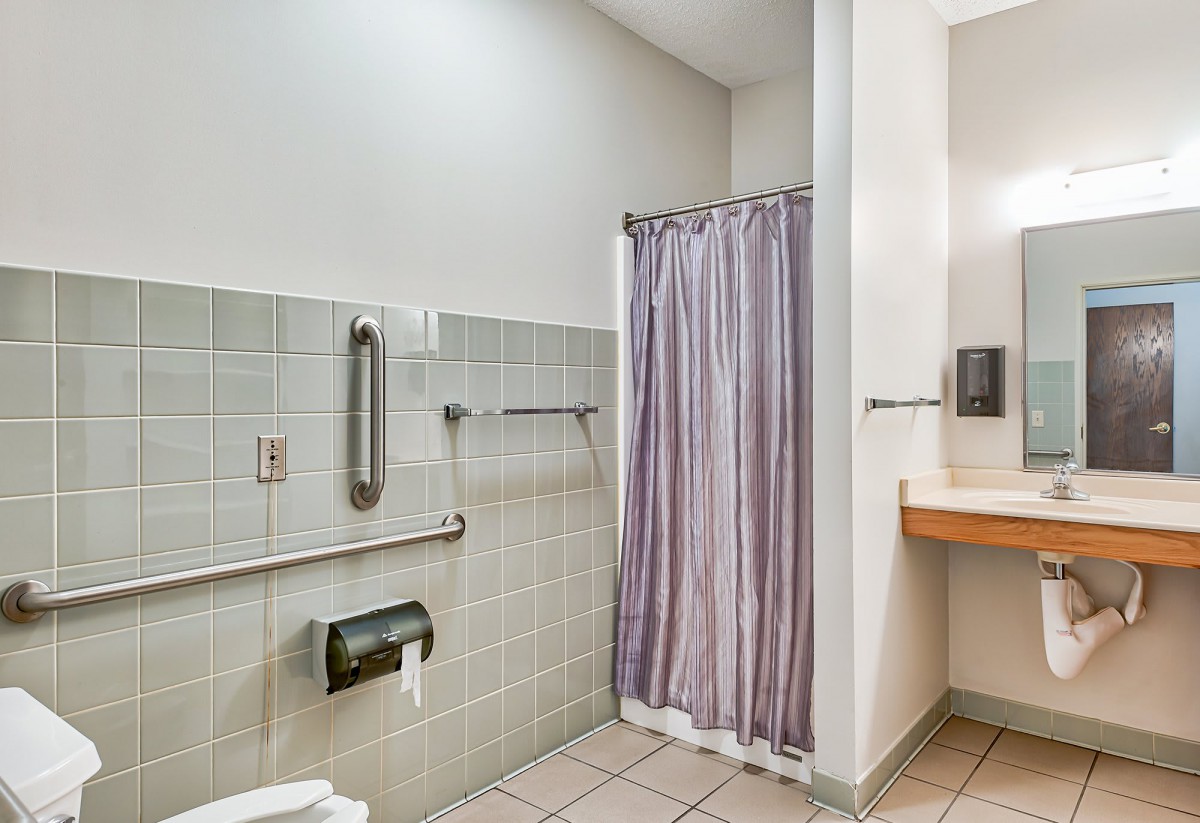
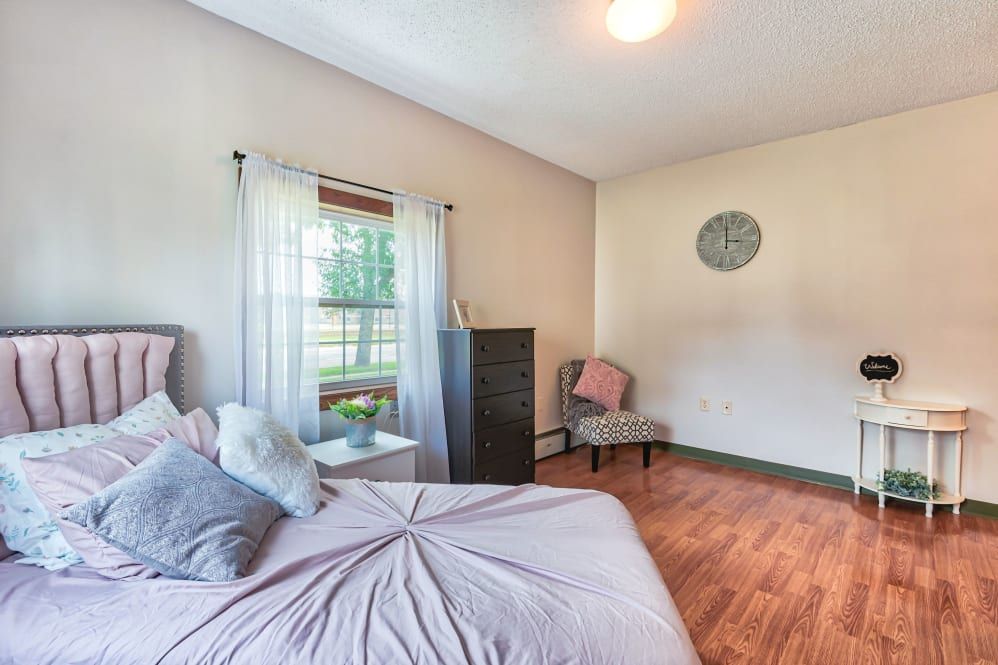
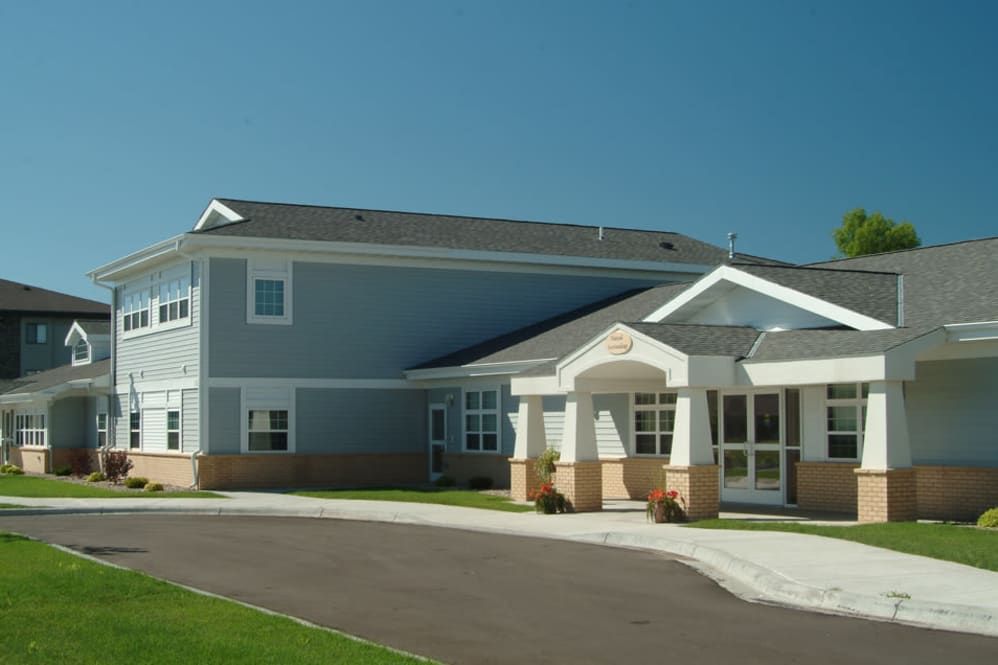
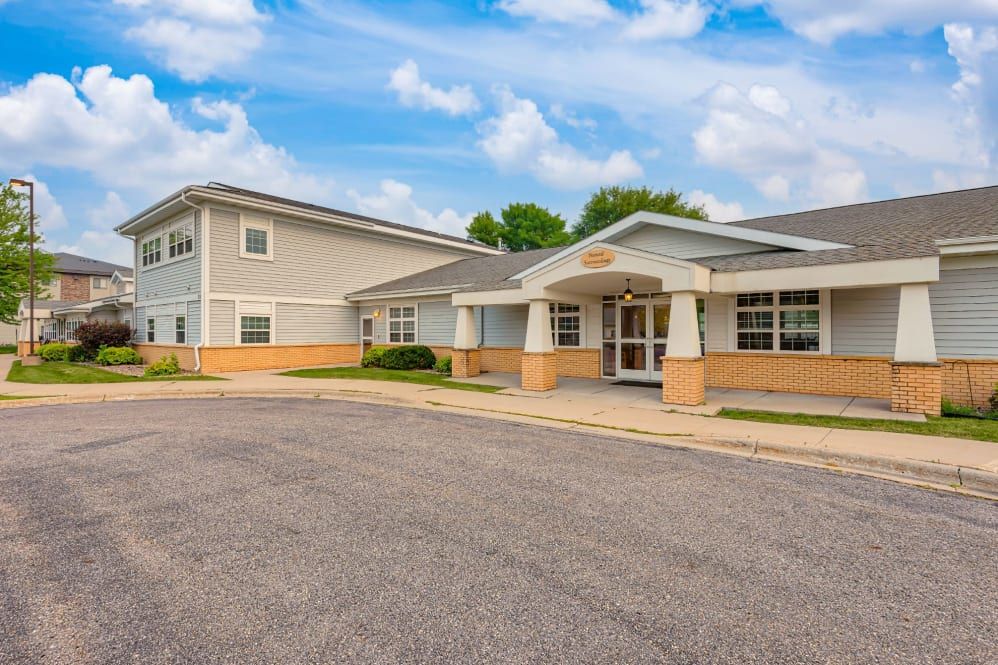
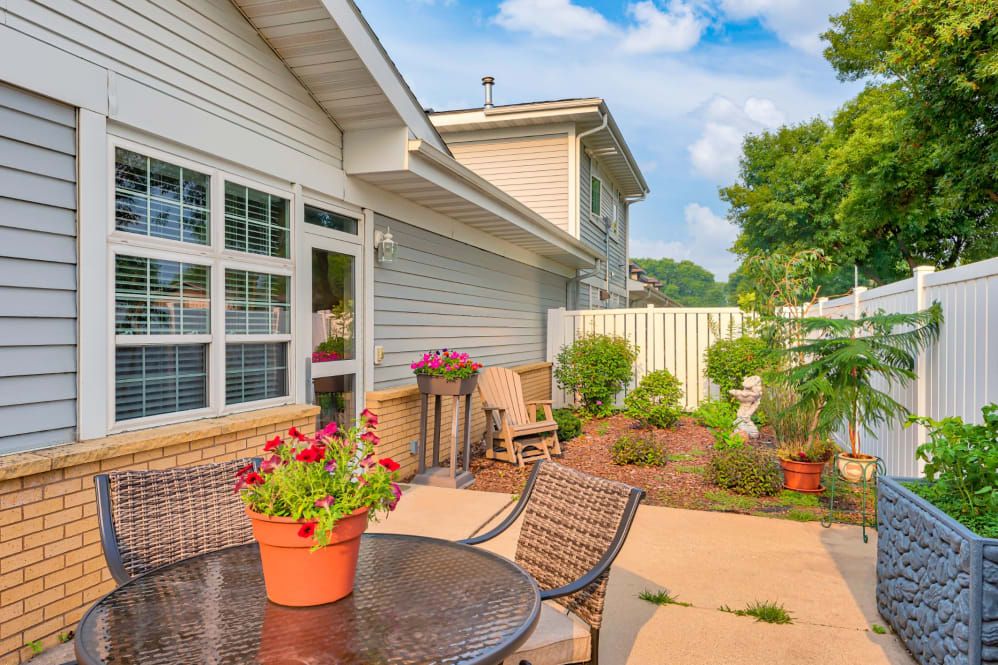
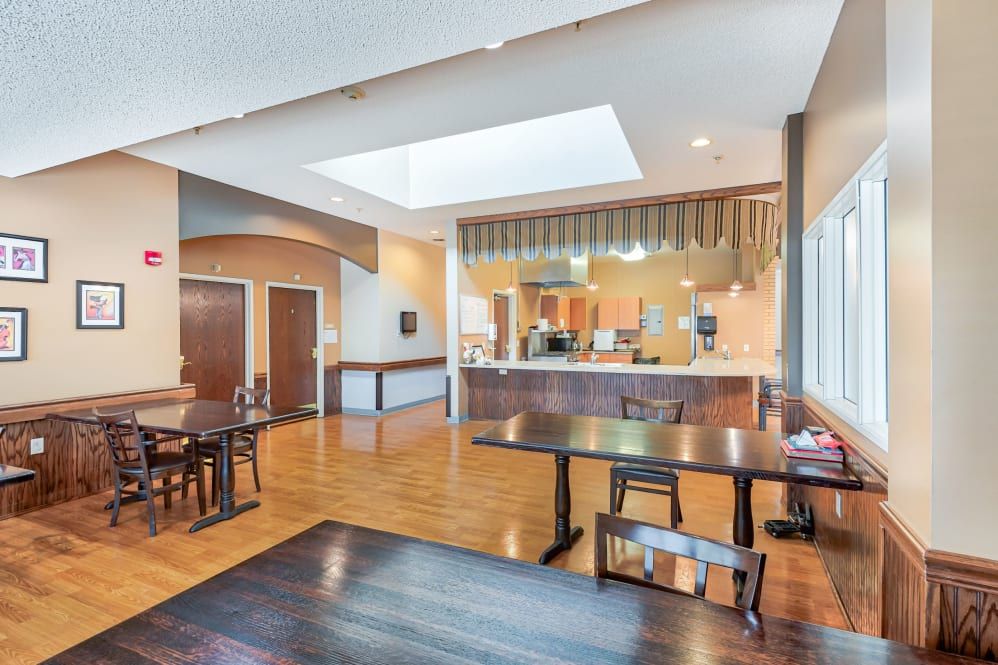
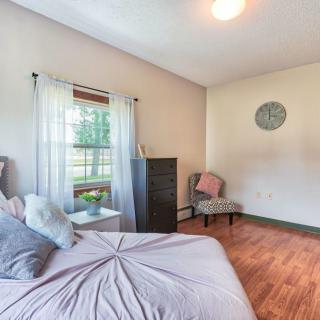
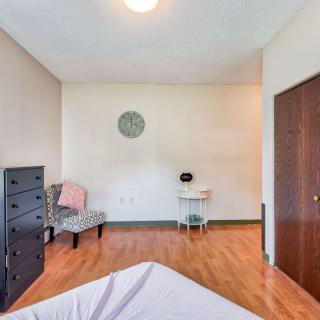
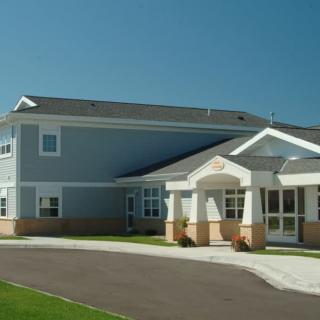
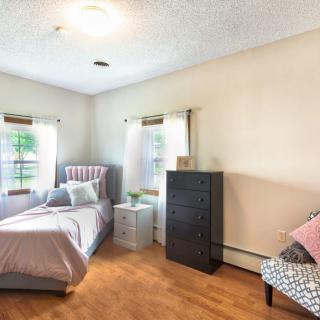
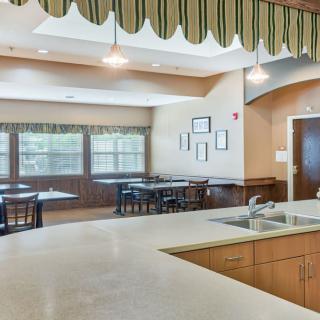
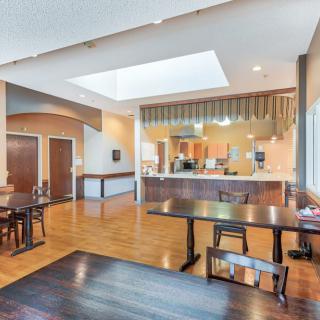
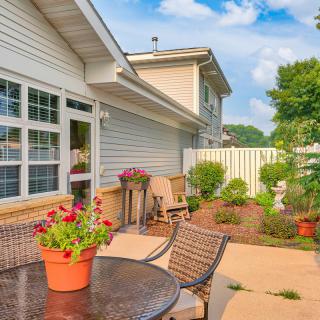
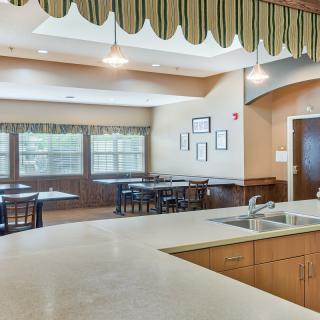
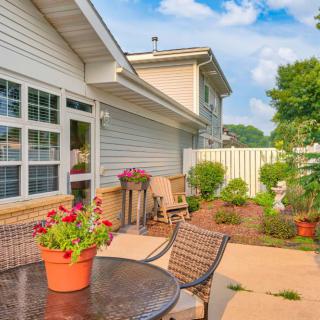
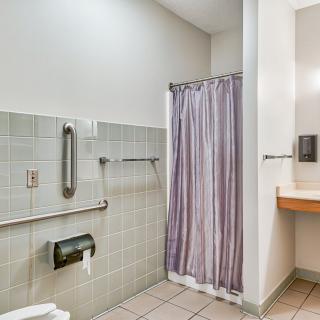
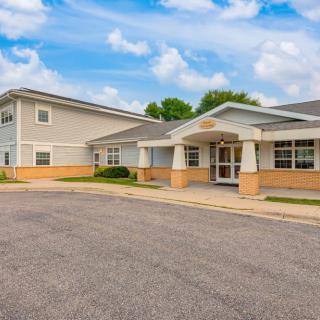
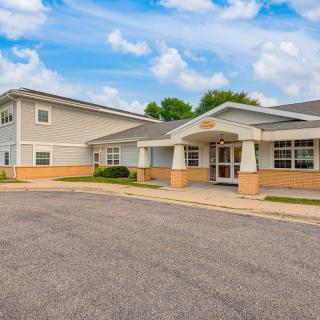
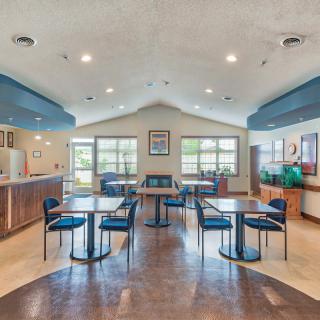
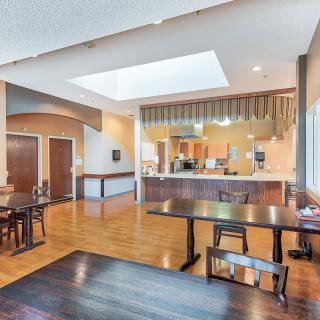
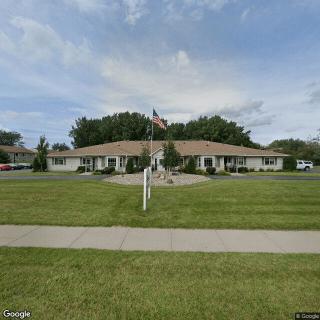
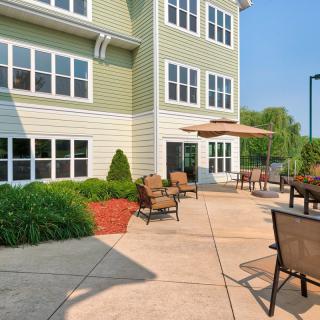
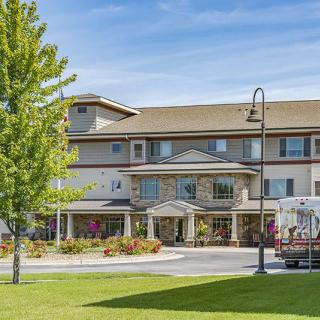
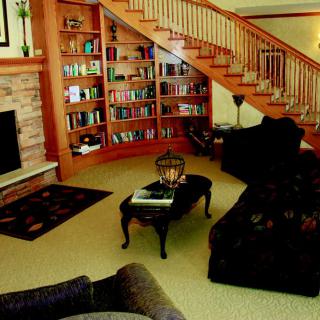
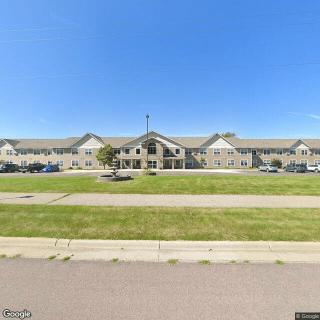
Autumn Grace on seniors.fyi includes 17 photos including images showing bedroom, interior, windows, decor, dining, kitchen, building, bathroom, and more.
Nearby Communities
Willow Brook Winona
Mankato, MN
3 from 1 review
Strong on-site amenities with a convenient location.
Autumn Grace III
Mankato, MN
3.2 from 19 reviews
Luxurious amenities with personalized care, 24-hour supervision, and move-in coordination.
Autumn Grace II
Mankato, MN
3.2 from 19 reviews
Pet-friendly, fully furnished with ADL support and transportation/medical coordination.
Cottagewood Senior Communities
Mankato, MN
4.7 from 22 reviews
Vibrant assisted living with memory care and abundant nearby amenities (dining, parks, healthcare, worship, transport, theater).
Gentle Touch Health Inititativ
Mankato, MN
4.5 from 29 reviews
$3,772 / month
Clean, well-maintained community with engaging activities and attentive staff.
Water's Edge
Mankato, MN
4.5 from 91 reviews
$2,900 to $4,250 / month
Caring, attentive staff and a warm, home-like community with engaging activities.
New Perspective Senior Living Mankato
Mankato, MN
4.6 from 53 reviews
$2,845 to $3,413 / month
Caring staff and engaging activities in a well-maintained, welcoming setting.
Oak Terrace Assisted Living
North Mankato, MN
4.1 from 40 reviews
$3,895 to $5,295 / month
Caring, professional staff in a warm, engaging community.
North Point
North Mankato, MN
4.3 from 38 reviews
Strong on-site amenities (beautician, dining, housekeeping, Wi?Fi) and comprehensive care services with engaging activities.
The transition from assisted living to skilled nursing care is often prompted by complex medical needs that assisted living cannot meet, with key indicators including frequent health declines, increased falls, severe memory issues, and caregiver burnout. Families should recognize these signs early to discuss options with healthcare providers and prepare for the emotional and logistical aspects of moving to a facility that offers comprehensive medical support.
Vibrant Senior Living emphasizes active senior living communities that promote independence and engagement through diverse amenities and activities, fostering wellness and social interaction among older adults. These communities range from independent to assisted living, with a focus on personal growth, family involvement, financial planning, and leveraging technology to enhance residents' experiences.
Transitioning from assisted living to memory care is driven by an individual's cognitive decline and specific needs, requiring careful evaluation of indicators like increased confusion and wandering. The process involves consulting medical professionals, researching suitable communities, considering financial and legal aspects, and ensuring effective communication for personalized care plans.
Get PricingAsk A QuestionSchedule A TourContact Senior Advisor
By clicking submit, you agree to our Partner's Terms of Use. You
also consent to receive calls and texts, which may be autodialed, from our Partner. Your consent is not a condition to
using our Partner's service. Please visit our Partner's Privacy Policy for information about their privacy practices.


 21 resident community capacity
 Studio apartments
 Assisted Living
 Skilled Nursing Facility
 Cats allowed
 Dogs allowed
 Activities off-site
 Bath tubs
 Beautician on-site
 Cable or satellite TV
 Devotional services on-site
 Dining room
 Fully furnished
 Garden
 Ground floor units
 Housekeeping services
 Indoor common areas
 Kitchenette
 Laundry
 Move-in coordination
 Outdoor common areas
 Respite or short term stays offered
 Telephone
 Wheelchair accessible showers
 Wi-Fi/high-speed internet available
 Transportation & parking
 24-hour call system
 Assistance with bathing
 Assistance with dressing
 Assistance with transfers
 Dementia waiver
 Diabetes diet
 Diabetic care
 High acuity care
 Hospice waiver
 Incontinence care
 Meal preparation and service
 Medication management
 Mental wellness program
 Special dietary restrictions
 Transportation arrangement (medical)
 Art classes
 BBQs or picnics
 Birthday parties
 Cooking classes
 Live dance or theater performances
 Live musical performances
 Stretching classes
 Trivia games
 English
 Strong on-site amenities with a convenient location.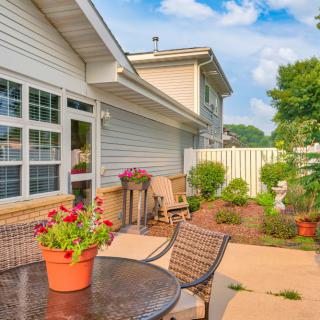
 8 Key Indicators That Suggest It May Be Time to Transition from Assisted Living to Skilled Nursing Care
 Vibrant Senior Living: A Comprehensive Guide for Active Older Adults
 When to Transition from Assisted Living to Memory Care: Key Indicators, Steps, and Finding the Right Community