
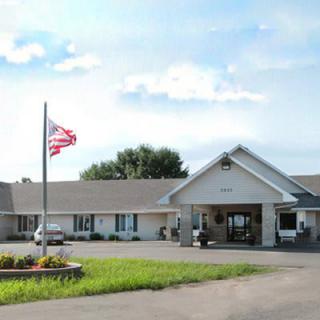
501 Mork Street, Lake Benton, MN 56149
For more information about senior living options: (866) 208-4318
Overall Review of Central Minnesota Senior Care 10
Pros
 People who enjoy eldercare and nursing will gain lots of experience there.
- It is a great place.
- The staff are friendly and helpful.
- It is a great alternative to a nursing home for people who can still mostly take care of themselves but need a little help.
Cons
 The management is horrible.
- Staff are kept on double and triple shifts and are made to come in when sick.
- They constantly flood workers with phone calls at all hours.
- The place is an absolute joke.
- The company is a disorganized mess that probably won’t be addressed.
- They initially present as family but later reveal their true colors.
Review
Central Minnesota Senior Care 10 in Lake Benton is best suited for seniors who are largely independent but want a modest level of help with daily tasks in a small, homey setting. The community can offer a more personal atmosphere than a larger campus, and for families exploring hands-on eldercare experiences, the place has historically provided opportunities to work closely with residents and learn practical caregiving skills. Early impressions of a warm, family-like environment can be real, and for residents who can largely manage activities with light support, this option can feel preferable to a traditional nursing home.
Alternatives should be strongly considered for anyone whose priority is consistent, well-staffed care with dependable oversight. The low overall rating, reflected across multiple reviews, signals ongoing reliability gaps, especially in management and day-to-day operations. Families with residents who require steady supervision, more structured routines, or 24/7 medical oversight will likely find other options more trustworthy. In short, this community is not the right long-term home for anyone with escalating medical needs or a demand for rigorous administrative accountability.
Among the positives, staff are described as friendly and helpful when present, and the smaller scale can foster closer interactions. The position is framed as a reasonable alternative to a nursing home for people who can still largely care for themselves but need a little help, suggesting a fit for those prioritizing ease of access to assistance without a larger, noisier campus. For those entering the field of eldercare, the experience can be meaningful, hands-on, practical exposure in a setting that can feel intimate when staffing is adequate. The potential value hinges on stable operations and consistent staffing.
The principal drawbacks center on management and workload. Reviews paint a picture of poor administrative stability, with staff asked to cover doubles and triples, sometimes working while ill, and receiving a flood of calls at all hours. A pattern of disorganization emerges, where a temporary sense of family is undermined by perceptions of being dismissed or left to cope without reliable leadership. When leadership and scheduling are inconsistent, care gaps emerge, safety can be compromised, and staff morale dissolves. In a setting where residents depend on timely help, these issues are not minor, they directly affect daily quality of life and trust in the care team.
Considering the trade-offs, the warm, intimate atmosphere and the promise of light support do not consistently offset the persistent staffing and management problems. On days when the team is adequately staffed and well-led, residents may experience meaningful, responsive assistance and genuine interaction. Yet frequent understaffing, burnout risk, and disorganization undermine continuity, safety, and reliability. For families prioritizing steadiness and clear accountability, the current pattern signals caution: the environment may work for a specific, lower-maintenance subset of residents, but it is not a dependable long-term solution for those needing steady, professional oversight.
Finally, for families weighing options, demand transparency about staffing levels, turnover, and formal plans to address administrative gaps. Extended visits, meetings with the administrator, and a careful review of current care plans are essential. If the goal is continued independence with light support, this community may fit, provided staffing is consistently adequate and leadership demonstrates real improvement. For others, especially those with significant medical needs or who require reliable, professional supervision, pivot toward larger, better-staffed assisted living communities, facilities with dedicated nursing coverage, or in-home care services. In Lake Benton and the surrounding area, a disciplined comparison of staffing stability, resident feedback, and management responsiveness will separate viable options from risky ones.
 9 resident community capacity
 Assisted Living
 Cable or satellite TV
 Dining room
 Fully furnished
 Garden
 Housekeeping services
 Move-in coordination
 Outdoor space
 Telephone
 Wi-Fi/high-speed internet available
 24-hour supervision
 Activities of daily living assistance
 Assistance with bathing
 Assistance with dressing
 Assistance with transfers
 Diabetes diet
 Meal preparation and service
 Medication management
 Special dietary restrictions
 Transportation arrangement (medical)
 Transportation to doctors appointments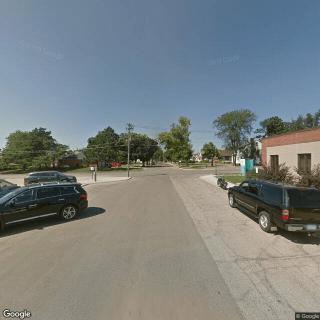


 Social Security Benefits and Assisted Living: Navigating Options Across the U.S.
 An Extensive Exploration of the VA Aid and Attendance Benefit
 Senior Transition Services: Understanding Their Role, Cost, and Importance