
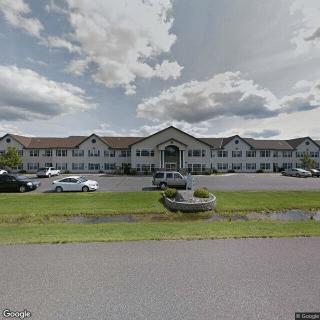
312 4Th Street, Ironton, MN 56455
For more information about senior living options: (866) 208-4318
Overall Review of Aide Home Health Care I
Cons
 The business is bad all around.
- The owner is not helpful.
- Things are confusing.
Review
Aide Home Health Care I in Ironton, MN appears best suited for families seeking at-home health assistance where the care relationship with individual caregivers can carry the day, and administrative friction is a secondary concern. The limited public impressions suggest that when things run smoothly, the arrangement centers on direct caregiver contact and flexible scheduling rather than a highly polished administrative experience. In practical terms, this provider may work for households that can tolerate some variability in how services are coordinated and who are willing to place trust in the caregivers delivering day-to-day support more than in the efficiency of the office.
That said, strong cautions emerge for families prioritizing dependable leadership and crystal-clear processes. Those who rely on consistent, proactive management, especially around care planning, billing, scheduling, and transitions, should consider alternatives. A recurring thread in the available feedback is a diminished sense of guidance from the owner, described as unhelpful and confusing. When the coordination of multiple moving parts matters, that dynamic can transform a straightforward care plan into ongoing frustration, eroding confidence in long-term arrangements.
From the small sample of reviews, the practical upside centers on the possibility of positive caregiver interactions. The presence of two five-star notes hints that some clients experienced satisfactory value and attentiveness at the caregiver level. However, the absence of detailed, corroborating information makes it difficult to rely on those positives as a reliable predictor of sustained quality or consistency. The contrast with the negative critique amplifies a risk: strong interpersonal care can exist, but it may be uneven if the administrative backbone lacks clarity and responsiveness.
The core tension is clear: capable caregivers may deliver good day-to-day care, yet without a responsive, transparent leadership and clear systems, families may bear the burden of coordinating care themselves. When the owner’s approach is described as confusing, the potential for miscommunications, missed updates, or billing disputes rises. For families who need predictable routines, documented care plans, and an easy path to raise concerns, these gaps lessen the appeal of sticking with this agency over time.
To make a well-supported decision, ask pointed questions and seek concrete commitments before enrollment. Inquire who directly manages care plans and updates, and how often families should expect communication about changes. Clarify scheduling protocols: who handles changes, what the lead time is, and how substitutions are managed if a caregiver is unavailable. Request a written outline of billing practices, payment terms, and what is included in standard services versus add-ons. Demand documented escalation steps for concerns and a recent set of references you can contact beyond the publicly posted reviews. If possible, arrange a sit-down meeting with the owner and a few prospective caregivers to gauge responsiveness and compatibility firsthand.
The bottom line is practical and decisive: Aide Home Health Care I may serve a niche segment of families who are comfortable managing logistics in parallel with solid caregiver performance. For households where leadership accessibility, program transparency, and straightforward administrative processes are nonnegotiable, alternatives with a proven track record of proactive management are worth pursuing. This agency can be a viable choice for those willing to tolerate a lean, caregiver-first model while accepting potential ambiguities in coordination. The prudent path is to verify leadership responsiveness, demand a clear care-planning framework, and secure strong references before committing.
 21 resident community capacity
 Assisted Living
 Beauty salon
 Cable or satellite TV
 Dining room
 Fully furnished
 Garden
 Housekeeping services
 Kitchenette
 Move-in coordination
 Outdoor space
 Restaurant-style dining
 Small library
 Telephone
 Wi-Fi/high-speed internet available
 Brainerd-Crow Wing County Regional (9 miles away)
 24-hour call system
 Activities of daily living assistance
 Assistance with bathing
 Assistance with dressing
 Assistance with transfers
 Diabetes diet
 Medication management
 Mental wellness program
 Special dietary restrictions
 Fully furnished apartments with 24-hour supervision, meals, medication management, and transportation to appointments.





 Assisted Living Support for Veterans: A Complete and Detailed Overview
 Exploring the Contrasts Between Assisted Living and Skilled Nursing
 8 Key Indicators That Suggest It May Be Time to Transition from Assisted Living to Skilled Nursing Care