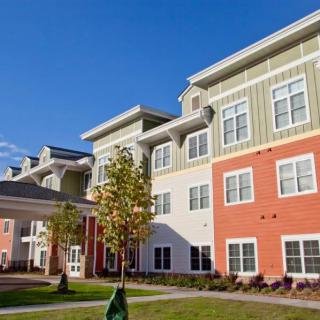
Good Life Senior Living Hugo

Save

  • Interior

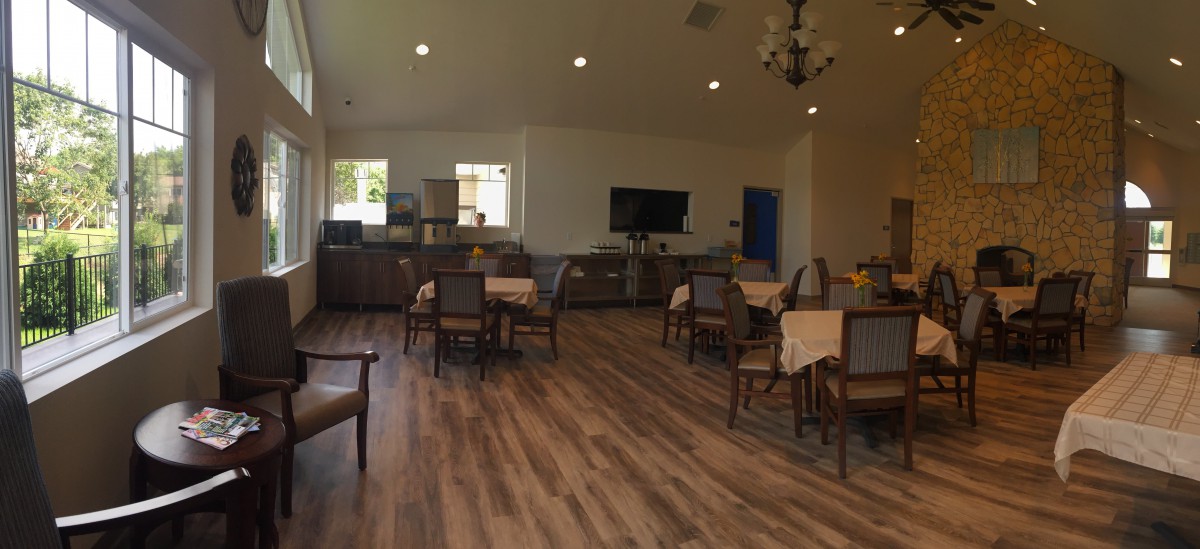
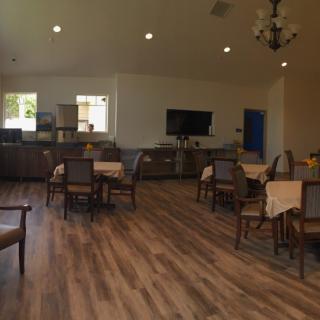
    A cozy dining area with multiple tables and chairs, featuring a television and chandelier.
  • Decor

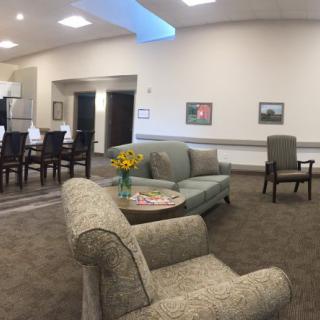
    A cozy living room with comfortable seating and floral decor.
  • Living Room

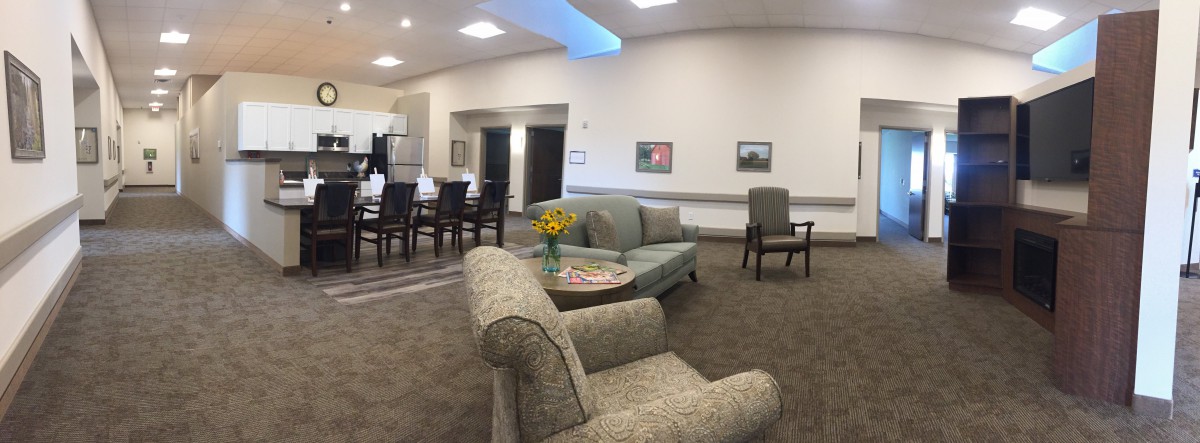
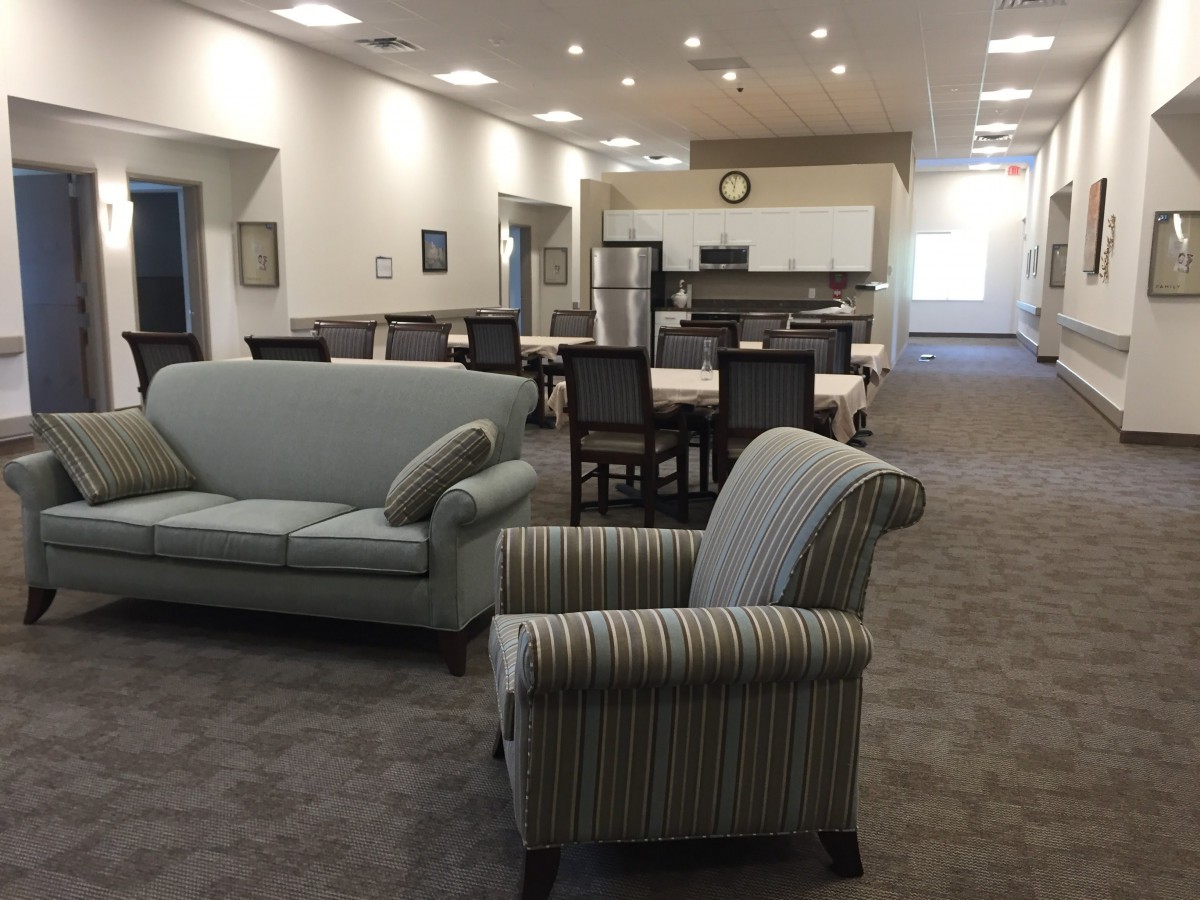
    A spacious living area featuring a sofa, armchair, dining table, and a kitchen in the background.
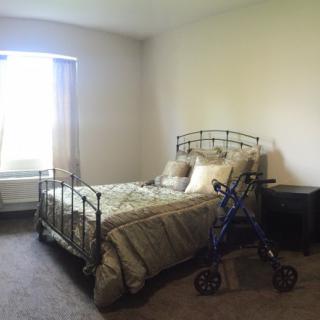
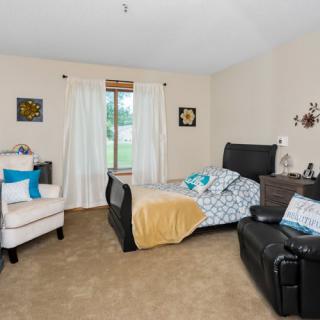
  • Bedroom

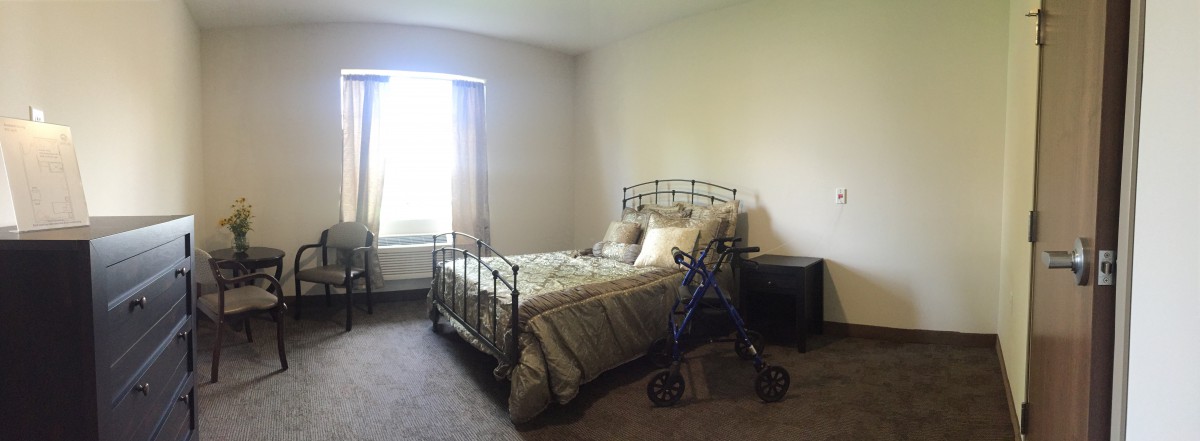
    A cozy bedroom with a bed, pillows, and a walker next to the nightstand.
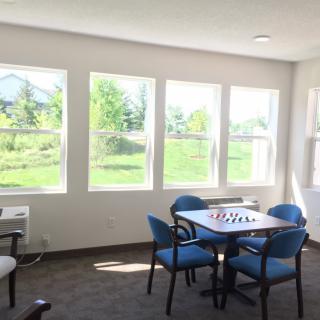
  • Windows

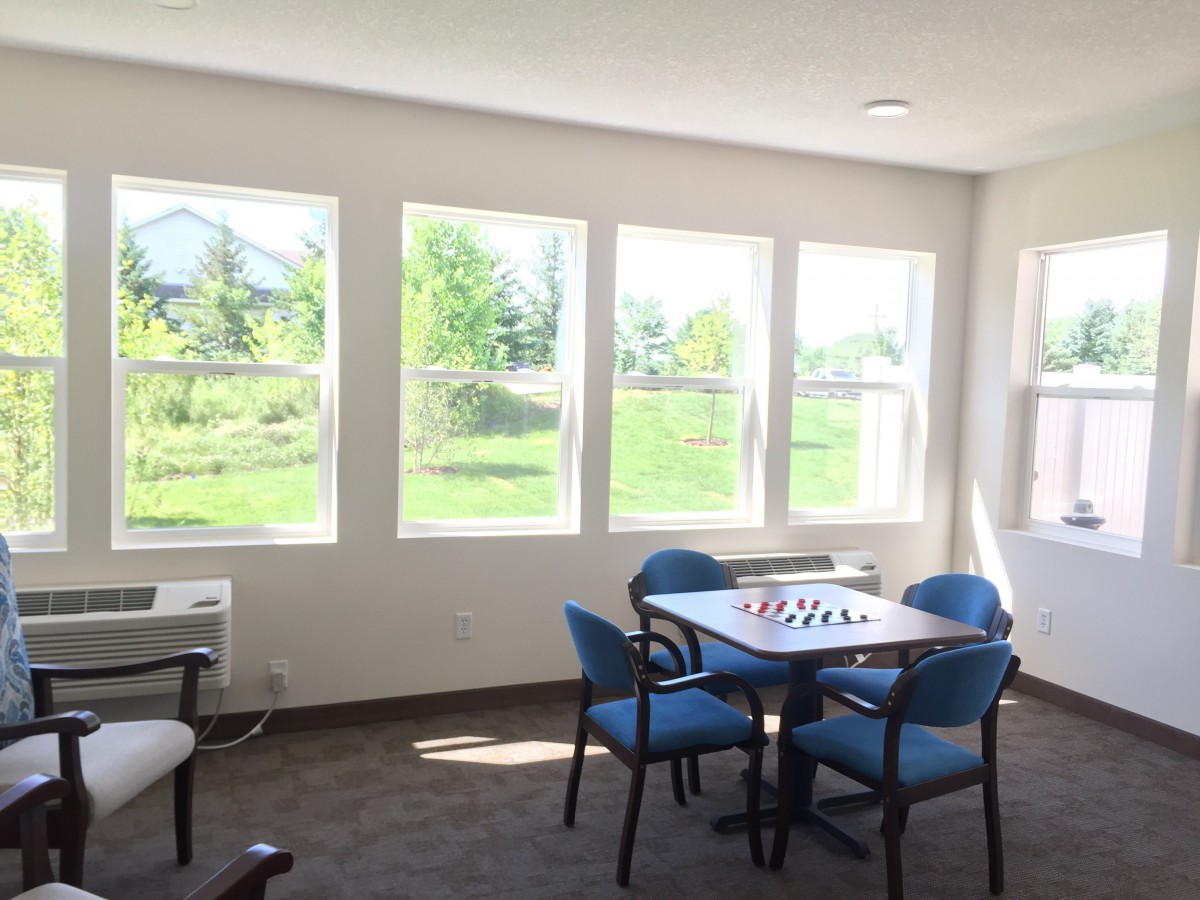
    A bright room with large windows, featuring a table and chairs, overlooking a green landscape.
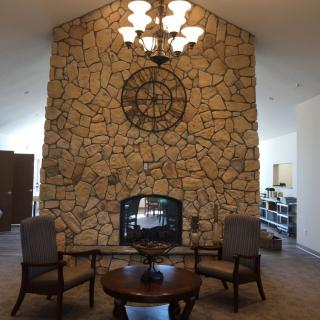
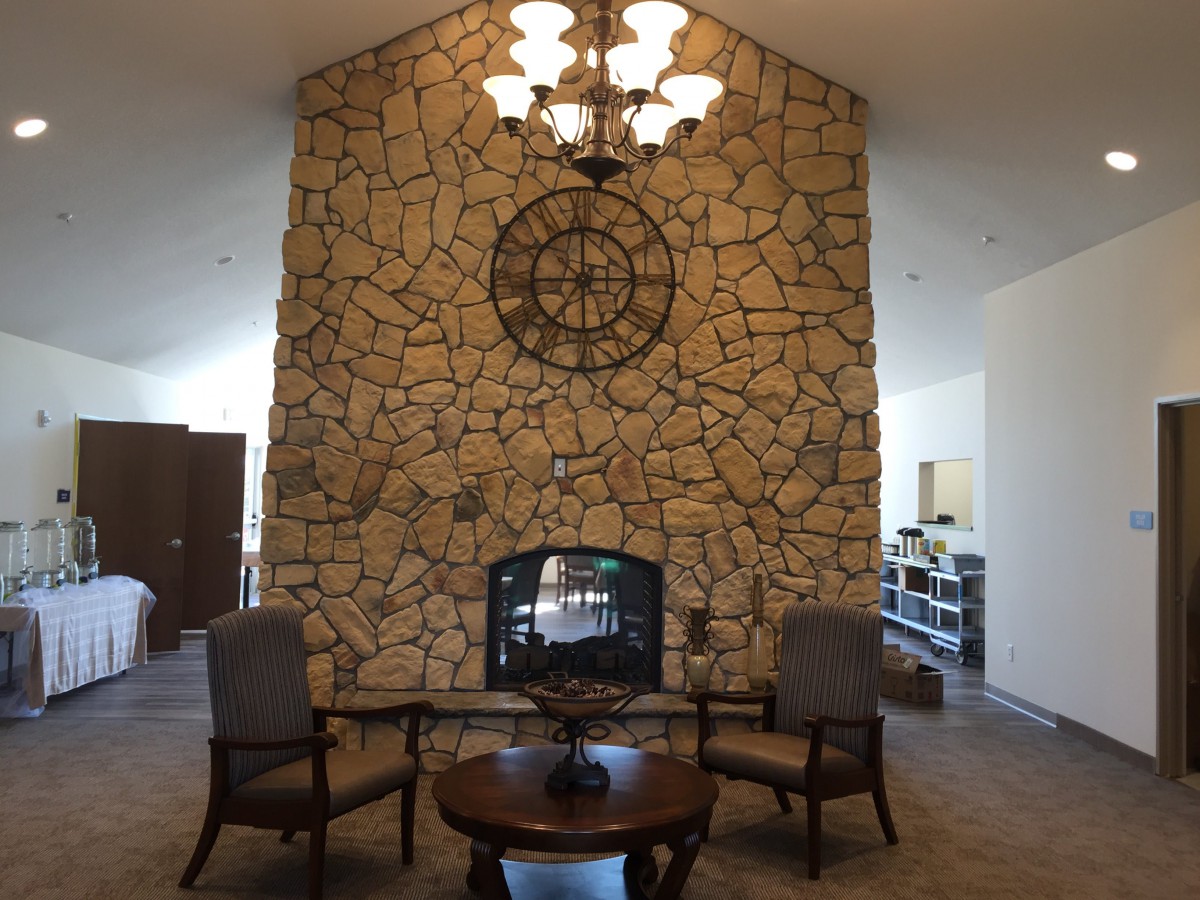
  • Lighting

    A cozy living room with a stone fireplace and elegant seating arrangement.
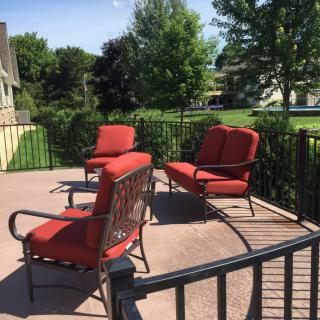
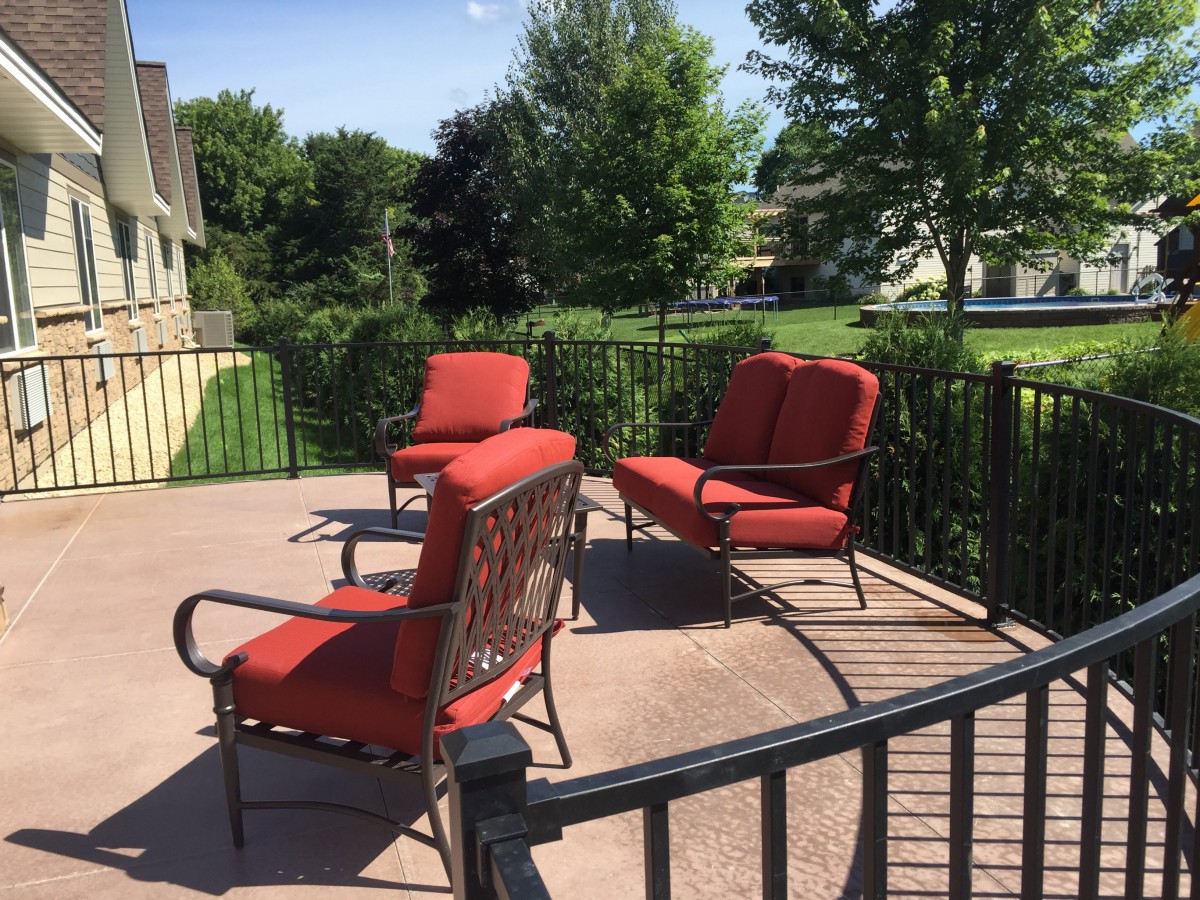
  • Garden

    A sunny patio with red cushioned outdoor furniture.

Good Life Senior Living Hugo

5260 127th St. N, Hugo, MN 55038

For more information about senior living options: (844) 490-3973

4 from 30 reviews
5 stars
21
4 stars
1
3 stars
1
2 stars
1
1 stars
6

Assisted Living Memory Care

Good Life Senior Living Hugo Costs & Pricing

Good Life Senior Living in Hugo offers a range of living options at competitive price points, reflecting the quality and amenities provided. For a studio unit, residents can expect to pay between $4,795 and $6,250 per month, which is notably higher than both the county average of $4,066 and the state average of $3,617. In contrast, the one-bedroom option is priced at $5,695, significantly exceeding the Washington County average of $2,771 and Minnesota's state average of $2,893. These costs suggest that while Good Life Senior Living may come with a premium price tag compared to its surroundings, residents are likely paying for enhanced services and facilities designed to support their senior living needs.

Floor plansGood Life Senior Living HugoWashington CountyMinnesota
Studio$4,795 to $6,250$4,066$3,617
1 Bedroom$5,695$2,771$2,893

What level of care are you interested in?

Assisted Living

Memory Care

Independent Living

Skilled Nursing Facility

Continuing Care Retirement Community (CCRC)CCRC

Other


Request a tour at Good Life Senior Living Hugo

    Overall Review of Good Life Senior Living Hugo

    Pros

    • pro Good Life Senior Living Center is described as a wonderful place for loved ones, with a clean, home-like environment and lots of engaging activities, and staff who are respectful, caring, and attentive.
    • pro Good Life Senior Living is a wonderful place where the staff are caring, attentive, and consistently treat residents with respect; the facility is clean, comfortable, and feels like home.
    • pro They take excellent care of residents; family members note that loved ones enjoy the activities and feel well-cared-for.
    • pro The staff provide prompt, detailed responses and stellar communication, making the process smoother for families.
    • pro Caring staff have gone above and beyond, helping with tours, transfers, hospice care, and other steps to support families.
    • pro The memory-care wing is excellent, with strong safety measures and a warm, welcoming atmosphere that includes social activities and accessible outdoor spaces.
    • pro The leadership and care team are praised for working hard to make the place feel like home and maintain a high standard of quality of life.

    Cons

    • pro The managers are described as weird, with microaggressions and micromanagement creating a stressful work environment where abuse is tolerated.
    • pro The facility is consistently short-staffed, leading to emergencies and a lack of remorse when belongings or residents are affected.
    • pro Staff turnover is extremely high and management is uncaring toward residents' needs.
    • pro A resident was found on the side of a highway and staff didn't know he was missing, with no routine checks performed afterward and injuries unreported.
    • pro There are concerns about inappropriate medication practices, including a high-dose trazodone given without proper monitoring, resulting in harm.
    • pro The director is alleged to have prioritized protecting the facility's reputation over resident safety.
    • pro Families report not being able to reach the facility by phone and experiencing delayed or absent responses.
    • pro Pricing is described as horribly expensive.

    Review

    Across the collection of observations about Good Life Senior Living Center, a clear pattern emerges: many families praise the facility for its warmth, cleanliness, and engaging environment, while others recount troubling experiences that raise serious safety and management concerns. The positive stories describe a home-like atmosphere where residents are cared for with genuine kindness, and where families feel heard and involved. Several reviewers point to a clean, comfortable building and an emphasis on meaningful activities that help residents stay connected and engaged. The memory-care wing is highlighted for its safety features, including locked doors and controlled access, which give families a sense that their loved ones are protected.

    A number of testimonials focus on exceptional staff interactions. Several families speak highly of specific team members - Wanda, Shelly, Desiree, Peg, and others - who are described as patient, proactive, and deeply involved in the resident's well-being. The phrases used include "PROMPT RESPONSES," "CARING STAFF," and "exemplary" service. Families recount how staff went the extra mile - participating in hospital visits to gather information, coordinating with hospice care, and guiding families through difficult transitions with warmth and professionalism. The sense of partnership with families, updates that arrive in a timely and detailed fashion, and a tangible respect for residents' dignity are frequently cited as reasons the center earns high marks in these accounts. For some, Good Life feels like a small, tightly knit community rather than a large institution, with activity calendars that include Bingo, ice cream socials, and other programs that bring residents together and create a sense of normalcy.

    Alongside the abundant praise, however, there are pointed and distressing reports of substantial problems. A recurring theme is staff shortages and high turnover, which some reviewers interpret as a lack of stability and consistent care. One reviewer describes a "stressful environment" with "micro aggression and micromanaging," while another warns prospective families to be cautious about the level of staffing and the overall management climate. A particularly stark critique asserts that the care team often seemed uncaring to the residents' needs, and that staff turnover was so high that it undermined reliability and trust. These perspectives paint a very different picture from the many glowing accounts and emphasize how critical stable staffing and responsive leadership are to the experience of residents and their families.

    Safety and medical concerns appear in several of the more negative narratives. One former family member recounts a deeply troubling sequence: a beloved parent with dementia going missing, being found on the side of a highway, and returning without immediate checks or documentation of injury. The account goes on to claim that no vital signs were checked, no falls were recorded, and that a medication - an unusually large dose of trazodone - was administered in a way that raised serious alarms. The reviewer asserts that leadership prioritized a negative Google review over the immediate welfare of the resident, and indicates they filed formal complaints with adult protective services, as well as county and state agencies and Medicare. These experiences, if accurate, suggest gaps in supervision, incident reporting, and crisis response that understandably shake trust.

    The most severe narratives describe experiences that feel not only distressing but potentially dangerous. One family member describes a short stay that ended with EMT involvement and a rapid change in the resident's condition, followed by assertions of inadequate monitoring and poor communication about health changes. The same reviewer accuses staff of neglecting basic checks after injuries, failing to respond promptly to medical needs, and providing care that led to a marked decline in a loved one's health. These are the kinds of claims that would typically trigger a formal review by regulatory bodies and push families toward seeking alternative arrangements after such experiences. The tone across these passages is one of fear for loved ones and frustration with how concerns were handled by the facility's leadership.

    In balancing these divergent narratives, readers can observe a nuanced portrait of Good Life Senior Living Center. On one hand, the facility is described as bright, clean, and welcoming, with meaningful activities, strong family communication, and a core of staff who consistently demonstrate care and respect. On the other hand, there are serious, well-articulated concerns about staffing stability, management responsiveness, and safety practices. Several families emphasize that their conclusions about the center depend heavily on personal experience and specific staff interactions, underscoring how much individual staff behavior and leadership decisions matter in a setting like this. The overall picture suggests a place with strong potential when well-staffed and well-managed, but with significant risks if staffing, supervision, and accountability falter.

    Prospective families weighing Good Life's services would do well to investigate a few critical areas in depth. Direct conversations with current residents and family members about staffing levels, turnover, and incident reporting can illuminate whether the day-to-day experience matches the facility's strengths described in the positive reviews. It would be prudent to request recent inspection and incident records, understand medication administration practices, and inquire about safeguards for memory-care residents, such as door security and routine checks. Visiting the facility at varied times, meeting multiple staff members, and asking for references from families with residents in similar care levels can help paint a fuller, more reliable picture. Ultimately, the stories here reflect a care setting capable of both remarkable compassion and alarming gaps - an important reminder that in senior care, consistent, accountable leadership and a stable, well-supported staff are as crucial as the warmth of a welcome and the comfort of a home-like environment.

    Features

    Types of Care

    • Assisted Living Assisted LivingAssisted living facilities provide crucial support and care for seniors who may need help with daily tasks such as medication management, bathing, and meal preparation. These communities offer a safe and comfortable environment where seniors can maintain their independence while receiving the assistance they need to thrive in their golden years.
    • Memory Care Memory CareMemory care is crucial for seniors as it provides specialized support and services for individuals with dementia or Alzheimer's disease. These programs offer a safe and secure environment where residents receive personalized care, cognitive stimulation, and help with daily activities. Memory care helps seniors maintain their independence, quality of life, and dignity while also providing peace of mind for their families.

    Pets

    • Cats allowed Cats allowed"Pet friendly" senior living communities are important for seniors because pets provide companionship, reduce feelings of loneliness and depression, promote physical activity and mental stimulation, and offer a sense of purpose and responsibility. Pets can improve overall well-being and quality of life for seniors in many ways.

    Amenities

    • Activities on-site Activities on-siteActivities on-site are important for seniors because they provide opportunities for socialization, mental stimulation, physical activity, and overall well-being. Engaging in activities can help seniors stay active, maintain their independence, and improve their quality of life.
    • Air-conditioning Air-conditioningAir conditioning is important for seniors as they are more vulnerable to heat-related illnesses and may have underlying health conditions that make it difficult for them to regulate their body temperature. It helps to keep them comfortable, safe, and healthy in hot weather.
    • Bath tubs Bath tubsBath tubs are important for seniors because they provide a safe and relaxing way to bathe, helping to prevent slips and falls while promoting independence and overall well-being.
    • Beautician on-site Beautician on-siteHaving a beautician on-site at a senior living community is important for seniors as it allows them to easily access grooming and personal care services, boosting their self-esteem and overall well-being. It also provides convenience and helps seniors maintain their sense of independence and personal style.
    • Cable or satellite TV Cable or satellite TVCable or satellite TV is important for seniors because it provides entertainment, news, and companionship, helping to combat loneliness and boredom. It also offers a wide range of programming options tailored to different interests and preferences.
    • Devotional services on-site Devotional services on-siteDevotional services on-site provide seniors with spiritual support and a sense of community, as well as an opportunity for reflection and guidance during their senior living experience. This can promote emotional well-being and connection to others, leading to a more fulfilling and enriching lifestyle in their later years.
    • Ground floor units Ground floor unitsGround floor units are important for seniors because they provide easy accessibility, reduced risk of falls and injuries, and convenience for those with mobility issues. Seniors can avoid climbing stairs or using elevators, making daily tasks and activities more manageable and enjoyable.
    • Handicap accessible Handicap accessible"Handicap accessible" amenities are crucial for seniors to ensure they can easily navigate and access facilities, services, and activities without barriers or limitations due to physical impairments. This promotes independence, safety, and inclusivity for seniors in senior living communities.
    • Indoor common areas Indoor common areasIndoor common areas are crucial for seniors as they provide a space for socialization, recreation, and community engagement, promoting overall well-being and reducing feelings of isolation and loneliness.
    • Outdoor common areas Outdoor common areasOutdoor common areas are important for seniors as they provide a space for socialization, physical activity, and relaxation. Being outside in nature can improve mood and overall well-being, while also encouraging movement and engagement with others. These spaces can help combat feelings of isolation and promote a sense of community among residents.
    • Respite or short term stays offered Respite or short term stays offeredRespite or short term stays provide seniors with a temporary solution when their regular caregiver is unavailable, offering them the opportunity to receive additional care and support during times of need, while also giving caregivers a chance to rest and recharge.
    • Wheelchair accessible showers Wheelchair accessible showersWheelchair accessible showers are crucial for seniors as they provide a safe and independent bathing option for those with mobility challenges. These showers help prevent falls and allow seniors to maintain their dignity and autonomy while ensuring they can bathe comfortably.
    • Wi-Fi/high-speed internet available Wi-Fi/high-speed internet availableWi-Fi/high-speed internet is important for seniors to stay connected with loved ones, access online resources, and participate in virtual activities to combat feelings of loneliness and isolation. It also allows them to easily manage healthcare needs, access entertainment, and engage in lifelong learning opportunities.

    Transportation

    • Minneapolis-St Paul International (21 miles away) Minneapolis-St Paul International (21 miles away)

    Care Services

    • Ambulatory care Ambulatory care"Ambulatory care services provide essential medical support and treatment to seniors without requiring hospitalization, allowing them to maintain their independence and quality of life while managing chronic conditions or receiving routine medical care."
    • Diabetic care Diabetic careDiabetic care is crucial for seniors as they are more susceptible to developing diabetes due to aging and other health conditions. Proper management of diabetes can help prevent complications such as heart disease, vision loss, and nerve damage, improving the overall quality of life for seniors in senior living communities.
    • Incontinence care Incontinence careIncontinence care is essential for seniors to maintain their dignity, hygiene, and overall quality of life. By addressing incontinence issues promptly and effectively, seniors can enjoy a sense of independence and comfort in their daily activities.
    • Medication management Medication managementMedication management is crucial for seniors to ensure they are taking the right medications at the correct dosages and times. This helps prevent adverse drug interactions, reduces the risk of medication errors, and promotes overall health and well-being. Proactive management also allows for adjustments as needed based on changing health conditions or new prescriptions.

    Dining

    • Gluten-free Gluten-freeGluten-free options are important for seniors as they are more prone to digestive issues and dietary sensitivities. Offering gluten-free meal choices in senior living communities can help improve their overall health and well-being.
    • Guest meals Guest mealsGuest meals are important for seniors living in senior living communities because they provide an opportunity for socialization and companionship. Sharing a meal with friends, family, or new acquaintances can help combat feelings of loneliness and isolation, promote a sense of community, and enhance overall well-being. Additionally, guest meals allow seniors to enjoy delicious food in a comfortable setting without the hassle of cooking or cleaning up, making dining a pleasurable and stress-free experience.
    • Kosher KosherKosher options are important for seniors because they adhere to dietary laws that are significant to many Jewish individuals, providing them with peace of mind and an opportunity to maintain their cultural traditions and beliefs while living in a senior living community.
    • Low / no sodium Low / no sodiumLow/no sodium options are important for seniors because excessive sodium intake can lead to high blood pressure, heart disease, and other health issues commonly experienced by older adults. By choosing low/no sodium foods, seniors can better manage their health and reduce their risk of developing these conditions.
    • Meals provided Meals provided"Meals provided" are crucial for seniors in assisted living communities as it ensures they have access to nutritious, balanced meals without the stress of meal planning and preparation. This can help promote overall health and well-being for seniors who may have limited mobility or cognitive abilities.
    • No Sugar No SugarNo sugar diets are important for seniors because they can help prevent or manage chronic conditions such as diabetes, heart disease, and obesity. Sugar can also contribute to cognitive decline and inflammation in the body, so reducing sugar intake can lead to overall improved health and well-being in older adults.
    • Professional chef Professional chefProfessional chefs are important for seniors living in senior living communities because they provide nutritious and delicious meals that cater to their dietary needs and preferences. A professional chef can ensure that seniors are receiving balanced, flavorful meals that support their overall health and well-being.
    • Restaurant style dining Restaurant style diningRestaurant style dining is important for seniors as it offers them a social and enjoyable dining experience, promotes healthy eating habits, and provides personalized menu options to cater to their dietary needs and preferences. This type of dining setting can enhance their overall quality of life and create a sense of community within the senior living facility.
    • Vegan VeganVegan diets can provide numerous health benefits for seniors, including lower risk of chronic diseases, improved digestion, and increased energy levels. Additionally, plant-based diets are often rich in essential nutrients that can support overall well-being and longevity in older adults.
    • Vegetarian VegetarianA vegetarian diet is important for seniors because it can help lower the risk of chronic diseases, maintain a healthy weight, and provide essential nutrients needed for aging bodies. Additionally, plant-based diets are often easier on digestive systems and can contribute to overall well-being in older adults.

    Activities

    • Art classes Art classesArt classes are important for seniors because they provide a creative outlet, improve cognitive function, reduce stress and anxiety, promote socialization, and enhance overall well-being and quality of life.
    • Cooking classes Cooking classesCooking classes are important for seniors as they provide opportunities for social interaction, enhance cognitive skills, promote healthy eating habits, and boost confidence in the kitchen.
    • Devotional activities on-site Devotional activities on-siteDevotional activities on-site provide seniors with a sense of community, spiritual fulfillment, and emotional support, promoting overall well-being and a positive sense of purpose in their lives.
    • Educational speakers / life long learning Educational speakers / life long learningEducational speakers and lifelong learning opportunities are crucial for seniors as they provide mental stimulation, promote social engagement, and contribute to overall well-being. Continuous learning helps seniors stay mentally sharp, build new skills, and maintain a sense of purpose and fulfillment in their lives. It also allows them to stay connected to the world around them and fosters a sense of community within senior living facilities.
    • Live dance or theater performances Live dance or theater performancesLive dance or theater performances are important for seniors because they provide opportunities for socialization, mental stimulation, and emotional engagement. These performances can help combat feelings of isolation and loneliness, while also offering a sense of connection to the arts and culture. Additionally, watching live performances can bring joy and create lasting memories for seniors in their later years.
    • Live musical performances Live musical performancesLive musical performances can provide seniors with a sense of joy, nostalgia, and connection. Music has the power to evoke emotions and memories, improve mood and cognitive function, and foster social interaction among seniors. It can also serve as a form of therapy and stress relief for older adults, making it an important activity to include in senior living communities.
    • Other religious services Other religious servicesOther religious services are important for seniors as they provide a sense of community, spiritual comfort, and opportunities for socializing. These services can help seniors feel connected to their faith and maintain a sense of purpose and belonging in their later years.
    • Stretching classes Stretching classesStretching classes are important for seniors because they help improve flexibility, reduce the risk of injury, and promote overall health and well-being. Regular stretching can also help alleviate joint pain and stiffness, enhance balance and coordination, and increase range of motion.
    • Visiting chaplain or priest Visiting chaplain or priestHaving a visiting chaplain or priest at a senior living community is important for seniors because it provides spiritual support, comfort, and guidance during a time of life that can be challenging and uncertain. Their presence can help seniors feel connected to their faith, find peace of mind, and cope with the emotional and mental struggles they may face in their later years.

    • Yoga / chair yoga Yoga / chair yogaYoga and chair yoga are important for seniors as they promote flexibility, balance, strength, and overall wellbeing. These practices can help improve mobility, reduce stress, and enhance mental clarity, ultimately leading to a higher quality of life in their senior years.

    Description

    Good Life Senior Living Hugo is an assisted living community located in Hugo, MN. This community specializes in memory care, providing a safe and supportive environment for seniors with Alzheimer's or other forms of dementia.

    The community offers a range of amenities to ensure the comfort and enjoyment of its residents. Each unit is equipped with air-conditioning and features ground floor access for easy mobility. Residents can relax and unwind in the indoor and outdoor common areas, or take advantage of the on-site beautician for personal grooming needs. Cable or satellite TV is available in each unit for entertainment purposes, while Wi-Fi/high-speed internet ensures connectivity.

    The care services at Good Life Senior Living Hugo are designed to meet the unique needs of memory care residents. The trained staff provides assistance with diabetic care and management, as well as incontinence care when necessary. Medication management is also provided to ensure that residents receive their medications accurately and on time.

    Dining at Good Life Senior Living Hugo is a delightful experience. Residents can enjoy delicious meals prepared by a professional chef in a restaurant-style dining setting. The menu caters to various dietary needs, including kosher, low/no sodium, no sugar, vegan, and vegetarian options. Guest meals are also available for visiting family members or friends.

    To promote an engaging lifestyle, the community offers a variety of activities for residents to participate in. Cooking classes allow individuals to explore their culinary skills, while educational speakers provide opportunities for lifelong learning. Live dance or theater performances and live musical performances offer entertainment options within the community. Devotional activities and other religious services cater to spiritual needs, while stretching classes and yoga/chair yoga keep residents active and promote physical well-being.

    Good Life Senior Living Hugo is conveniently located near several amenities that enhance the quality of life for its residents. There are cafes, parks, pharmacies, physicians' offices, restaurants, and places of worship nearby.

    Overall, Good Life Senior Living Hugo provides exceptional memory care services in a beautiful and comfortable setting. With its range of amenities, personalized care services, delicious dining options, and engaging activities, this community ensures that seniors live a good life in their golden years.

    Nearby Places of Interest

    Located in the charming town of Hugo, Minnesota, this area offers a variety of amenities and services that cater to seniors looking for a comfortable and convenient living environment. With several parks nearby such as Red Pine Park and Lake Varney Park, residents can enjoy the beauty of nature and outdoor activities. There are also numerous dining options including Subway and Blue Heron Grill, providing easy access to delicious meals. For healthcare needs, there are reputable physicians and pharmacies within a short distance, ensuring quality medical care. Places of worship such as St Mary of the Lake Church offer spiritual support for those seeking community involvement. Additionally, transportation options like Lino Air Park make it easy for seniors to travel when needed. Overall, this part of Hugo provides a tranquil setting with essential amenities, making it an ideal choice for senior living.

    Parks

    • Red Pine Park (1.1 miles)
    • Lake Varney Park (6.2 miles)
    • Bear Park (6.6 miles)
    • Legacy Pines Park (7.2 miles)
    • Playcrest Park (7.2 miles)
    • Joy Park (7.2 miles)
    • Snail Lake Regional Park (7.6 miles)

    Restaurants

    • Subway (2 miles)
    • Blue Heron Grill (2.2 miles)
    • Rudy's Redeye Grill (3.1 miles)
    • Eat at Banning and Fifth (3.4 miles)
    • Kelly's Korner (3.4 miles)
    • The Alchemist (3.4 miles)
    • Big Wood Brewery (3.5 miles)

    Physicians

    • Associated Eye Care Lt (2 miles)
    • Health Partners HUGO Clinic (2.1 miles)
    • Northeast Eye Care Of Hugo (2.1 miles)
    • Fairview Clinics (2.1 miles)
    • Jaksa Stephen W DDS (3.3 miles)
    • Victhom Human Bionics (4.9 miles)
    • Suburban Radiology (6.2 miles)

    Pharmacies

    • Fairview Pharmacy Services (2.1 miles)
    • CVS Pharmacy (3.3 miles)
    • Walgreens (4.7 miles)
    • CVS Pharmacy (5.9 miles)
    • Walgreens (6.8 miles)
    • Walgreens (7.4 miles)
    • CVS Pharmacy (8.9 miles)

    Places of Worship

    • St Mary of the Lake Church (3.6 miles)
    • Shepherd of the Hills Lutheran Church (8.2 miles)
    • Hosanna Lutheran Church (9 miles)
    • North Heights Lutheran Church (9.3 miles)

    Cafes

    • Starbucks (4.8 miles)
    • Caribou Coffee (6.2 miles)
    • Starbucks (9 miles)

    Theaters

    • Oakdale Cinema Oakdale, Mn (7.3 miles)

    Hospitals

    • St John's Hospital-Maplewood (7.5 miles)
    • Stillwater Good Samaritan Center (10 miles)

    Transportation

    • Lino Air Park (7.6 miles)

    Frequently Asked Questions

    How much does it cost to live at Good Life Senior Living Hugo in Hugo, MN?
    Where is Good Life Senior Living Hugo?
    Does Good Life Senior Living Hugo provide care for residents with dementia or Alzheimer's disease?
    Does Good Life Senior Living Hugo allow residents to have pets?
    What photos are available for Good Life Senior Living Hugo in Hugo, Minnesota?

    Nearby Communities

    Related Resources

    • delirium vs dementiaDelirium and Dementia: Unraveling the Key Differences

      Delirium is a rapidly onset, reversible cognitive disturbance often caused by acute medical issues, while dementia is a gradual and irreversible decline due to chronic neurodegenerative diseases. Accurate differentiation between the two is essential for appropriate treatment and management in older adults.

    • can you die from dementiaAre Dementia and Alzheimer's Disease Lethal? A Comprehensive Exploration

      Dementia, including Alzheimer’s disease, is often mischaracterized in terms of lethality as it leads to complications that can be fatal rather than being a direct cause of death; it causes a progressive decline in cognitive and physical health, making patients vulnerable to infections and other health crises. Effective management of nutrition, hydration, and communication is crucial in patient care, with palliative care becoming vital in advanced stages to enhance comfort and quality of life while caregivers play a key role amidst the challenges posed by the disease.

    • reminiscence therapyExploring the Power of Reminiscence Therapy for Individuals With Dementia
      Reminiscence therapy helps individuals with dementia recall past memories through structured discussions and meaningful objects, enhancing mood, relationships, and sense of identity while celebrating their lives. It can be practiced in formal settings or at home, requiring sensitivity to personal histories and cultural backgrounds.


    Get Pricing Ask A Question Schedule A Tour Contact Senior Advisor