
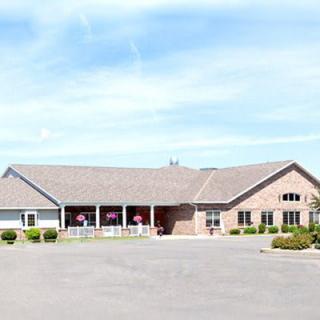
1507 E 41st St, Hibbing, MN 55746
To contact a resident: (218) 263-3641
For more information about senior living options: (866) 208-4318
Overall Review of Hillcrest Terrace
Pros
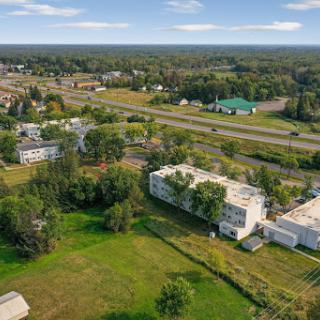
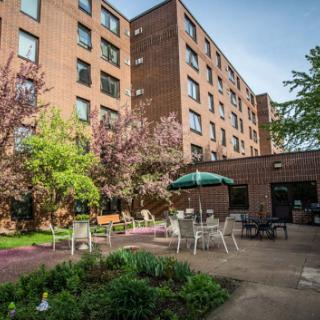
 The facility is described as nice, orderly, and clean.
- It is portrayed as a clean and well-kept environment.
- The reviewer indicates they expect to like the place, showing a positive impression.
Cons
 The facility denies medical care when residents ask to see a doctor.
- The neglect has left a resident hospitalized for over a week.
- A police report has been filed against the facility.
- The staff are rude and neglectful toward residents.
- The facility should be charged and shut down.
- The facility smells horrid and its cleanliness is putrid.
- Residents sit at the table all day while staff play on their cell phones.
- Some staff may seem certified but most are not, and they allegedly pass pills, poke residents with needles, and sneak pills into residents' food.
Review
Hillcrest Terrace in Hibbing, Minnesota is not a general fit for seniors seeking reliable, respectful care. The facility’s current trajectory, as reflected in multiple firsthand accounts, is best described as unstable for anyone who depends on consistent medical oversight or expects a dignified living environment. The few positive notes about it being orderly and clean do little to mask the essential problem: a system where safety and well-being are not consistently prioritized. For families needing predictable, attentive care day in and day out, Hillcrest Terrace does not deliver a solid foundation.
Thus, the community is best avoided by those with ongoing medical needs or cognitive impairments that require steady physician access, timely medication management, and proactive health monitoring. Residents who rely on timely doctor visits, proper interventions for conditions that demand close supervision, or careful monitoring of health issues should look elsewhere. Families who cannot be physically present frequently or cannot maintain a robust oversight regime should especially consider alternatives, because the risk of neglect or delayed care rises when oversight gaps open. In short, Hillcrest Terrace is not a safe bet for anyone who expects a reliably well-run facility with accountable staff.
Even when cleanliness or order appears decent, the critical elements of care, communication, responsiveness, medical safety, and respectful treatment, are where the red flags erupt. The most telling remarks describe a sterile-looking environment that belies deeper problems: residents who sit idle for long stretches, staff distracted by personal devices, and a culture that places routine tasks on the back burner. The one-star and police-involvement accounts emphasize rude, inattentive behavior and an alarming willingness to engage in risky medication practices. Against that backdrop, any minor organizational advantages become irrelevant noise.
Specific allegations drive the risk profile: requests to see a doctor are reportedly denied, leading to extended hospital stays and even police involvement. The claim that residents are involuntarily medicated, or that pills are slipped into food, points to a breakdown in safeguards around prescription medications. A pattern of staff turnover, limited training, and insufficient supervision create a cycle where residents feel unseen and unsafe. The environmental cues, an unpleasant odor and neglected cleanliness, reinforce the impression that basic comfort and dignity are not reliably maintained, undermining trust in daily routines and care delivery.
From a decision-making standpoint, families must demand robust information and verifiable processes if considering this facility. Ask for the exact nurse-to-resident ratio on day and night shifts, the credentials and ongoing training of caregivers, and how frequently medication errors or incidents are logged and resolved. Request recent inspection findings and any corrective action plans, plus opportunities to speak with current residents and their families about day-to-day life. Conduct unannounced visits to observe how staff interact, monitor how meals are served, and check whether residents are engaged in meaningful activities. If worries persist, engage the state long-term care ombudsman and compare experiences against other local facilities with stronger safety and care records.
Ultimately, Hillcrest Terrace should only be considered if the alternative is placement in a facility with a known record of safety failures elsewhere; otherwise proceed with caution and prioritize facilities that can demonstrate reliable medical oversight, compassionate staff, and a clean, engaging environment. For most families, the prudent path is to pursue options with stronger staffing, transparent governance, and proven outcomes in resident well-being. The Hibbing area offers alternatives that align with a standard of care that families cannot afford to gamble away, particularly when loved ones rely on consistent medical attention and respectful daily living. In short: avoid this facility unless nothing else is available and an aggressive oversight plan is in place.
 Assisted Living
 Activities on-site
 Devotional services off-site
 Indoor common areas
 Chisholm-Hibbing (4 miles away)
 Ambulatory care
 Diabetic care
 Meals provided
 Vibrant Senior Living: A Comprehensive Guide for Active Older Adults
 When to Transition from Assisted Living to Memory Care: Key Indicators, Steps, and Finding the Right Community
 Assisted Living and Memory Care: Understanding Their Core Differences