
367 South West 4Th Street, Forest Lake, MN 55025
For more information about senior living options: (866) 208-4318
Overall Review of Elder Haven Residential Care
Pros
 The facility is a nice, cozy place for people who need memory care.
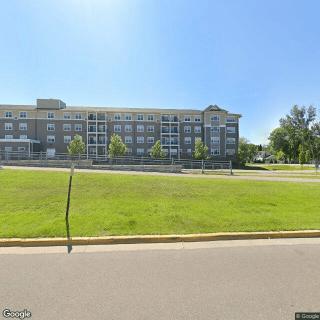
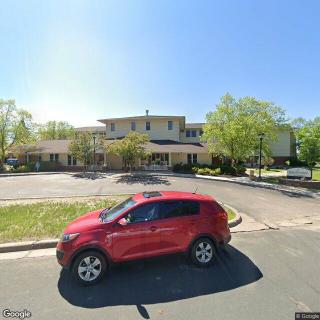
- It is a rambler-style house with a max of 6–7 residents, where residents are well looked after and live in a family-style setting.
- The experience is very homely for residents.
- The aides are always caring toward residents and visitors.
Review
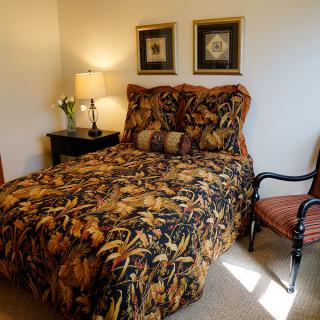
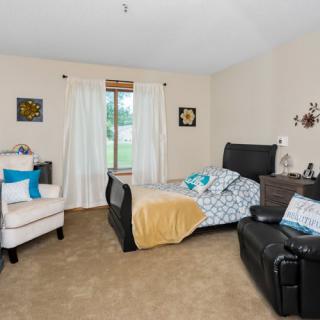
Elder Haven Residential Care in Forest Lake is best suited for seniors who need memory care in a small, home-like setting. The rambler-style house typically hosts six to seven residents, which translates into a level of familiarity and supervision rare in larger facilities. Families report a cozy, family-style atmosphere where caregivers know residents personally, respond quickly to cues, and weave daily routines into a comforting, predictable rhythm. For memory care specifically, this arrangement can mitigate confusion and agitation by minimizing the sensory overload often found in bigger communities, while still delivering attentive, consistent support.
Those who may want alternatives include families seeking a broader slate of programming, stronger on-site medical staffing, or more robust emergency resources. A larger memory care community or traditional assisted living with round-the-clock nursing can offer more activities, therapy options, and professional oversight that some residents require as conditions evolve. Individuals expecting extensive occupational therapy, speech therapy, or complex medication management may find the small house less equipped to meet escalating needs. In short, when medical complexity or the desire for a more structured day-to-day calendar becomes a priority, other options merit comparison.
On the upside, the primary advantages are immediate: a truly intimate care team, a homelike environment, and frequent, meaningful resident-family interactions. Aides have been described as consistently caring, with visitors noting warmth, attentiveness, and a tendency to treat residents like family. The small footprint means staff can notice subtle changes quickly and tailor responses to individual memory-care challenges. These strengths act as a strong counterweight to the constraints of a six-to-seven-person house: while programming and resources are naturally modest, the level of personalized attention is unusually high for this setting.
However, the same small size creates some practical limits. With a tight staff-to-resident ratio and a finite number of daily activities, opportunities for variety and advanced clinical services may be limited compared with larger facilities. Privacy and independence can feel more constrained, simply because the home-like space is compact and routines are tightly managed. Families should verify how care plans are developed and updated, how medications are handled, and who is available during evenings and weekends. For residents who require frequent medical nursing oversight, or who need rapid access to therapy services, these factors can be meaningful downsides.
Decision guidance should center on priorities. If warmth, continuous supervision, and easy family access to caregiving routines top the list, Elder Haven offers compelling value. The environment supports memory-care residents who thrive on predictable days, close caregiver relationships, and a sense of belonging in a small community. Prospective buyers should visit at different times, meet the caregiving team, and review how safety features are managed in circulation and wandering risk. Compare with other communities that boast larger activity calendars, on-site physicians, and comprehensive rehab programs to ensure the chosen option aligns with current and anticipated needs.
Bottom line: Elder Haven Residential Care delivers a rare combination of memory-care focus and intimate, homelike living. For families prioritizing close, compassionate attention and a calm, predictable routine, it stands out as a strong choice. Those seeking robust programming, wide-ranging therapies, or intensive medical oversight should consider alternatives with greater scale. The decision hinges on balancing the value of personal attention and low-stress living against the need for broader services as care needs evolve.
 6 resident community capacity
 Assisted Living
 Cable or satellite TV
 Dining room
 Fully furnished
 Garden
 Housekeeping services
 Move-in coordination
 Outdoor space
 Telephone
 Wi-Fi/high-speed internet available
 24-hour supervision
 Activities of daily living assistance
 Assistance with bathing
 Assistance with dressing
 Assistance with transfers
 Diabetes diet
 Meal preparation and service
 Medication management
 Special dietary restrictions
 Transportation arrangement (medical)
 Transportation to doctors appointments



 Comprehensive Residential Support and Assisted Living Solutions for Individuals with Disabilities
 Comprehensive Supportive Living Arrangements for Adults with Disabilities
 Funding and Affording Assisted Living: A Thorough Overview