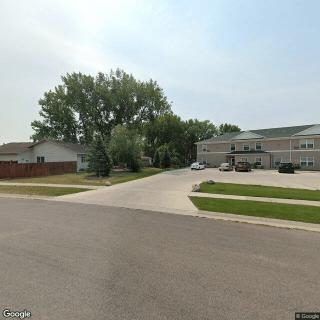
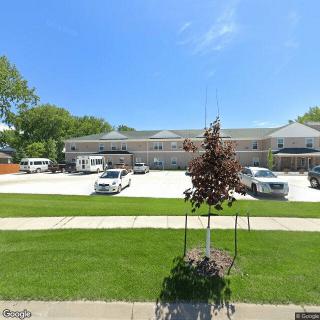
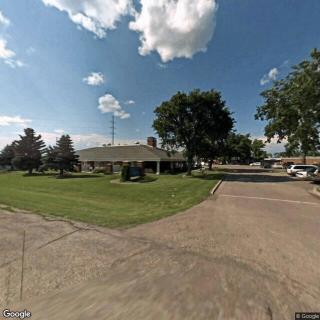
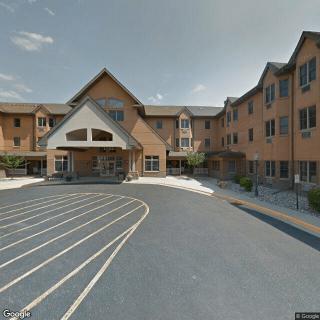
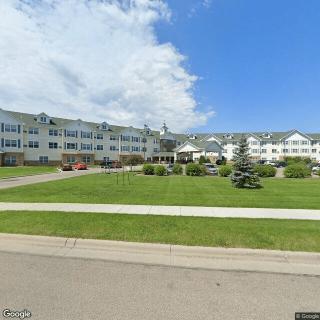
Serenity Assisted Living III in Dilworth, MN

1251 3Rd Avenue Nw, Dilworth, MN 56529

For more information about senior living options: (844) 490-3973

4.3 from 11 reviews
5 stars
9
4 stars
0
3 stars
0
2 stars
0
1 stars
2

Overall Review of Serenity Assisted Living III

Pros

  • pro The staff are absolutely amazing, caring, and welcoming, making Serenity a truly great place.
  • pro Serenity provides personalized and compassionate care, giving families peace of mind.
  • pro The leadership team and volunteers feel the great energy and happiness that surrounds Serenity.
  • pro The staff cared for residents in a professional yet loving manner.
  • pro Care at Serenity is sincere and attentive to residents.
  • pro The staff are wonderful at accommodating residents, always cheerful and helpful.
  • pro Serenity is a great place to live or work, with supportive staff and friendly residents.
  • pro The facility is family-run, known for excellent care and readily available staff.
  • pro Serenity Assisted Living and Memory Facilities are involved in the community and provide engaging activities and strong nursing care.
  • pro The Anderson family is generous and devoted to helping others, reflecting the caring culture at Serenity.
  • pro Serenity has competent, friendly staff, a clean, seasonally decorated environment, and daily laughter and new experiences.

Cons

  • pro The staff did nothing to relieve the grandmother's constipation and instead placed her on hospice.
  • pro The front desk told the family the grandmother was due for another dose when she tried to get out of bed.
  • pro The reviewer claims the staff are murderers.
  • pro The reviewer states Serenity disgusts them to the core.
  • pro The family was not informed of the grandmother's death and she died alone.
  • pro The reviewer accuses Denice of lying.

Review

Serenity Assisted Living III is best suited for families seeking a small, family-run community in Dilworth that prioritizes daily engagement and personalized attention, especially for residents navigating memory challenges. The campus feels intimate: staff known by name, a culture of warm interaction, and a dedicated memory-care footprint with separate buildings for different stages of dementia. Families note that residents participate in frequent activities, meals feel homey, and caregivers value continuity. For seniors who want stability, recognizable faces, and a sense of belonging in a residential setting rather than a large institution, Serenity offers a compelling fit.

Alternatives should be considered for residents with high medical complexity or families prioritizing airtight oversight and transparent crisis communication. The most cautionary notes from past experiences center on communication gaps and questions about how problems are escalated. While many praise the care and attentiveness of caregivers, a minority reports situations that understandably shake confidence. If a resident requires rigorous clinical monitoring, decisive action during emergencies, or systematic documentation, a larger facility with more extensive medical staffing and formal incident protocols may be a more comfortable fit. In short: Serenity excels in warmth and daily life, but deep medical needs or a low tolerance for communication gaps may steer families toward other options.

On balance, Serenity’s core strengths offset most concerns. The staff consistently comes across as attentive, patient, and accessible, with repeated praise for timely medication management and meaningful daily activities. The memory-care design, with separate wings for different dementia stages, reduces confusion and preserves routine. The small-scale setting fosters a true sense of community; staff know residents and families feel welcome to participate. Cleanliness, seasonal decor, and comfortable dining experiences add to daily reassurance. The few negative reports illustrate that even favored places can falter, and they underscore the need for ongoing accountability and transparent communication when issues arise.

Several reviews highlight leadership involvement and a family ethos that translates into genuine care. This tone appears to support consistent staffing and a culture of going the extra mile for residents. Yet the most serious red flags come from two troubling accounts: alleged neglect related to constipation and a failure to inform families after a resident’s death. These messages are stark reminders that oversight, documentation, and timely updates are not automatic; they must be verified through tours, references, and candid conversations with staff during a visit. Such gaps can dramatically color the experience, especially for families counting on steady, reliable care.

When evaluating Serenity, prospective residents should press for specifics: how memory-care teams are organized, how medications are reconciled, and how quickly staff respond to safety concerns. Tour the three dementia wings to observe interactions and verify that routines feel both predictable and flexible. Speak with multiple current families and request a candid discussion about crisis moments and notification timelines. Clarify what is included in monthly fees, what constitutes an escalation plan, and how activities are funded and scheduled. The right answers reveal whether the warm culture found in reviews translates into reliable, transparent care in practice.

Overall, Serenity Assisted Living III serves as a strong choice for families prioritizing a warm, activity-rich, memory-care–aware environment in a small campus setting. It is less suitable for those needing intensive medical management or a guarantee of flawless communication at all times. The prudent path is to gather robust references, observe care during an ordinary day, and insist on explicit protocols for medication management, incident reporting, and family updates. If those elements align with a family’s priorities, the community can deliver peace of mind and a meaningful daily life for a loved one.

Features

Housing

  • 21 resident community capacity 21 resident community capacity

Types of Care

  • Assisted Living Assisted LivingAssisted living facilities provide crucial support and care for seniors who may need help with daily tasks such as medication management, bathing, and meal preparation. These communities offer a safe and comfortable environment where seniors can maintain their independence while receiving the assistance they need to thrive in their golden years.
  • Memory Care Memory CareMemory care is crucial for seniors as it provides specialized support and services for individuals with dementia or Alzheimer's disease. These programs offer a safe and secure environment where residents receive personalized care, cognitive stimulation, and help with daily activities. Memory care helps seniors maintain their independence, quality of life, and dignity while also providing peace of mind for their families.

Amenities

  • Beauty salon Beauty salonBeauty salons are important for seniors because they provide a space for them to feel pampered, socialize, and maintain their personal grooming and hygiene. Regular visits to a beauty salon can help boost seniors' self-esteem and overall well-being.
  • Cable or satellite TV Cable or satellite TVCable or satellite TV is important for seniors because it provides entertainment, news, and companionship, helping to combat loneliness and boredom. It also offers a wide range of programming options tailored to different interests and preferences.
  • Dining room Dining roomDining rooms are important for seniors as they provide a space for socialization, connection, and nutritious meals. They offer opportunities for residents to bond over shared meals, foster a sense of community, and promote healthy eating habits. Dining rooms also ensure that seniors have access to well-balanced meals tailored to their dietary needs and preferences.
  • Fully furnished Fully furnishedFully furnished senior living communities are important for seniors because they provide convenience, comfort, and a hassle-free moving experience. Seniors can easily settle into their new living space without the stress of having to buy and move furniture. This allows them to focus on enjoying their new home and community.
  • Garden GardenGardens are important for seniors as they provide a peaceful and therapeutic environment for relaxation, physical activity, and socialization. Being in nature has been shown to reduce stress, improve mood, and promote overall well-being. Gardens also offer opportunities for seniors to engage in gardening activities, which can improve mobility, flexibility, and cognitive function. Additionally, gardens create a sense of community and connection with others who share a passion for plants and outdoor spaces.
  • Housekeeping services Housekeeping servicesHousekeeping services are important for seniors because they help maintain a clean and safe living environment, promote independence, and reduce the risk of accidents or illnesses. Additionally, having assistance with household chores can alleviate physical strain and allow seniors to focus on other aspects of their well-being.
  • Kitchenette KitchenetteKitchenettes are important for seniors living in senior living communities because they provide the convenience and independence of being able to prepare simple meals and snacks in the comfort of their own living space. This can help promote a sense of autonomy and well-being for seniors, allowing them to maintain some level of control over their dietary choices and daily routines.
  • Move-in coordination Move-in coordinationMove-in coordination is important for seniors because it helps ease the transition into their new living environment. It ensures that all logistics, such as packing, organizing movers, and setting up utilities are taken care of, allowing seniors to focus on settling in and adjusting to their new home. Having a smooth move-in process can alleviate stress and anxiety, making the transition smoother and more enjoyable for seniors.
  • Outdoor space Outdoor spaceOutdoor spaces are important for seniors as they provide opportunities for physical activity, social interaction, exposure to natural light and fresh air, and a sense of connection to nature. Having access to outdoor spaces can improve overall well-being and quality of life for older adults living in senior communities.
  • Restaurant-style dining Restaurant-style diningRestaurant-style dining is important for seniors because it allows them to enjoy delicious, nutritious meals in a social and upscale setting. This enhances their dining experience, promotes healthy eating habits, and fosters socialization with fellow residents, ultimately contributing to their overall well-being and quality of life.
  • Small library Small librarySmall libraries are important for seniors as they provide access to a variety of reading materials, including books, newspapers, and magazines. This can help stimulate their minds, keep them engaged, and provide a sense of community through book clubs and other social activities. Additionally, reading has been shown to improve cognitive function and overall mental well-being in older adults.
  • Telephone TelephoneTelephones are important for seniors as they provide a lifeline for communication with loved ones, emergency services, and healthcare providers. They offer a sense of security and independence, enabling seniors to stay connected and access assistance when needed.
  • Wi-Fi/high-speed internet available Wi-Fi/high-speed internet availableWi-Fi/high-speed internet is important for seniors to stay connected with loved ones, access online resources, and participate in virtual activities to combat feelings of loneliness and isolation. It also allows them to easily manage healthcare needs, access entertainment, and engage in lifelong learning opportunities.

Transportation

  • Hector International (5 miles away) Hector International (5 miles away)

Care Services

  • 24-hour call system 24-hour call system24-hour call systems are important for seniors because they provide peace of mind and immediate assistance in case of emergencies. This technology ensures that help is always available, promoting safety and security for elderly individuals living alone or in assisted living facilities.
  • 24-hour supervision 24-hour supervision24-hour supervision is important for seniors to ensure their safety, well-being, and access to immediate assistance in case of emergencies or health issues. This constant support provides peace of mind for both seniors and their loved ones, allowing them to age in place with dignity and security.
  • Activities of daily living assistance Activities of daily living assistanceActivities of daily living assistance are important for seniors because they provide essential support with tasks such as eating, bathing, dressing, and mobility. This assistance helps seniors maintain their independence, dignity, and overall quality of life as they age.
  • Assistance with bathing Assistance with bathingAssistance with bathing is crucial for seniors as it helps maintain personal hygiene, prevents infections, and ensures their overall well-being and comfort. It also provides a sense of dignity and independence for seniors who may struggle with this task on their own.
  • Assistance with dressing Assistance with dressingAssistance with dressing is important for seniors because it helps maintain their independence, promotes personal hygiene, prevents accidents and injuries, and improves overall quality of life. This service ensures that seniors can continue to dress comfortably and confidently, despite any physical limitations they may have.
  • Assistance with transfers Assistance with transfersAssistance with transfers is crucial for seniors as it helps prevent falls and injuries, maintains their independence, and ensures they can safely navigate their living environment. It also provides peace of mind for both seniors and their loved ones.
  • Diabetes diet Diabetes dietA diabetes diet is crucial for seniors as it helps manage blood sugar levels, reduce risks of complications, and improve overall health and well-being. By following a balanced and nutritious diet tailored to their specific needs, seniors can better control their diabetes and enhance their quality of life.
  • Meal preparation and service Meal preparation and serviceMeal preparation and service are crucial for seniors as they may have limited mobility or energy to cook nutritious meals. Having access to healthy and convenient food options can ensure they are getting the proper nutrition needed to maintain their overall health and well-being.
  • Medication management Medication managementMedication management is crucial for seniors to ensure they are taking the right medications at the correct dosages and times. This helps prevent adverse drug interactions, reduces the risk of medication errors, and promotes overall health and well-being. Proactive management also allows for adjustments as needed based on changing health conditions or new prescriptions.
  • Mental wellness program Mental wellness programMental wellness programs are essential for seniors as they promote cognitive stimulation, emotional support, and social engagement. These programs help prevent isolation, depression, and cognitive decline, ultimately enhancing the overall quality of life for older adults.
  • Mild cognitive impairment Mild cognitive impairment"Mild cognitive impairment" is important for seniors because it is an early stage of cognitive decline that can potentially progress to more severe conditions such as dementia. Recognizing and addressing mild cognitive impairment can help seniors receive appropriate care and support to maintain their quality of life and independence for as long as possible.
  • Special dietary restrictions Special dietary restrictionsSpecial dietary restrictions are important for seniors because age-related changes in metabolism and health conditions can make it difficult for their bodies to process certain foods. By following a diet tailored to their specific needs, seniors can maintain their overall health and well-being, manage chronic conditions, and reduce the risk of complications such as malnutrition or food interactions with medications.

  • Specialized memory care programming Specialized memory care programmingSpecialized memory care programming is crucial for seniors with cognitive impairments such as dementia or Alzheimer's disease. These programs provide a safe and supportive environment tailored to the unique needs of individuals with memory loss, helping them maintain their independence, dignity, and quality of life.

Dining

  • Diabetes diet Diabetes dietA diabetes diet is crucial for seniors as it helps manage blood sugar levels, reduce risks of complications, and improve overall health and well-being. By following a balanced and nutritious diet tailored to their specific needs, seniors can better control their diabetes and enhance their quality of life.
  • Special dietary restrictions Special dietary restrictionsSpecial dietary restrictions are important for seniors because age-related changes in metabolism and health conditions can make it difficult for their bodies to process certain foods. By following a diet tailored to their specific needs, seniors can maintain their overall health and well-being, manage chronic conditions, and reduce the risk of complications such as malnutrition or food interactions with medications.

Activities

  • Community-sponsored activities Community-sponsored activitiesCommunity-sponsored activities are important for seniors as they provide opportunities for social interaction, mental stimulation, and physical activity. These activities can help improve overall well-being, combat loneliness and isolation, and promote a sense of belonging and purpose among older adults.
  • Resident-run activities Resident-run activitiesResident-run activities are important for seniors as they encourage social interaction, creativity, and a sense of autonomy. These activities empower seniors to stay engaged and active in their community while fostering meaningful connections with their peers.
  • Scheduled daily activities Scheduled daily activitiesScheduled daily activities are important for seniors because they provide structure, socialization, mental stimulation, and physical activity. Engaging in regular activities can improve overall well-being and quality of life for seniors living in a community setting.

Description

Serenity Assisted Living III, located in Dilworth, MN, is a welcoming and comfortable community specializing in memory care. Our expert staff is dedicated to providing personalized assistance and 24-hour supervision to ensure the safety and well-being of our residents.

Our community offers a range of amenities to enhance the living experience of our residents. Each room is fully furnished and equipped with cable or satellite TV, telephone, and Wi-Fi/high-speed internet. Residents can enjoy delicious meals in our dining room with restaurant-style service, or they can use the kitchenette in their own living space. We also have a small library for those who enjoy reading and a beautiful outdoor space for relaxation.

At Serenity Assisted Living III, we understand the importance of maintaining mental wellness. That's why we offer specialized programming for individuals with mild cognitive impairment and a mental wellness program designed to stimulate cognitive abilities and promote social interaction.

Our dedicated caregivers provide assistance with activities of daily living such as bathing, dressing, and transfers. They also ensure that medications are properly managed and offer diabetes diet support for those with specific dietary needs. Our staff prepares nutritious meals according to special dietary restrictions.

Residents at Serenity Assisted Living III are encouraged to stay active through resident-run activities and scheduled daily activities organized by our staff. Additionally, our community is conveniently located near cafes, parks, pharmacies, physicians' offices, restaurants, places of worship, transportation services, and hospitals.

At Serenity Assisted Living III, we strive to create a warm and caring environment where seniors with memory care needs can thrive. Come visit us today to see how we can provide the highest quality care for you or your loved one.

Nearby Places of Interest

Pharmacies

  • Walmart Pharmacy (0.2 miles)
  • CVS Pharmacy (0.4 miles)
  • Cash Wise (0.4 miles)
  • CVS Pharmacy (0.5 miles)
  • Medical Pharmacy Moorhead (2.2 miles)
  • Walgreens (2.3 miles)
  • Moorhead Drug (2.5 miles)

Restaurants

  • Red Hen Taphouse (0.4 miles)
  • Arby's (0.5 miles)
  • Fryn' Pan Family Restaurant (0.7 miles)
  • Burger King (1.3 miles)
  • Burger Time (1.7 miles)
  • Mick's Office (2.3 miles)
  • McDonald's (2.4 miles)

Cafes

  • Starbucks (0.5 miles)
  • Moorhead Billiards (2.4 miles)
  • Starbucks (3.1 miles)
  • Starbucks (4 miles)
  • Pepper's Sports Cafe (4.6 miles)
  • Northstar Coffee (4.7 miles)
  • Starbucks (5.8 miles)

Parks

  • Centennial Athletic Complex & Dog Park (1.2 miles)
  • Ridgewood Park (1.6 miles)
  • Woodlawn Park (1.8 miles)
  • Mickelson Field (2.8 miles)
  • Roosevelt Park (3.6 miles)
  • Lindenwood Park (3.8 miles)
  • Trollwood Park (4.2 miles)

Physicians

  • Hendrix Health Clinic (2.2 miles)
  • Sanford Health (2.7 miles)
  • Family Health Care (3.1 miles)
  • Sanford Eye Clinic (3.1 miles)
  • Eye Consultants Fargo (3.1 miles)
  • Meritcare Neuroscience (3.4 miles)
  • Neuropsychology Associates (3.7 miles)

Places of Worship

  • St Joseph's Catholic Church (2.2 miles)
  • River City Church (3.1 miles)
  • Church of Jesus Christ of Latter Day Saints (5.1 miles)

Hospitals

  • Pcs Nitrogen (2.5 miles)
  • Sanford Medical Center Fargo (3.1 miles)
  • Prairie St. John's (3.2 miles)
  • VA Hospital (3.2 miles)
  • University of Missouri System (4 miles)
  • Essentia Health (4.1 miles)
  • Kindred Hospital Fargo (4.1 miles)

Transportation

  • Amtrak (3.1 miles)
  • Hector International Airport (FAR) (5.7 miles)

Frequently Asked Questions

Where is Serenity Assisted Living III?
Does Serenity Assisted Living III provide care for residents with dementia or Alzheimer's disease?

Nearby Communities

  • Serenity Assisted Living

    Serenity Assisted Living

    Dilworth, MN

    4.3 from 13 reviews
     

    pro Friendly staff, personalized care, and flexible room options.

  • Serenity Assisted Living II

    Serenity Assisted Living II

    Dilworth, MN

    4.4 from 13 reviews
    $3,495 to $4,050 / month

    pro Warm, attentive management and a nurturing atmosphere.

  • Arbor Park Senior Living Center

    Arbor Park Senior Living Center

    Moorhead, MN

    3.5 from 13 reviews
    $2,500 / month

    pro Memory-care focused with engaging activities and affordable studio pricing.

  • Arbor Park Living Center

    Arbor Park Living Center

    Moorhead, MN


    pro Full-service assisted living with 24/7 supervision and on-site amenities (dining, salon, activities).

  • Moorhead Rehabilitation & Healthcare Center

    Moorhead Rehabilitation & Healthcare Center

    Moorhead, MN

    2.4 from 29 reviews
    $5,170 to $5,185 / month

    pro Comprehensive skilled nursing care with engaging activities and restaurant-style dining.

  • Coram Cvs/Specialty Infusion

    Coram Cvs/Specialty Infusion

    Moorhead, MN

     
    $2,250 to $2,600 / month

    pro 24/7 supervision with medication management and a mental wellness program, plus ample on-site amenities.

  • Eventide Linden Tree Circle

    Eventide Linden Tree Circle

    Moorhead, MN

     
    $1,480 to $1,875 / month

    pro Competitive pricing lower than county/state averages; offers independent/assisted living and diabetic care.

  • River Pointe of Moorhead

    River Pointe of Moorhead

    Moorhead, MN

    3.8 from 18 reviews
    $1,626 to $5,240 / month

    pro Spacious rooms, friendly staff, and engaging activities at competitive pricing.

  • Rosewood On Broadway

    Rosewood On Broadway

    Fargo, ND

    4.6 from 48 reviews
     

    pro Helpful, attentive staff with responsive care

Assisted Living in Nearby Cities

Related Resources

  • assisted living waiver programA Detailed Exploration of Assisted Living Medicaid Waivers Across the United States

    Medicaid waivers for assisted living services provide vital support for seniors and individuals with disabilities in need of long-term care, with varying state-specific eligibility criteria and benefits. These waivers cover personal care and case management but often do not fully cover room and board, leading to waiting lists for many applicants.

  • assisted living vs skilled nursingExploring the Contrasts Between Assisted Living and Skilled Nursing

    The article compares assisted living and skilled nursing facilities, detailing their differing levels of assistance, medical support, cost structures, and day-to-day experiences. It emphasizes that assisted living is for those needing help with daily activities while maintaining independence, whereas skilled nursing facilities provide intensive medical care with 24-hour staff supervision.

  • active senior livingVibrant Senior Living: A Comprehensive Guide for Active Older Adults

    Vibrant Senior Living emphasizes active senior living communities that promote independence and engagement through diverse amenities and activities, fostering wellness and social interaction among older adults. These communities range from independent to assisted living, with a focus on personal growth, family involvement, financial planning, and leveraging technology to enhance residents' experiences.