
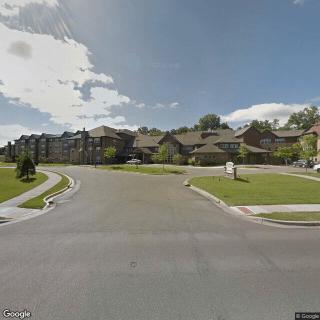
2999 County Road 42 West #200, Burnsville, MN 55306
For more information about senior living options: (866) 208-4318
Overall Review of Synergy Homecare Southern Twin
Pros
 Their experience has been exactly what they needed and they would recommend it.
- Eric is described as amazing to work with and as running a top-notch organization that truly cares.
- Eric's direct communication impressed them, providing forthcoming and immediate information.
- Megan and Eric attended the interview and treated their in-laws with utmost kindness and empathy.
- Eric is quick to respond, thorough in assessing needs, and provides timely follow-up.
- The caregivers delivered compassionate and professional care, and the team was flexible and accommodating.
- Eric's leadership is viewed as a vocation, not merely a job.
Cons
 The place is NOT it for caring for an elderly parent.
- The caregivers are often on their phones and only do the bare minimum.
- Sometimes no one shows up, and when the facility is called no one answers or they don’t know what is going on.
- They do not care.
Review
Synergy HomeCare Southern Twin Cities in Burnsville is best suited for families seeking a hands-on, leadership-driven in-home care partner that can coordinate care around hospice needs and keep a loved one comfortably at home. The standout asset is access to a responsive owner who takes a practical, problem-solving approach and can mobilize a plan quickly. This agency works well for families who want a personalized intake process, ongoing dialogue, and a care team that can adjust as needs evolve, especially when the aim is to keep someone at home with flexible, attentive support. It is a strong fit for those who can tolerate occasional scheduling volatility in exchange for a caregiver network that can be steered by strong leadership and a clearly articulated care plan.
On the flipping side, this agency may not be the best match for families who require unwavering day-to-day reliability, guaranteed caregiver continuity, or 24/7 hands-on attention with minimal risk of gaps. Some reviews point to caregivers who are distracted, using phones on the clock, or, in rare cases, no-show days. When those issues arise, communication can falter, and families can be left uncertain about whether assistance will arrive as scheduled. For households needing a facility-style environment, a higher level of credentialed nursing, or guaranteed staffing at every hour, alternatives, whether another home-care agency with more bench strength or an assisted living/nursing facility, should be explored.
The strongest positives center on leadership-driven responsiveness and a genuinely compassionate care approach. Eric Larson and his team are repeatedly described as thorough, accessible, and oriented around the family’s goals. Direct conversations with Eric, and in some cases Megan the nurse, yield clear information, timely interviews, and a sense that the agency regards caring for loved ones as a vocation rather than a quick transaction. Appointments and on-site visits can unfold promptly, with the interview and planning process designed to align the care team with the specific needs of a parent or in-law. When the organization is engaged at this level, the care delivered feels professional, respectful, and empathetic, which can make a meaningful difference during stressful periods.
Yet the negative experiences cannot be ignored. The most concerning drawbacks involve inconsistent day-to-day performance: caregivers who may not fully meet the needs described, a pattern of missed visits, and gaps in responsiveness when trouble arises. Such inconsistency can undercut trust and place families in a reactive mode rather than a proactive care planning role. In practice, this means the degree to which Synergy succeeds hinges on tight, explicit arrangements, assignment of reliable caregivers, contingency coverage, and reliable escalation paths to leadership when a shift is missed or a problem surfaces. Without those guardrails, the appeal of a responsive, personable leadership team is undermined by the risk of fluctuation in care quality.
To make this model work, families should lean into the agency’s strengths while proactively guarding against its weaknesses. Demand clear, written care plans with assigned caregivers and reliable backups for holidays or illness. Insist on direct access to leadership for scheduling changes and urgent questions, and establish a routine check-in process so concerns are surfaced and addressed swiftly. Set up a formal escalation protocol that moves beyond voicemail to a known, accountable contact. If hospice or overnight needs are involved, ensure the team outlines a coordinated plan that extends beyond daytime hours and aligns with medical and supportive goals. By anchoring care in strong leadership, explicit expectations, and structured coverage, the favorable elements, compassion, accessibility, and flexible support, become the primary drivers of a positive experience.
Bottom line: Synergy HomeCare Southern Twin Cities presents a practical, people-centered option for families seeking home-based care with a strong leader at the helm. It excels when leadership drives timely assessments, compassionate execution, and adaptable care planning. However, the service’s value hinges on managing caregiver consistency and scheduling reliability. For families whose top priorities include guaranteed daily coverage and rock-solid reliability, exploration of alternatives is prudent. For those who can engage with clear expectations, proactive communication, and leadership-driven coordination, Synergy offers a viable path to maintain independence at home while navigating the complexities of aging care.
 21 resident community capacity
 Assisted Living
 Beauty salon
 Cable or satellite TV
 Dining room
 Fully furnished
 Garden
 Housekeeping services
 Kitchenette
 Move-in coordination
 Outdoor space
 Restaurant-style dining
 Small library
 Telephone
 Wi-Fi/high-speed internet available
 Minneapolis-St Paul International (11 miles away)
 24-hour call system
 Activities of daily living assistance
 Assistance with bathing
 Assistance with dressing
 Assistance with transfers
 Diabetes diet
 Medication management
 Mental wellness program
 Special dietary restrictions




 Comprehensive Insights into Activities of Daily Living (ADLs) and Their Assessment
 Medicare Coverage for Assisted Living: An In-Depth Exploration
 Choosing the Right Senior Care: A Detailed Exploration of Assisted Living and Nursing Homes