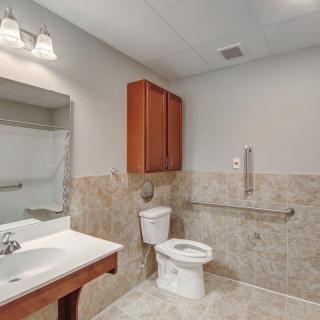
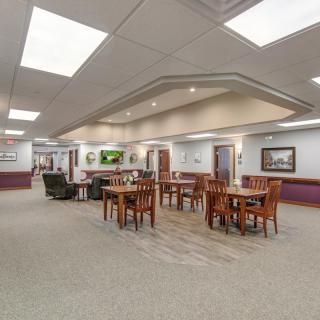
1880 E 134th St, Burnsville, MN 55337
To contact a resident: (952) 999-7156
For more information about senior living options: (866) 208-4318
Suite Living of Burnsville Costs & Pricing
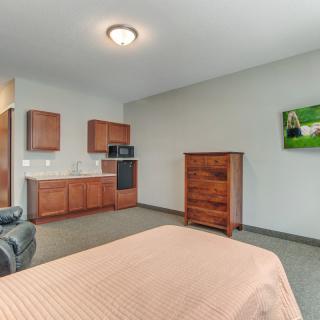
Suite Living of Burnsville presents a distinctive value proposition in the realm of senior living, with its studio apartments priced at $7,900 per month. This figure stands in marked contrast to the average costs within Scott County, which are approximately $4,232, and even more so to the broader state average of $3,617 for similar accommodations. The premium pricing at Suite Living reflects not only the quality of care and services provided but also the exceptional living environment designed to enhance residents' comfort and wellbeing. While it may exceed local and state averages significantly, this investment is indicative of a commitment to personalized care and a fulfilling lifestyle that many families find worthwhile for their loved ones.
| Floor plans | Suite Living of Burnsville | Scott County | Minnesota |
|---|---|---|---|
| Studio | $7,900 | $4,232 | $3,617 |
Memory care communities with a similar price nearby
-
from -$400 / mo
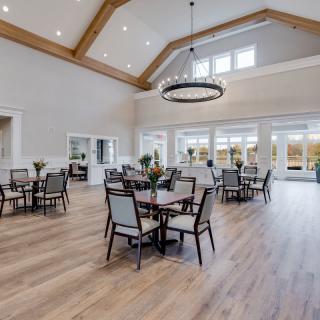
Rivers of Life Memory Care/Enhanced Assisted Living
$7,500 / month4.4 miles away -
from -$250 / mo
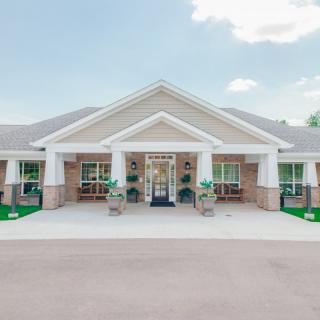
Artis Senior Living of Woodbury
$7,650 / month19.9 miles away -
from -$600 / mo

Beehive Homes of Lakeville
$7,300 / month8.0 miles away -
from -$700 / mo

The Moments Of Lakeville
$7,200 / month3.9 miles away -
About the same
Suite Living of Crystal
$7,900 / month16.7 miles away
Overall Review of Suite Living of Burnsville
Pros
 The facility is a nice, small community with residents who appear engaged and happy.
- Suite Living of Burnsville is a wonderful facility with friendly staff who take great care of residents.
- The staff are genuinely caring toward residents.
- Families would highly recommend Suite Living of Burnsville.
- Suite Living of Burnsville is absolutely perfect in every way, with many activities and attentive staff.
- Larry the cook is amazing and makes accommodations for individuals.
- The staff go above and beyond to take care of residents.
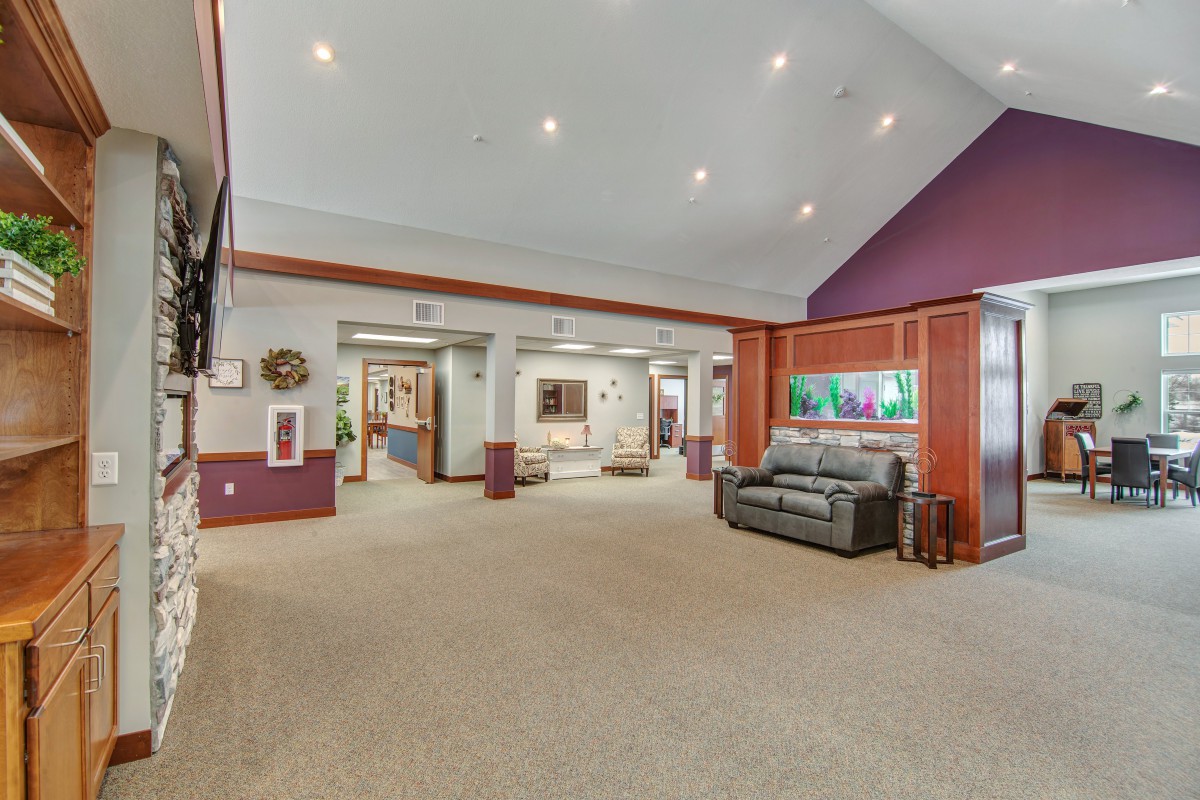
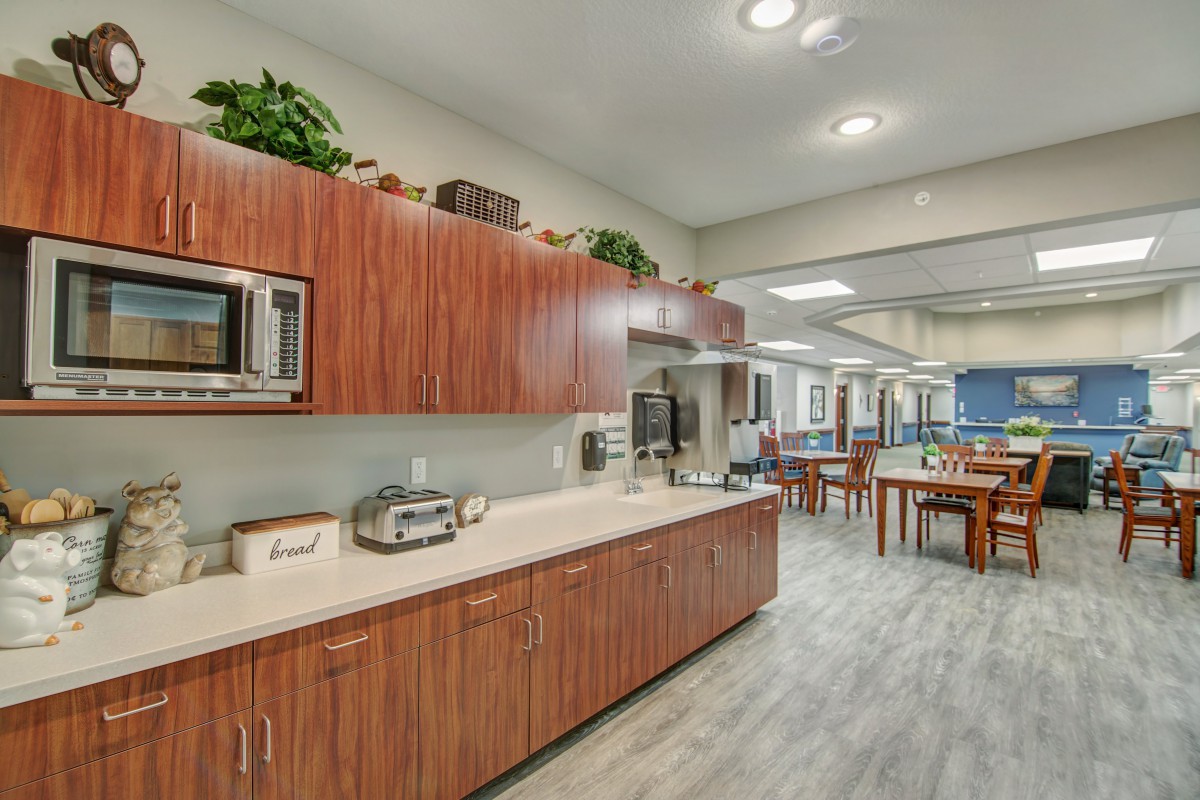
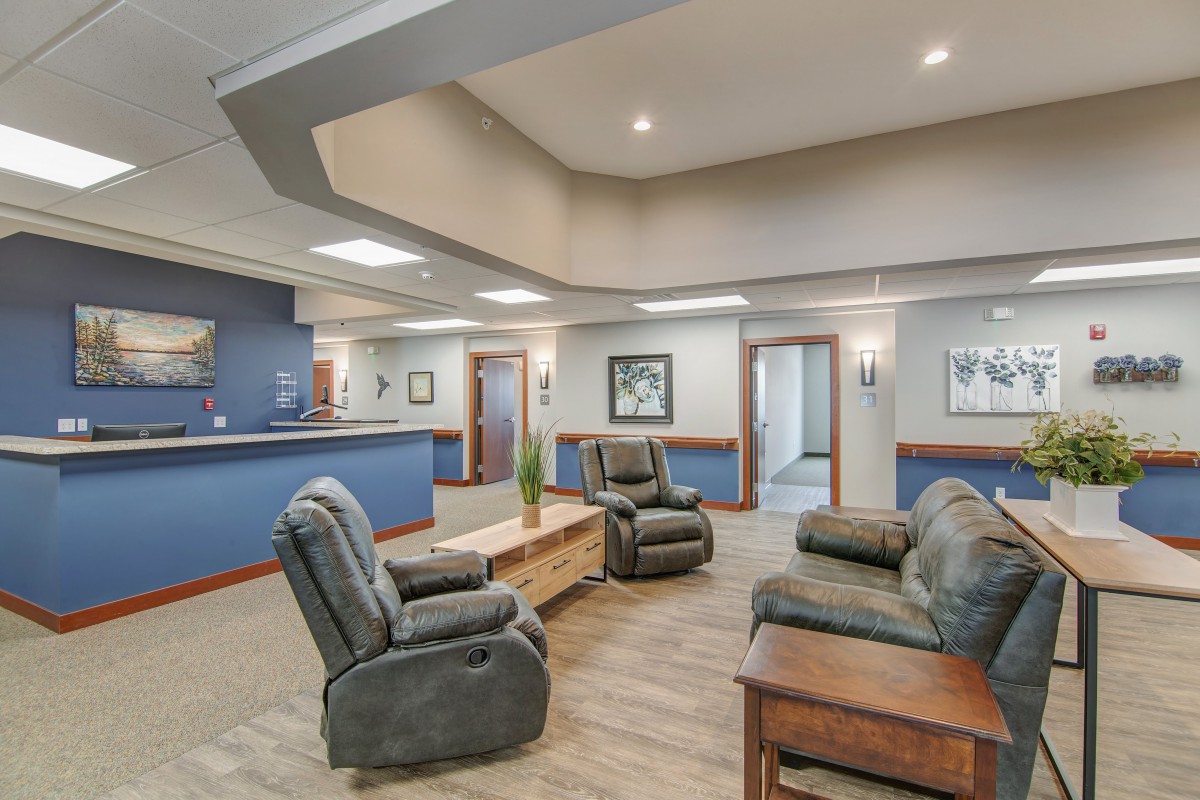
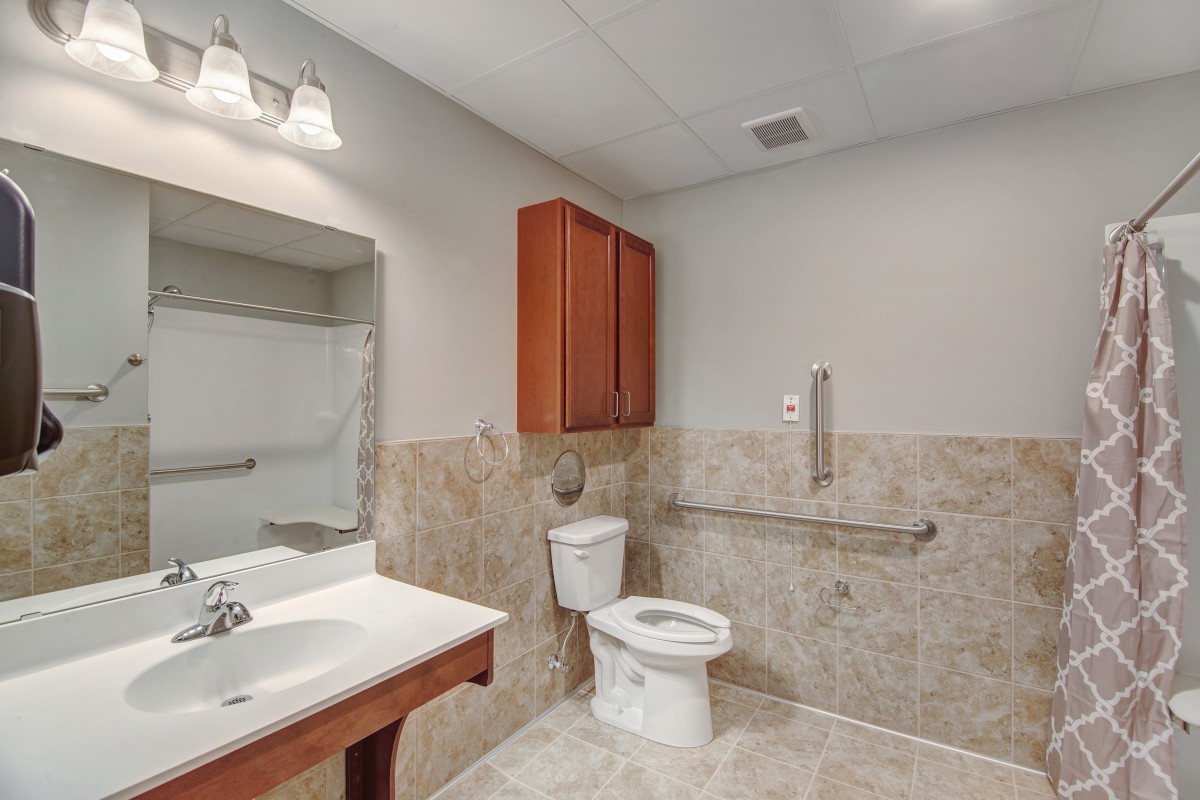
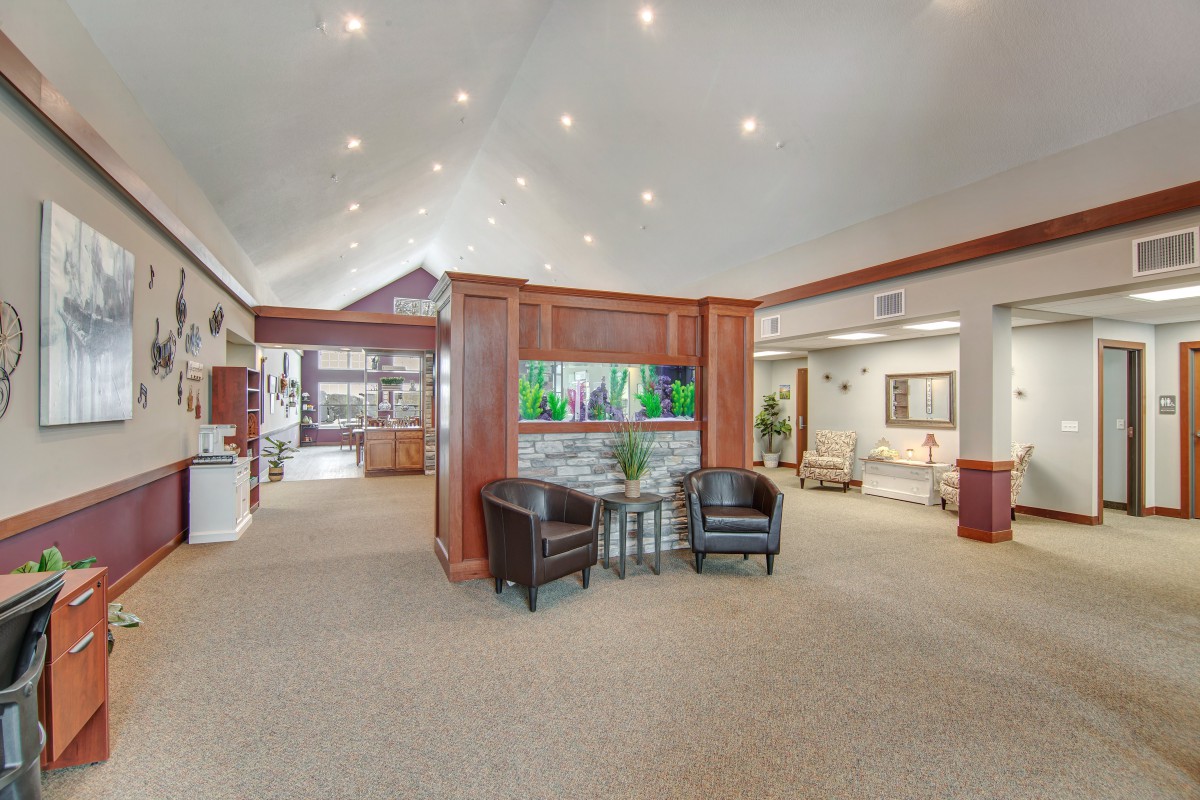
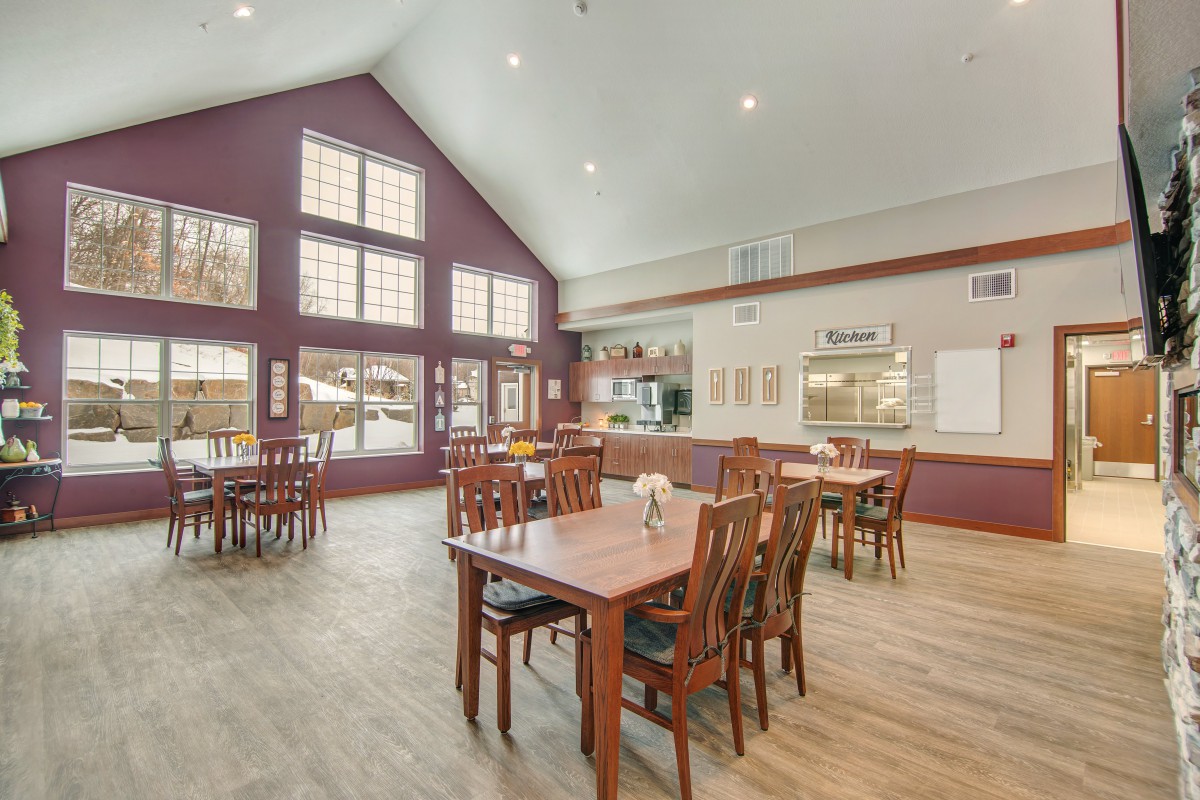
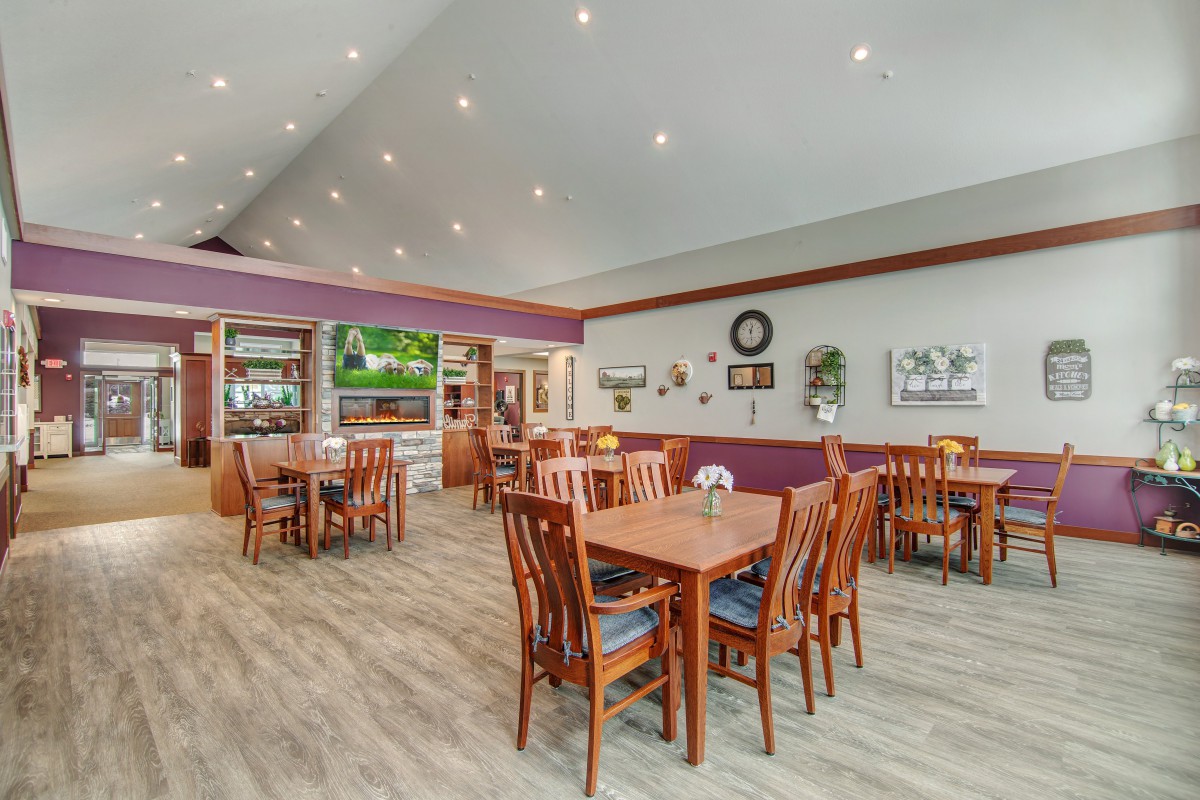
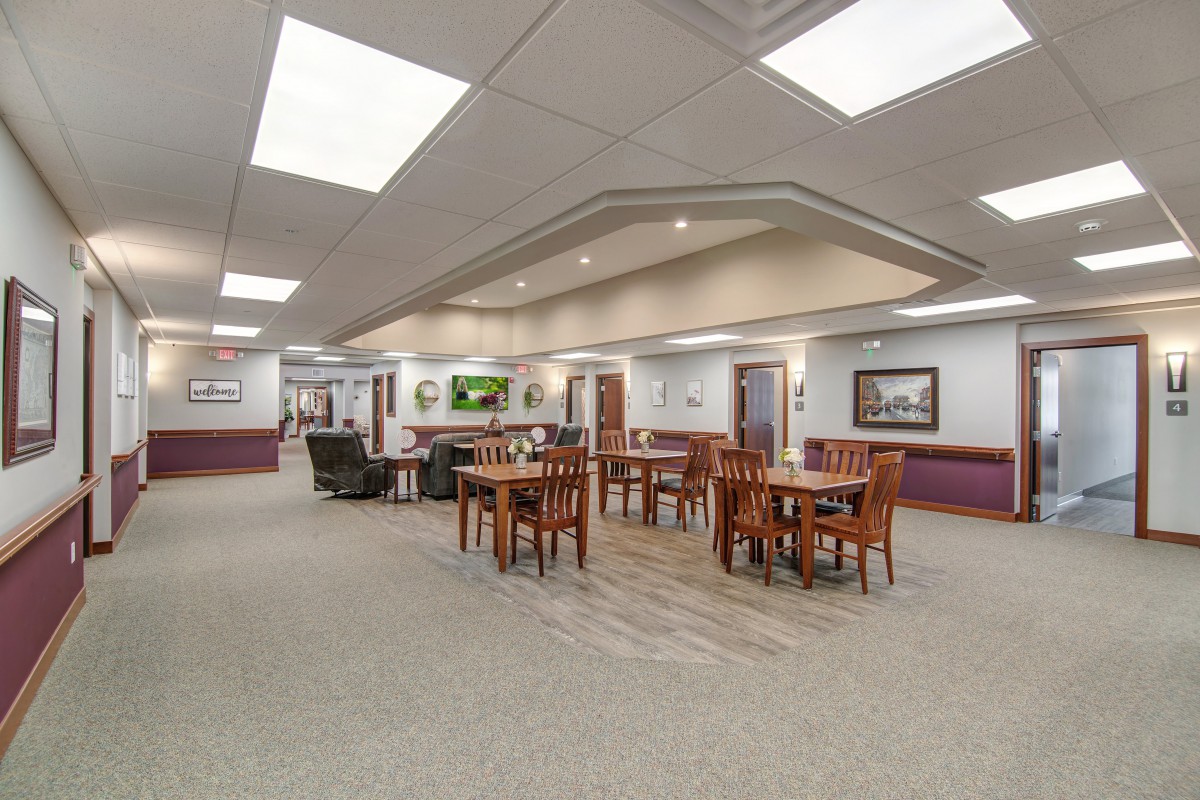
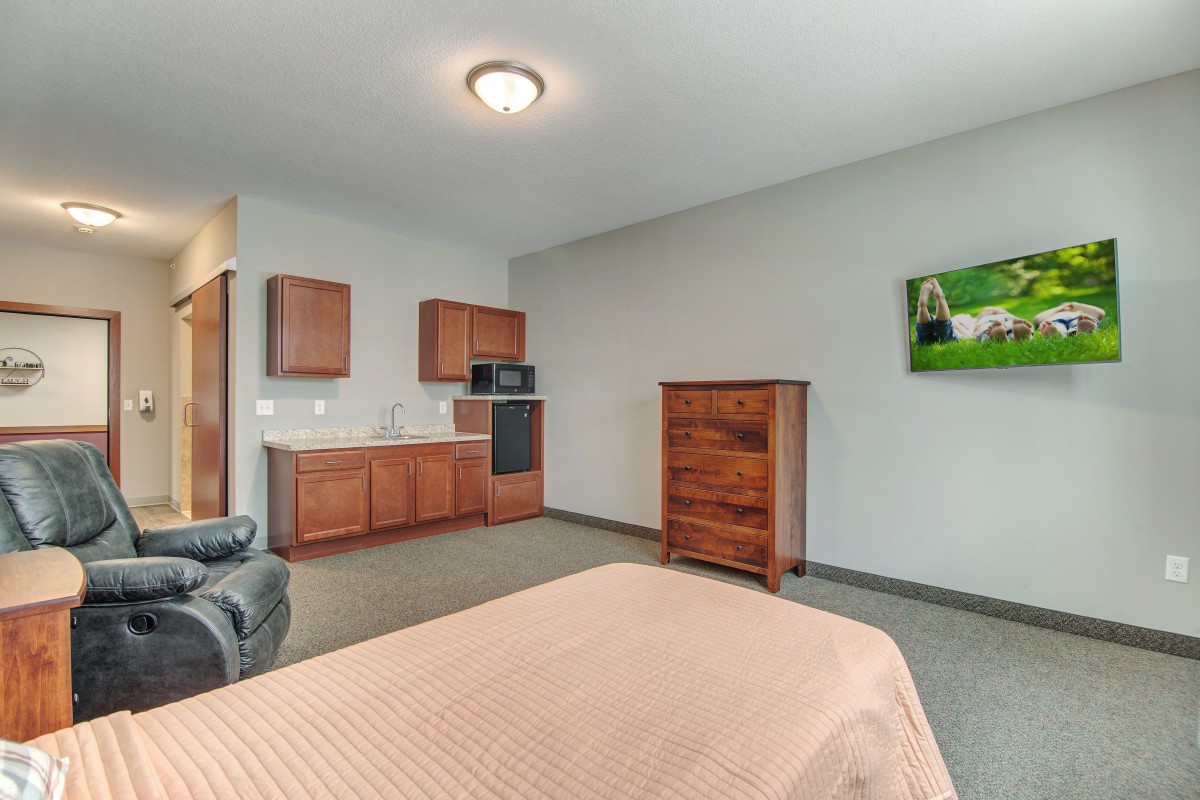
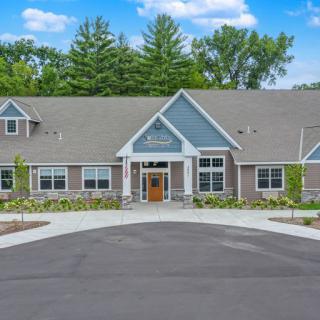
- The facility is beautiful and home-like, with private rooms and bathrooms, and is easy to access.
Cons
 The facility is described as a horrible place to stay despite having nice rooms.
- There is a perception that staff do not want to work or take care of the patients.
- The caretakers are rude, and the maintenance person is described as worse.
- Caregivers are overworked and lack break rooms, with no proper breaks.
- The meals are bland and portions are small, making the value for money questionable.
- The facility was short-staffed during the visit, which made the experience difficult.
- Staff attitudes are criticized as uncaring, suggesting management should improve interactions with customers.
- Visitors were scolded for ringing the bell, signaling poor customer service.
Review
Suite Living of Burnsville is best suited for families seeking a small, home-like setting where independence is respected but help is close at hand. The community is younger and compact, designed for easy navigation, with engaged residents and a steady calendar of activities that keep seniors connected without the bustle of a large campus. It’s a strong fit for those who value personal relationships with caregivers, straightforward visit logistics, and a dining program that can be tailored to individual needs. For seniors who prioritize warmth, familiarity, and accessible, attentive service in a quieter environment, this community makes sense.
Those who may want to consider alternatives include families with residents requiring substantial medical oversight or 24/7 skilled nursing coverage, and anyone who prizes a highly varied, consistently robust dining program. Several reviews flag occasional staffing gaps and moments when coverage felt thin, which can affect response times and day-to-day pace. For families seeking a consistently bustling social scene, a higher-energy atmosphere, or absolute assurance of constant staffing with minimal turnover, other communities may deliver more reliably on those axes.
The positives here are impactful and choose-the-right-fit determinations will hinge on them. A smaller, newer facility tends to offer cleaner, more homelike spaces and quicker access to staff, which matters when needs arise. The caregiving ethos stands out: multiple reviewers describe attentive, caring staff who know residents well and make an effort to keep families informed. The kitchen and dining story is mixed but promising, one cook earns praise for flexibility and personal touches, which can make dining feel more individualized. The activity slate is generally engaging, and the environment supports easy family visitation, reinforcing a sense of belonging and oversight.
Yet the cons are not trivial and can influence daily satisfaction if not actively managed. Staffing shortages surface in feedback, with occasional feelings that coverage is stretched during busy times. That reality can slow responses or leave some tasks a beat behind, especially during evenings or weekends. Dining quality is not uniformly praised; reviews range from well-presented, flavorful meals to descriptions of bland dishes or small portions at times. When staffing pressures bleed into the kitchen and dining room, the impact on resident experience, variety, appetite, and overall enjoyment, becomes a meaningful consideration for decision-makers.
Despite these concerns, operational culture and local leadership matter, and both appear to shape the resident experience positively when actively addressed. The smaller footprint fosters visibility of front-line caregivers and quicker problem-solving, which matters during the twists and turns of aging-in-place. Families repeatedly report open communication and staff who genuinely care, with continual updates about daily life, activities, and changes in care. There is evidence of ongoing attention to meals and social opportunities, which signals a commitment to improving resident satisfaction, even if the current staffing climate requires ongoing scrutiny.
Bottom-line guidance: Suite Living of Burnsville works best for active seniors who crave a warm, intimate environment where staff relationships feel personal and visits are straightforward. It suits families who can tolerate occasional staffing ebbs and who want a kitchen open to accommodating individual preferences. For those needing intensive medical oversight, a busier social calendar, or a dining program that changes day to day with high predictability, exploring alternatives with stronger staffing guarantees and more varied dining may be prudent. Prospective residents should visit to read the room, speak directly with front-line caregivers about shift coverage, and verify the current menu options, staffing ratios, and monthly costs before making a commitment.
 Studio apartments
 Assisted Living
 Memory Care
 Activities off-site
 Air-conditioning
 Beautician on-site
 Cable or satellite TV
 Computer center
 Devotional services off-site
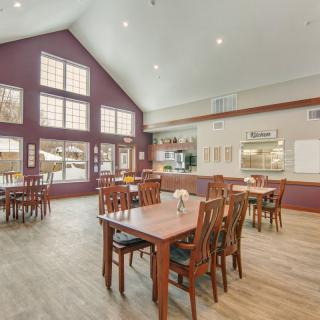
 Dining room
 Garden
 Ground floor units
 Guest parking
 Handicap accessible
 Housekeeping services
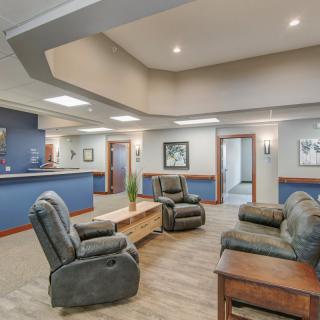
 Indoor common areas
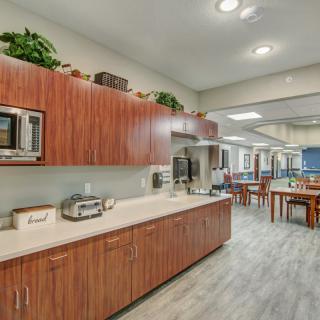
 Kitchenette
 Laundry
 Outdoor common areas
 Overnight guests
 Party space
 Respite or short term stays offered
 Security gate
 Wheelchair accessible showers
 Wi-Fi/high-speed internet available
 Minneapolis-St Paul International (8 miles away)
 Diabetic care
 High acuity care
 Hospice care
 Incontinence care
 Medication management
 Physical therapy
 Guest meals
 Arts and crafts
 Brain fitness
 Cards / pinochle club
 Cooking club
 Educational speakers / life long learning
 Games
Games Happy hour
 Live musical performances
 Live well programs
 Stories
 Trivia games



 8 Important Indicators That Memory Care May Be Necessary
 Delving into the Inner World of Dementia: Insights into Thoughts and Awareness
 Five Subtle Dementia Indicators to Observe: An In-Depth Guide to Understanding “Does My Mom Have Dementia?”