
13309 Parkwood Drive #5, Burnsville, MN 55337
To contact a resident: (952) 431-2258
For more information about senior living options: (866) 208-4318
Parkwood Heights Costs & Pricing
Parkwood Heights offers a remarkably competitive cost structure for its two-bedroom accommodations, priced at just $950 per month. This stands in stark contrast to the average monthly costs seen in Scott County, which are approximately $3,326, and even more so when compared to the broader Minnesota state average of $2,955. Such pricing not only highlights Parkwood Heights as an attractive option for potential residents seeking quality living without breaking the bank, but it also underscores its value within the local market. Residents can enjoy a comfortable living environment while benefitting from significant savings compared to both county and state averages.
| Floor plans | Parkwood Heights | Scott County | Minnesota |
|---|---|---|---|
| 2 Bedrooms | $950 | $3,326 | $2,955 |
Senior living communities with a similar price nearby
-
About the same
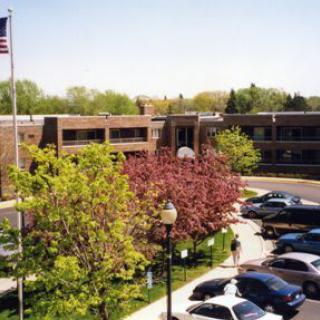
RosePointe II
$930 to $1,155 / month18.3 miles away -
About the same
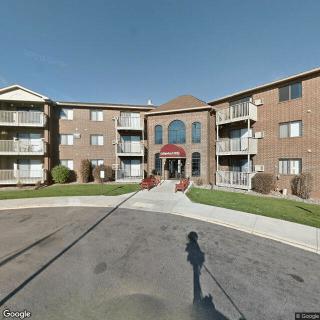
Lakewood Hills
$955 to $1,080 / month22.5 miles away -
from -$75 / mo
The Anthony James
$875 to $1,135 / month21.7 miles away -
from -$188 / mo
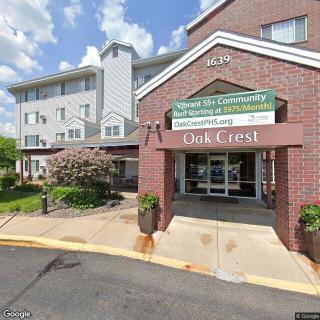
Oak Crest Retirement Community
$762 to $1,019 / month24.6 miles away -
from +$105 / mo

Norris Square
$1,055 to $4,430 / month14.8 miles away
Overall Review of Parkwood Heights
Cons
 They say someone put another month of bills under their name and will make them responsible, with plans to involve a lawyer.
- They describe the complex as the worst place to live, with extremely thin walls and neighbors you can hear.
- They claim water issues could lead to burns, since others can’t use water when someone showers.
- They report winter bedrooms are freezing cold.
- They hear garage doors opening and closing all night, leading to no sleep.
- They call maintenance horribly disrespectful and say they were berated; the property management company Thies & Talle is run by cold, soulless people.
- They say they weren’t perfect tenants, but they were unjustly accused and treated.
- They received an eviction threat over a porch grill that wasn’t theirs, and the manager said “oops wrong apartment,” showing unprofessionalism.
- They view the property management company as the biggest issue, saying they ruin properties like prisons.
- They describe rude maintenance and invasive, constant inspections; walls are so thin they can hear neighbors; winter parking lot service is terrible.
- They note management showed their townhome while they were sleeping.
- They complain about loud residents, poor construction, and harassment threats over noise; winter plowing is delayed and snow/ice upkeep is poor.
- They state there are no subsidized units and that rent ranges from 1035 to 1265.
Review
Parkwood Heights in Burnsville is best suited for independent seniors who are comfortable navigating a self-directed living situation on a tight budget and who can tolerate persistent on-site management gaps. This community does not present itself as a care-forward environment, there are no assurances of assisted services, and the reviews repeatedly reveal a housing-management dynamic more akin to rental property than a supportive senior living setting. For residents who rely on reliable maintenance, predictable heat and hot water, or proactive, respectful management, Parkwood Heights is unlikely to meet those needs. Families should view this as affordable, apartment-style living rather than an assisted-living option with built-in safety nets or staff availability.
Those who should seriously consider alternatives are seniors who require dependable service delivery and a stable, respectful on-site team. Memory, mobility, or health needs that demand timely maintenance, secure heat in winter, or calm, quiet surroundings are not well supported here, according to the reviews. Prospective residents who crave aggressive, professional management, transparent billing, and consistent snow removal will be especially disappointed. The absence of subsidized units paired with a rent range that sits at roughly a mid-tier level for independent housing in the area makes the comparison to higher-quality communities even starker. In short, Parkwood Heights may tempt on price, but it costs more in daily friction than many families are willing to bear.
On the upside, the few potential positives are limited and do not meaningfully offset the core drawbacks. The site offers apartment-style living in a Burnsville location, which may appeal to seniors seeking independence without the cost or footprint of a full-service assisted-living campus. The appeal of a lower monthly rent relative to more service-heavy communities can be a draw for residents who can self-manage and do not require on-site care. However, the absence of subsidized units and the stated rent range still positions this as a financially tight option when weighed against the quality of service, safety, and comfort promised by better-managed peers. In other words, the fiscal edge is there only on paper; the lived experience frequently erodes any perceived price advantage.
The dominant cons are systemic and cascading. The walls are described as alarmingly thin, with conversations, footsteps, and other noises traveling easily from unit to unit, eroding sleep and privacy. Heating and water issues compound the discomfort: reports of dangerously hot water at times create legitimate safety concerns, while winter bedrooms are described as freezing cold, undermining daily functioning and health. The overall acoustic environment, garage doors functioning nonstop, night-long sounds, and intrusive noise from neighbors, renders the idea of a peaceful home atmosphere impractical. Maintenance staff are characterized as rude or disrespectful, and a pattern of invasive, constant inspections creates a prison-like mindset rather than a sense of home. The parking and winter plowing situation compounds stress, sometimes leaving residents stuck in driveways or garages for extended periods. These concrete problems are not incidental annoyances; they define the resident experience and directly challenge basic comfort and safety.
Even more damaging are the interpersonal and organizational failings tied to management. The property management company associated with Parkwood Heights, Thies & Talle, emerges as the controlling negative force in multiple accounts. Reports of harassment, misdirected or outright incorrect eviction threats, and perceived punitive behavior toward residents establish a culture of fear and mistrust rather than partnership. Billing disputes escalate into serious concerns about fraud, with accounts being placed under residents’ names after moves, suggesting lax controls and a troubling lack of accountability. Combined, these management failures overshadow any potential housing benefit and create a climate in which residents feel undervalued and unsupported. The prospect of a consistent, respectful, and transparent resident-management relationship is not supported by these experiences.
Given this landscape, the main decision for families is straightforward: Parkwood Heights should be passed over in favor of alternatives that deliver reliable maintenance, respectful management, and predictable, safe living environments. If opting to explore this community anyway, a disciplined, proactive approach is essential. Prospective residents should demand clear, written policies on billing, maintenance response times, and noise control; insist on a comprehensive inspection of heat, hot water delivery, and temperature regulation prior to move-in; and verify that the specific unit assigned aligns with expectations around privacy and soundproofing. Equally important is a serious review of the management track record, seek current tenants’ references, confirm there are no active disputes, and assess the stability of the property management team. Above all, ensure a robust exit plan, including clear terms for ending the lease and securing a transition to a facility with demonstrated reliability and resident-centered care.
In the end, Parkwood Heights presents a high-risk, low-trust proposition for seniors who need or expect consistent support, safety, and dignity in daily living. For families weighing assisted-living options, the takeaway is clear: prioritize communities with proven, compassionate on-site management, transparent operations, and reliable maintenance. If those criteria are non-negotiable, Parkwood Heights is not the right match. Explore alternatives that guarantee warmth, quiet, and respectful engagement as part of a comprehensive care plan, and reserve this address only for those who can accept a rental experience that trades service quality for lower price without compensating benefits.
 Active Adult Communities (55+)
 Cats allowed
 Dogs allowed
 Minneapolis-St Paul International (8 miles away)
 24/7 supervision with comprehensive care and diabetes-friendly meals.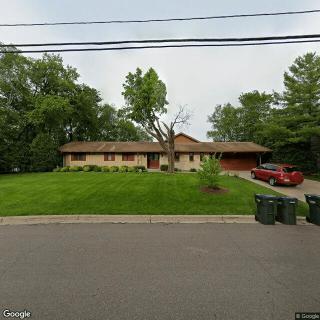
 Comprehensive Approaches for Arthritis: A Detailed Guide to Symptoms, Causes, and Care
 Comprehensive Insights and Practical Strategies to Help Older Adults Avoid Falls
 6 Crucial Ways an Elder Law Attorney Assists Families