
2401 Williams Drive, Burnsville, MN 55337
For more information about senior living options: (866) 208-4318
Overall Review of Derman Senior Care
Cons
 They say the numbers keep changing and management doesn’t call back once a working phone number is obtained.
- They describe the provider as the absolute worst kind.
- They state that you never reach a person when you call, the greeting is shady, and there are never any callbacks from supervisors, reception, or case managers.
- They advise requesting a different case management company if you get stuck with these people.
- They note that, as a case manager themselves, they can’t imagine clients not having access to contact their own case manager.
- They report their daughter was stuck with these providers and unable to contact anyone after countless voicemails.
- They mention it’s been over a month without resolution.
Review
Derman Senior Care in Burnsville is best suited for families that can tolerate persistent communication gaps and are prepared to stay deeply involved in coordinating care from outside the facility. The clear takeaway from the available feedback is that phone access is unreliable, callbacks are inconsistent, and supervision or case management contact is difficult to obtain. In practical terms, this means residents who function with minimal day-to-day staff intervention and whose families can shoulder the coordination burden may weather the experience, but only if robust outside oversight is available and maintained.
Those who should actively consider alternatives are families who depend on dependable staff outreach and timely updates. Seniors needing regular medical oversight, medication management, or proactive care planning will likely be underserved here. The absence of a dependable point of contact, whether it’s a receptionist, a supervisor, or a case manager, creates a risk profile that most families will find unacceptable. Even for those with modest care needs, the persistent difficulty in making and keeping lines of communication makes other providers with visible leadership and clearer communication norms more attractive.
In terms of pros versus cons, the sole strength that could conceivably offset the fundamental communication deficiencies remains unproven in the available narrative. There is no credible indication of reliable positives such as consistent staff presence, transparent care processes, or well-documented escalation procedures. The dominant con, unreturned calls and difficulty reaching anyone who can effect change, substantially undercuts safety, continuity of care, and peace of mind. When a resident’s wellbeing hinges on timely notifications about changes in condition or medication adjustments, these gaps cannot be dismissed as minor.
If staying in consideration, concrete steps are essential. Prospective families should demand a guaranteed contact pathway with a named supervisor who has authority to respond the same day, plus a written escalation ladder with expected callback windows (for example, within 2–4 hours during business hours). Seek evidence of responsiveness metrics from the facility, average response times over the last several months, and request a sample care plan and daily notes. Insist on a direct line to the caregiver assigned to the resident and a transparent process for updating families on changes. Without these assurances, the risk of ongoing miscommunication remains unacceptable.
For families still weighing options, pairing this community with external oversight is a rational hedge. Engage a trusted care coordinator or assign a dedicated family liaison to routinely check in, sit in on care planning meetings, and receive real-time updates. Ensure transportation, activity scheduling, and medication administration are tied to a clear accountability chain with documented follow-up. Consider a short-term trial to observe how the facility handles questions, changes, and emergencies, and keep a ready fallback plan, an alternate facility or an additional contact, so that a breakdown in communication does not derail essential care.
Bottom line: the signals from the available feedback are decisive. Derman Senior Care should not be the default choice for families prioritizing reliable, proactive communication and seamless care coordination. It may have a place for price-sensitive situations or for residents who have substantial external support, but only with stringent expectations and uncompromising oversight. For most families, it is prudent to explore other Burnsville options with demonstrated leadership, consistent responsiveness, and a clear framework for family communication. Proceed with caution here, and prioritize communities that consistently prove they can translate concern into timely, coordinated care.
 21 resident community capacity
 Assisted Living
 Beauty salon
 Cable or satellite TV
 Dining room
 Fully furnished
 Garden
 Housekeeping services
 Kitchenette
 Move-in coordination
 Outdoor space
 Telephone
 Wi-Fi/high-speed internet available
 Minneapolis-St Paul International (9 miles away)
 24-hour call system
 Activities of daily living assistance
 Assistance with bathing
 Assistance with dressing
 Assistance with transfers
 Diabetes diet
 Meal preparation and service
 Medication management
 Mental wellness program
 Special dietary restrictions
 Transportation arrangement (medical)
 Transportation to doctors appointments
 Intimate, well-equipped community with 24/7 supervision, medication management, and diverse activities.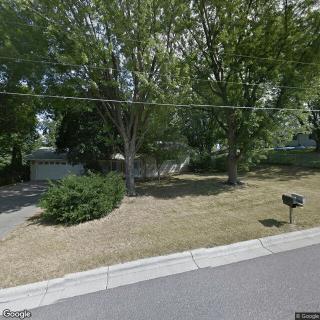


 A Detailed Exploration of Assisted Living Medicaid Waivers Across the United States
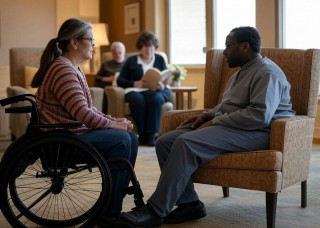 Comprehensive Residential Support and Assisted Living Solutions for Individuals with Disabilities
 Comprehensive Supportive Living Arrangements for Adults with Disabilities