
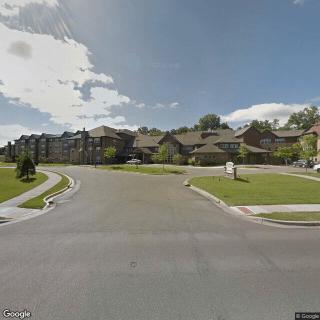
13705 James Avenue South, Burnsville, MN 55337
For more information about senior living options: (866) 208-4318

Overall Review of Access Recovery Center
Pros
 Abria Treatment Center is a place where clients feel respected, supported, and genuinely cared for.
- The staff at Abria goes above and beyond, being compassionate, knowledgeable, and truly listening.
- The environment at Abria is welcoming and safe, helping clients open up and focus on recovery.
- The therapists and counselors are incredible at what they do and provide lifelong tools for recovery.
- Abria offers comprehensive services, including detox, sober living, and couples counseling, with a client-centered approach.
- People describe Abria as a caring family that wants the best for every individual.
Cons
 He was prematurely discharged for no specific reason the day before the 9-month milestone at the alumni meeting.
- The head of security allegedly shared details of his psilocybin use as a “spiritual journey” and discussed it with clients as a house manager.
- A counselor’s husband, a CPRS, allegedly inflated his October hours and plotted to split DoorDash money with a former housemate to gain money in early recovery.
- Staff were alleged to violate HYPA numerous times.
- He was thrown out completely clean and sober with no empathy, which was appalling.
- Abria reportedly threatened to trespass him, labeling him “unstable and violent,” which he believes is unfounded.
- The program is described as favoritism-driven with a “do as I say” culture.
- The director Lindsey is accused of racism, racial profiling, and discharging people.
- He was prematurely discharged due to medical cab discrepancies and penalized for adherence, with transportation issues aggravating the situation.
Review
Access Recovery Center in Burnsville is best suited for adults who want a recovery program delivered with a hands-on, compassionate philosophy and a clearly defined treatment continuum. Reviewers consistently point to a welcoming, respectful environment where staff are described as genuinely attentive, knowledgeable, and invested in long-term change. The center’s approach hinges on therapists who listen, tailor strategies to the individual, and maintain steady engagement through detox, active treatment, and the transition to sober living. A compact, intimate setting, often described as a home-like atmosphere with roughly 10 rooms and a cap around 20 residents, creates a level of accountability and accessibility that many families value. For someone who prizes straightforward access to care, practical skill-building, and a cohesive path from intake to aftercare, this center presents a compelling option.
Still, there are clear reasons why some families may want to consider alternatives. Several reviewers flag concerns about group dynamics, noting a predominantly male composition in treatment groups, and questioning whether women receive equivalent access to housing and targeted support. There are also troubling claims about leadership behavior and staff conduct, including accusations of racial bias and uneven treatment, which ring loudly for families prioritizing equity and safety. For clients seeking a women-focused program, a purely female-led staff, or a culture explicitly designed to reduce bias and protect vulnerable populations, these concerns tilt the calculus toward other providers with proven track records in gender-specific care and rigorous safeguards. Transportation reliability and administrative consistency are additional factors that could push some toward alternatives with more transparent policies.
The strongest positives, genuine care from counselors, a therapeutic environment that feels safe and nonjudgmental, and a comprehensive treatment menu, often offset many concerns for the right candidate. Reviews highlight effective individual and group therapy, real-time listening, and a curriculum that delivers tangible tools for sobriety and relapse prevention. The inclusion of co-occurring mental health support, couples counseling, detox capabilities, and sober-living options adds depth to the program and strengthens the continuity of care for those who need multiple entry points into recovery. When the staff can translate theory into practical strategies, how to navigate cravings, rebuild relationships, and re-enter work or family life, the center earns trust and produces durable outcomes for a subset of residents.
However, the reports of premature discharge and punitive-feeling responses to logistics or adherence cannot be dismissed. A number of reviewers allege abrupt terminations with little empathy, coupled with administrative decisions that appear inconsistent or insufficiently explained. Allegations of favoritism and misalignment between staff and clients further complicate the decision for families already anxious about reliability and safety. For some, these experiences undermine the strength of the therapeutic gains described elsewhere in the feedback, creating real hesitation about committing a loved one to a program where discharge decisions may feel opaque or unfair. In such cases, the risk profile shifts toward seeking programs with clearer discharge criteria, documented accountability, and stronger crisis-management processes.
From a decision-making standpoint, this center makes the most sense for those who prioritize a warm, peer-oriented milieu, strong clinical staff, and a linked spectrum of services (detox, therapy, sober housing) within a compact setting. Prospective clients should insist on concrete, written policies around admission criteria, discharge triggers, and grievance procedures. Families should request up-to-date feedback from recent residents, verify the program’s diversity and inclusivity measures, and confirm how women’s needs are addressed, especially housing, before committing. It is also prudent to compare with other Minnesota programs that emphasize equitable care, transparent leadership, and a proven track record of long-term recovery outcomes.
In the end this center offers a credible, action-oriented pathway for many seeking sobriety, but it is not a one-size-fits-all solution. For those who value a highly supportive, family-like environment with robust clinical engagement, the program’s strengths can translate into meaningful, lasting change. For others, particularly women seeking gender-specific housing, or families prioritizing an unequivocal record of bias-free operations and consistent discharge practices, alternative providers may deliver a safer, more predictable match. The prudent course is to conduct a focused, in-person evaluation: meet the director and key therapists, tour the facility, interview recent graduates or families, and obtain written policies on housing, safety, and dispute resolution. With due diligence, the right choice emerges, one that aligns with the individual’s clinical needs, safety priorities, and long-term recovery goals.
 21 resident community capacity
 Assisted Living
 Beauty salon
 Cable or satellite TV
 Dining room
 Fully furnished
 Garden
 Housekeeping services
 Kitchenette
 Move-in coordination
 Outdoor space
 Restaurant-style dining
 Small library
 Telephone
 Wi-Fi/high-speed internet available
 Minneapolis-St Paul International (10 miles away)
 24-hour call system
 Activities of daily living assistance
 Assistance with bathing
 Assistance with dressing
 Assistance with transfers
 Diabetes diet
 Medication management
 Mental wellness program
 Special dietary restrictions





 Funding and Affording Assisted Living: A Thorough Overview
 Assisted Living Expenses and Long-Term Care Insurance: A Comprehensive Exploration
 Securing Financial Support for Assisted Living: A Comprehensive Overview