
105 Glen Haven Dr, Battle Lake, MN 56515
To contact a resident: (218) 864-8574
For more information about senior living options: (866) 208-4318
Good Samaritan Society-Battle Lake Costs & Pricing
Good Samaritan Society-Battle Lake offers competitive pricing for its residential accommodations, with a one-bedroom unit priced at $1,850 per month and a two-bedroom option at $2,335. These rates are notably higher than the average costs in Otter Tail County, where one-bedroom units typically go for $1,475 and two-bedrooms for $1,457. However, when compared to state averages in Minnesota - where one-bedroom units reach approximately $2,893 and two-bedrooms around $2,955 - Good Samaritan Society-Battle Lake presents itself as an attractive alternative. This positioning reflects not only the organization's commitment to providing quality care but also highlights its accessibility within the local market while maintaining standards that appeal to potential residents seeking both comfort and community support.
| Floor plans | Good Samaritan Society-Battle Lake | Otter Tail County | Minnesota |
|---|---|---|---|
| 1 Bedroom | $1,850 | $1,475 | $2,893 |
| 2 Bedrooms | $2,335 | $1,457 | $2,955 |
Overall Review of Good Samaritan Society-Battle Lake
Pros
 The mother loves living there and feels at home.
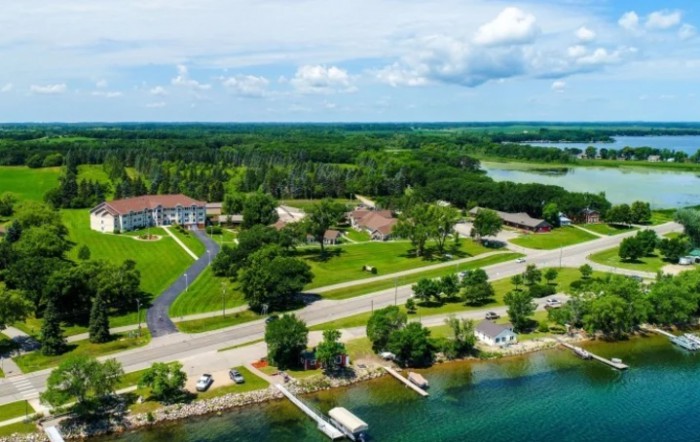
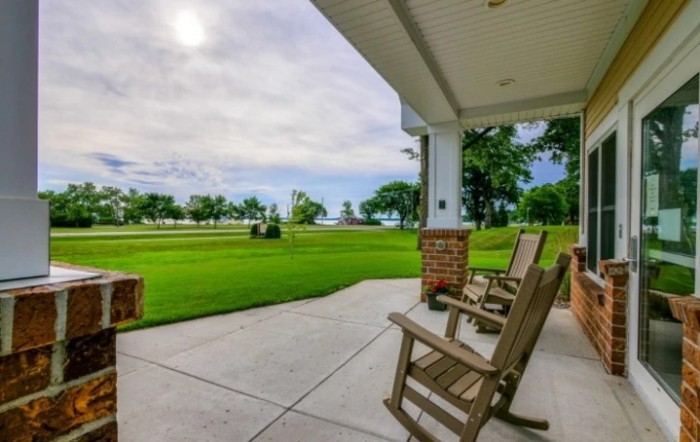
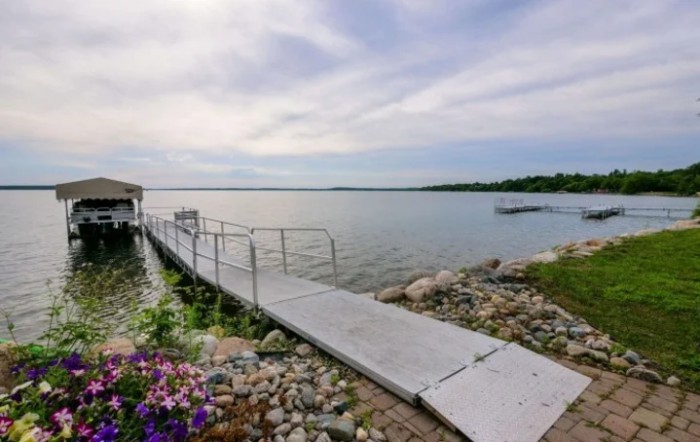
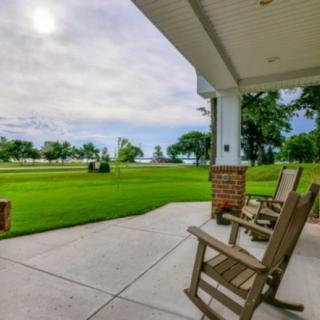
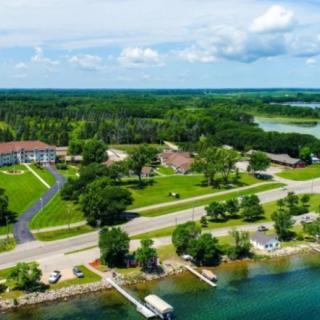
- The facility is modern and the grounds are well manicured.
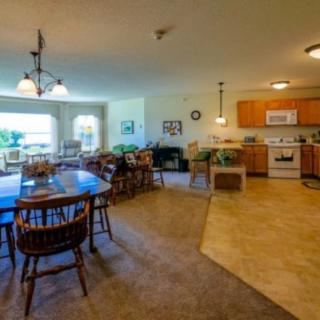
- The food is very good and all three dining halls are comfortable.
- There is a special room for residents who have visitors who would like to dine with their loved ones.
- The staff is friendly and efficient, and the management is very accommodating.
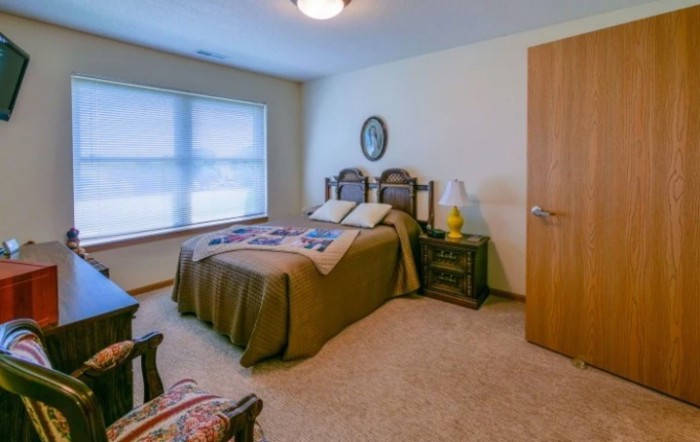
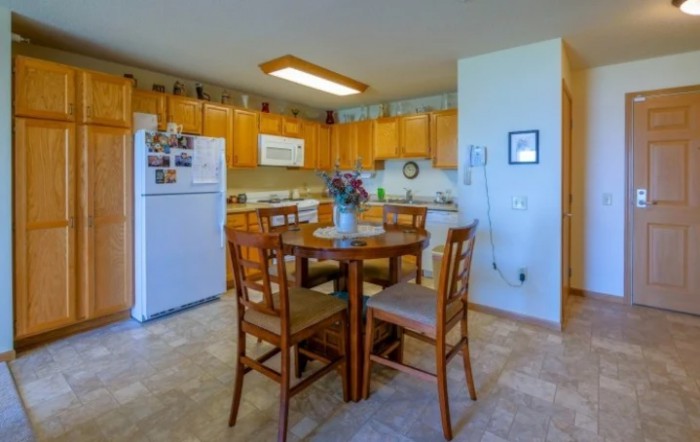
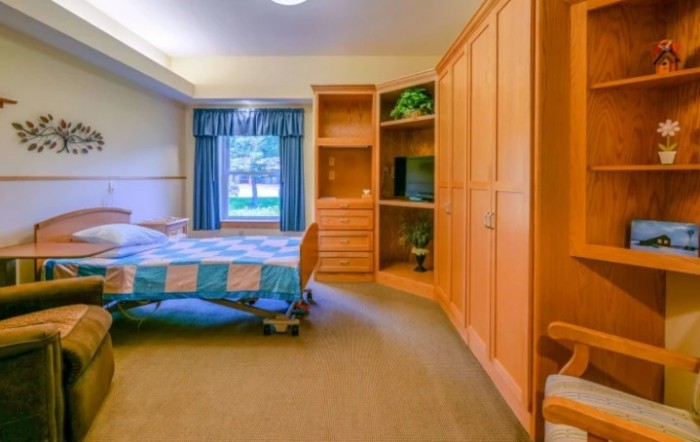
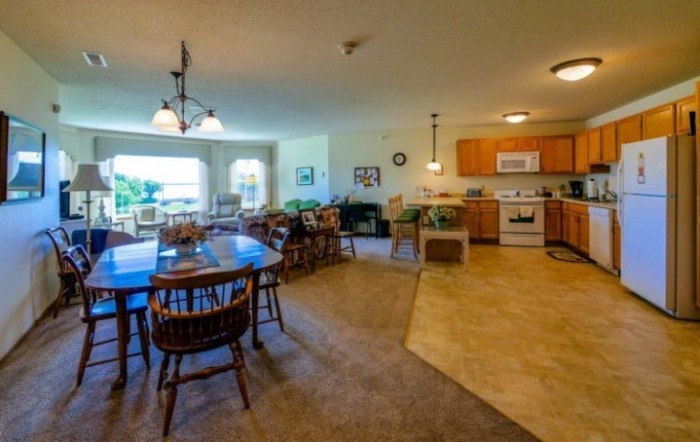
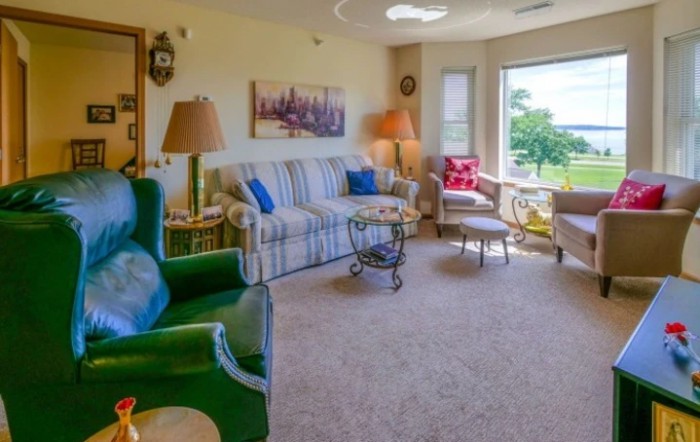
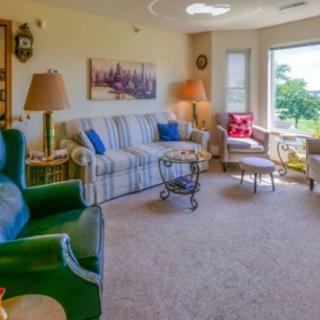
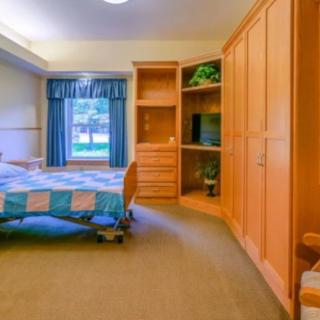
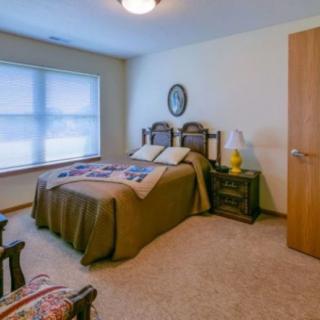
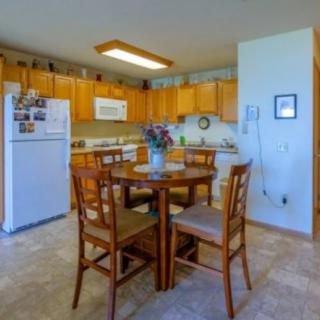
- The rooms are spacious, warm, and inviting.
- They wouldn't want their mother living anywhere else, and neither would she.
- The facility comes highly recommended.
Review
Best suited for families seeking a warm, modern assisted living experience in a small-town setting, Good Samaritan Society-Battle Lake presents itself as a community where a resident’s daily life centers on comfort, social connection, and easy access to care. The facility reads as contemporary and well cared-for, with grounds that are attractively kept. Dining is a standout feature: three dining halls provide ample space and a sense of community, and a dedicated room for visitors who wish to dine with their loved one reinforces the feeling of home. Staff are described as friendly and efficient, and management is accommodating. Rooms are spacious and inviting, supporting a residence that feels less institutional and more lived-in.
Who should consider alternatives? The overall picture is mixed: the community carries a 3 out of 5 rating from two reviews, signaling that experiences can diverge. Families on tight budgets may question value, given typical cost pressures in assisted living. Those needing advanced memory care or highly specialized medical oversight may prefer a setting with a dedicated memory-care unit or stronger on-site clinical resources. Individuals who favor a quieter, more intimate setting with fewer dining venues or more structured daily routines might find the environment too bustling. The mixed rating suggests a need for firsthand confirmation through a visit to verify fit before committing.
Key advantages show through the detailed feedback: the campus presents a modern, well-kept environment with a tangible sense of hominess. The three dining halls reduce crowding and waiting, while a separate visitor dining room keeps family mealtimes practical and comfortable. The staff earn praise for warmth and efficiency, and management’s willingness to accommodate residents’ needs signals a culture of responsiveness. Spacious rooms contribute to a sense of privacy and normalcy, helping residents feel settled quickly. Taken together, these strengths create a supportive daily rhythm that supports social engagement, ease of visits, and a reassuring level of care for families.
Despite the strong positives, the limited detail behind the lower rating warrants prudent diligence. The lack of explicit drawbacks in the glowing review means prospective residents should proactively explore day-to-day care consistency, meal variety over time, and opportunities for meaningful activities during tours. Clarify staffing levels, particularly during evenings and weekends, and inquire about any gaps in services that could impact independence. Cost transparency is essential as well; understanding what is included in monthly fees and what would trigger additional charges helps families assess true value. In short, the negative rating serves as a reminder to verify alignment with expectations in real-world, day-to-day practice.
The pros cited, quality amenities, hospitable staff, and a welcoming social environment, offer strong counterweights to potential concerns. A well-maintained campus and the social dining framework contribute to ongoing resident satisfaction and ease of family involvement. Reliable staff interactions and responsive management can mitigate worries about routine care, and the inviting rooms reduce the sense of displacement that sometimes accompanies relocation. In practical terms, the value rests on how consistently those strengths translate into everyday care, activities, and resident well-being. When these elements align, the community becomes more than a place to live; it becomes a supported lifestyle.
Practical next steps are clear. Arrange a visit to observe the pace of daily life, sample meals in the dining halls, and speak candidly with front-line staff and administrators about personalized care plans, activity calendars, and the overall cost structure. Inquire about what is included in monthly fees, what care levels are available, and whether memory-care or additional medical services are accessible on-site. For families prioritizing a modern, sociable environment with strong hospitality and a home-like atmosphere, Good Samaritan Society-Battle Lake is a compelling option worth pursuing. For those with tighter budgets or specialized needs, evaluating nearby alternatives in the region may yield a closer fit.
 55 resident community capacity
 Assisted Living
 Independent Living
 Skilled Nursing Facility
 Activities on-site
 Air-conditioning
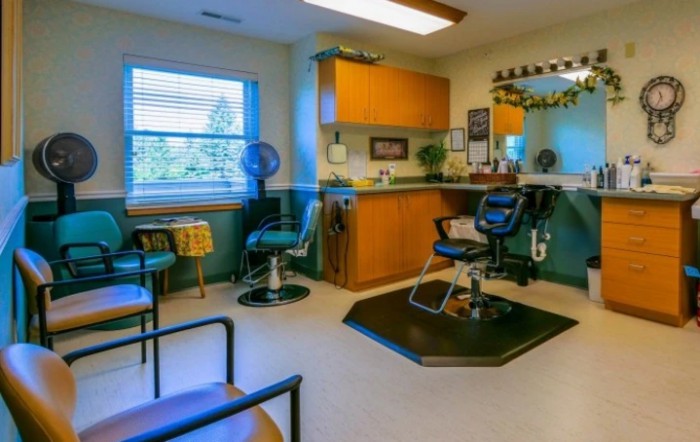
 Beauty salon
 Cable or satellite TV
 Computer center
 Devotional services off-site
 Dining room
 Fitness room
 Fully furnished
 Gaming room
 Garden
 Housekeeping services
 Indoor common areas
 Kitchenette
 Move-in coordination
 Outdoor space
 Private bathrooms
 Restaurant-style dining
 Small library
 Telephone
 Wellness center
 Wi-Fi/high-speed internet available
 Community operated transportation
 12-16 hour nursing
 24-hour call system
 Ambulatory care
 Assistance with bathing
 Assistance with dressing
 Assistance with transfers
 Diabetes diet
 Diabetic care
 High acuity care
 Medication management
 Mental wellness program
 Special dietary restrictions
 Concierge services
 Planned day trips

 Assisted Living Support for Veterans: A Complete and Detailed Overview
 Exploring the Contrasts Between Assisted Living and Skilled Nursing
 8 Key Indicators That Suggest It May Be Time to Transition from Assisted Living to Skilled Nursing Care