
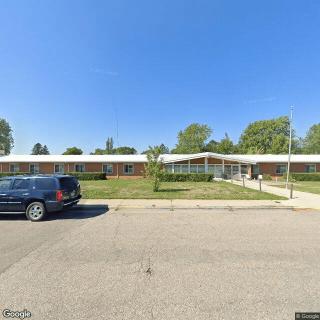
907 Marshall Avenue, Po Box 57, Henning, MN 56551
For more information about senior living options: (866) 208-4318
Overall Review of Henning Rehabilitation & Healthcare Center
Pros
 The facility has a very homelike feel.
- The staff know residents well.
- It is suitable for both short-term therapy stays and long-term care.
- The facility is great.
- The staff are caring.
Review
Henning Rehabilitation & Healthcare Center in Henning, Minnesota is best suited for families prioritizing a small, homelike environment where staff truly know residents and can deliver steady, personalized care. The community works well for both short-term therapy stays and longer-term residency, offering a pace and atmosphere that reduce the anxiety that accompanies transitions. Routines feel familiar, and caregivers integrate therapy, meals, and daily living into one cohesive flow. In practice, this means residents are treated less like numbers and more like valued individuals, which matters when recovering from surgery or managing chronic conditions. The facility’s intimate, community-focused approach is its strongest calling card.
The overall rating, 4.3 out of four reviews, with three five-star impressions and one two-star critique, signals a meaningful strength-and-gap dynamic. The most consistent praise centers on the homelike feel and staff who truly know residents. Families note that caregivers remember preferences, histories, and routines, which translates into more precise pain and mood reporting and quicker tailoring of care plans. For short-term rehab, this familiarity helps therapists align exercises with real-life tasks, reducing friction and fear about the recovery process. For long-term residents, continued caregiver continuity supports safety, social connection, and meaningful participation in daily activities. Taken together, these elements create a convincingly caring core.
Those who should consider alternatives are families prioritizing high-acuity medical oversight, access to a broader roster of on-site specialists, or a more expansive activity calendar. A lone two-star rating suggests not every experience will align with expectations, and some families may encounter service gaps or variability in day-to-day operations. For seniors with complex medical needs that demand constant clinical monitoring, or for those seeking a facility with robust subspecialty services on site, larger campuses or hospital-affiliated centers may provide greater peace of mind. Similarly, families seeking a more bustling social program or a wider range of therapy modalities might prefer options with a broader footprint.
Despite those potential drawbacks, the strengths here offset common trade-offs of a smaller setting in practical, meaningful ways. The homelike atmosphere and personalized attention translate into tangible benefits for rehab and ongoing care, staff professionalism combined with genuine resident familiarity tends to foster safer progress and better adherence to therapy plans. When therapy is woven into daily routines rather than isolated in clinical sessions, momentum builds and residents often demonstrate steadier functional gains. This environment also reduces the stress families feel during transitions, providing clearer communication, easier coordination of care, and a sense of steadiness that supports both patients and caregivers at home.
Of course, limited scale can mean fewer on-site subspecialists and less immediate access to high-intensity medical resources. Staffing patterns may vary by shift, and some residents may experience gaps in programming compared with larger campuses. For families evaluating potential futures, these are legitimate factors to scrutinize, particularly if medical complexity or a rapidly changing rehab trajectory is anticipated. Yet for those whose goals center on regaining mobility, preserving independence, or maintaining a comforting, consistent daily life, these drawbacks rarely derail a positive outcome when the match between resident needs and the center’s strengths is strong.
Bottom line: Henning Rehabilitation & Healthcare Center excels for residents who want a homey, relationship-driven setting with reliable therapy support and continuity in long-term care. It represents a well-aligned choice for recovery and ongoing daily living where staff familiarity translates into practical benefits, safety, and meaningful engagement. However, families should assess medical complexity and the breadth of clinical resources against personal goals; if a higher level of clinical specialization or a more robust social calendar is non-negotiable, exploring alternatives is prudent. Prospective residents should visit with targeted questions about staffing coverage, therapy scheduling, and how care plans evolve as needs change to ensure alignment with expectations and real-world outcomes.
 35 resident community capacity
 Skilled Nursing Facility
 Beauty salon
 Cable or satellite TV
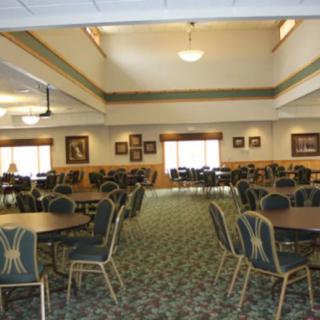
 Dining room
 Fully furnished
 Garden
 Housekeeping services
 Kitchenette
 Move-in coordination
 Outdoor space
 Restaurant-style dining
 Small library
 Telephone
 Wi-Fi/high-speed internet available
 24-hour call system
 Activities of daily living assistance
 Assistance with bathing
 Assistance with dressing
 Assistance with transfers
 Diabetes diet
 Medication management
 Mental wellness program
 Special dietary restrictions


 Understanding the Sandwich Generation: Stress and Responsibilities for Multigenerational Caregivers
 8 Essential Assistive Devices for Older Adults
 Navigating the Financial Road to Nursing Home Care: In-Depth Guidance and Resources