
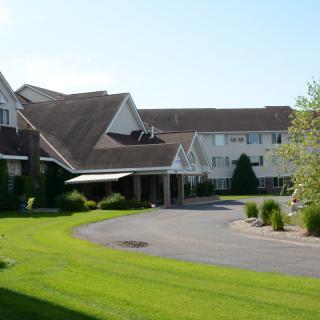
315 Nokomis Street, Alexandria, MN 56308
For more information about senior living options: (866) 208-4318
Overall Review of Alternative Senior Care I
Pros
 The staff and owners of Alternative Senior Care have their hearts in their work.
- Mike Karasch signs every email with "stay humble and kind" and lives by those words.
- The team has consistently been there to lead others in the right direction.
- Those seeking care for a loved one should consider Alternative Senior Care.
Review
This community is best suited for families seeking a hands-on, heart-driven care environment where leadership is approachable and daily life centers on personal relationships. Alternative Senior Care I in Alexandria, MN stands out for those who value genuine kindness, steady guidance, and a culture in which staff and ownership actively participate in directing families through the care choice process. The emphasis on humility and accessible support can translate into a reassuring sense of footing for relatives navigating the first steps of care planning.
Given the single favorable review available, it is important to acknowledge who may want to consider alternatives. If a senior requires highly specialized medical oversight, memory-care programming, or a larger campus with a broad array of therapy options and activities, this option may not be the best match. The limited public feedback also means there is less evidence of sustained performance across different circumstances. Families seeking a proven track record, multiple independent assessments, or extensive clinical services should compare with other communities that publish longer performance histories and clearly defined care tiers.
The most compelling pros center on people: the staff and owners who imbue daily operations with dedication, warmth, and a willingness to guide families rather than simply supervise care. The owner’s personal philosophy, evidenced by messages like “stay humble and kind”, is not cosmetic; it permeates how staff interact, how decisions are explained, and how problems are approached. In a care landscape that often leaves families unsure, this personal alignment can create trust, reduce friction in planning, and shorten the path to comfortable agreements about what is feasible for a loved one. Those dynamics can offset potential gaps in formal offerings through reliable, day-to-day relational stability.
Where the limited data matter, this evaluation calls for careful verification: the absence of multiple reviews means there is no robust cross-section of outcomes to confirm consistency of care. Prospective families should seek concrete assurances about what services are included on site, how care plans are developed and updated, and what happens when needs shift. On visits, attention should be paid to how staff interact with residents, the transparency of daily routines, the availability of the owner or administrator for questions, and the clarity of emergency procedures. These factors will reveal whether the personal touch translates into dependable, scalable care.
This option tends to fit a decision pattern when the priority is a close-knit, family-oriented atmosphere rather than a large, program-heavy operation. For seniors who flourish with regular staff familiarity, simple but reliable routines, and responsive problem-solving from leadership, this community can be a strong match. It is especially suitable for families who are comfortable with a leaner scale of services and who place high value on ethical leadership and a courteous, supportive culture. Conversely, if independence needs are coupled with rigorous medical management, specialized dementia programming, or expansive on-site therapies, alternatives with broader clinical footprints warrant serious consideration.
In the end, the choice hinges on a balancing act between personal, relational care and the breadth of clinical offerings. This community earns credibility through its people-driven approach and underlines how leadership behavior can shape everyday experiences for residents and their families. For those who prioritize heart-led care and direct access to decision-makers, a thoughtful investigation is warranted and likely worthwhile. For families requiring extensive medical infrastructure or a longer track record of diversified services, the prudent move is to explore options with a wider published history and more expansive facility capabilities.
 21 resident community capacity
 Assisted Living
 Beauty salon
 Cable or satellite TV
 Dining room
 Fully furnished
 Garden
 Housekeeping services
 Kitchenette
 Move-in coordination
 Outdoor space
 Restaurant-style dining
 Small library
 Telephone
 Wi-Fi/high-speed internet available
 24-hour call system
 Activities of daily living assistance
 Assistance with bathing
 Assistance with dressing
 Assistance with transfers
 Diabetes diet
 Medication management
 Mental wellness program
 Special dietary restrictions

 Assisted Living Expenses and Long-Term Care Insurance: A Comprehensive Exploration
 Securing Financial Support for Assisted Living: A Comprehensive Overview
 Social Security Benefits and Assisted Living: Navigating Options Across the U.S.