Thorne Crest Senior Living Community, a CCRC Costs & Pricing
Thorne Crest Senior Living Community, a Continuing Care Retirement Community (CCRC), offers competitive pricing for its accommodations compared to local and state averages. For a one-bedroom unit, residents can expect to pay $2,112 per month, which is significantly lower than the county average of $2,787 and the state average of $2,893. Two-bedroom units are priced at $2,946, also offering affordability relative to Freeborn County's average of $3,590 and aligning closely with Minnesota's overall rate of $2,955. However, the studio apartments at Thorne Crest reflect a premium cost of $5,463 per month; this stands in contrast to the county's average of $4,103 and Minnesota's lower statewide figure of $3,617. Overall, Thorne Crest provides an attractive option for seniors looking for value within a supportive community setting while still maintaining access to essential services as needed.
Floor plans
Thorne Crest Senior Living Community, a CCRC
Freeborn County
Minnesota
1 Bedroom
$2,112
$2,787
$2,893
2 Bedrooms
$2,946
$3,590
$2,955
Studio
$5,463
$4,103
$3,617
Assisted Living communities with a similar price nearby
Overall Review of Thorne Crest Senior Living Community, a CCRC
common18 reviews mention this
Staff care and responsiveness stand out
Residents and families repeatedly describe staff who are kind, respectful, and easy to reach.
Multiple reviews highlight staff being responsive when families had questions and when needs changed. Several residents describe the staff as caring and personable, with families feeling supported during move-in and stressful periods. A few mentions also call out staff availability as a relief for families managing care at home.
common9 reviews mention this
Clean, quiet, and well kept spaces
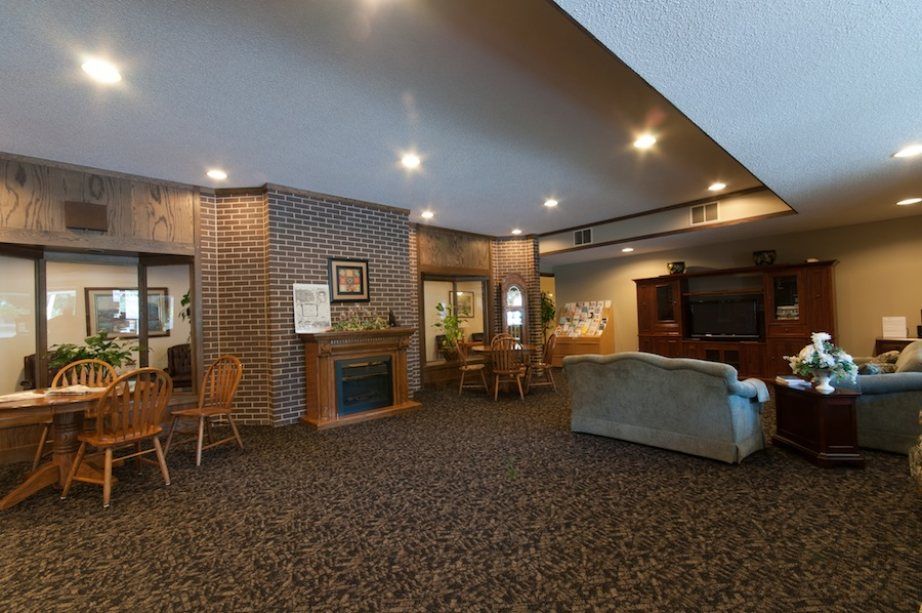
Reviews frequently mention clean, bright, and comfortable common areas and apartments.
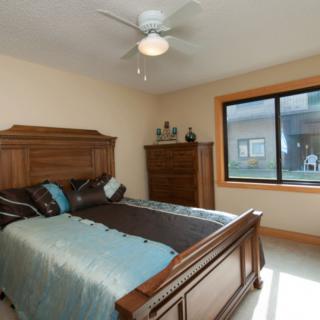
Residents and families describe the facility as clean, with rooms presented as comfortable and nicely designed. Several comments also mention a calm environment, including quietness, and point to improvements to mobility and everyday comfort through programs and spaces. One review notes noise from the heating and cooling system as a drawback, described as typical of apartment-style living.
common6 reviews mention this
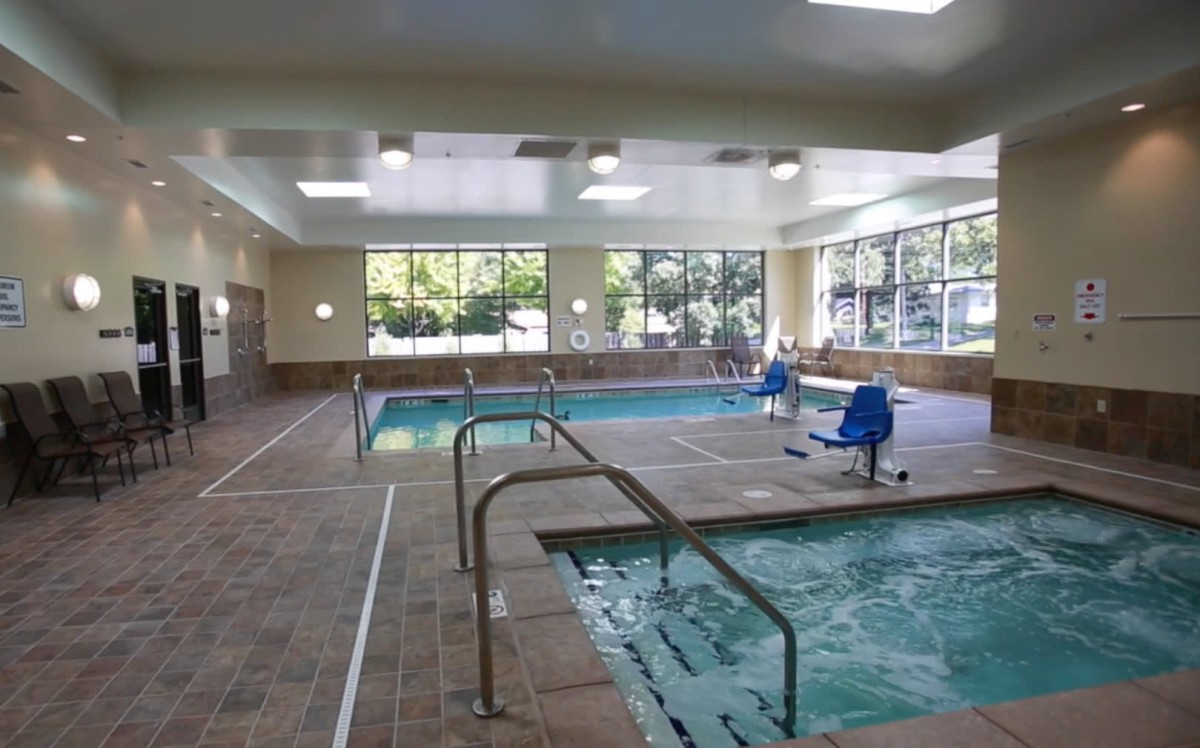
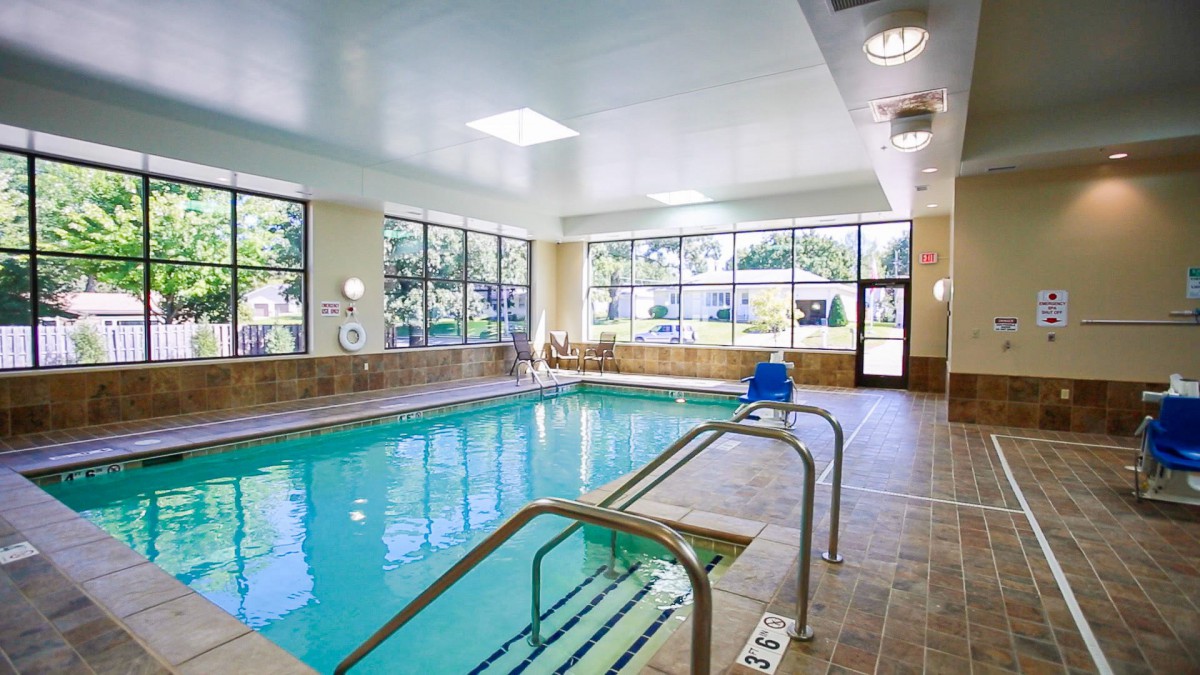
Activities and the pool
Residents describe plenty to do, including group activities and an on-site pool.
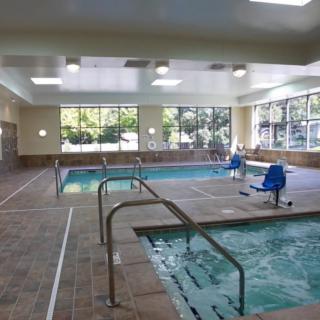
Reviews repeatedly mention activities as a reason residents are engaged, including classes and social options. The pool is singled out as a major positive, including mentions of exercise in and around it. Residents also describe using on-site and planned activities over time, depending on their preferred routine.
common6 reviews mention this
Care helps families through changes
Families describe care that adjusts quickly as needs change.
Several reviews focus on day-to-day support, including assistance with changing needs and getting residents set up in their apartment after move-in. Some mention therapy and meal support as part of everyday life, and describe staff as helpful in navigating challenges. A review also points to on-site care being accessible enough to bring peace of mind for family members.
caveat2 reviews mention this
Memory care can be hard to get
Residents transitioning into memory care can face limited availability.
One family describes moving a loved one into independent living and then needing memory care soon after, only to find a small memory care unit with a long waiting list. Another review references the community’s assisted and independent options as separate setups, reinforcing that moving between levels may require planning based on space.
caveat2 reviews mention this
Dining feels limited to some
Dining is enjoyable, but some residents want more restaurant-style options.
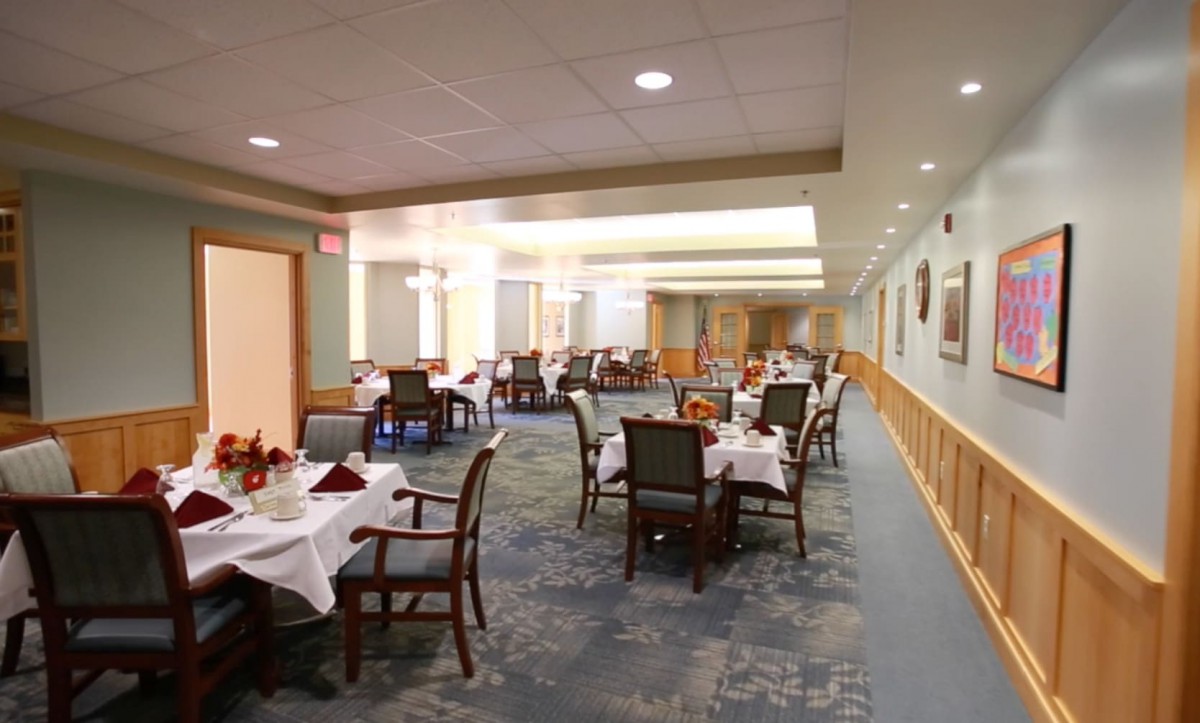
Some reviews appreciate meals and describe them as satisfying, while others want a more restaurant-like experience with more resident choice. The community does offer restaurant-style dining and meal service, but at least one reviewer felt the meal offerings did not fully match that expectation.
caveat2 reviews mention this
Add-ons and program clarity raise questions
Some reviews question value due to add-on services and unclear program details.
One review says the community may be pricey when considering add-on services, and also flags confusion around the rental versus buy-in program. At the same time, pricing summaries across apartment types vary widely, so the concern seems focused on how costs work rather than the base range alone.
How we summarize
Counts show how many written reviews mention each theme; a review can touch several themes, and only frequently mentioned themes are displayed.
Features
Housing
22 resident community capacity
1-bedroom apartments
2-bedroom apartments
3-bedroom apartments
Studio apartments
Types of Care
Assisted Living
Continuing Care Retirement Community (CCRC)
Independent Living
Memory Care
Skilled Nursing Facility
Pets
Cats allowed
Dogs allowed
Amenities
Activities off-site
Activities on-site
Air-conditioning
Beautician on-site
Beauty salon
Cable or satellite TV
Devotional services off-site
Devotional services on-site
Dining room
Full kitchen
Fully furnished
Garden
Ground floor units
Guasts at mealtime
Handicap accessible
Housekeeping services
Indoor common areas
Kitchenette
Laundry
Move-in coordination
Outdoor common areas
Outdoor space
Overnight guests
Party space
Private bathrooms
Resident parking
Swimming pool
Swimming pool / hot tub
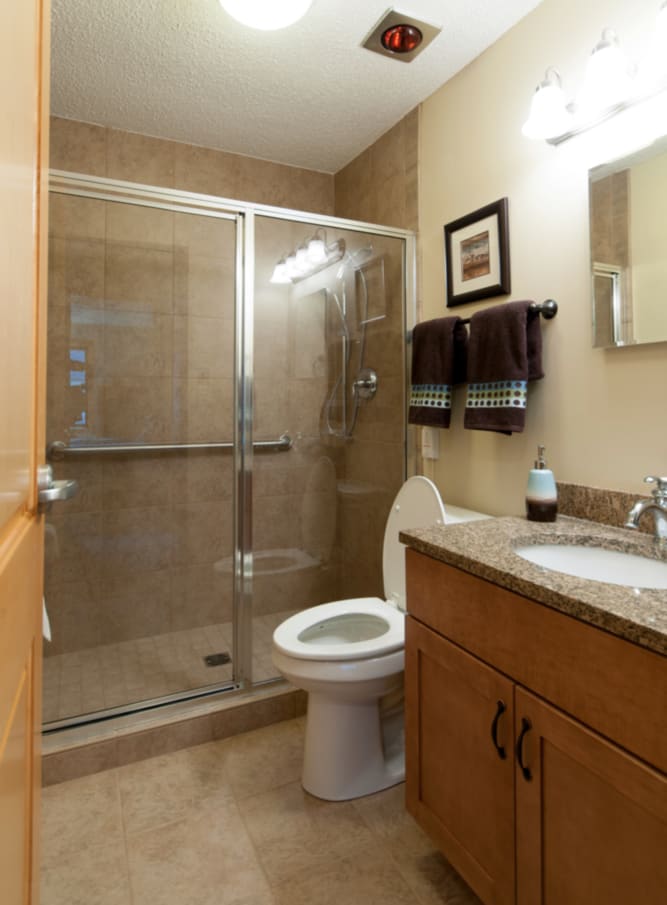
Wheelchair accessible showers
Wi-Fi/high-speed internet available
Transportation
Community operated transportation
Transportation & parking
Transportation arrangement
Transportation arrangement (non-medical)
Care Services
24-hour call system
24-hour supervision
Activities of daily living assistance
Ambulatory care
Assistance with bathing
Assistance with dressing
Assistance with transfers
Diabetes diet
Diabetic care
Meal preparation and service
Medication management
Personal care assistants
Physical therapy
Special dietary restrictions
Dining
Diabetes diet
Gluten-free
Guest meals
International cuisine
Low / no sodium
Meals provided
No Sugar
Restaurant style dining
Room service
Special dietary restrictions
Vegetarian
Activities
Activities off-site
Activities on-site
Art classes
Catholic services
Community-sponsored activities
Day trips and outings
Devotional activities offsite
Devotional activities on-site
Educational speakers / life long learning
Fitness programs
Happy hour
Karaoke
Live musical performances
Live well programs
Other religious services
Religious services
Resident-run activities
Scheduled daily activities
Visiting chaplain or priest
Languages Spoken
English
Videos
Nearby Places of Interest
This part of Albert Lea, Minnesota, offers a variety of amenities for senior living. There are several restaurants within walking distance, providing convenient dining options. Places of worship are also nearby for those seeking spiritual fulfillment. In addition, there are cafes where seniors can socialize and enjoy coffee or treats. Parks in the area offer opportunities for outdoor recreation and relaxation. Pharmacies and hospitals are easily accessible, ensuring that healthcare needs are met. Transportation options such as taxis and U-Haul services are available for convenience. Overall, this neighborhood provides a comfortable and convenient environment for seniors looking to settle down in Albert Lea.
Restaurants
B & B Cafe (0.3 miles)
Eat'n Ice Cream Shoppe (0.5 miles)
Harold's Bar (0.5 miles)
Trumble's Restaurant (0.6 miles)
Taco John's (0.6 miles)
Burger King (0.7 miles)
McDonald's (0.7 miles)
Places of Worship
Faith Baptist Church (0.3 miles)
Hope Church (0.9 miles)
Salem Lutheran Church (1 miles)
First Lutheran Church-Albert (1 miles)
Pentecostal Church Emmanuel (1.1 miles)
Our Savior's Lutheran Church ELS (1.2 miles)
Trinity Lutheran Church (1.2 miles)
Cafes
B & B Cafe (0.5 miles)
Cabin Coffee Co. (0.7 miles)
The Interchange Wine & Coffee Bistro (1 miles)
Nancy's Cafe (1 miles)
You Betcha Cafe and Ice Cream Shoppe (11.1 miles)
Parks
Katherine Island & New Denmark Park (0.5 miles)
Edgewater Park Maintenance Building (0.9 miles)
Morin Park (1 miles)
Brookside Dog Park (1 miles)
Central Park (1.2 miles)
Academy Park (1.3 miles)
Bancroft Bay Park (1.3 miles)
Pharmacies
Sterling Drug # 3 (0.5 miles)
Walgreens (0.7 miles)
Sterling Drug (1 miles)
Curt's Pharmacy (2 miles)
Curts Long Term Care Pharmacy (2 miles)
Transportation
A Quality Cab (0.7 miles)
U-Haul (0.8 miles)
Union Pacific Railroad Co. (0.8 miles)
U-Haul (1.4 miles)
Albert Lea Taxi (1.7 miles)
Dave's Fish Mounting (2.3 miles)
Hospitals
Almc (1 miles)
Albert Lea Eye Clinic (1 miles)
Naeve Hospital-Mayo Health System (1.1 miles)
Albert Lea Medical Center (1.1 miles)
Physicians
Mekala Praveen Mayo Clinic Health System Southeast Minnesota Region (1 miles)
Thorne Crest Senior Living Community, a Continuing Care Retirement Community (CCRC), offers competitive pricing for its accommodations compared to local and state averages. For a one-bedroom unit, residents can expect to pay $2,112 per month, which is significantly lower than the county average of $2,787 and the state average of $2,893. Two-bedroom units are priced at $2,946, also offering affordability relative to Freeborn County's average of $3,590 and aligning closely with Minnesota's overall rate of $2,955. However, the studio apartments at Thorne Crest reflect a premium cost of $5,463 per month; this stands in contrast to the county's average of $4,103 and Minnesota's lower statewide figure of $3,617. Overall, Thorne Crest provides an attractive option for seniors looking for value within a supportive community setting while still maintaining access to essential services as needed.
Thorne Crest Senior Living Community offers a comprehensive range of features that are essential for supporting residents with dementia or Alzheimer's disease. The provision of 24-hour supervision ensures that residents are constantly monitored, allowing for immediate assistance in case of confusion or distress. Activities of daily living assistance, including help with bathing and dressing, promote personal hygiene and autonomy, which can enhance the resident's self-esteem and comfort. Assistance with transfers is crucial for maintaining mobility and safety, reducing the risk of falls. Meal preparation and service are tailored to meet dietary needs while ensuring proper nutrition, which is vital for cognitive functioning. Medication management helps prevent complications arising from improper dosages or missed medications, while physical therapy supports overall physical health, enhancing mobility and engagement in activities. Together, these services create a supportive environment conducive to both safety and quality of life for individuals facing cognitive challenges.
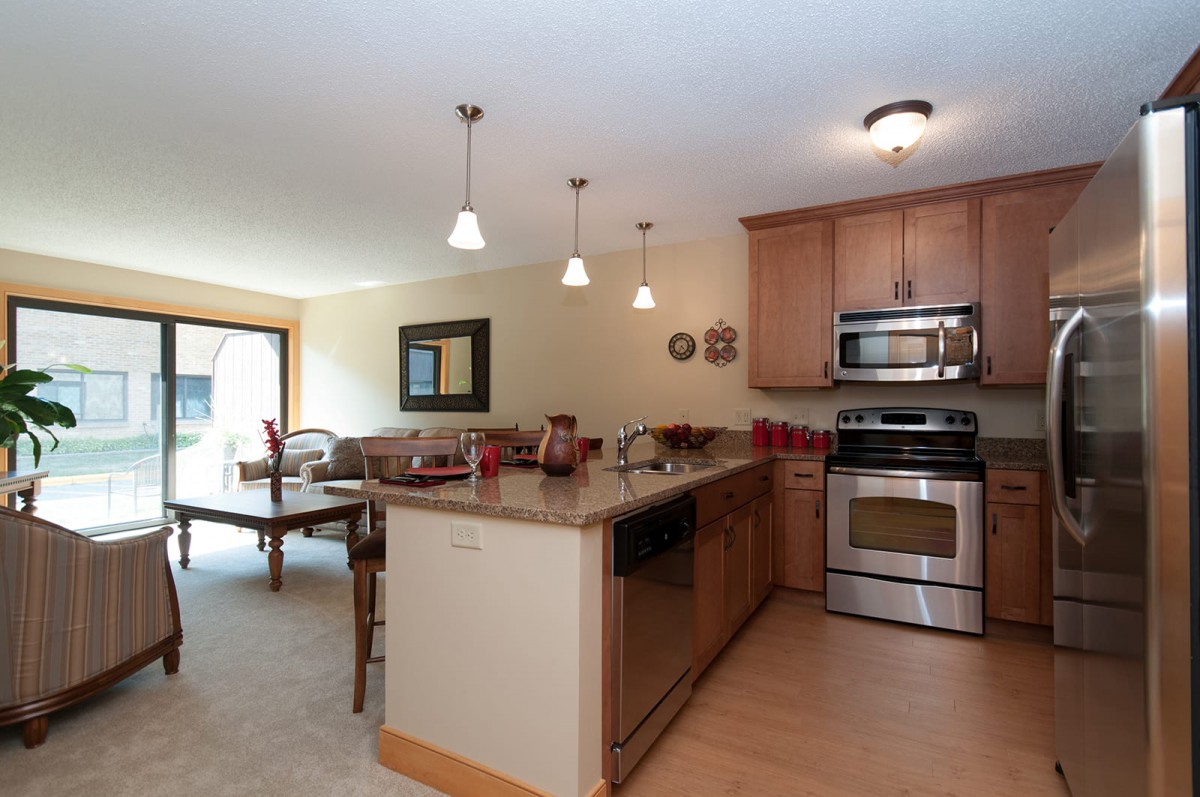
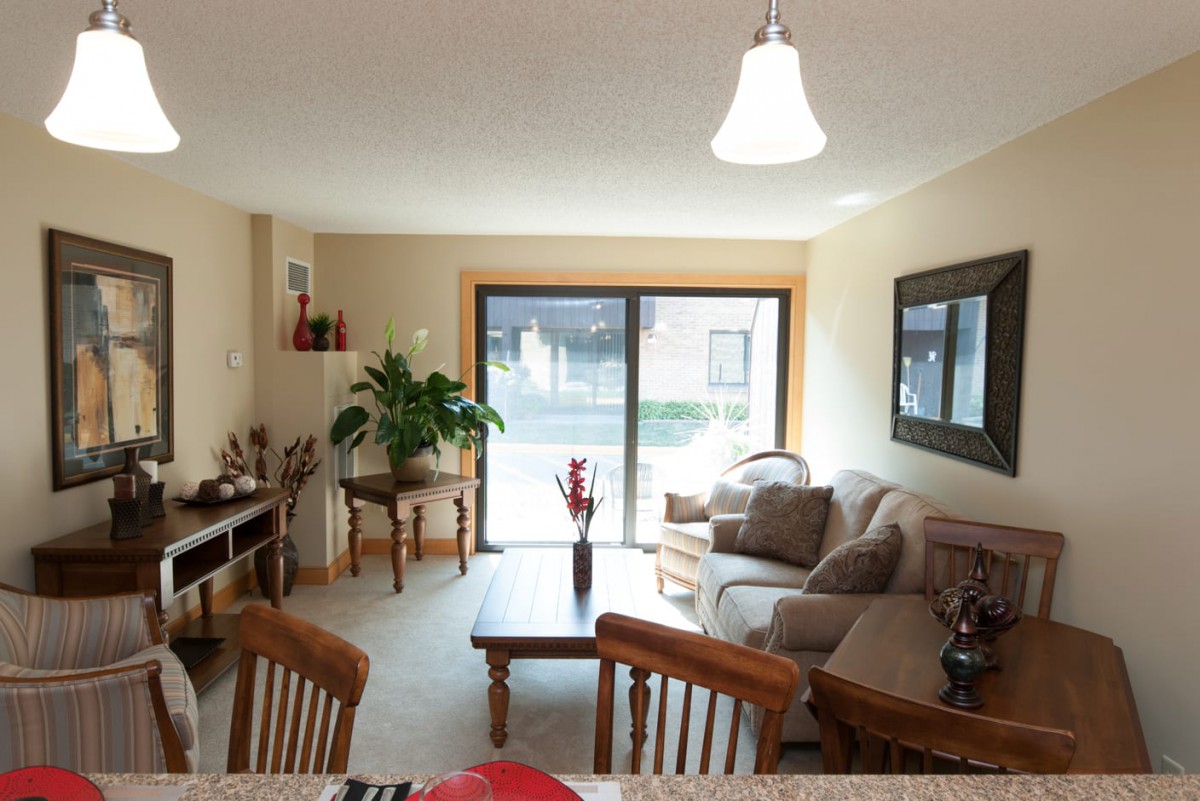
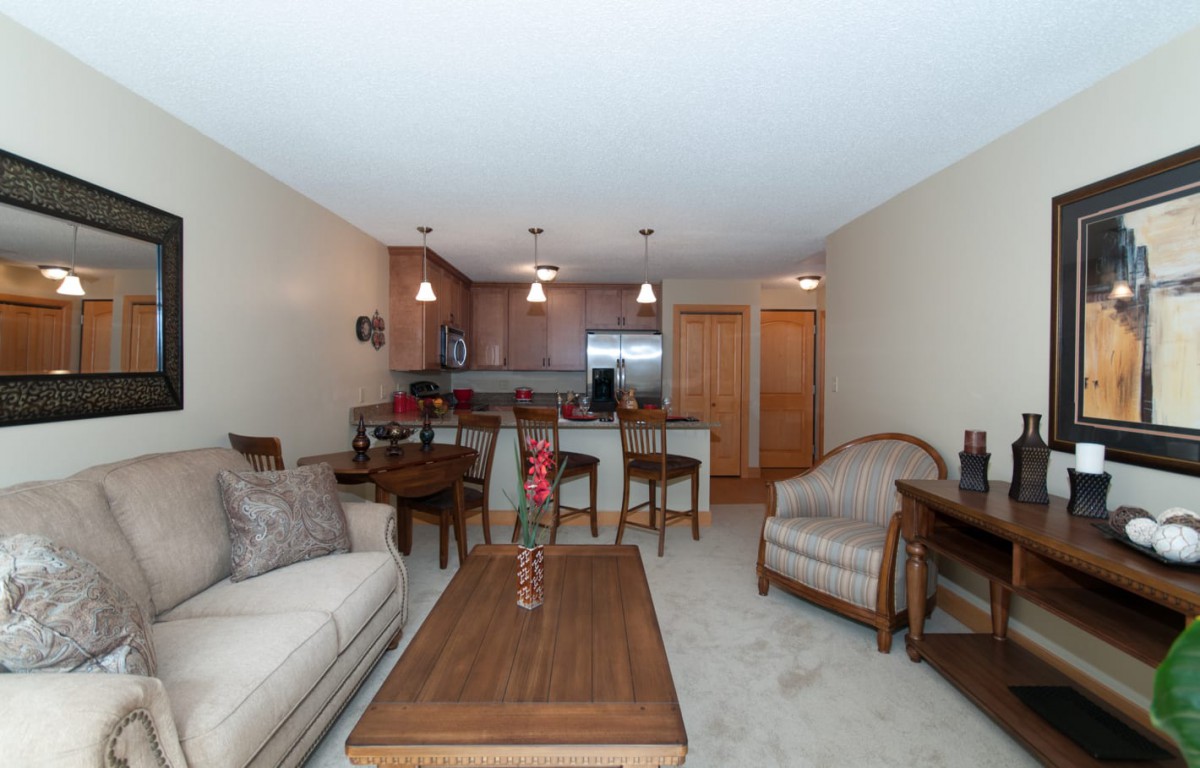
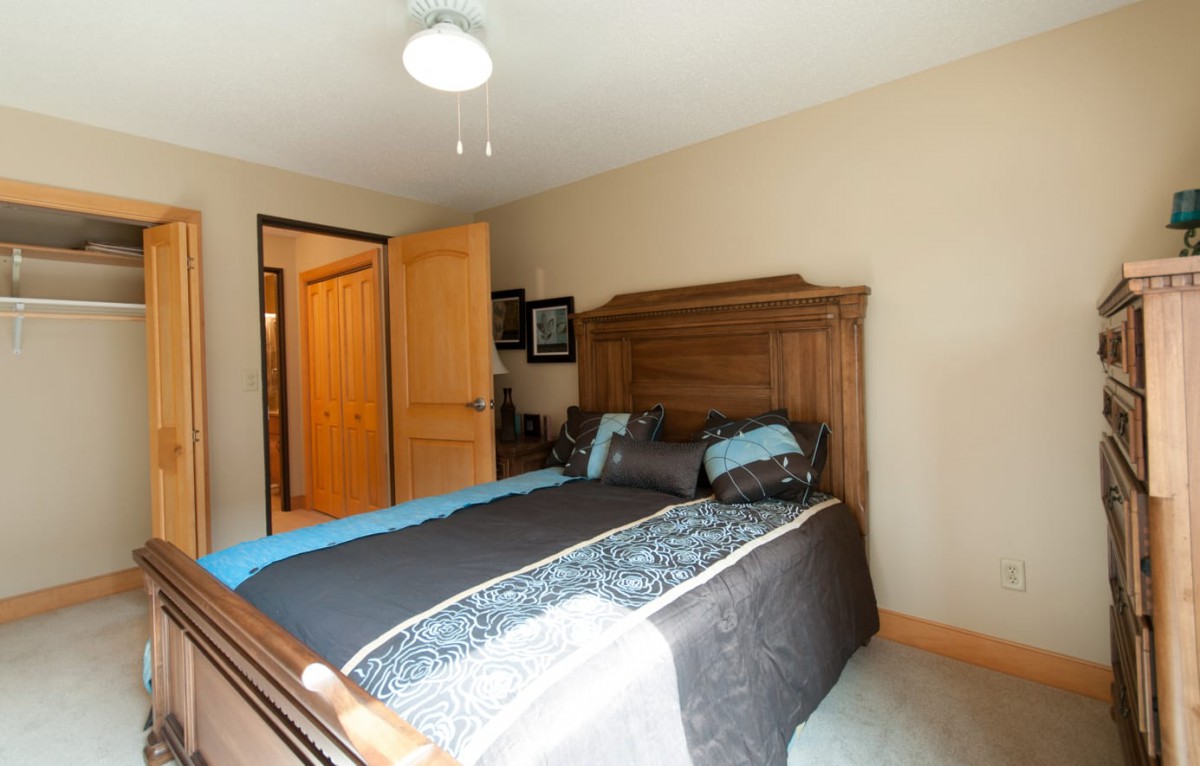
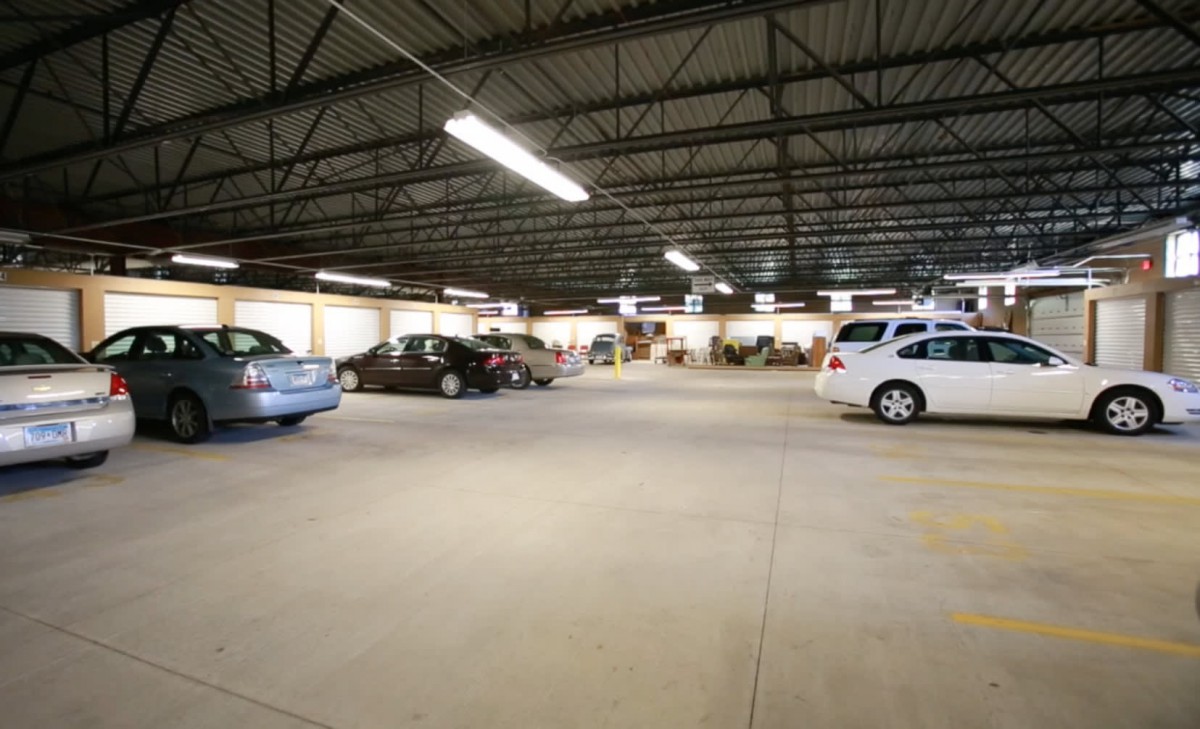
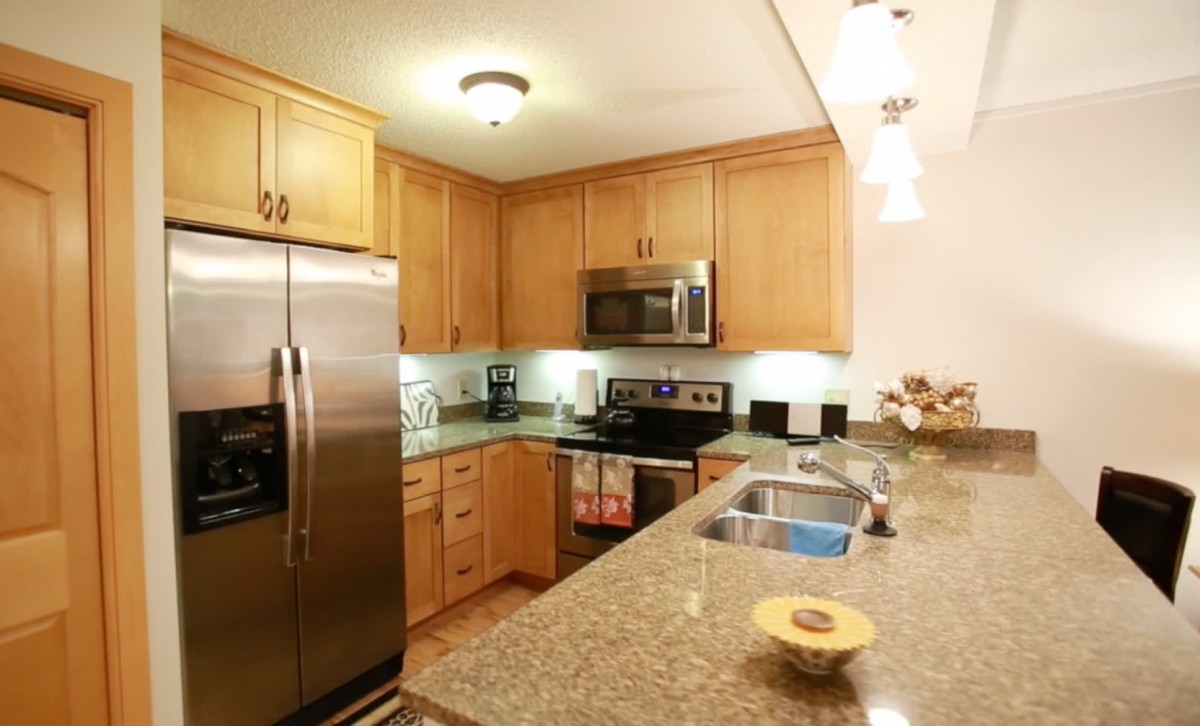
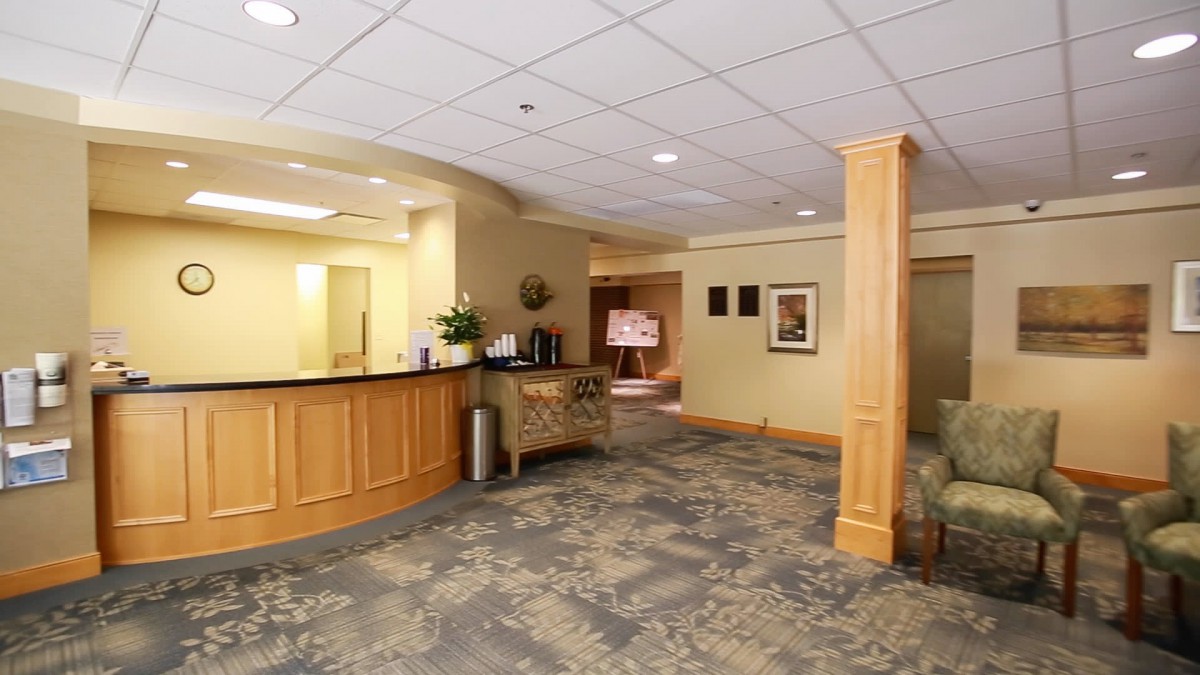
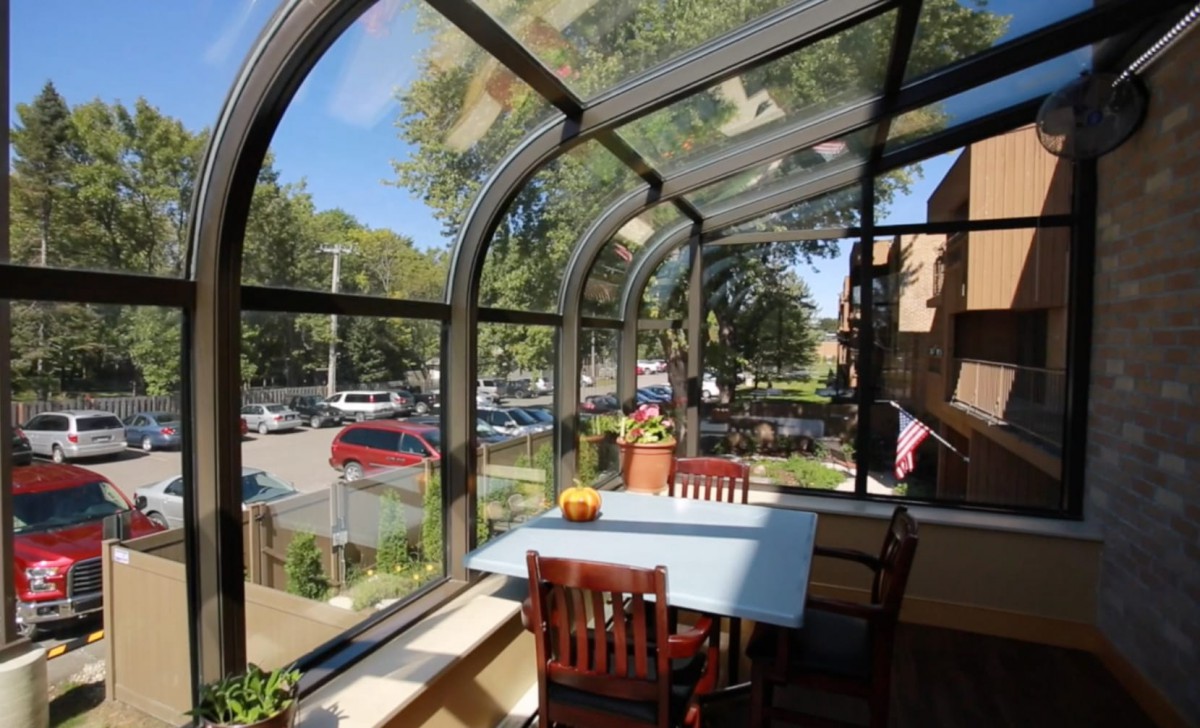
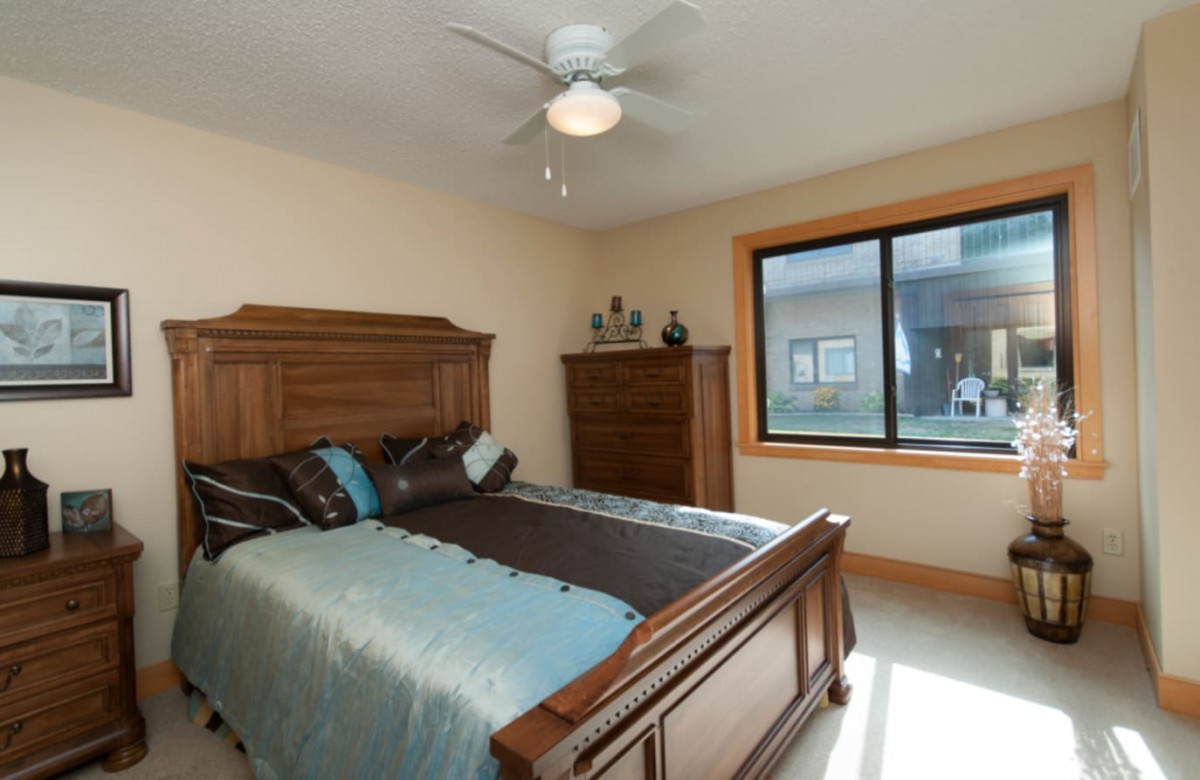
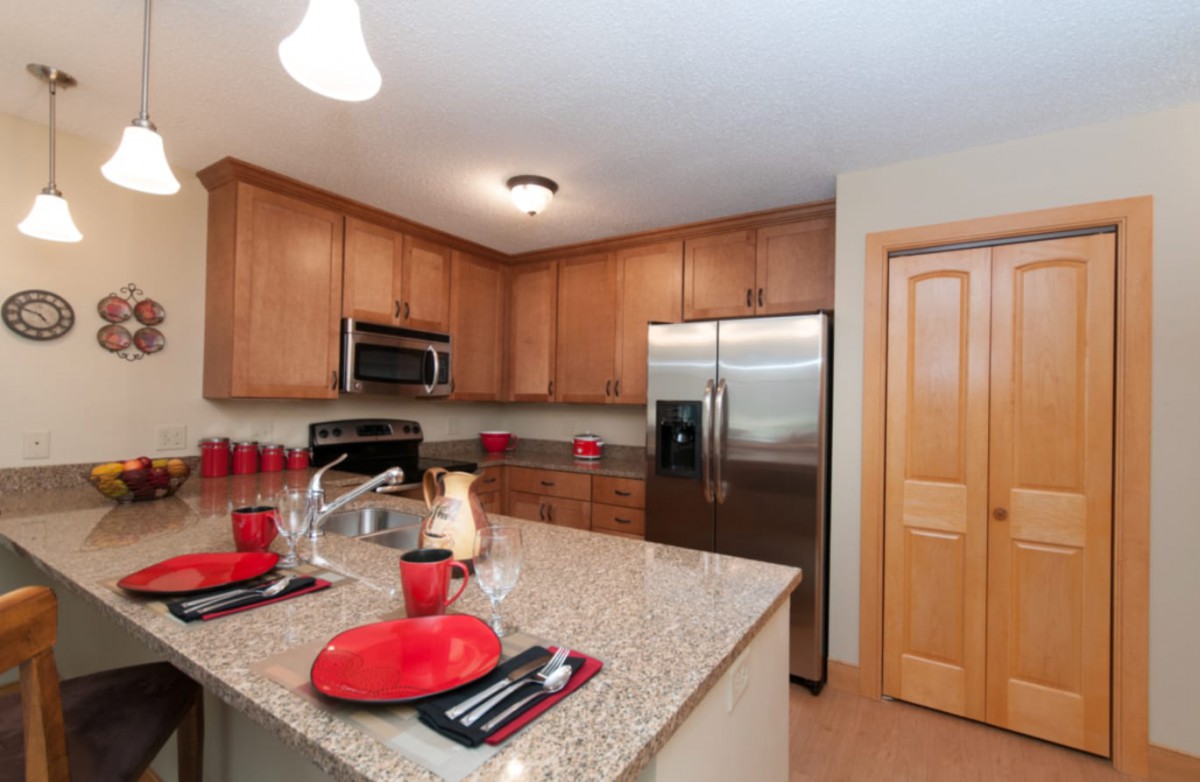
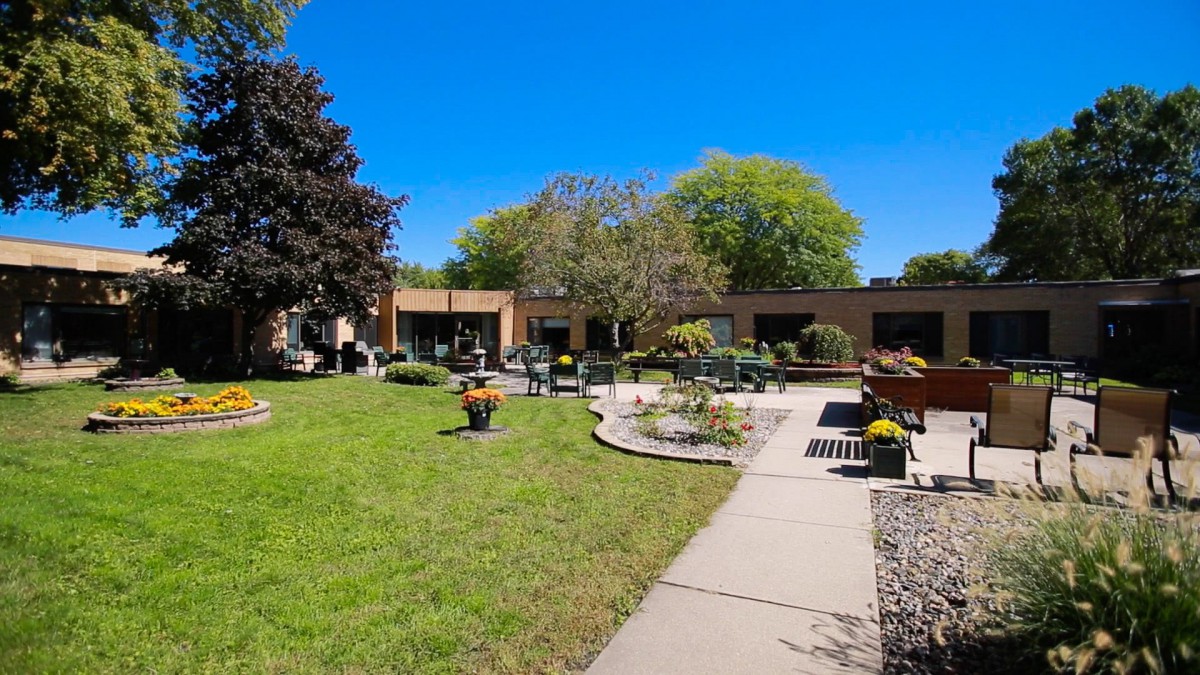
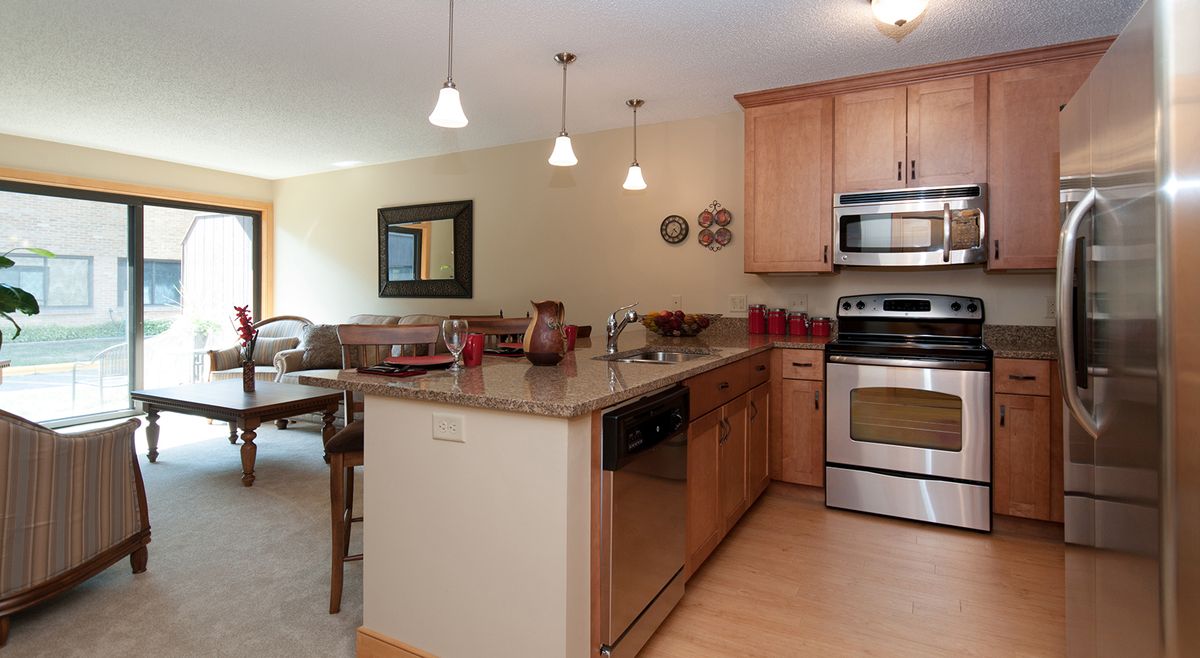
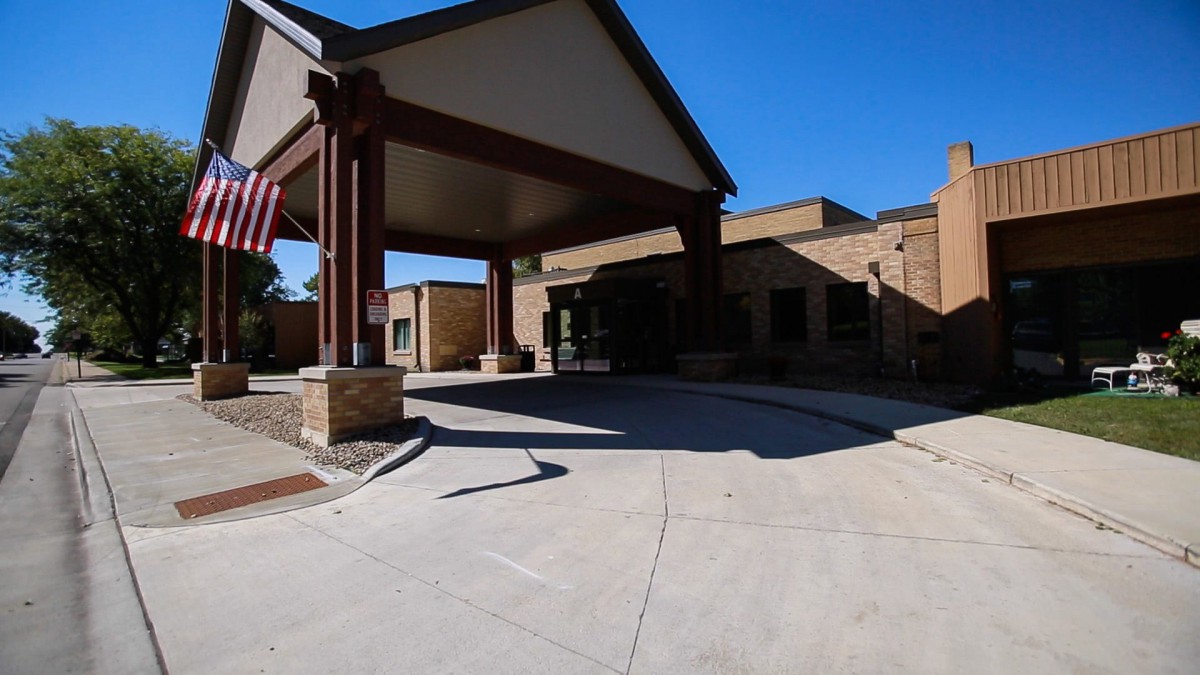
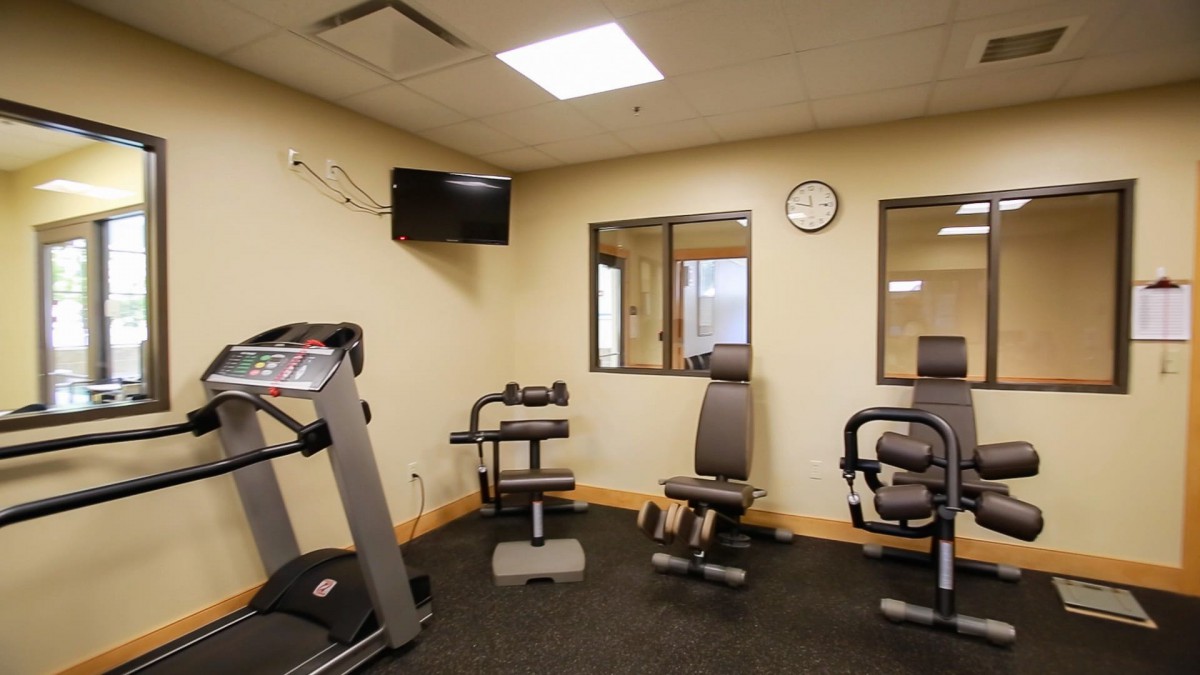
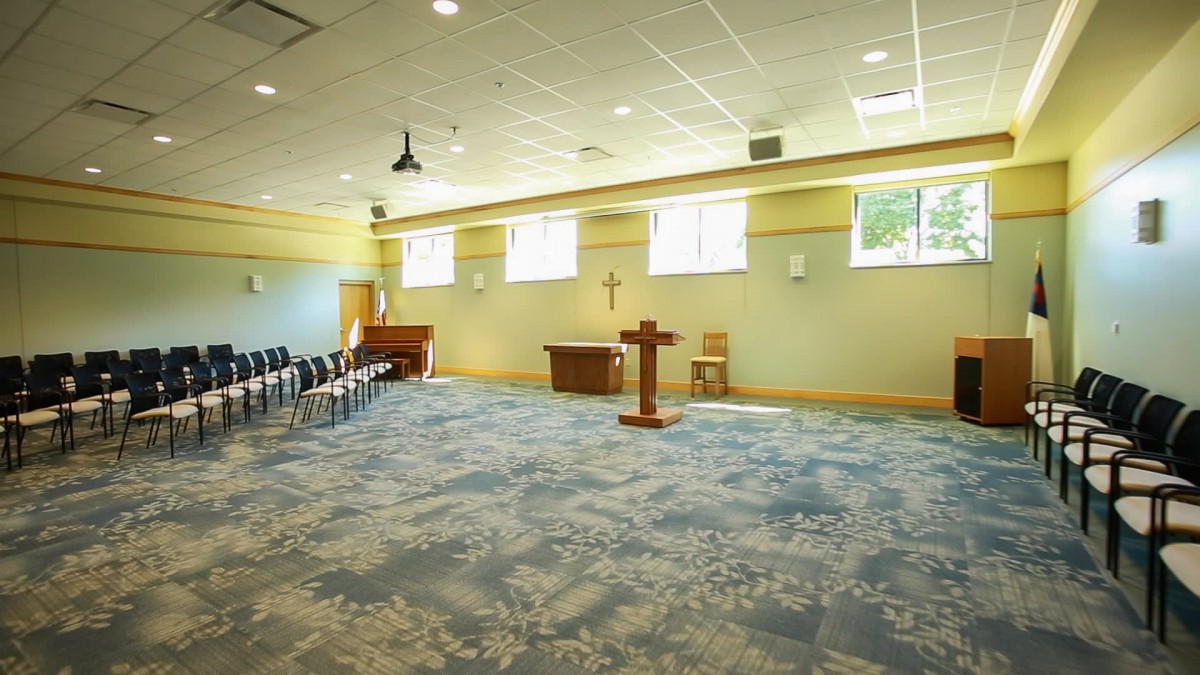
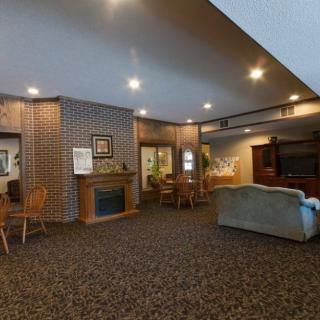
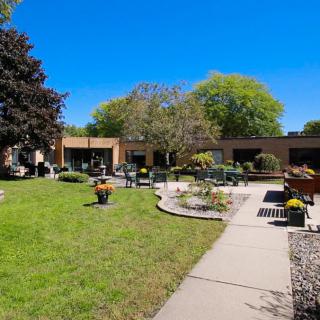
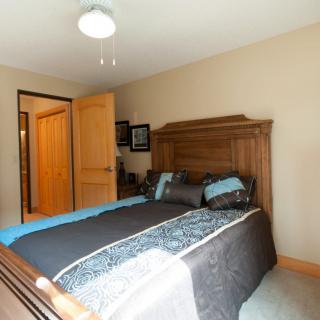
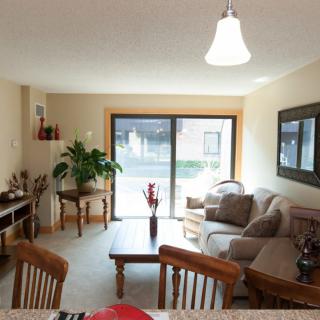
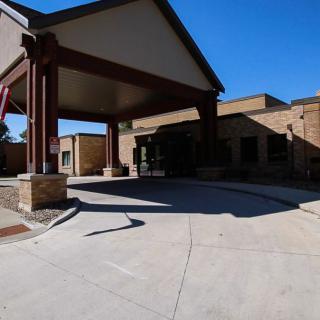
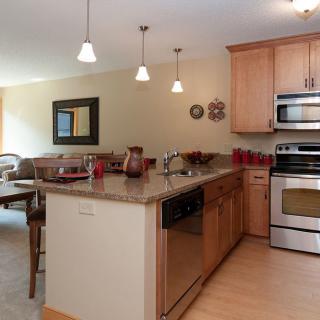
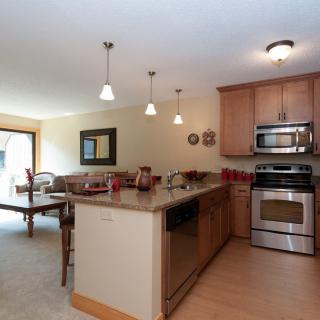
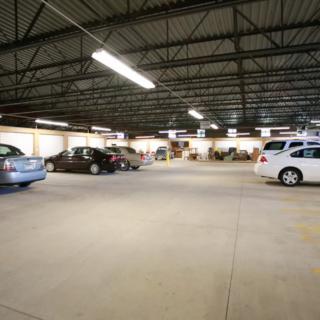
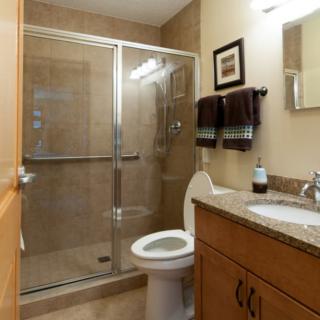
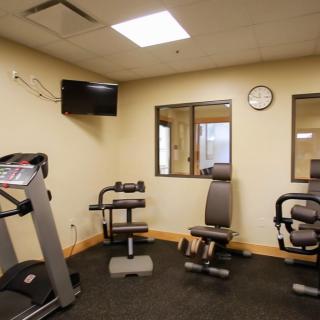
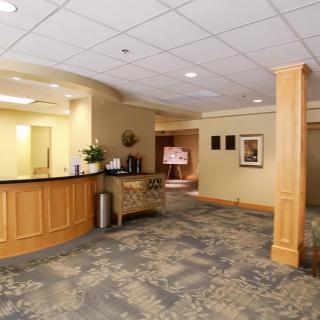
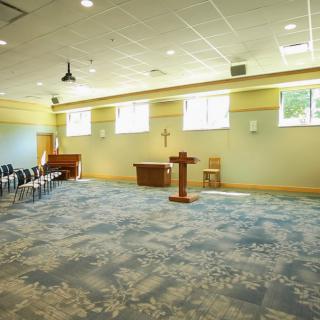
Thorne Crest Senior Living Community, a CCRC on seniors.fyi includes 22 photos including images showing interior, dining, kitchen, bedroom, appliances, windows, decor, pendant lights, and more.
Nearby Communities
Oak Park Place - Albert Lea
Albert Lea, MN
4.8 from 82 reviews
$2,743 to $4,233 / month
Clean, welcoming environment with friendly staff and spacious, well-maintained apartments.
Oak Park Place Of Albert Lea
Albert Lea, MN
4.8 from 43 reviews
Broad care options with 24/7 supervision and extensive amenities.
Joann Jensen
Albert Lea, MN
24/7 staff with comprehensive care and engaging activities.
Just Like Home Place
Albert Lea, MN
24-hour supervision with ADL assistance and coordinated care
Grace Home Healthcare
Albert Lea, MN
1.8 from 5 reviews
24/7 supervision with medication management in a comfortable, fully furnished setting.
St Johns On Fountain Lake
Albert Lea, MN
4.4 from 42 reviews
Comprehensive care with 24/7 supervision and broad on-site amenities.
Knutson Place Apartments
Albert Lea, MN
2.3 from 3 reviews
Comprehensive care options and on-site amenities for independent and assisted living.
Whispering Oak Place
Ellendale, MN
4.2 from 17 reviews
$4,300 to $5,000 / month
Spacious rooms with a strong memory care program and attentive staff.
Mills Harbour & Lake Mills Care Center
Lake Mills, IA
$851 to $5,715 / month
Very affordable studio and 1?bedroom rates relative to county/state averages; multiple care levels offered on-site.
Dementia, particularly Lewy body dementia, often involves hallucinations that can significantly distress both patients and caregivers due to disruptions in sensory processing and neurotransmitter imbalances. Effective management includes compassionate communication, environmental adjustments, and a multidisciplinary approach to care while addressing the emotional needs of caregivers.
Alzheimer’s disease is a progressive neurological disorder that significantly impacts memory and cognitive functions, accounting for 60-80% of dementia cases, with early diagnosis being crucial yet challenging. It involves brain changes like beta-amyloid plaques and tau tangles, influenced by genetic and lifestyle factors, and while there is no cure, symptom management and support for caregivers are essential.
Dementia, influenced by aging and certain medications, may be exacerbated by drug classes such as anticholinergics, benzodiazepines, and antipsychotics, which are associated with cognitive impairment. Regular medication reviews by healthcare professionals are crucial for older adults to manage risks and optimize cognitive health.
Thorne Crest Senior Living Community, a CCRC photos
×
Interior
Outdoors
Decor
Living Room
Building
Bedroom
Windows
Dining
Kitchen
Lighting
Bathroom
Television
Lobby
Seating
Interior
Decor
Bedroom
Dining
Living Room
Landscaping, Trees, Garden, Patio, and Outdoors
Windows
Building
Architecture and Entrance
Bathroom and Shower
Kitchen
Lighting and Parking
Television, Exercise Equipment, Gym, Treadmill, and Exercise Room
Seating Area
Lobby
Appliances
Natural Light
Seating, Church, and Chapel
Cabinets
Waiting Area and Reception
Swimming Pool and Hot Tub
Oven
Pendant Lights
Indoor Pool
Sunroom
Get PricingAsk A QuestionSchedule A TourContact Senior Advisor
By clicking submit, you agree to our Partner's Terms of Use. You
also consent to receive calls and texts, which may be autodialed, from our Partner. Your consent is not a condition to
using our Partner's service. Please visit our Partner's Privacy Policy for information about their privacy practices.





 22 resident community capacity
 1-bedroom apartments
 Assisted Living
 Continuing Care Retirement Community (CCRC)
 Independent Living
 Memory Care
 Skilled Nursing Facility
 Cats allowed
 Dogs allowed
 Activities off-site
 Air-conditioning
 Beautician on-site
 Cable or satellite TV
 Devotional services off-site
 Dining room
 Full kitchen
 Fully furnished
 Garden
 Ground floor units
 Handicap accessible
 Housekeeping services
 Indoor common areas
 Laundry
 Move-in coordination
 Outdoor common areas
 Overnight guests
 Party space
 Private bathrooms
 Resident parking
 Swimming pool
 Wheelchair accessible showers
 Wi-Fi/high-speed internet available
 Community operated transportation
 24-hour call system
 Ambulatory care
 Assistance with bathing
 Assistance with dressing
 Assistance with transfers
 Diabetes diet
 Diabetic care
 Meal preparation and service
 Medication management
 Personal care assistants
 Physical therapy
 Special dietary restrictions
 Art classes
 Catholic services
 Day trips and outings
 Educational speakers / life long learning
 Fitness programs
 Happy hour
 Karaoke
 Live musical performances
 Live well programs
 English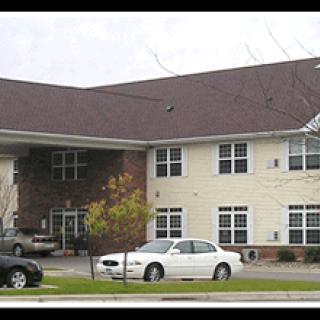
 Clean, welcoming environment with friendly staff and spacious, well-maintained apartments.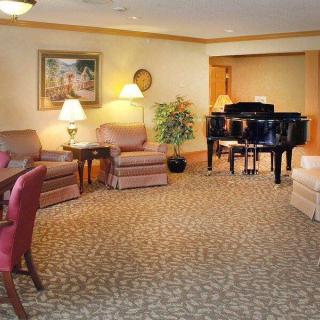

 Dementia-Related Hallucinations: Causes, Experiences, and Practical Approaches
 Illuminating Insights About Alzheimer's Disease: Ten Crucial Realities
 A Thorough Discussion of Medications Potentially Linked to Dementia Risk