


Good Samaritan Society - Albert Lea

Save

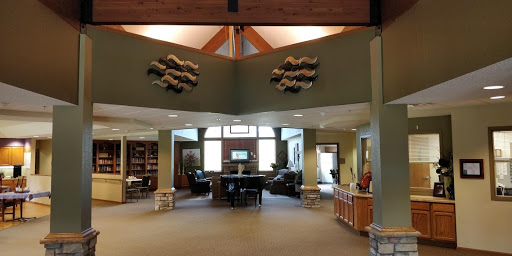
  • Interior

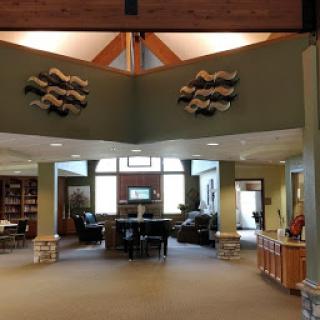
    A spacious and modern lobby featuring artistic wall decorations and abundant natural light.
  • Decor

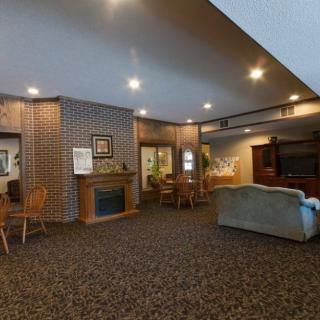
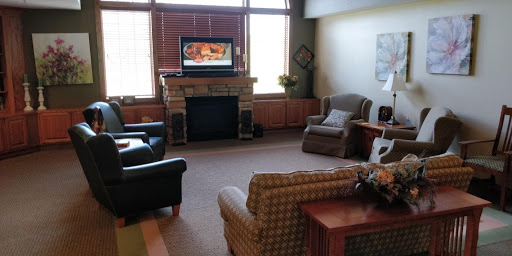
    A cozy living room featuring comfortable seating, a stone fireplace, and decorative shelves.
  • Living Room

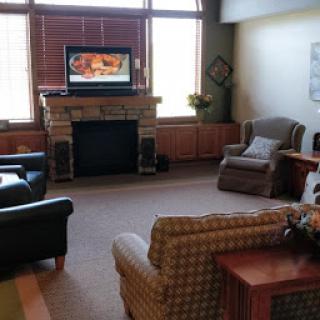
    A cozy living room featuring comfortable seating and a television above the fireplace.
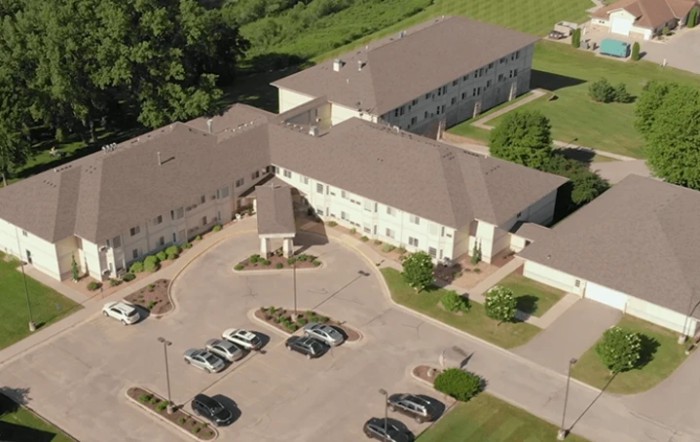
  • Building

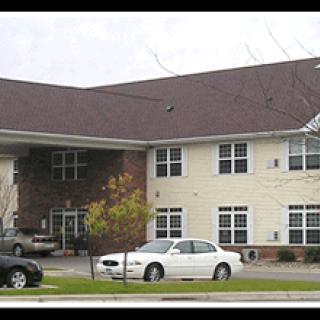
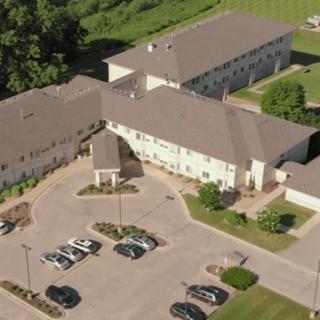
    Aerial view of a large building with a parking lot and surrounding greenery.
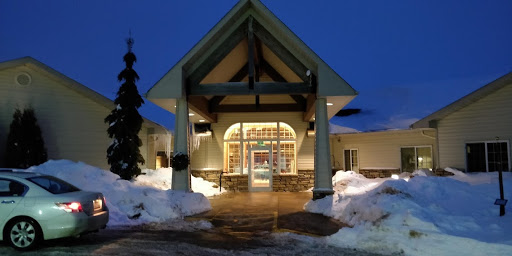
  • Architecture

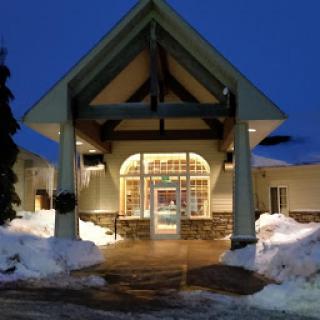
    The welcoming entrance of a building illuminated at night, surrounded by snow.
  • Dining

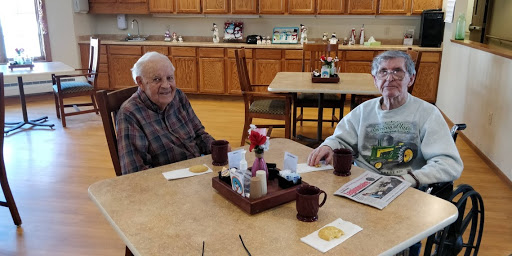
    Two elderly friends enjoying breakfast together in a cozy dining area.
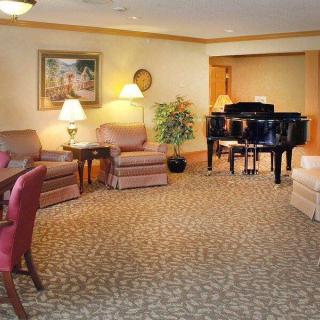
  • Seating Area

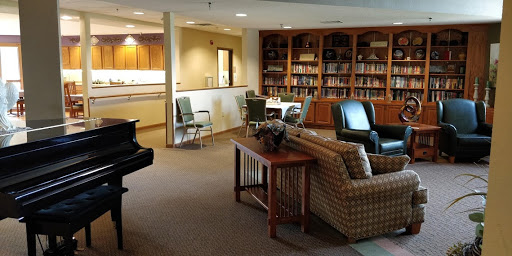
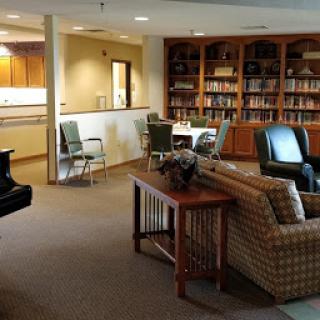
    A cozy lounge area featuring comfortable seating and a bookshelf, ideal for relaxation and socialization.
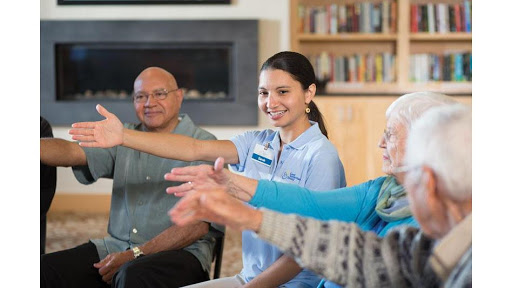
  • Exercise

    A healthcare provider guides a group of elderly individuals in a wellness exercise session.

Good Samaritan Society - Albert Lea

75507 240Th Street, Albert Lea, MN 56007

For more information about senior living options: (844) 490-3973

4.1 from 11 reviews
5 stars
7
4 stars
2
3 stars
0
2 stars
0
1 stars
2

Assisted Living Memory Care Skilled Nursing Facility

Overall Review of Good Samaritan Society - Albert Lea

Pros

  • pro The staff were consistently kind and welcoming, contributing to a very good overall experience.
  • pro The mom made great progress with her recovery under attentive care.
  • pro The goats and chickens provided a fun touch that delighted residents.
  • pro The family was thankful for the care she received and the friendly atmosphere.
  • pro Good Samaritan of Albert Lea delivers exceptional care and compassion.
  • pro The facility has outstanding care and qualified staff who treat residents with professionalism, dignity, and compassion.
  • pro The physical therapist Ms. Ann is outstanding and helped the patient immensely regain function.
  • pro The staff strive to care for all patients to the best of their ability, with patience.
  • pro The facility is clean and well-maintained, with spotless bathrooms and friendly, helpful staff.
  • pro Eldon enjoyed his time there, made many friends, felt at home, and received very good care.

Cons

  • pro The nurse forgot to include her medication list at discharge, which was stressful.
  • pro The food wasn't great, with small portions and not very tasty.
  • pro The beds and pillows didn't look very comfy.
  • pro The admin team didn't return calls, and their efficiency seemed lacking, leading them to consider going elsewhere.
  • pro Some people abused the nurses by expecting them to tend to every whim.

Review

Good Samaritan Society ? Albert Lea is best suited for families seeking a warm, people-first environment with solid rehab capabilities and a dependable cadre of caregivers. This community shines when resident well-being is the priority and staff engagement is high - from nurses and aides to therapists and support personnel. It is particularly well-suited for seniors who value a lively, home-like atmosphere, regular social programming, and a culture of kindness and professionalism. For families prioritizing steady advocacy, consistent caregiving, and a facility that feels personally attentive, Albert Lea delivers on those promises.

But there are clear reasons some families should consider alternatives. The waiting-list entry process for apartments can delay a move, so those with a strict timeline or a need for immediate occupancy may find the process frustrating. Dining quality and room comfort are not consistently strong overall; portions can be small and tastes may not satisfy every palate, and bedding options aren't uniformly comfortable. Administrative responsiveness can also be uneven, with reports of slow or non-responsive follow-up from assessment teams. For those who require prompt administrative action or top-tier dining and sleep environments, other communities may be a better fit.

On the plus side, the pros form a compelling offset to the notable cons. The care and compassion observed across staff are repeatedly praised, with families citing professionalism, dignity, and genuine concern for residents. Rehabilitation stands out, especially in long-term engagement with therapy staff and therapists who build meaningful progress. Cleanliness and a culture where staff greet visitors and residents with warmth reinforce a sense of safety and respect. The facility's size contributes to robust resources, and the atmosphere - detailing friendly interactions among staff and residents alike - helps residents feel seen and valued. The goats and chickens feature adds a humane, lighthearted touch that enhances everyday life.

The most impactful drawbacks cluster around logistics and daily living specifics. A discharge process that omits a medication list can create real stress during transitions, underscoring the need for tighter discharge planning and clearer communication. Admin responsiveness, particularly around assessments and return calls, matters because timely information can shape a family's confidence and decision tempo. Food, while adequate in some cases, does not consistently meet expectations for taste or portion size, and beds/pillows fail to deliver consistent comfort. The apartment process - while a strength in capacity and design - operates on a waitlist, which can be a nonstarter for families seeking a faster, seamless move-in experience. These factors temper otherwise strong clinical and relational performance.

Taken together, the community's strongest benefits - compassionate, competent care and effective rehabilitation - often outweigh the drawbacks for residents who prioritize care quality and staff accessibility. Where improvements are needed, families can mitigate risk by engaging early with admissions about timelines, requesting a defined discharge checklist, and clarifying who tracks my loved one's medication needs at transitions. Prospective residents should also verify dining options and request a trial of the dining room or kitchen team's approach to meals. In sum, this is a solid, responsive choice for seniors who want meaningful rehab outcomes and a caring environment, tempered by practical vigilance around administration, dining expectations, and move-in timing.

For families weighing alternatives, the decision hinges on timeline and dining/comfort priorities. If a quick move-in and consistently high dining standards are non-negotiable, exploring communities with shorter admission processes and stronger meal programs is prudent. If, instead, robust rehab services, a genuinely friendly staff culture, and a homey atmosphere are the top criteria, Good Samaritan Society ? Albert Lea should rank highly. Schedule a thorough tour focused on rehab outcomes and meet the therapy team, then press for a detailed discharge protocol and a concrete plan for apartment availability. With those guardrails in place, this community delivers steady, compassionate care that most families find worth choosing.

Features

Housing

  • 85 resident community capacity 85 resident community capacity

Types of Care

  • Assisted Living Assisted LivingAssisted living facilities provide crucial support and care for seniors who may need help with daily tasks such as medication management, bathing, and meal preparation. These communities offer a safe and comfortable environment where seniors can maintain their independence while receiving the assistance they need to thrive in their golden years.
  • Memory Care Memory CareMemory care is crucial for seniors as it provides specialized support and services for individuals with dementia or Alzheimer's disease. These programs offer a safe and secure environment where residents receive personalized care, cognitive stimulation, and help with daily activities. Memory care helps seniors maintain their independence, quality of life, and dignity while also providing peace of mind for their families.
  • Skilled Nursing Facility Skilled Nursing FacilitySkilled Nursing Facilities are crucial for seniors as they provide round-the-clock medical care, rehabilitation services, and assistance with daily activities. These facilities ensure that seniors receive the specialized care they need to maintain their health and well-being as they age.

Amenities

  • Air-conditioning Air-conditioningAir conditioning is important for seniors as they are more vulnerable to heat-related illnesses and may have underlying health conditions that make it difficult for them to regulate their body temperature. It helps to keep them comfortable, safe, and healthy in hot weather.
  • Beauty salon Beauty salonBeauty salons are important for seniors because they provide a space for them to feel pampered, socialize, and maintain their personal grooming and hygiene. Regular visits to a beauty salon can help boost seniors' self-esteem and overall well-being.
  • Cable or satellite TV Cable or satellite TVCable or satellite TV is important for seniors because it provides entertainment, news, and companionship, helping to combat loneliness and boredom. It also offers a wide range of programming options tailored to different interests and preferences.
  • Computer center Computer centerA computer center is essential for seniors as it provides access to technology, communication tools, and resources that can enhance their daily lives. It allows them to stay connected with loved ones, engage in online activities, and learn new skills, ultimately promoting socialization and mental stimulation.
  • Dining room Dining roomDining rooms are important for seniors as they provide a space for socialization, connection, and nutritious meals. They offer opportunities for residents to bond over shared meals, foster a sense of community, and promote healthy eating habits. Dining rooms also ensure that seniors have access to well-balanced meals tailored to their dietary needs and preferences.
  • Fitness room Fitness roomHaving a fitness room in a senior living community is essential for seniors to stay active, maintain their physical health, and improve their overall well-being. Regular exercise can help prevent falls, reduce the risk of chronic diseases, and promote mental sharpness. It also provides social opportunities for residents to connect with others and enjoy a sense of community.
  • Fully furnished Fully furnishedFully furnished senior living communities are important for seniors because they provide convenience, comfort, and a hassle-free moving experience. Seniors can easily settle into their new living space without the stress of having to buy and move furniture. This allows them to focus on enjoying their new home and community.
  • Gaming room Gaming roomGaming rooms are important for seniors as they provide a fun and engaging environment for socializing, cognitive stimulation, and physical activity. Games can improve memory, problem-solving skills, and overall mental well-being while fostering friendships and reducing feelings of isolation.
  • Garden GardenGardens are important for seniors as they provide a peaceful and therapeutic environment for relaxation, physical activity, and socialization. Being in nature has been shown to reduce stress, improve mood, and promote overall well-being. Gardens also offer opportunities for seniors to engage in gardening activities, which can improve mobility, flexibility, and cognitive function. Additionally, gardens create a sense of community and connection with others who share a passion for plants and outdoor spaces.
  • Housekeeping services Housekeeping servicesHousekeeping services are important for seniors because they help maintain a clean and safe living environment, promote independence, and reduce the risk of accidents or illnesses. Additionally, having assistance with household chores can alleviate physical strain and allow seniors to focus on other aspects of their well-being.
  • Kitchenette KitchenetteKitchenettes are important for seniors living in senior living communities because they provide the convenience and independence of being able to prepare simple meals and snacks in the comfort of their own living space. This can help promote a sense of autonomy and well-being for seniors, allowing them to maintain some level of control over their dietary choices and daily routines.
  • Move-in coordination Move-in coordinationMove-in coordination is important for seniors because it helps ease the transition into their new living environment. It ensures that all logistics, such as packing, organizing movers, and setting up utilities are taken care of, allowing seniors to focus on settling in and adjusting to their new home. Having a smooth move-in process can alleviate stress and anxiety, making the transition smoother and more enjoyable for seniors.
  • Outdoor space Outdoor spaceOutdoor spaces are important for seniors as they provide opportunities for physical activity, social interaction, exposure to natural light and fresh air, and a sense of connection to nature. Having access to outdoor spaces can improve overall well-being and quality of life for older adults living in senior communities.
  • Private bathrooms Private bathroomsPrivate bathrooms are important for seniors in senior living communities because they provide independence, dignity, and comfort. Having a private bathroom allows seniors to maintain their personal hygiene routines without the need for assistance, promoting a sense of autonomy and privacy. Additionally, private bathrooms help prevent the spread of infections and provide a safe and clean environment for seniors to navigate safely.
  • Restaurant-style dining Restaurant-style diningRestaurant-style dining is important for seniors because it allows them to enjoy delicious, nutritious meals in a social and upscale setting. This enhances their dining experience, promotes healthy eating habits, and fosters socialization with fellow residents, ultimately contributing to their overall well-being and quality of life.
  • Small library Small librarySmall libraries are important for seniors as they provide access to a variety of reading materials, including books, newspapers, and magazines. This can help stimulate their minds, keep them engaged, and provide a sense of community through book clubs and other social activities. Additionally, reading has been shown to improve cognitive function and overall mental well-being in older adults.
  • Telephone TelephoneTelephones are important for seniors as they provide a lifeline for communication with loved ones, emergency services, and healthcare providers. They offer a sense of security and independence, enabling seniors to stay connected and access assistance when needed.
  • Wellness center Wellness centerWellness centers are important for seniors because they offer a variety of programs and services that promote physical, mental, and emotional well-being. These centers provide opportunities for exercise, socialization, education, and relaxation, helping seniors maintain their overall health and quality of life.
  • Wi-Fi/high-speed internet available Wi-Fi/high-speed internet availableWi-Fi/high-speed internet is important for seniors to stay connected with loved ones, access online resources, and participate in virtual activities to combat feelings of loneliness and isolation. It also allows them to easily manage healthcare needs, access entertainment, and engage in lifelong learning opportunities.

Transportation

  • Community operated transportation Community operated transportationCommunity operated transportation is crucial for seniors as it provides them with the means to access essential services, social activities, and medical appointments. It allows seniors to maintain their independence and quality of life by ensuring they can participate in activities outside of their homes. Additionally, community-operated transportation services offer a safe and reliable way for seniors to travel without having to rely on family or friends for assistance.
  • Transportation arrangement Transportation arrangementTransportation arrangements are crucial for seniors as they may face challenges with driving, mobility, or access to public transportation. Having reliable transportation services ensures that seniors can easily attend appointments, social activities, and maintain their independence and quality of life.
  • Transportation arrangement (non-medical) Transportation arrangement (non-medical)Transportation arrangements are essential for seniors as they provide access to essential services, activities, and social interactions outside the home. This service helps maintain independence, mobility, and overall well-being for seniors who may have limited transportation options.
  • Transportation to doctors appointments Transportation to doctors appointmentsTransportation to doctors appointments is crucial for seniors as it ensures they have access to necessary medical care and support, promoting their health and well-being. It allows them to receive timely treatment, monitor existing conditions, and address any new health concerns efficiently. Additionally, transportation services can help seniors maintain their independence and quality of life by enabling them to stay connected with their healthcare providers.

Care Services

  • 12-16 hour nursing 12-16 hour nursing12-16 hour nursing care is crucial for seniors in order to ensure around-the-clock monitoring, timely medication administration, and prompt response to any health concerns or emergencies. This level of care helps to promote the overall well-being and safety of seniors living in senior living communities.
  • 24-hour call system 24-hour call system24-hour call systems are important for seniors because they provide peace of mind and immediate assistance in case of emergencies. This technology ensures that help is always available, promoting safety and security for elderly individuals living alone or in assisted living facilities.
  • 24-hour supervision 24-hour supervision24-hour supervision is important for seniors to ensure their safety, well-being, and access to immediate assistance in case of emergencies or health issues. This constant support provides peace of mind for both seniors and their loved ones, allowing them to age in place with dignity and security.
  • Activities of daily living assistance Activities of daily living assistanceActivities of daily living assistance are important for seniors because they provide essential support with tasks such as eating, bathing, dressing, and mobility. This assistance helps seniors maintain their independence, dignity, and overall quality of life as they age.
  • Assistance with bathing Assistance with bathingAssistance with bathing is crucial for seniors as it helps maintain personal hygiene, prevents infections, and ensures their overall well-being and comfort. It also provides a sense of dignity and independence for seniors who may struggle with this task on their own.
  • Assistance with dressing Assistance with dressingAssistance with dressing is important for seniors because it helps maintain their independence, promotes personal hygiene, prevents accidents and injuries, and improves overall quality of life. This service ensures that seniors can continue to dress comfortably and confidently, despite any physical limitations they may have.
  • Assistance with transfers Assistance with transfersAssistance with transfers is crucial for seniors as it helps prevent falls and injuries, maintains their independence, and ensures they can safely navigate their living environment. It also provides peace of mind for both seniors and their loved ones.
  • Diabetes diet Diabetes dietA diabetes diet is crucial for seniors as it helps manage blood sugar levels, reduce risks of complications, and improve overall health and well-being. By following a balanced and nutritious diet tailored to their specific needs, seniors can better control their diabetes and enhance their quality of life.
  • Meal preparation and service Meal preparation and serviceMeal preparation and service are crucial for seniors as they may have limited mobility or energy to cook nutritious meals. Having access to healthy and convenient food options can ensure they are getting the proper nutrition needed to maintain their overall health and well-being.
  • Medication management Medication managementMedication management is crucial for seniors to ensure they are taking the right medications at the correct dosages and times. This helps prevent adverse drug interactions, reduces the risk of medication errors, and promotes overall health and well-being. Proactive management also allows for adjustments as needed based on changing health conditions or new prescriptions.
  • Mental wellness program Mental wellness programMental wellness programs are essential for seniors as they promote cognitive stimulation, emotional support, and social engagement. These programs help prevent isolation, depression, and cognitive decline, ultimately enhancing the overall quality of life for older adults.
  • Mild cognitive impairment Mild cognitive impairment"Mild cognitive impairment" is important for seniors because it is an early stage of cognitive decline that can potentially progress to more severe conditions such as dementia. Recognizing and addressing mild cognitive impairment can help seniors receive appropriate care and support to maintain their quality of life and independence for as long as possible.
  • Special dietary restrictions Special dietary restrictionsSpecial dietary restrictions are important for seniors because age-related changes in metabolism and health conditions can make it difficult for their bodies to process certain foods. By following a diet tailored to their specific needs, seniors can maintain their overall health and well-being, manage chronic conditions, and reduce the risk of complications such as malnutrition or food interactions with medications.
  • Specialized memory care programming Specialized memory care programmingSpecialized memory care programming is crucial for seniors with cognitive impairments such as dementia or Alzheimer's disease. These programs provide a safe and supportive environment tailored to the unique needs of individuals with memory loss, helping them maintain their independence, dignity, and quality of life.

Dining

  • Diabetes diet Diabetes dietA diabetes diet is crucial for seniors as it helps manage blood sugar levels, reduce risks of complications, and improve overall health and well-being. By following a balanced and nutritious diet tailored to their specific needs, seniors can better control their diabetes and enhance their quality of life.
  • Special dietary restrictions Special dietary restrictionsSpecial dietary restrictions are important for seniors because age-related changes in metabolism and health conditions can make it difficult for their bodies to process certain foods. By following a diet tailored to their specific needs, seniors can maintain their overall health and well-being, manage chronic conditions, and reduce the risk of complications such as malnutrition or food interactions with medications.

Activities

  • Community-sponsored activities Community-sponsored activitiesCommunity-sponsored activities are important for seniors as they provide opportunities for social interaction, mental stimulation, and physical activity. These activities can help improve overall well-being, combat loneliness and isolation, and promote a sense of belonging and purpose among older adults.
  • Concierge services Concierge servicesConcierge services are essential for seniors as they provide assistance with daily tasks and errands, enhance their quality of life by offering convenience and personalized care, and promote a sense of safety and security.
  • Fitness programs Fitness programsFitness programs are crucial for seniors as they help improve strength, flexibility, balance, and overall well-being. Staying active can reduce the risk of chronic diseases, improve mental health, and enhance quality of life in older adults.
  • Planned day trips Planned day tripsPlanned day trips are important for seniors because they offer opportunities for socialization, mental stimulation, and physical activity. They provide a change of scenery and help seniors stay engaged and connected to their community, promoting overall well-being and quality of life.
  • Resident-run activities Resident-run activitiesResident-run activities are important for seniors as they encourage social interaction, creativity, and a sense of autonomy. These activities empower seniors to stay engaged and active in their community while fostering meaningful connections with their peers.
  • Scheduled daily activities Scheduled daily activitiesScheduled daily activities are important for seniors because they provide structure, socialization, mental stimulation, and physical activity. Engaging in regular activities can improve overall well-being and quality of life for seniors living in a community setting.

Description

The Good Samaritan Society - Albert Lea in Albert Lea, MN is a senior living community that provides exceptional care for individuals needing memory care or skilled nursing services.

Our community offers a range of amenities to ensure our residents feel comfortable and at home. These amenities include a beauty salon for personal grooming needs, cable or satellite TV for entertainment, community-operated transportation for easy access to nearby areas, a computer center for staying connected, and a dining room where residents can enjoy delicious meals prepared by our dedicated staff.

For those who enjoy staying active, we have a fitness room and outdoor space for physical exercise and wellness activities. Our gaming room offers opportunities for social interaction and friendly competition. The small library is perfect for reading and quiet relaxation.

Residents benefit from housekeeping services to maintain a clean and tidy living environment. Each accommodation is fully furnished with private bathrooms to ensure privacy and comfort. Wi-Fi/high-speed internet is available throughout the community to stay connected with family and friends.

Our dedicated staff is available around the clock to provide 24-hour supervision and assistance with activities of daily living such as bathing, dressing, and transfers. We also offer specialized memory care programming for individuals with Alzheimer's or other forms of dementia.

Meal preparation and service are provided, taking into consideration any special dietary restrictions or diabetes diets. Medication management ensures that residents receive their required medications safely.

At Good Samaritan Society - Albert Lea, we understand the importance of mental wellness. Our mental wellness program aims to support residents in maintaining their cognitive abilities while providing personalized care.

Transportation arrangements are available, both non-medical transportation for various outings and trips as well as transportation to doctors' appointments.

Residents can enjoy an array of activities planned by our concierge services team, including fitness programs, resident-run activities, scheduled daily activities, and exciting day trips to explore the local area.

Located in Albert Lea, MN, our community benefits from its proximity to nearby amenities. There are four cafes, ten parks, five pharmacies, two physicians, 27 restaurants, six transportation options, and 14 places of worship nearby. Additionally, there are four hospitals in close proximity for any medical needs.

At Good Samaritan Society - Albert Lea, we strive to create a supportive and engaging environment that promotes the well-being and happiness of our residents.

Nearby Places of Interest

Places of Worship

  • Crossroads Church (0.3 miles)
  • Faith Baptist Church (2.6 miles)
  • St Johns Lutheran (2.6 miles)
  • Church of Jesus Christ of Latter Day Saints (3 miles)
  • East Freeborn Lutheran (3 miles)
  • Hope Church (3.5 miles)
  • First Lutheran Church-Albert (3.6 miles)

Restaurants

  • McDonald's (1 miles)
  • Applebee's (1.1 miles)
  • Plaza Morena Restaurant (1.3 miles)
  • Qdoba Mexican Eats (1.4 miles)
  • B & B Cafe (2.7 miles)
  • The Taco King (3 miles)
  • Subway (3.1 miles)

Parks

  • Bancroft Bay Park (2.1 miles)
  • Brookside Dog Park (2.6 miles)
  • Katherine Island & New Denmark Park (3.3 miles)
  • Morin Park (3.5 miles)
  • Edgewater Park Maintenance Building (3.6 miles)
  • Shoff Park (3.7 miles)
  • Central Park (3.8 miles)

Pharmacies

  • Sterling Drug # 3 (3.4 miles)
  • Walgreens (3.5 miles)
  • Sterling Drug (3.6 miles)
  • Curt's Pharmacy (4.2 miles)
  • Curts Long Term Care Pharmacy (4.2 miles)

Cafes

  • B & B Cafe (3.4 miles)
  • Cabin Coffee Co. (3.5 miles)
  • Nancy's Cafe (3.6 miles)
  • The Interchange Wine & Coffee Bistro (3.7 miles)
  • You Betcha Cafe and Ice Cream Shoppe (11 miles)
  • Ellendale Cafe (12.2 miles)

Transportation

  • A Quality Cab (3.4 miles)
  • U-Haul (3.6 miles)
  • Union Pacific Railroad Co. (3.6 miles)
  • U-Haul (3.8 miles)
  • Albert Lea Taxi (4.5 miles)
  • Dave's Fish Mounting (4.5 miles)

Physicians

  • Douglas J Edwards DR (3.4 miles)
  • Mekala Praveen Mayo Clinic Health System Southeast Minnesota Region (3.4 miles)

Hospitals

  • Almc (3.4 miles)
  • Albert Lea Eye Clinic (3.4 miles)
  • Naeve Hospital-Mayo Health System (3.5 miles)
  • Albert Lea Medical Center (3.5 miles)

Frequently Asked Questions

Where is Good Samaritan Society - Albert Lea?
Does Good Samaritan Society - Albert Lea provide care for residents with dementia or Alzheimer's disease?
What photos are available for Good Samaritan Society - Albert Lea in Albert Lea, Minnesota?

Nearby Communities

  • Good Sam Hidden Creek

    Good Sam Hidden Creek

    Albert Lea, MN


    pro 24/7 supervision with ADL support and healthcare coordination, plus furnished apartments and on-site dining.

  • Oak Park Place - Albert Lea

    Oak Park Place - Albert Lea

    Albert Lea, MN

    4.8 from 73 reviews
    $2,743 to $4,233 / month

    pro Clean, welcoming environment with friendly staff and spacious, well-maintained apartments.

  • Oak Park Place Of Albert Lea

    Oak Park Place Of Albert Lea

    Albert Lea, MN


    pro Broad care options with 24/7 supervision and extensive amenities.

  • Thorne Crest Senior Living Community,  a CCRC

    Thorne Crest Senior Living Community, a CCRC

    Albert Lea, MN

    4.6 from 48 reviews
    $2,112 to $5,463 / month

    pro Caring staff in a clean, well-maintained facility with engaging activities.

  • Joann Jensen

    Joann Jensen

    Albert Lea, MN


    pro 24/7 staff with comprehensive care and engaging activities.

  • St John's Community Care

    St John's Community Care

    Albert Lea, MN


    pro CCRC with independent living and skilled nursing on one campus, 24/7 care, furnished suites, meals, housekeeping, and transportation.

  • Knutson Place Apartments

    Knutson Place Apartments

    Albert Lea, MN

    2.3 from 3 reviews
     

    pro Comprehensive care options and on-site amenities for independent and assisted living.

  • Whispering Oak Place

    Whispering Oak Place

    Ellendale, MN

    4.2 from 17 reviews
    $4,300 to $5,000 / month

    pro Spacious rooms with a strong memory care program and attentive staff.

  • Mills Harbour & Lake Mills Care Center

    Mills Harbour & Lake Mills Care Center

    Lake Mills, IA

     
    $851 to $5,715 / month

    pro Very affordable studio and 1?bedroom rates relative to county/state averages; multiple care levels offered on-site.

Assisted Living in Nearby Cities

Related Resources

  • dementia hallucinationsDementia-Related Hallucinations: Causes, Experiences, and Practical Approaches

    Dementia, particularly Lewy body dementia, often involves hallucinations that can significantly distress both patients and caregivers due to disruptions in sensory processing and neurotransmitter imbalances. Effective management includes compassionate communication, environmental adjustments, and a multidisciplinary approach to care while addressing the emotional needs of caregivers.

  • alzheimer's factsIlluminating Insights About Alzheimer's Disease: Ten Crucial Realities

    Alzheimer’s disease is a progressive neurological disorder that significantly impacts memory and cognitive functions, accounting for 60-80% of dementia cases, with early diagnosis being crucial yet challenging. It involves brain changes like beta-amyloid plaques and tau tangles, influenced by genetic and lifestyle factors, and while there is no cure, symptom management and support for caregivers are essential.

  • list of drugs linked to dementiaA Thorough Discussion of Medications Potentially Linked to Dementia Risk
    Dementia, influenced by aging and certain medications, may be exacerbated by drug classes such as anticholinergics, benzodiazepines, and antipsychotics, which are associated with cognitive impairment. Regular medication reviews by healthcare professionals are crucial for older adults to manage risks and optimize cognitive health.