White Lake Assisted Living & Memory Care Costs & Pricing
White Lake Assisted Living & Memory Care offers a range of accommodations at competitive pricing when compared to both Muskegon County and the broader Michigan market. For instance, a one-bedroom unit is priced at $3,215, which is notably higher than the county average of $2,336 yet remains below the state average of $3,384. In contrast, two-bedroom units are available for $3,780; this rate exceeds both local ($2,388) and state averages ($3,523), suggesting a premium placement for residents seeking more space. The studio option stands out at $4,360 - significantly above Muskegon County's average of $2,852 and also surpassing Michigan's average of $3,824 - indicating that while White Lake provides exemplary services and care tailored to residents' needs, these rates reflect an investment in quality living environments and personalized support that may justify the higher costs.
Floor plans
White Lake Assisted Living & Memory Care
Muskegon County
Michigan
1 Bedroom
$3,215
$2,336
$3,384
2 Bedrooms
$3,780
$2,388
$3,523
Studio
$4,360
$2,852
$3,824
Memory care communities with a similar price nearby
Overall Review of White Lake Assisted Living & Memory Care
common24 reviews mention this
Staff care and friendliness stand out
Residents and families repeatedly describe attentive, friendly staff who take time to help.
Across many reviews, people highlight staff kindness and professionalism, including being welcoming when visitors arrive. Several reviewers mention the care team being responsive to needs and supportive during a transition, while others describe staff as genuinely invested in residents day to day. Even when reviews focus on other topics like activities or cleanliness, they often return to the theme of staff warmth and follow-through.
common14 reviews mention this
Clean, well-kept facility shows up often
Multiple reviewers point to a clean, well-maintained environment throughout the community.
Cleanliness comes up in connection with everything from the initial walk-through to ongoing daily life, with reviewers describing rooms and common areas as neat and cared for. Several reviews also tie the community atmosphere to being clean and organized, including mentions of the memory care unit. One reviewer also calls out housekeeping as a reason they feel comfortable and not cramped.
common10 reviews mention this
Activities are frequent and thoughtfully planned
Residents are described as having plenty of engaging activities throughout the week.
Many reviews emphasize activities being well planned and enjoyable, including bingo and regularly scheduled programming. A few reviewers mention specific activity formats and note that the community keeps a full calendar so residents have things to do. Others describe activities as part of what makes the community feel lively without being chaotic or poorly run.
common6 reviews mention this
Dining is repeatedly praised
Reviews frequently mention meals that residents actually enjoy, including regular daily dining.
Several reviews say the meals are good or delicious, and one notes that their loved one enjoys three meals daily. Others describe the dining experience as a consistent positive part of the routine, pairing the food praise with comments about an overall well-run setting. Dietary options are also part of what the community offers, including restaurant-style dining and multiple nutrition needs.
common2 reviews mention this
Memory care is highlighted as clean
Residents describe a memory care setting that feels clean and organized.
At least a couple of reviews specifically call out the memory care unit, including comments that it is clean and organized. Another review mentions a loved one needing memory support and receiving care that helped them feel safe. In general, these comments pair memory care with the same broader themes of a well-kept facility and attentive staff.
How we summarize
Counts show how many written reviews mention each theme; a review can touch several themes, and only frequently mentioned themes are displayed.
Features
Types of Care
Assisted Living
Independent Living
Memory Care
Amenities
Activities on-site
Air-conditioning
Bath tubs
Beautician on-site
Cable or satellite TV
Devotional services off-site
Devotional services on-site
Ground floor units
Handicap accessible
Indoor common areas
Kitchenette
Outdoor common areas
Respite or short term stays offered
Wheelchair accessible showers
Wi-Fi/high-speed internet available
Transportation
Muskegon County (16 miles away)
Care Services
Diabetic care
Incontinence care
Medication management
Dining
Anytime dining
Gluten-free
Guest meals
Low / no sodium
Meals provided
No Sugar
Professional chef
Restaurant style dining
Room service
Special dining programs
Vegetarian
Activities
Art classes
Catholic services
Cooking classes
Day trips and outings
Devotional activities offsite
Devotional activities on-site
Educational speakers / life long learning
Karaoke
Live dance or theater performances
Live musical performances
Live well programs
Protestant services
Nearby Places of Interest
This area of Whitehall, Michigan offers a variety of amenities and services that cater to senior living needs. There are several places of worship within close proximity, providing spiritual support and community connections. Nearby physicians and pharmacies offer convenient access to medical care, while a selection of restaurants and cafes provide options for dining out or grabbing a quick bite to eat. The presence of parks and natural areas like Duck Lake State Park and Muskegon State Park offer opportunities for outdoor recreation and relaxation. With hospitals such as Mercy Health Partners within a reasonable distance, residents can feel reassured knowing that quality healthcare is easily accessible. Additionally, transportation options like Budget Truck Rental are available for those who may need assistance with moving or travel arrangements. Overall, this area provides a peaceful and convenient setting for seniors looking to enjoy their retirement years in Whitehall.
Places of Worship
Lebanon Lutheran Church (ELCA) (0.8 miles)
Faith Lutheran Church (1.2 miles)
St James Lutheran Church (2.6 miles)
Faith Formation At St James Catholic (2.7 miles)
New Beginnings Church (2.9 miles)
Friendship Bible Chapel (4.3 miles)
Anchor Of Hope Nazarene Church (7.5 miles)
Physicians
Husiak James M DDS (1.3 miles)
Lakeshore Medical Center (1.7 miles)
Eye Care One (1.8 miles)
Northern Lights Family Medicine (3.7 miles)
Bear Creek Health Center (9 miles)
Eye Care One (9.1 miles)
Mercy Health Physician Partners - Northshore Family Medicine (9.1 miles)
White Lake Assisted Living & Memory Care offers a range of accommodations at competitive pricing when compared to both Muskegon County and the broader Michigan market. For instance, a one-bedroom unit is priced at $3,215, which is notably higher than the county average of $2,336 yet remains below the state average of $3,384. In contrast, two-bedroom units are available for $3,780; this rate exceeds both local ($2,388) and state averages ($3,523), suggesting a premium placement for residents seeking more space. The studio option stands out at $4,360 - significantly above Muskegon County's average of $2,852 and also surpassing Michigan's average of $3,824 - indicating that while White Lake provides exemplary services and care tailored to residents' needs, these rates reflect an investment in quality living environments and personalized support that may justify the higher costs.
White Lake Assisted Living & Memory Care's medication management ensures that residents receive their prescribed medications on time and in the correct dosages, which is crucial for maintaining cognitive function and managing symptoms associated with dementia or Alzheimer's disease. This systematic approach reduces the risk of missed doses or medication errors, allowing residents to experience a more stable condition. Additionally, incontinence care provides compassionate support and dignity for individuals facing challenges related to bladder control--an issue that can lead to increased anxiety or embarrassment. By addressing this need with empathy and professionalism, residents can feel more comfortable and secure in their environment, promoting overall well-being and engagement in daily activities. Together, these features create a supportive atmosphere conducive to quality care for those living with memory-related conditions.
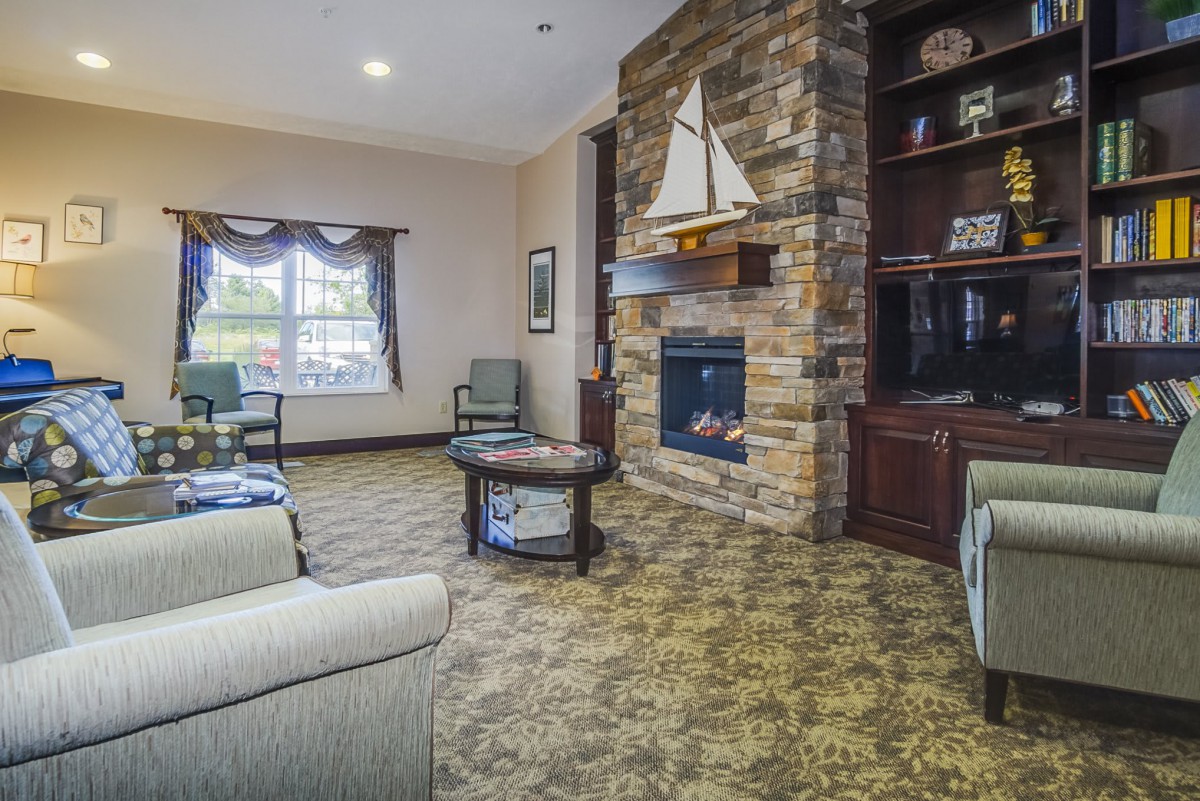
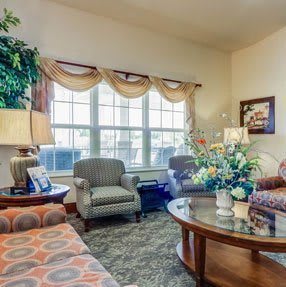
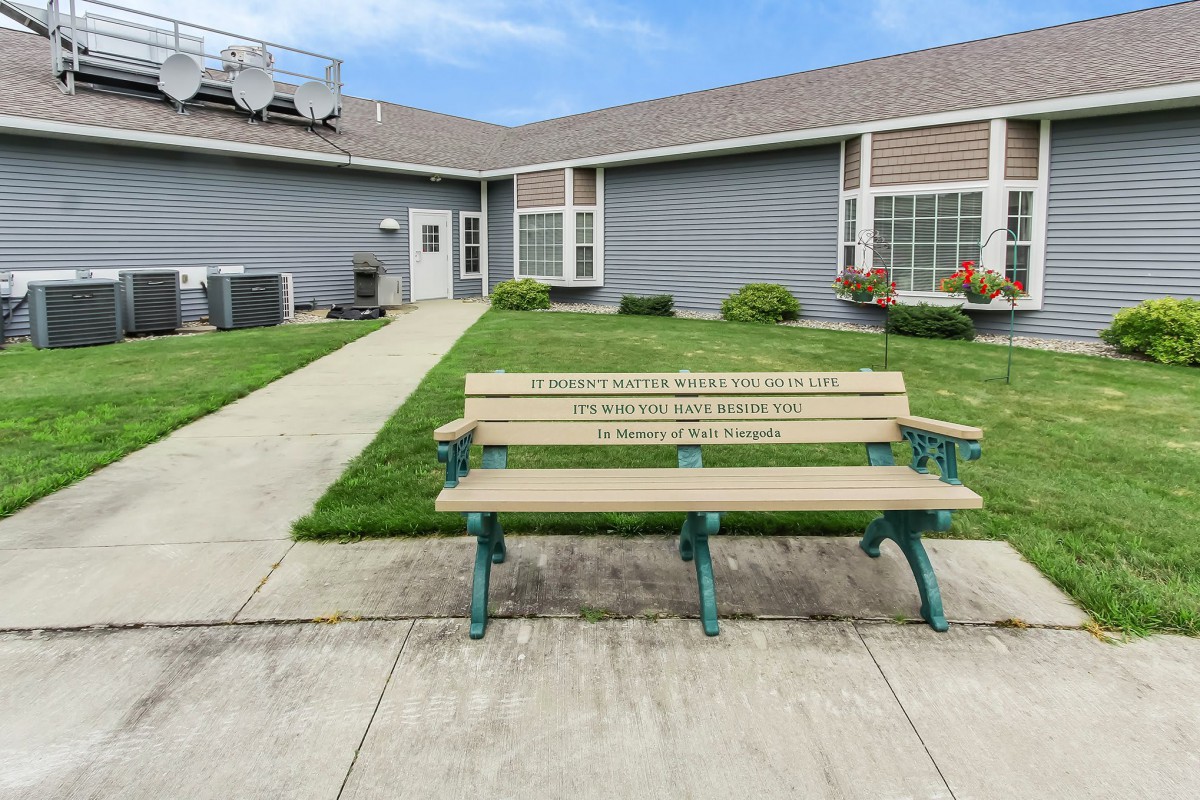
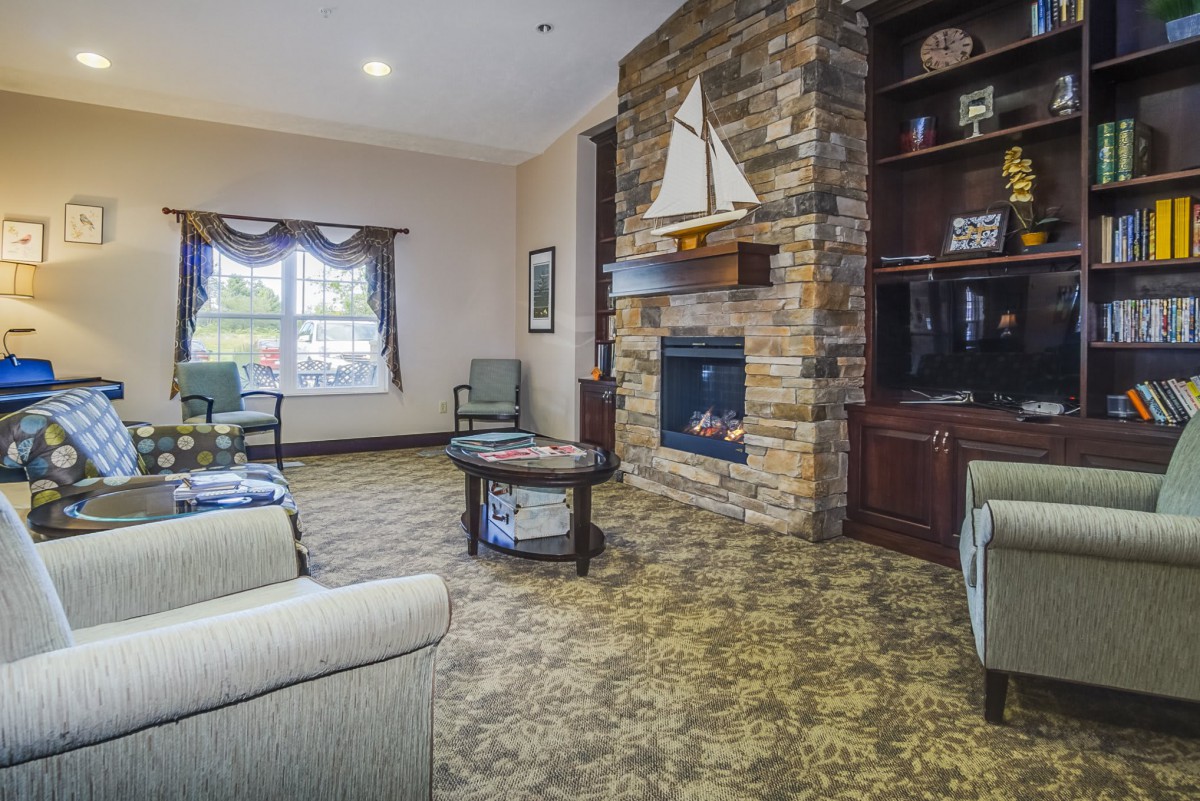
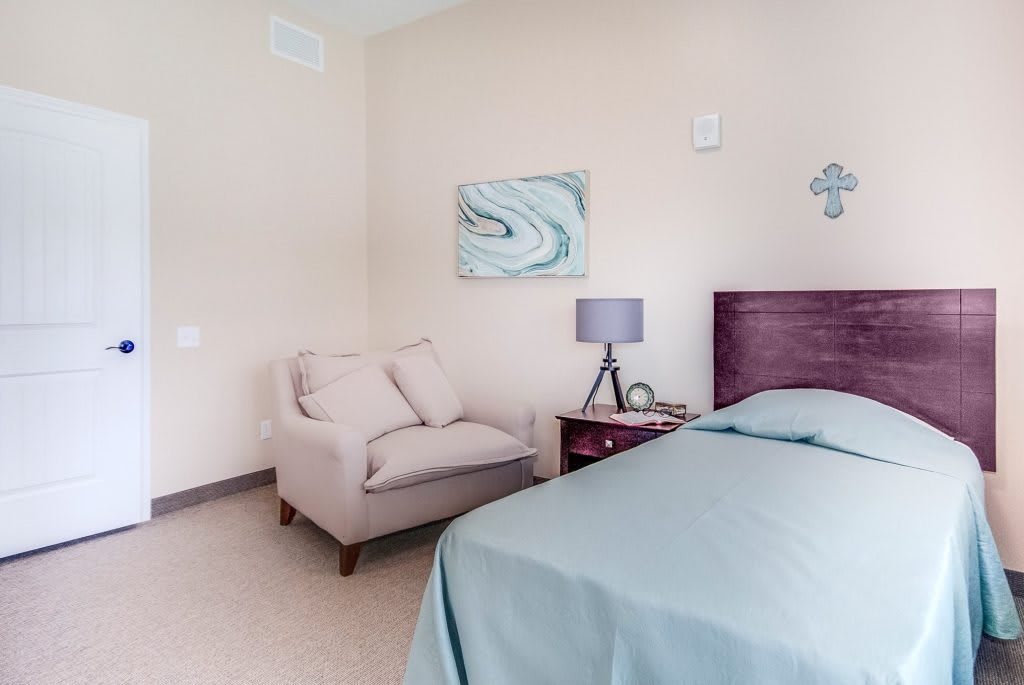
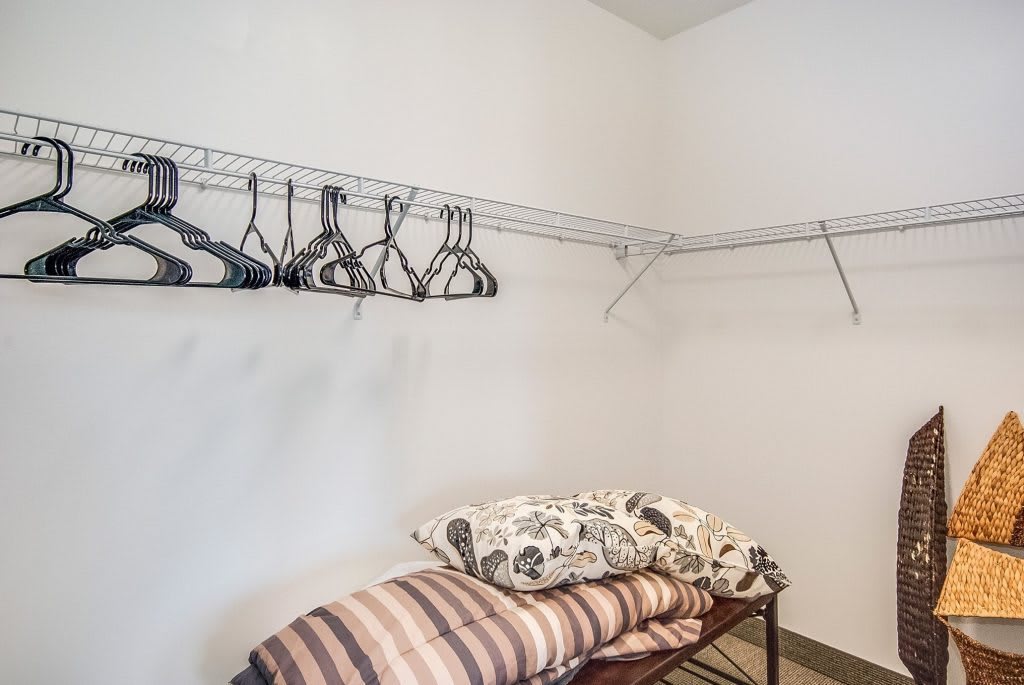
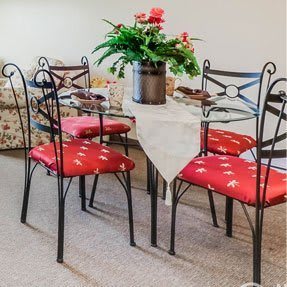
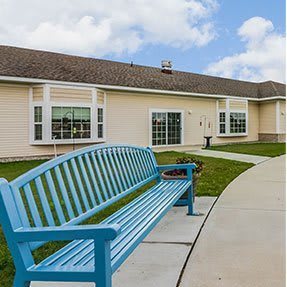
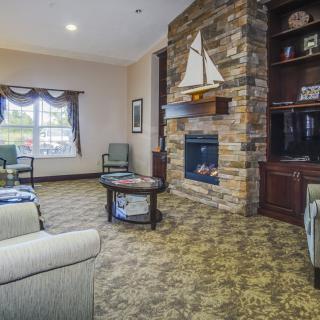
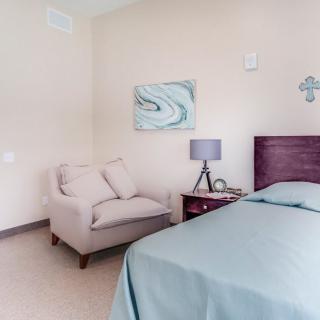
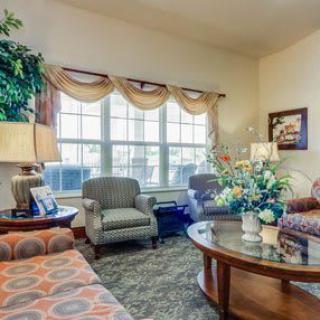
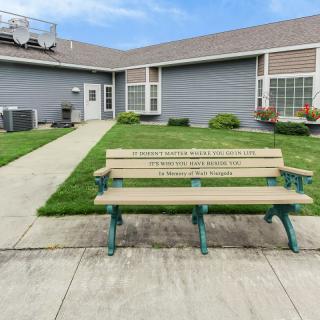
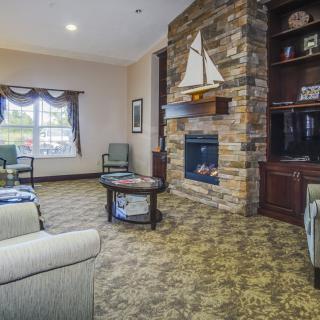
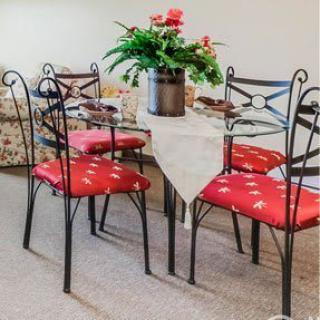
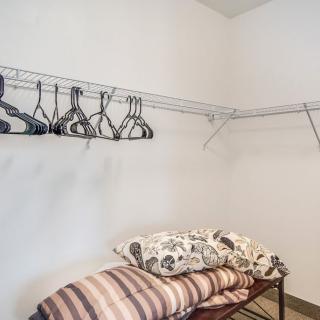
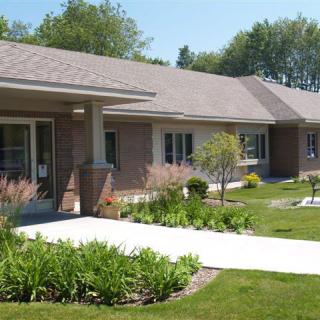
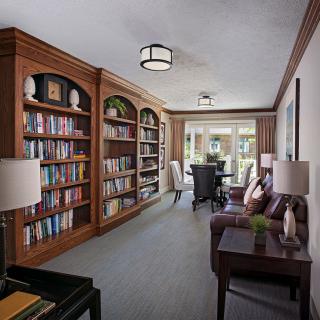
White Lake Assisted Living & Memory Care on seniors.fyi includes 9 photos including images showing living room, interior, decor, fireplace, bedroom, indoor plants, landscaping, closet, and more.
Nearby Communities
Legacy Of Caring
Whitehall, MI
5 from 1 review
Small, personalized assisted living with 24/7 supervision, ADL support, and tailored meals/diet options.
Skld Whitehall
Whitehall, MI
3.7 from 48 reviews
Extensive on-site amenities and care services (dining, transport, fitness, salon, private rooms).
Heartland Health Care Ctr
Whitehall, MI
3.8 from 57 reviews
Caring staff with engaging activities.
Bush Creek Manor
Whitehall, MI
5 from 1 review
Home-like setting with personalized care, meals, and outdoor space.
Lakeview
Whitehall, MI
4.6 from 9 reviews
Home-like board-and-care with 24/7 supervision, ADL support, meals, housekeeping, and medical transport
Sophia Street Home
Whitehall, MI
Fully furnished suites with comprehensive assisted living services and engaging daily activities.
Nelson Place Apartments
Muskegon, MI
4.2 from 20 reviews
Friendly staff and a vibrant, independent-living community with convenient transportation and on-site dining.
American House Spring Lake
Spring Lake, MI
4.1 from 64 reviews
$2,265 to $4,845 / month
Clean, well-maintained facility with friendly staff and a range of living options, amenities, and dining choices.
Oceana Co Md Care Facility
Hart, MI
4.4 from 50 reviews
$5,534 to $6,640 / month
Compassionate staff who actively engage residents and foster a warm community.
Alzheimer’s disease is a progressive neurological disorder that significantly impacts memory and cognitive functions, accounting for 60-80% of dementia cases, with early diagnosis being crucial yet challenging. It involves brain changes like beta-amyloid plaques and tau tangles, influenced by genetic and lifestyle factors, and while there is no cure, symptom management and support for caregivers are essential.
Dementia, influenced by aging and certain medications, may be exacerbated by drug classes such as anticholinergics, benzodiazepines, and antipsychotics, which are associated with cognitive impairment. Regular medication reviews by healthcare professionals are crucial for older adults to manage risks and optimize cognitive health.
Dementia often results in disrupted sleep patterns, leading to excessive daytime sleeping due to factors like brain damage affecting circadian rhythms, medication side effects, and lack of structure in daily activities. Caregivers must monitor these changes closely, as oversleeping can increase risks such as malnutrition or dehydration, and provide necessary support and routines to enhance patient engagement and well-being.
Landscaping, Building, Exterior, Grass, and Sidewalk
Windows
Fireplace
Seating Area, Bookshelves, and Stone Wall
Indoor Plants
Dining Table
Closet
Get PricingAsk A QuestionSchedule A TourContact Senior Advisor
By clicking submit, you agree to our Partner's Terms of Use. You
also consent to receive calls and texts, which may be autodialed, from our Partner. Your consent is not a condition to
using our Partner's service. Please visit our Partner's Privacy Policy for information about their privacy practices.


 Assisted Living
 Independent Living
 Memory Care
 Activities on-site
 Air-conditioning
 Bath tubs
 Beautician on-site
 Cable or satellite TV
 Devotional services off-site
 Ground floor units
 Handicap accessible
 Indoor common areas
 Kitchenette
 Outdoor common areas
 Respite or short term stays offered
 Wheelchair accessible showers
 Wi-Fi/high-speed internet available
 Muskegon County (16 miles away)
 Diabetic care
 Incontinence care
 Medication management
 Anytime dining
 Art classes
 Catholic services
 Cooking classes
 Day trips and outings
 Educational speakers / life long learning
 Karaoke
 Live dance or theater performances
 Live musical performances
 Live well programs
 Small, personalized assisted living with 24/7 supervision, ADL support, and tailored meals/diet options.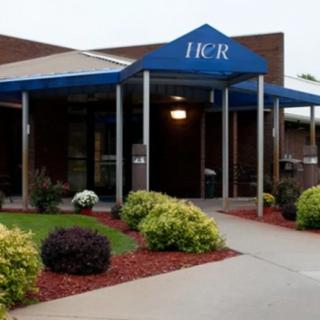

 Illuminating Insights About Alzheimer's Disease: Ten Crucial Realities
 A Thorough Discussion of Medications Potentially Linked to Dementia Risk
 Why Do Dementia Patients Sleep So Much? Understanding Oversleeping, Stages, and Care Approaches