Overall Review of The Winchester Assisted Living & Respite Home
common35 reviews mention this
Caring, responsive caregivers stand out
Residents and families consistently describe caregivers who are kind, attentive, and easy to reach.
Across the reviews, people repeatedly praise the caregiving team for treating residents with dignity and compassion and for staying available when families have questions or concerns. Multiple reviewers also describe the staff as flexible and responsive to changing needs, including during stressful periods like late-stage illness. Even when residents’ care needs increased, reviewers say the team adjusted without losing patience or warmth. A small number of reviews express serious concerns about care practices, so it’s worth visiting and asking detailed questions about how day-to-day medication and caregiving are handled.
differentiator12 reviews mention this
Assistance with daily care and coordination
The support described in reviews aligns with coordinated assisted-living care.
Reviewers describe hands-on help that matches assisted-living support—help with personal care and mobility, along with care planning that follows the resident’s goals. Several families also mention clinical coordination, including wound care and physical therapy after a rehab-related transition, and guidance around hospice at the end of life. Others describe staff and management staying informed about changing health needs and communicating regularly with families. This generally lines up with the community’s care-and-coordination services, including assistance with activities of daily living and coordination with healthcare providers.
common7 reviews mention this
Dining is repeatedly praised
Meals and dining experiences come up often as a positive part of the day.
Many reviewers mention enjoying the food—tasting fresh meals, appreciating presentation, and saying dining felt like an intentional part of routine. Several also describe specific dining moments, like joining residents for lunch or enjoying meals with neighbors, and they frame it as a reason their loved ones felt content. One review also notes the resident never complained about food, in contrast to other facilities. At the same time, there is one strong negative review alleging unhealthy meals and no meal choice, so it may be worth asking to see the meal plan and how preferences are accommodated.
common15 reviews mention this
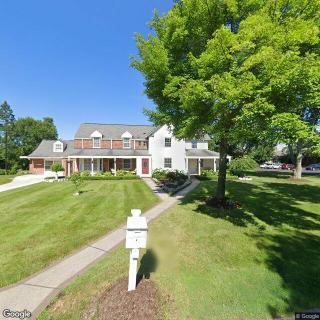
Clean, homelike facility feel
Reviews commonly describe a clean, comfortable, non-institutional setting.
A consistent thread is that the building feels well cared for—clean, organized, and described as homelike rather than institutional. Multiple reviewers mention cleanliness alongside nicer room details and a comfortable day-to-day environment, including the ability to spend time outside. Some also describe residents as healthy and happy, tying that comfort to how the facility is run and maintained. This overall impression appears alongside the community’s focus on practical support like housekeeping and furnished accommodations.
common6 reviews mention this
Activities and meaningful routines
Residents appear to have structured activities and engaging routines.
Several reviewers highlight activities as part of everyday life, describing programs as mindfully led and routine-based. Families also mention participating in time with residents—such as joining lunch together or spending time doing activities. A few reviews go further by describing outside therapeutic sessions, including art therapy and weekly services delivered by partner staff. Reviewers also mention the facility’s routines as consistent and meaningful, which reinforces the idea that days are not left to chance.
How we summarize
Counts show how many written reviews mention each theme; a review can touch several themes, and only frequently mentioned themes are displayed.
Features
Housing
6 resident community capacity
Types of Care
Assisted Living
Amenities
Cable or satellite TV
Dining room
Fully furnished
Garden
Housekeeping services
Move-in coordination
Outdoor space
Telephone
Wi-Fi/high-speed internet available
Transportation
Detroit Metropolitan-Wayne County (23 miles away)
Care Services
24-hour supervision
Activities of daily living assistance
Assistance with bathing
Assistance with dressing
Assistance with transfers
Coordination with health care providers
Diabetes diet
Meal preparation and service
Medication management
Special dietary restrictions
Transportation arrangement (medical)
Transportation to doctors appointments
Dining
Diabetes diet
Special dietary restrictions
Activities
Community-sponsored activities
Scheduled daily activities
Nearby Places of Interest
Physicians
Beaumont Medical Center - West Bloomfield (1.3 miles)
Millenium Diagnostic Center (1.8 miles)
Michigan Institute For Neurological Disorders (3 miles)
Assisted living provides moderate support for seniors seeking independence, while memory care offers specialized support for individuals with dementia or cognitive impairments through structured routines and trained staff. Key differences include care approaches, environment security measures, staff training levels, activity types, and cost considerations.
Assisted living communities offer diverse activities beyond traditional games to enhance seniors' physical health, cognitive well-being, emotional enrichment, and social connections, including fitness classes, creative expression, and intergenerational interactions. These enriching programs foster community bonds and support residents' independence and happiness.
The article differentiates between assisted living and memory care, explaining that assisted living supports seniors with daily activities while promoting independence, whereas memory care provides specialized services for individuals with dementia, focusing on secure environments and cognitive support. It also addresses staff training, safety considerations, costs, family involvement, and transition strategies for families navigating these care options.
Get PricingAsk A QuestionSchedule A TourContact Senior Advisor
By clicking submit, you agree to our Partner's Terms of Use. You
also consent to receive calls and texts, which may be autodialed, from our Partner. Your consent is not a condition to
using our Partner's service. Please visit our Partner's Privacy Policy for information about their privacy practices.

 6 resident community capacity
 Assisted Living
 Cable or satellite TV
 Dining room
 Fully furnished
 Garden
 Housekeeping services
 Move-in coordination
 Outdoor space
 Telephone
 Wi-Fi/high-speed internet available
 Detroit Metropolitan-Wayne County (23 miles away)
 24-hour supervision
 Activities of daily living assistance
 Assistance with bathing
 Assistance with dressing
 Assistance with transfers
 Diabetes diet
 Meal preparation and service
 Medication management
 Special dietary restrictions
 Transportation arrangement (medical)
 Transportation to doctors appointments
 Small, intimate community with personalized care.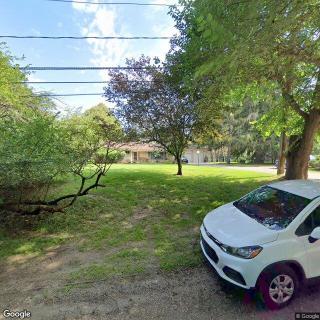


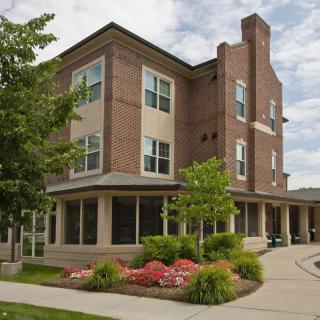

 Assisted Living and Memory Care: Understanding Their Core Differences
 Beyond the Bingo Hall: 50+ Enriching Activities for Seniors in Assisted Living
 Understanding the Distinctions: Assisted Living and Memory Care Explained