
685 E Square Lake Rd, Troy, MI 48085
To contact a resident: (248) 710-7056
For more information about senior living options: (866) 208-4318
Safe Haven Acres Costs & Pricing
Safe Haven Acres offers a unique and supportive environment for its residents, with monthly costs that are notably higher than both the county and state averages. For semi-private accommodations, Safe Haven Acres charges $4,000 per month, significantly exceeding Oakland County's average of $3,204 and Michigan's state average of $3,191. Similarly, for private rooms, the cost rises to $5,000, again surpassing Oakland County's average of $3,708 and the state figure of $3,675. While these rates may reflect a premium for specialized care or enhanced amenities at Safe Haven Acres, they do underscore a commitment to providing exceptional quality in senior living services compared to neighboring options.
| Floor plans | Safe Haven Acres | Oakland County | Michigan |
|---|---|---|---|
| Semi-Private | $4,000 | $3,204 | $3,189 |
| Private | $5,000 | $3,708 | $3,674 |
Senior living communities with a similar price nearby
-
from +$595 / mo
Homewatch Caregivers
$4,595 to $9,095 / month11.0 miles away -
from -$305 / mo

Sarah Care Adult Day Care
$3,695 to $4,295 / month7.3 miles away -
from -$200 / mo
Silverbell Manor
$3,800 / month9.1 miles away -
About the same
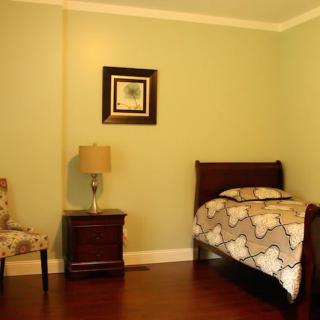
Oakland View Senior Living
$4,000 to $5,000 / month12.3 miles away -
from +$700 / mo
Pam's Carehome
$4,700 / month12.4 miles away
Overall Review of Safe Haven Acres
Pros
 Safe Haven Acres is a favorite place for activities and family-oriented experiences.
- Safe Haven Acres offers a quaint environment with a family feel.
- The property features deer in the backyard, a beautiful patio, and excellent care.
- Safe Haven Acres provides amazing caregivers and an available management team, making it the preferred home for loved ones.
- The care and concern shown to residents, along with the lovely grounds and home-cooked meals, are appreciated.
- The owners are wonderful and kind.
- The caregivers are lovely.
- A nurse who visited eight other facilities was very pleased with Safe Haven.
- Residents are very well cared for and comfortable.
- Safe Haven Acres is a beautiful AFC home with a lovely setting.
Review
Safe Haven Acres is best suited for families seeking a quiet, home-like AFC setting in Troy, Michigan, where attention to individuals and a genuine sense of family are the core operating principles. The community fills a niche for seniors who prefer a smaller, residential atmosphere over a large campus, with an environment that feels less institutional and more like a warmly run home. The deer in the yard, the country-like grounds, and the home-cooked meals contribute to a holistic sense of well-being that most residents and families will value. Caregivers and the owner-operators are consistently described as accessible and deeply invested, which translates into steady, hands-on oversight.
That said, Safe Haven Acres may not be the first choice for families prioritizing extensive clinical services, expansive activity schedules, or highly specialized memory-care programming. For residents requiring robust 24/7 nursing oversight, high-intensity medical coordination, or a large array of on-site therapies, larger assisted living campuses or dedicated memory-care facilities may offer a better fit. The intimate, group-home model serves a different purpose: it emphasizes individualized attention, daily familiarity, and a home environment rather than a clinical, hospital-like setting. Families with substantial medical complexity or those seeking a highly structured, programmatic calendar should explore alternatives to avoid any sense of limits on medical resources.
The strongest pro set for Safe Haven Acres centers on the quality and consistency of care. Reviews repeatedly highlight exceptional caregiver warmth and a management team that is readily available. The owner-operators are described as genuinely knowledgeable about each resident, with a level of attentiveness that can feel almost concierge-like, reflected in meetings with Hospice where the caregivers’ understanding of medical status matters was evident. Family members note prompt, thoughtful updates, including direct demonstrations of residents’ well-being via FaceTime, which reinforces trust during transitions and ongoing daily care. This depth of personal attention is not easily matched in larger facilities, where staff turnover and impersonal systems can dilute individual connection.
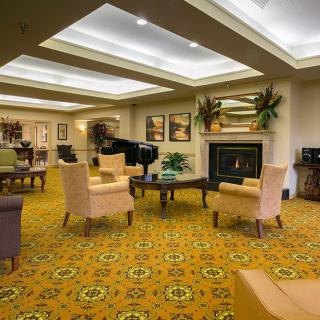
A second pillar of value lies in the setting itself. Safe Haven Acres presents a clean, inviting, and aesthetically pleasing home environment that avoids the crowded, commercialized feel of bigger campuses. The landscape, with deer, birds, and the occasional owl, contributes to a tranquil daily rhythm that many seniors find comforting and restorative. The emphasis on a family-like atmosphere, the encouragement of visitors, and the sense that residents sit together at dining tables or in cozy recliners all support social connectedness without the pressure of a high-demand activity calendar. For families seeking steady social engagement that remains uncomplicated and intimate, this model aligns tightly with resident happiness and perceived safety.
These strengths logically offset most potential drawbacks. When the primary objective is dependable, person-centered care delivered with warmth and transparency, the small-house approach delivers outsized value. Families gain clarity: staff know the resident well, communication channels remain open, and visits feel natural rather than disruptive. The trade-off, namely fewer on-site amenities, a more limited pool of specialized therapies, and less medical inertia, appears to fade against the peace of mind earned through consistent, compassionate attention and a homey daily routine. For seniors who prize autonomy, dignity, and a sense of belonging over a long list of clinical services, Safe Haven Acres often proves the wiser choice.
In the end, the decision hinges on what is most valued. For those prioritizing warmth, continuity, and a lived-in, welcoming environment, Safe Haven Acres stands out as an excellent option in the Troy area. It delivers a compelling blend of intimate care, hands-on management, and a setting that reinforces security and comfort. However, families weighing alternatives should be realistic about needs for medical intensity or specialized memory care. If that level of clinical support and a broader social or therapeutic program is non-negotiable, larger, more formalized facilities warrant consideration. The choice should align not just with current needs, but with anticipated changes in health and independence, ensuring a smooth, trusted care journey for a loved one.
 Board and Care Home
 Activities on-site
 Devotional services off-site
 Indoor common areas
 Private
 Respite or short term stays offered
 Diabetic care
 High acuity care
 Incontinence care
 Meals provided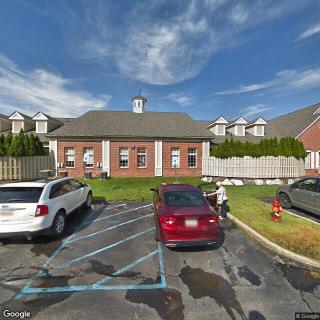
 Managing Nursing Home Expenses After Medicare Coverage Ends
 Is a Geriatric Care Manager the Right Choice for Your Family?
 Compassionate Conversations: How to Comfort Someone Who Is Grieving