
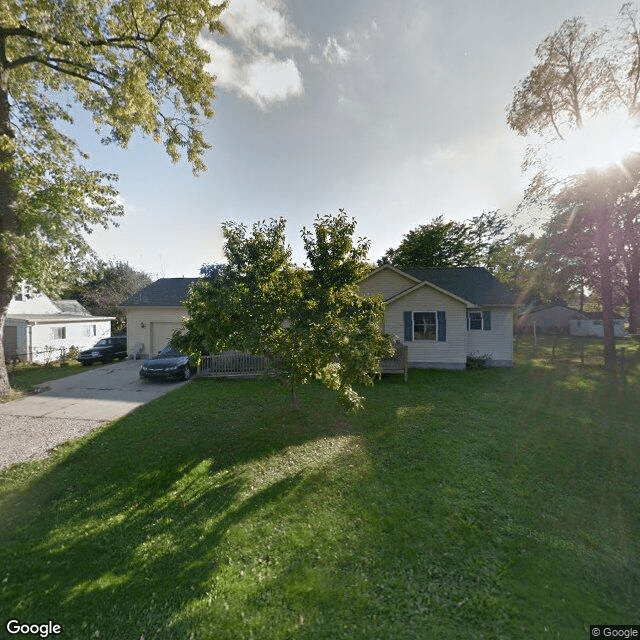
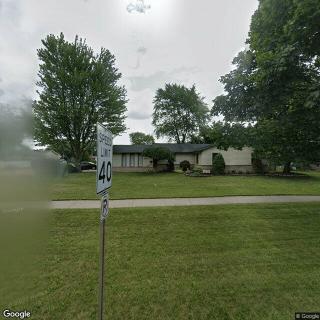
13609 Wright St, Gibralter, MI 48183
To contact a resident: (734) 818-9518
For more information about senior living options: (866) 208-4318
2 Hearts Elder Care Costs & Pricing
2 Hearts Elder Care offers competitive pricing for its services compared to the broader market in Wayne County and the state of Michigan. For a semi-private room, residents can expect to pay $3,800 per month, which is notably higher than the county average of $2,860 but remains within a reasonable range of Michigan's state average of $3,191. Similarly, the cost for a private room at 2 Hearts Elder Care is set at $4,000 per month. This rate is above both the Wayne County figure of $3,335 and the state average of $3,675. While 2 Hearts Elder Care may charge a premium for its accommodations, this pricing reflects its commitment to providing quality care and tailored services that enhance residents' well-being.
| Floor plans | 2 Hearts Elder Care | Wayne County | Michigan |
|---|---|---|---|
| Semi-Private | $3,800 | $2,860 | $3,189 |
| Private | $4,000 | $3,335 | $3,674 |
Senior living communities with a similar price nearby
-
About the same
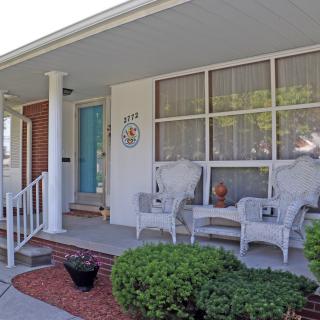
22nd Street Senior Care
$3,800 to $4,300 / month8.1 miles away -
from +$200 / mo
Grace Homecare
$4,000 to $4,500 / month21.7 miles away -
from +$450 / mo
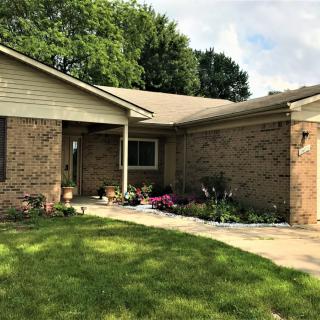
Aiello Adult Foster Care
$4,250 to $4,500 / month10.7 miles away -
from -$600 / mo
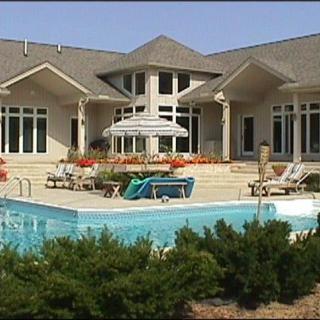
Canton Crossings Assisted Living
$3,200 to $4,000 / month21.6 miles away -
from +$700 / mo
Elderly Solutions
$4,500 to $5,250 / month13.7 miles away
Overall Review of 2 Hearts Elder Care
Pros
 The place is lovely and well kept.
- There are lots of activities.
- Everyone is friendly.
- The place is beautiful and very clean.
Cons
 A family member was influenced to sign everything over to the manager of the complex.
- The family member's bank account, life insurance, and property were taken.
- The family wasn't informed about his passing.
- He was buried under a power of attorney when there was a will in place.
- Very underhanded people were running the complex.
- The family was devastated.
Review
2 Hearts Elder Care in Gibraltar is best suited for seniors who prioritize a lively social environment, a well-kept and welcoming setting, and plenty of daily activities. The campus shines on atmosphere: clean, attractive common areas, and staff and residents who appear friendly and engaged. For families seeking a place where a resident can stay mentally and socially active with ample enrichment programs, this community offers a compelling backdrop. In short, it’s a strong fit for active, socially oriented elders who do not yet require intensive medical care and for families who want a place with visible warmth and routine opportunities to connect.
Yet, there is a clear caveat for those weighing options. Prospective residents and their families should consider alternatives if there is a need for stringent financial protections or if a high level of oversight is non-negotiable. The most serious concerns raised by former residents’ families point to potential vulnerabilities around financial power and decision-making. Any family with strict safeguards around POAs, wills, and asset management would want to compare this community’s practices against other local offerings with transparent, third-party oversight and documented accountability. The warning signs are concrete enough to demand a careful, fact-based vetting process.
On the positive side, the facility’s strengths are tangible and meaningful. The physical environment is appealing and well maintained, which supports a sense of dignity and comfort. Activities appear robust, helping residents stay engaged and connected with peers, and staff are described as friendly, contributing to a buoyant daily rhythm. These elements translate into meaningful quality-of-life benefits: opportunities for socialization, structured routines, and an environment that reduces isolation. For families prioritizing neighborliness, warmth, and ongoing engagement, these attributes can offset some daily caregiving tensions.
However, the most consequential concern remains: the potential for financial manipulation through limited oversight. One family’s experience alleges coercion to sign over control of assets to the manager, followed by a lack of timely or transparent communication about a loved one’s passing and arrangements. Even if not representative of every resident’s experience, this report underscores a real risk that cannot be dismissed. In practice, such red flags can nullify otherwise strong living conditions, eroding trust and creating lasting distress for families left to navigate aftermaths that should have been handled with clear, ethical procedures and open disclosure.
To avoid becoming another cautionary tale, families should enter conversations with exacting questions and demands. Concrete steps include requesting a detailed explanation of how POAs are implemented, who signs off on financial transactions, and what third-party safeguards exist (audits, independent accounts, prescribed notification timelines). Ask for written policies on asset management, regular financial reporting to families, and a transparent escalation path if concerns arise. Require evidence of staff training in elder financial protection, routine reviews of resident bills and accounts, and a clear process for involving family members in major decisions. In short, demand governance that champions transparency and accountability as a condition of admission.
In the end, 2 Hearts Elder Care offers a compelling cultural and social milieu that can greatly enhance a resident’s daily life. The caveat is nontrivial: without robust safeguards against financial overreach and opaque communications, the positives risk being overshadowed by a life-disrupting breach of trust. For families who can demand rigorous oversight, this community can be an excellent match, providing companionship, activity-rich days, and a pleasant setting. For those unable to secure transparent practices or who require tighter fiduciary controls, exploring alternatives with proven, documented safeguards is prudent. The best move is to test with concrete questions, insist on clear governance, and only commit when confidence in both care quality and financial integrity is assured.
 Board and Care Home
 Activities off-site
 Bath tubs
 Beautician on-site
 Devotional services off-site
 Indoor common areas
 Outdoor common areas
 Private
 Respite or short term stays offered
 Wheelchair accessible showers
 Detroit Metropolitan-Wayne County (12 miles away)
 Ambulatory care
 Diabetic care
 Incontinence care
 Medication management
 Kosher



 Managing Nursing Home Expenses After Medicare Coverage Ends
 Is a Geriatric Care Manager the Right Choice for Your Family?
 Compassionate Conversations: How to Comfort Someone Who Is Grieving