
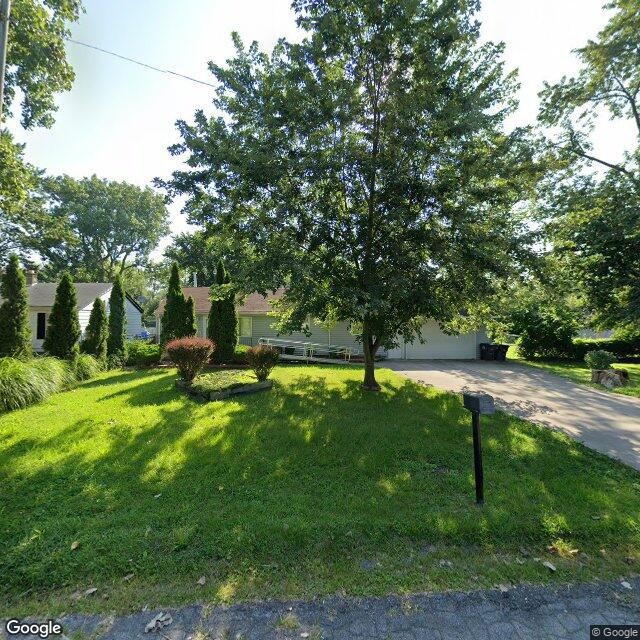
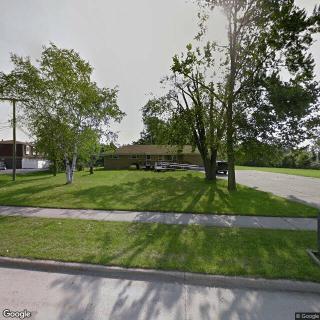
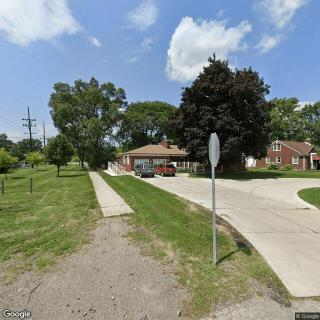
14465 Buck Street, Taylor, MI 48180
For more information about senior living options: (866) 208-4318
Forever Care Homes III Costs & Pricing
Forever Care Homes III offers competitive pricing for its residential care services compared to the broader market in Wayne County and across Michigan. For a semi-private room, residents can expect to pay $3,000 per month, which is slightly above the county average of $2,860 yet below the state average of $3,191. The private room option is priced at $3,500, aligning closely with both Wayne County's average of $3,335 and Michigan's state average of $3,675. Likewise, the cost for a one-bedroom suite also stands at $3,500 - a figure that surpasses Wayne County's average of $3,210 but remains lower than the statewide benchmark of $3,384. Overall, Forever Care Homes III presents a balanced array of options that reflect both quality care and reasonable pricing within the regional context.
| Floor plans | Forever Care Homes III | Wayne County | Michigan |
|---|---|---|---|
| Semi-Private | $3,000 | $2,860 | $3,189 |
| Private | $3,500 | $3,335 | $3,674 |
| 1 Bedroom | $3,500 | $3,210 | $3,384 |
Memory care communities with a similar price nearby
-
About the same

Hutcheson Manor
$3,000 to $4,500 / month17.6 miles away -
from +$200 / mo
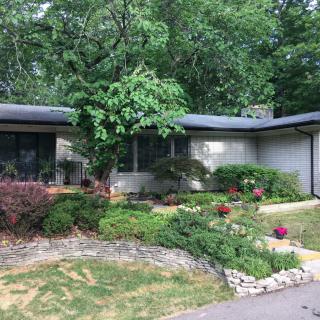
Vicky's Place
$3,200 to $6,000 / month22.2 miles away -
from +$500 / mo
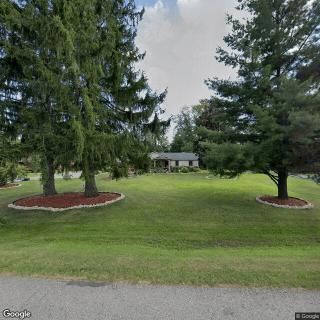
Briar Hill Assisted Living
$3,500 to $4,500 / month19.0 miles away -
About the same

Fostered Hearts
$3,000 / month18.5 miles away -
from +$484 / mo
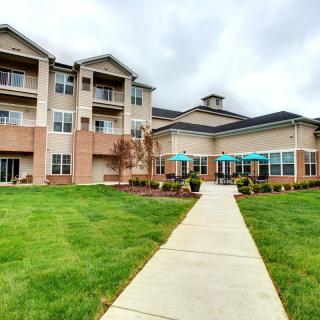
StoryPoint Saline
$3,484 to $5,575 / month23.7 miles away
Overall Review of Forever Care Homes III
Pros
 Dayag Care is a truly wonderful place with a peaceful, supportive home environment.
- Irina, the owner, brings an incredible balance of professional expertise and heartfelt compassion.
- The facility is spotless, well-organized, and radiates a calm, caring atmosphere.
- Irina provides wonderful, compassionate care for residents.
- The owner works with families to accommodate their needs and is compassionate and caring.
- Dayag Care offers very personalized service and makes families feel at home.
Cons
 The reviewer states that the caregiver and her facility tried to kill the mom by overdosing morphine and ignoring medical orders.
- The reviewer claims the caregiver did not follow doctors’ orders and gave the mother too much morphine, saying she was ready to go.
- The reviewer says the caregiver played God with the mother.
- The reviewer cites a state report finding the caregiver at fault for not following doctors’ orders.
- The reviewer notes they waited months for an apology or remediation, but received none.
- The reviewer alleges the caregiver ignored the power of attorney and acted against them.
- The reviewer contends the caregiver grabbed a syringe and administered morphine anyway.
- The reviewer reports the caregiver called the police over a missing canary and threatened them, accusing them of theft.
- The reviewer claims the caregiver caused a huge problem and even sent the police away so they could not speak to them.
- The reviewer alleges the caregiver demanded the mother’s gown during EMS arrival and refused to wait.
- The reviewer states they never received an apology and were paying $500 a day for care.
- The reviewer warns others to stay away, saying the caregiver’s behavior was unacceptable and caused distress.
Review
Forever Care Homes III is best suited for families seeking a small, home‑like setting in Taylor where daily life feels intimate and staff are closely involved with both residents and their families. This kind of community tends to shine when the caregiver or owner can offer hands‑on supervision, flexible routines, and frank, ongoing communication. It’s the type of place where a resident’s day can be built around familiar rhythms, predictable meals, and a sense of being known by name rather than by room number. For caregivers who want to participate in care planning, stay close to the day‑to‑day realities of a loved one, and receive frequent updates, Forever Care Homes III can deliver a compassionate, purposefully personal experience.
That said, families should explicitly consider alternatives if medical complexity or robust clinical oversight is a necessity. The most troubling note among the reviews points to a scenario where medical orders were not followed, resulting in extreme sedation and a confrontation with a power of attorney. While that account is tied to a different operator in the same care‑home ecosystem, it serves as a clear warning: in a small home setting, medication management and adherence to physician directives must be airtight, with documented protocols and quick escalation paths. For residents who require 24/7 licensed nursing coverage, insistence on formal, verifiable oversight, or routines that hinge on strict medical supervision, larger communities with on‑site nursing and more standardized procedures are likely safer and more predictable choices.
The positives in this ecosystem underline what a well‑run, intimate home can achieve: spotless, calm environments; highly personalized, attentive care; responsive owners who communicate with families; and a sense of genuine warmth. When staff turnover is low and the operator is genuinely involved, residents can experience meaningful daily engagement, better social connection, and tailored activities that reflect individual histories and preferences. Food quality, cooperative problem‑solving with families, and a consistent routine are not merely amenities here; they are core to a sustainable sense of safety and belonging. These strengths can offset some limitations, especially for residents who thrive on routine, close interpersonal contact, and a less institutional atmosphere.
Still, the tight margins in a small home mean risk exposure is amplified if oversight slips. Families should verify: who administers meds, how dosing is documented, how orders are communicated to care staff, and what backups exist when the primary caregiver is unavailable. Clear, written care plans and a transparent chain of command are non‑negotiable. Prospective residents should request to see the facility’s medication management policies, incident logs, and copies of recent licensing inspections. Speak with current residents and families to gauge consistency of care, responsiveness to concerns, and the degree to which staff can interpret and honor doctor orders without delay.
Tour dynamics matter. Observe how staff interact with residents, how meals are served, and how routines are structured around individual preferences. In a setting like Forever Care Homes III, the balance between warmth and formalized procedures is the deciding factor. Ask blunt questions about what happens if a resident needs pain control, how emergencies are handled after hours, and whether there is on‑site nursing or a licensed clinician available for routine assessments. Reviewing references from other families and requesting a trial period can reveal whether the home’s culture aligns with what the resident needs over the long term, not just the first impression.
In the end, Forever Care Homes III can be a compelling choice for families prioritizing a personalized, homelike atmosphere and close day‑to‑day involvement. However, any decision must be anchored in assurances about medical oversight, adherence to physician orders, and a robust, verifiable safety net. If those assurances are strong and well documented, this type of community offers a humane, reassuring option for many seniors. If medical complexity or strict regulatory oversight is non‑negotiable, or if a family cannot feel confident in the medication processes and escalation plans, exploring alternatives with larger clinical staffing will likely yield greater peace of mind. Next steps include a candid tour, a careful review of policies and licensing records, and a concrete plan for how care needs will be met on a day‑to‑day basis.
 6 resident community capacity
 Assisted Living
 Board and Care Home
 Memory Care
 Activities on-site
 Cable or satellite TV
 Dining room
 Fully furnished
 Garden
 Housekeeping services
 Move-in coordination
 Outdoor space
 Private
 Telephone
 Wi-Fi/high-speed internet available
 Detroit Metropolitan-Wayne County (4 miles away)
 24-hour supervision
 Ambulatory care
 Assistance with bathing
 Assistance with dressing
 Assistance with transfers
 Diabetes diet
 Diabetic care
 Incontinence care
 Meal preparation and service
 Medication management
 Special dietary restrictions
 Transportation arrangement (medical)
 Transportation to doctors appointments
 BBQs or picnics
 Birthday parties




 Vibrant Senior Living: A Comprehensive Guide for Active Older Adults
 Assisted Living and Memory Care: Understanding Their Core Differences
 Choosing the Right Senior Care: A Detailed Exploration of Assisted Living and Nursing Homes