
16231 Inkster Road, Taylor, MI 48180
For more information about senior living options: (866) 208-4318
Overall Review of Daisy Caring Hands Living
Pros
 Dayag Care is a truly wonderful place.
- The facility is spotless, well-organized, and radiates a calm, caring atmosphere.
- Irina, the owner, combines professional expertise with heartfelt compassion.
- Irina provides wonderful, compassionate care for residents.
- The owner works with families to accommodate needs and makes them feel like family.
- Dayag Care offers very good personalized service for clients.
Cons
 The reviewer alleges Irina and her facility tried to kill the mom by not following doctors’ orders and giving way too much morphine.
- The reviewer says Irina acted like she could “play God” with the mother’s life and override the designated power of attorney.
- The reviewer notes a state report found Irina at fault for not following doctors’ orders.
- The reviewer describes Irina as “crazy” and says she was unnecessary and disruptive in the mother’s care.
- The reviewer contends Irina called the police and EMS to create a problem and wrongfully accused the family of stealing.
- The reviewer claims Irina forced an apology for something the family did not do and demanded the mother’s gown during EMS.
- The reviewer states Irina’s behavior caused a massive stress and chaos, and that she was completely unacceptable.
- The reviewer warns others to stay away from Irina, saying they would not have gone through what they did and that she did not apologize.
Review
Daisy Caring Hands Living in Taylor, MI is best suited for families seeking a small, intimate assisted living experience where a hands-on owner-operator style and close staff engagement translate into highly personalized care. The community excels for seniors who value a calm, clean, home-like setting, where medication management, on-site nursing, and regular support services are delivered with a personal touch. It works well for residents who benefit from consistent routine, direct access to caregivers, and the feeling of being known by name rather than treated as just another resident. This environment tends to appeal to families prioritizing warmth, accessibility, and a tight-knit caregiving team over the breadth of programming or corporate structure found in larger facilities.
Alternatives are worth considering for families prioritizing formal governance, broader activity programming, or a higher-perceived safety net. In cases where stringent medical oversight, transparent incident documentation, or a more robust, policy-driven approach to care are non-negotiables, a larger community with standardized procedures and more explicit escalation paths may be preferable. For residents who require extensive activities, social programming, or specialized memory support with clearly delineated protocols, other options in the region could better meet those expectations. The realities of a small setting, while a strength in intimacy, can translate to limited staffing depth during high-need periods, which some families may want to avoid.
On the plus side, the strongest magnets are the pros that consistently emerge across multiple reviews. The facility’s small size is repeatedly linked to a clean, orderly environment where staff can customize daily routines and respond quickly to individual needs. Families praise the owner’s combination of professional competence and genuine compassion, describing Irina as thorough, caring, and deeply invested in residents’ comfort. An onsite nurse around the clock, medication management, and access to ancillary services such as physical therapy create a dependable safety net. The presence of pastoral support and nearby therapies adds a holistic dimension that many families find reassuring, especially when a loved one values continuity of care and a familiar, low-stress atmosphere.
However, the most serious caveat centers on a highly troubling report that raises questions about medical decision-making and safety. One account alleges a caregiver administered morphine contrary to physician orders, followed by confrontations with family members and law enforcement involvement. That singular narrative, while not representative of all experiences, should trigger rigorous due diligence. For prospective residents, it is essential to verify current medication protocols, ensure clear written orders are followed, confirm ownership and consent roles (POA governance), and request transparent documentation of any deviations from physician directives. The balance between a warm, intimate setting and a potential risk requires careful validation of oversight mechanisms before admission.
In weighing the pros and cons, the decisive factor becomes whether orientation toward an exceptionally personal, small-community approach aligns with the resident’s medical needs and the family’s tolerance for risk. The favorable aspects, cleanliness, hands-on staff, 24/7 nursing presence, and genuinely compassionate care, offset the positives of the intimate scale when the care plan is well-documented and consistently enforced. Yet the existence of a credible, high-stakes red flag means the facility must demonstrate robust governance, proactive communication, and a proven track record of compliant practice to maintain confidence. Families should approach this option with a thorough, evidence-based vetting process: request recent licensing status, patient-care plans, staffing schedules, and a frank discussion about how emergencies and medication changes are managed.
The concluding assessment points to a practical takeaway: Daisy Caring Hands Living can be an excellent choice for families prioritizing close-knit, attentive care delivered in a calm, home-like setting, especially when there is reliable medical oversight and transparent governance. For those who cannot accept the possibility of unilateral decisions affecting a loved one’s treatment, or who insist on a broader activity slate and more formalized risk controls, exploring alternatives remains prudent. In the right circumstances, this community offers exceptional warmth, personal attention, and a sense of family-style care that can significantly ease the transition into assisted living.
 4 resident community capacity
 Assisted Living
 Cable or satellite TV
 Dining room
 Fully furnished
 Garden
 Guest parking
 Housekeeping services
 Laundry
 Move-in coordination
 Outdoor space
 Respite or short term stays offered
 Telephone
 VA Benefits Consultation
 Wi-Fi/high-speed internet available
 Detroit Metropolitan-Wayne County (3 miles away)
 24-hour supervision
 Activities of daily living assistance
 Assistance with bathing
 Assistance with dressing
 Assistance with transfers
 Diabetes diet
 Meal preparation and service
 Medication management
 Physical therapy
 Special dietary restrictions
 Transportation arrangement (medical)
 Transportation to doctors appointments
 Arts and crafts
 Games
Games Live musical performances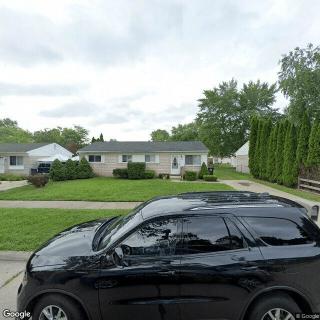





 Medicare Coverage for Assisted Living: An In-Depth Exploration
 Choosing the Right Senior Care: A Detailed Exploration of Assisted Living and Nursing Homes
 Understanding the True Cost of Assisted Living in 2025: A Comprehensive Guide