For more information about senior living options: (866) 208-4318
3.9 from 100 reviews
5 stars
61
4 stars
10
3 stars
5
2 stars
5
1 stars
19
My Doctor's Inn Costs & Pricing
At My Doctor's Inn, the pricing structure for various room types reflects a commitment to providing quality care and comfort, albeit at a premium compared to both Macomb County and the broader state of Michigan. For instance, the semi-private room is priced at $3,295 per month, slightly exceeding the county average of $3,232 and the state average of $3,191. The cost escalates with more private options; a studio apartment at My Doctor's Inn costs $4,245, which is notably higher than the county's $3,840 and the state's $3,824. Similarly, one-bedroom accommodations are offered for $4,795 - significantly above Macomb County's average of $3,527 and Michigan's average of $3,384. The two-bedroom option stands at $5,295 as compared to Macomb County's $3,978 and Michigan's overall average of $3,523. While these rates may be higher than local and state averages, they reflect My Doctor's Inn's dedication to offering enhanced amenities and personalized care that cater to residents' unique needs.
Floor plans
My Doctor's Inn
Macomb County
Michigan
Semi-Private
$3,295
$3,232
$3,189
Studio
$4,245
$3,840
$3,824
1 Bedroom
$4,795
$3,527
$3,384
2 Bedrooms
$5,295
$3,978
$3,523
Memory care communities with a similar price nearby
Some residents’ families report staffing and supervision problems in memory care.
A recurring concern is around supervision and staffing coverage, especially for memory care residents. Several reviewers describe moments when residents were left unsupervised or response times felt too slow, including issues with pull cords and staff being difficult to reach. Others mention safety problems and a lack of consistency in care, with one reviewer specifically questioning staff training for dementia care. While many families describe caring interactions, these accounts point to reliability gaps that could matter a lot for residents needing close monitoring.
common22 reviews mention this
Friendly, responsive staff stands out
Many reviewers describe staff as friendly, responsive, and attentive to needs.
Across many reviews, families highlight how staff treat residents and how willing they are to address questions or concerns. Multiple reviewers say communication was good and that issues were handled professionally and promptly when raised. Several also describe staff members as gentle and supportive, including caregivers who made residents feel comfortable during later-stage care needs. A smaller number of reviews are sharply negative about staff behavior, but overall the most consistent praise is about day-to-day kindness and being available when families reach out.
common12 reviews mention this
Clean facilities and rooms
Cleanliness is a commonly cited strength in reviews.
Many reviewers mention the facility feels clean and well kept, including comments about clean rooms and clean public areas. Some families also describe the building as organized and comfortable. At the same time, a few reviews criticize room cleaning or cleanliness, including one describing an accident that was not cleaned up and another saying the facility was dirty. Taken together, cleanliness appears important to residents and families, but the experience is not described as uniformly consistent.
common9 reviews mention this
Meals and dining are varied
Dining quality and meal options are frequently mentioned by families.
Several reviews praise the meals, describing the food as good or that they had no complaints. Others comment that residents enjoyed dining and that there were opportunities for meals in a dining room. Reviews also align with the idea of structured dining and dietary choices, since the community offers restaurant-style dining along with multiple dietary options. A small number of reviewers were unhappy with food, so dining satisfaction seems to vary by person and experience.
common14 reviews mention this
Life enrichment and social activities
Many residents participate in activities and social events.
A strong theme in reviews is the presence of activities that help residents stay engaged, including social events and outings. Multiple reviewers mention entertainment and daily programming, and some describe their loved ones making friends and looking forward to activities. This matches the community’s emphasis on on-site and off-site activities, devotional options, and programming like live well-style events and classes. While a few reviews say activities were limited or not available at times, many families feel the activity calendar is a meaningful part of the day.
How we summarize
Counts show how many written reviews mention each theme; a review can touch several themes, and only frequently mentioned themes are displayed.
Features
Types of Care
Assisted Living
Memory Care
Pets
Cats allowed
Dogs allowed
Amenities
Activities off-site
Activities on-site
Air-conditioning
Bath tubs
Beautician on-site
Cable or satellite TV
Devotional services off-site
Devotional services on-site
Ground floor units
Handicap accessible
Indoor common areas
Kitchenette
Outdoor common areas
Respite or short term stays offered
Wheelchair accessible showers
Wi-Fi/high-speed internet available
Care Services
Ambulatory care
Diabetic care
High acuity care
Incontinence care
Medication management
Dining
Anytime dining
Gluten-free
Guest meals
Kosher
Low / no sodium
Meals provided
No Sugar
Organic
Professional chef
Restaurant style dining
Room service
Special dining programs
Vegan
Vegetarian
Activities
Art classes
Catholic services
Cooking classes
Day trips and outings
Devotional activities offsite
Devotional activities on-site
Educational speakers / life long learning
Karaoke
Live well programs
Other religious services
Visiting chaplain or priest
Wine tasting
Nearby Places of Interest
This part of Sterling Heights, Michigan offers a variety of amenities that may be appealing to seniors looking to settle in the area. With several pharmacies located within a few miles, accessing medication and healthcare services is convenient. There are also numerous dining options ranging from casual fast-food restaurants to sit-down establishments offering a diverse selection of cuisine. In terms of leisure activities, there are parks nearby for outdoor recreation and relaxation, as well as theaters for entertainment. Additionally, medical care is easily accessible with several physician practices and hospitals in close proximity. Places of worship are also available for those seeking spiritual fulfillment. Overall, this area provides a mix of essentials and recreational opportunities that can cater to the needs and interests of seniors looking to make Sterling Heights their home.
Pharmacies
Meijer Pharmacy (0.1 miles)
Rite Aid (1.1 miles)
CVS Pharmacy (1.9 miles)
Walgreens (2.3 miles)
CVS Pharmacy (2.5 miles)
Rite Aid (3 miles)
Meijer Pharmacy (3.3 miles)
Restaurants
Gator Jake's Bar & Grill (0.3 miles)
McDonald's (0.8 miles)
Hibachi Buffet (1.6 miles)
Ishtar Restaurant (2.5 miles)
McDonald's (2.8 miles)
Great Baraboo Brewing Company (3 miles)
New York Deli (3.4 miles)
Cafes
Biggby Coffee (2.1 miles)
Starbucks (4 miles)
Panera Bread (4.9 miles)
Starbucks (5.9 miles)
Panera Bread (6.1 miles)
The Hot Spot Coffee (6.3 miles)
Parks
Dodge Park (2.2 miles)
McKinley Park (4 miles)
Whispering Woods Park (5.2 miles)
Clinton Township Parks & Recreation (5.3 miles)
Center Line Memorial Park (5.7 miles)
Clawson Park (6.6 miles)
Physicians
Sterling Physicians (3.2 miles)
Metro Medical Practice (3.4 miles)
Henry Ford Macomb Family Medicine & Gynecology (3.5 miles)
Midwest Center For Dermatology (5.4 miles)
Mmi Dr M Chen (5.5 miles)
Partridge Creek Center For Womens Health (6.2 miles)
Beaumont East Area Family Physicians (6.5 miles)
Hospitals
St John Macomb-Oakland Hospital Warren Emergency Care (4.1 miles)
At My Doctor's Inn, the pricing structure for various room types reflects a commitment to providing quality care and comfort, albeit at a premium compared to both Macomb County and the broader state of Michigan. For instance, the semi-private room is priced at $3,295 per month, slightly exceeding the county average of $3,232 and the state average of $3,191. The cost escalates with more private options; a studio apartment at My Doctor's Inn costs $4,245, which is notably higher than the county's $3,840 and the state's $3,824. Similarly, one-bedroom accommodations are offered for $4,795 - significantly above Macomb County's average of $3,527 and Michigan's average of $3,384. The two-bedroom option stands at $5,295 as compared to Macomb County's $3,978 and Michigan's overall average of $3,523. While these rates may be higher than local and state averages, they reflect My Doctor's Inn's dedication to offering enhanced amenities and personalized care that cater to residents' unique needs.
Medication management is crucial in a memory care setting, as it ensures that residents receive their prescribed medications accurately and on time, minimizing the risk of confusion and potential health complications. By providing structured medication schedules and close oversight, caregivers can help residents maintain their health and stability, which is particularly important for individuals with cognitive impairments. Incontinence care also plays a significant role in promoting dignity and comfort among residents. Tailored support in managing incontinence allows individuals to feel secure and reduces anxiety around potential accidents, which can be especially distressing for those with memory-related conditions. Both features work collaboratively to create an environment where residents can focus on daily life without the added stress of medical mismanagement or discomfort.
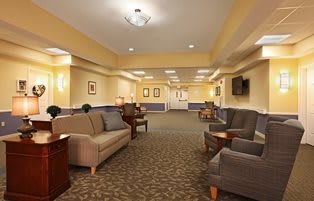
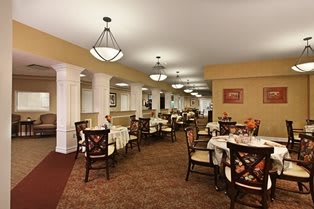
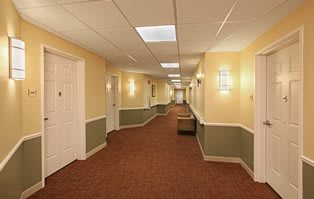
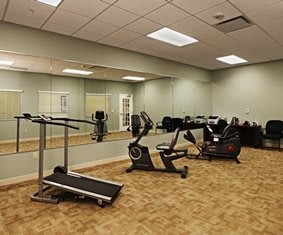
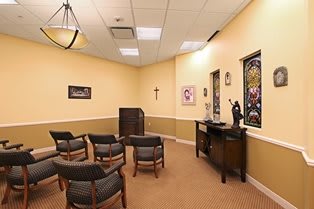
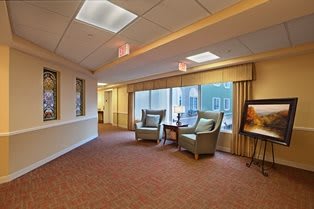
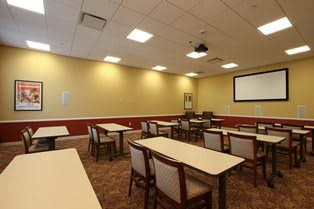
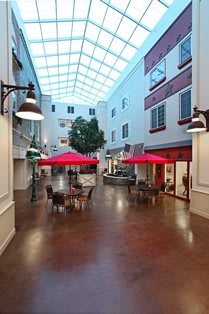
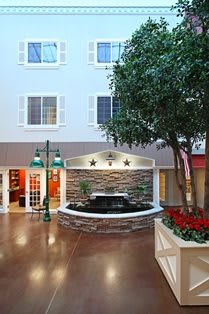
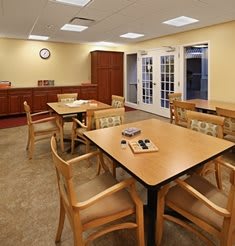
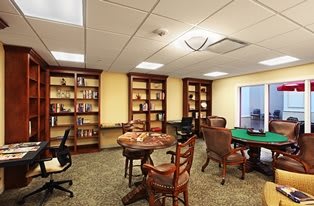
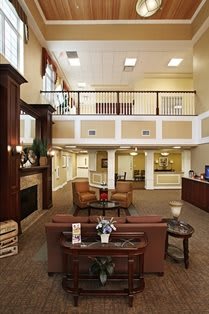
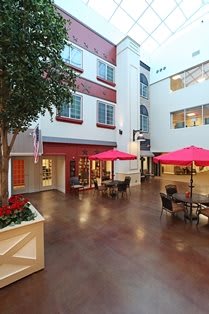
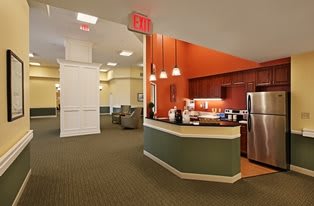
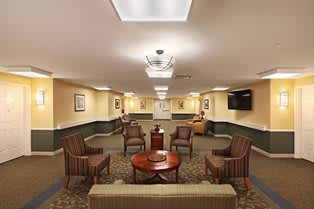
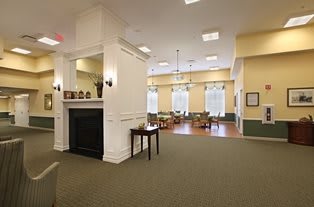
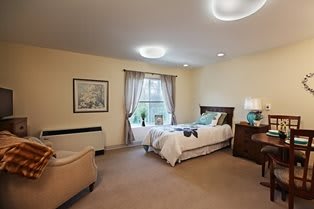
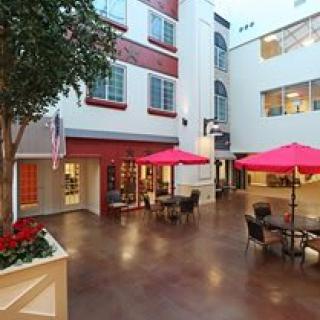
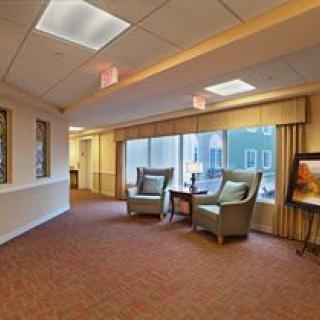
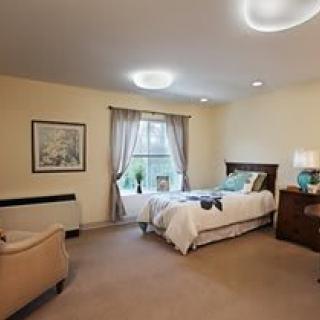
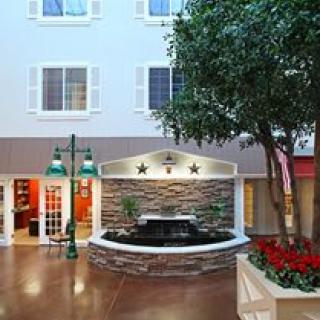
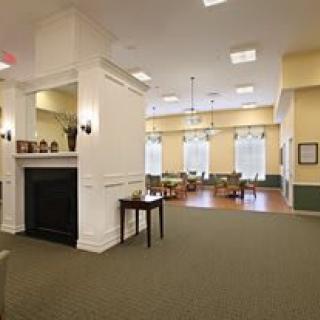
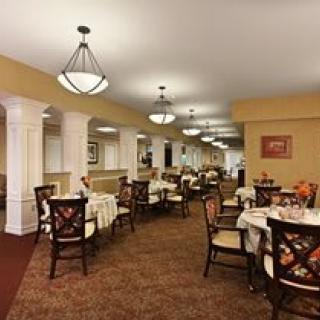
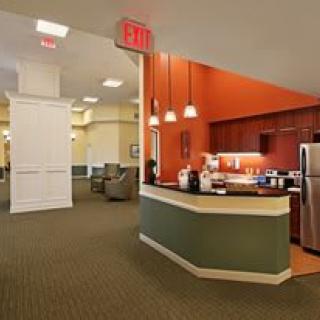
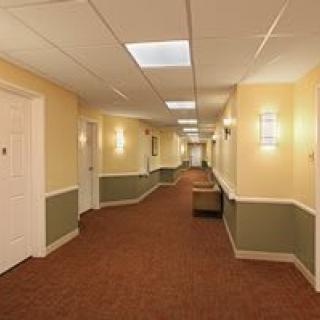
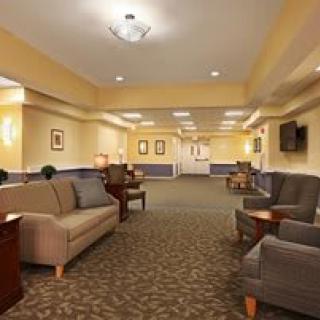
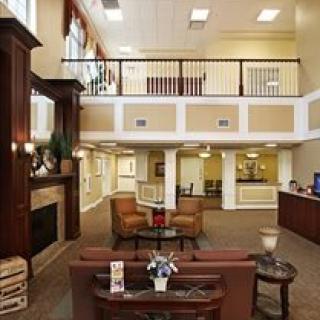
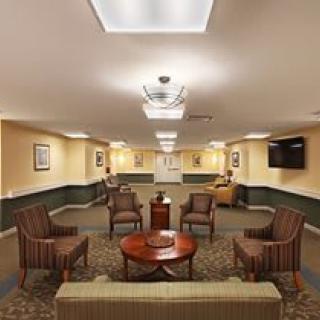
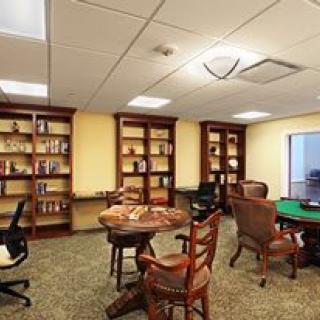
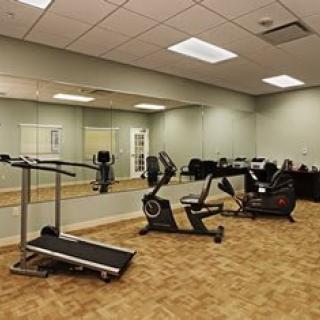
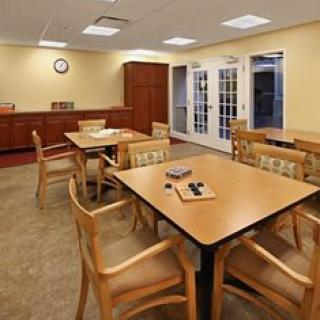
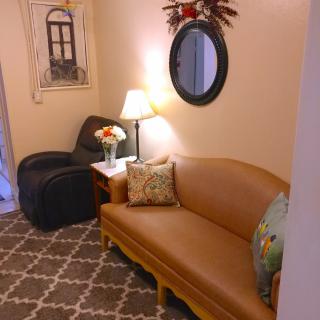
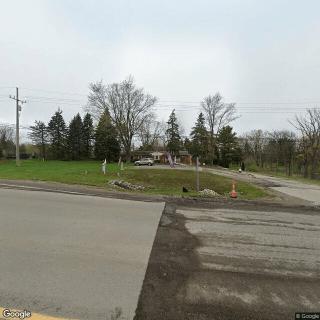
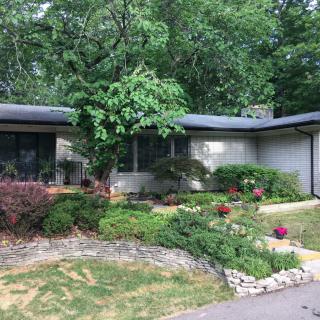
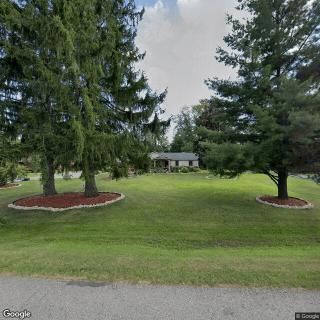
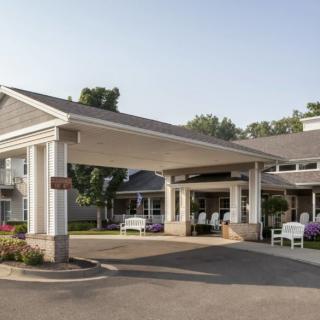
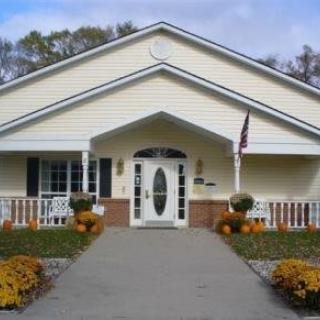
My Doctor's Inn on seniors.fyi includes 18 photos including images showing interior, lighting, lobby, seating area, decor, dining, windows, exercise equipment, and more.
Nearby Communities
American House Sterling Woods
Sterling Heights, MI
4.3 from 68 reviews
$2,275 to $3,125 / month
Friendly staff, clean apartments, and convenient transportation with on-site activities.
Hearthstone Communities
Sterling Heights, MI
4.8 from 21 reviews
Home-like setting with personalized, one-on-one care.
Hearthstone Communities - Sterling Heights
Sterling Heights, MI
4.8 from 73 reviews
$3,500 to $4,000 / month
Caring staff in a warm, home-like community with engaging activities.
Stratford House 2
Sterling Heights, MI
3.7 from 3 reviews
$2,800 / month
Down-to-earth Directors in a clean, welcoming setting that aligns with religious values.
Greensborough
Sterling Heights, MI
3 from 2 reviews
Fully furnished apartments with 24/7 supervision, meals, and transportation.
Carlton Terrace
Sterling Heights, MI
Vibrant assisted living with extensive nearby amenities.
American House Sterling Heights Senior Living
Sterling Heights, MI
4.4 from 63 reviews
$2,475 to $2,750 / month
Caring staff and engaging activities.
Pine Ridge of Plumbrook
Sterling Heights, MI
4.6 from 166 reviews
$3,100 to $3,900 / month
Warm, attentive staff in a recently renovated community with engaging activities and spacious, well-appointed apartments.
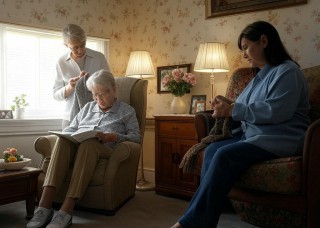
At-home dementia care expenses vary widely based on care levels, location, and caregiver expertise, with monthly costs for home health aides exceeding $4,500 and specialized care potentially surpassing $100,000 annually. While families favor in-home care for its comfort and personalized attention, they must consider financial planning and the challenges of caregiver fatigue.
The article discusses the late stages of dementia, detailing the progression from mild to severe impairment and highlighting key characteristics such as profound cognitive decline and dependency in daily activities. It emphasizes care strategies focused on comfort and dignity, the importance of advance directives, and the emotional support needed for family caregivers facing this challenging journey.
The article examines the link between certain medications and increased dementia risk, particularly in older adults, emphasizing that long-term or high-dose use of anticholinergics, benzodiazepines, and other drug classes can exacerbate cognitive impairment. It calls for careful medication evaluation and shared decision-making to mitigate these risks while managing treatment efficacy.
Exercise Equipment, Gym, Treadmill, and Fitness Room
Bookshelves and Library
Seating and Reception Area
Hallway and Doors
Waiting Area
Lights
Spacious and Recreation Room
Lighting Fixtures
Projector Screen
Chapel
Get PricingAsk A QuestionSchedule A TourContact Senior Advisor
By clicking submit, you agree to our Partner's Terms of Use. You
also consent to receive calls and texts, which may be autodialed, from our Partner. Your consent is not a condition to
using our Partner's service. Please visit our Partner's Privacy Policy for information about their privacy practices.

 Assisted Living
 Memory Care
 Cats allowed
 Dogs allowed
 Activities off-site
 Air-conditioning
 Bath tubs
 Beautician on-site
 Cable or satellite TV
 Devotional services off-site
 Ground floor units
 Handicap accessible
 Indoor common areas
 Kitchenette
 Outdoor common areas
 Respite or short term stays offered
 Wheelchair accessible showers
 Wi-Fi/high-speed internet available
 Ambulatory care
 Diabetic care
 High acuity care
 Incontinence care
 Medication management
 Anytime dining
 Art classes
 Catholic services
 Cooking classes
 Day trips and outings
 Educational speakers / life long learning
 Karaoke
 Live well programs
 Wine tasting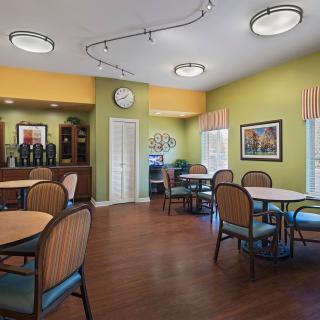
 Friendly staff, clean apartments, and convenient transportation with on-site activities.
 Estimating the Expenses of At-Home Dementia Care: A Detailed Exploration
 Comprehensive Insights on the Late Stages of Dementia: What to Expect and How to Provide Care
 Medications Associated with Dementia Risk: A Comprehensive Overview