
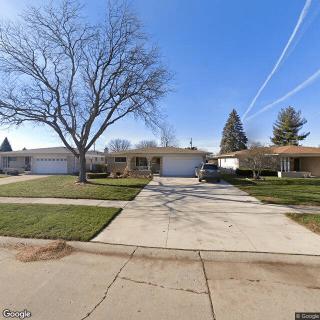
36688 Briarcliff, Sterling Heights, MI 48312
For more information about senior living options: (866) 208-4318
Overall Review of Hearthstone Communities
Pros
 Hearthstone Communities is a wonderful organization that provides excellent care for elders.
- It offers safe, fun, and caring service and provides a welcoming community for loved ones.
- The caregivers are committed, attentive, and build real relationships with residents.
- They regularly bring in musicians and host lovely gatherings for holidays and birthdays.
- Families are grateful that their loved ones are in a safe and happy place where they are well cared for.
- The caregiver-to-resident ratio is favorable, enabling more individualized attention.
- The owners and staff are compassionate, dedicated, and treat residents like family.
- The staff provide top-notch care with kindness, creating a safe and engaging environment.
Cons
 One reviewer does not recommend them, citing a language barrier and medication mix-ups.
- The reviewer claims that if concerns are expressed, staff tell them they can't do it and that being loud leads to protective services being called.
- They describe the experience as causing significant stress for their family and state that the case was unfounded.
Review
This Sterling Heights community is best suited for families seeking a truly intimate, home-like setting where seniors can receive ongoing daily assistance with a palpable sense of belonging. It shines for residents who benefit from high caregiver visibility, meaningful relationships with staff, and a small-house environment that minimizes the clinical feel of larger campuses. It is especially compelling for those exploring dementia or end-of-life care in a setting that feels like family, with regular social engagement and consistent, hands-on attention from a stable caregiving team.
Alternatives may be worth considering for families prioritizing a larger, more traditional campus with formalized memory-care programs or for households that want a highly structured medical model. A minority of reviewers highlighted concerns around language barriers and medication handling, and one family reported a contentious interaction with staff. Prospective families should investigate current medication-management processes, language accommodations, and escalation procedures during tours and in conversations with the administrator to ensure alignment with care expectations.
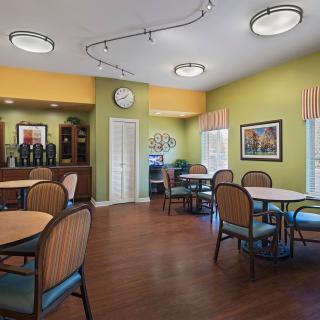
The strongest pro line-up centers on a caregiving culture that truly feels personal. Reported caregiver-to-resident ratios hover comfortably against a background of individualized attention, roughly a 1:2 dynamic in practice, allowing staff to notice subtle changes in health, mobility, or mood more quickly than in larger facilities. Residents frequently describe seeing familiar faces daily, with staff going beyond basic tasks to form genuine connections. The owners’ hands-on presence is repeatedly cited as a stabilizing force, reinforcing accountability and consistency in care delivery. This is complemented by a calm, homey atmosphere: clean, nicely decorated spaces, wholesome meals cooked on-site, and spaces that invite conversation around a kitchen table rather than a cafeteria venue.
Engagement and enrichment emerge as another core advantage. Reviews consistently note regular musical performances, holiday and birthday celebrations, and opportunities for residents to socialize in a low-pressure, family-oriented setting. Families appreciate that life here mirrors a home environment, not a clinical facility, which often translates into calmer days for residents who value routine, predictability, and the reassurance that staff know their preferences. For families navigating hospice or continuous-care needs, the combination of attentive medical oversight, accessible communication about health concerns, and a sense of “being kept in the loop” provides meaningful peace of mind.
On balance, the few drawbacks do not erase the compelling strengths, but they should influence the decision-making process. The most cited caution centers on one verified negative experience involving language barriers and medication-management concerns, underscoring the necessity of confirming current protocols, staff language capabilities, and transparent handling of concerns before placement. Families should verify that care plans, medication administration, and family communication channels are clearly documented, easily accessible, and reviewed regularly. It is wise to address these points head-on during tours, and to request a direct contact for ongoing escalation if ever a concern arises.
Taken together, Hearthstone Communities represents a convincing option for those seeking a warm, engaging, and highly attentive home-like setting for seniors who require assistance, with particular strength in dementia-friendly and palliative-care contexts. It is a strong fit for families who value direct access to ownership leadership, consistent caregiver relationships, and a culture that treats residents as family members. The primary caveat is ensuring the specific care needs align with the practice realities and that robust, transparent processes are in place to manage medications and language considerations. For families that prize intimacy, daily hands-on care, and a truly homelike daily rhythm, Hearthstone is among the better choices in Sterling Heights; for others craving a larger operation with broader clinical programming or aggressive medical protocols, alternatives may better match expectations.
 6 resident community capacity
 Studio apartments
 Assisted Living
 Board and Care Home
 Memory Care
 Respite Care
 Cable or satellite TV
 Dining room
 Fully furnished
 Garden
 Housekeeping services
 Move-in coordination
 Outdoor space
 Telephone
 Wi-Fi/high-speed internet available
 24-hour supervision
 Activities of daily living assistance
 Assistance with bathing
 Assistance with dressing
 Assistance with transfers
 Diabetes diet
 Hospice waiver
 Meal preparation and service
 Medication management
 Mental wellness program
 Special dietary restrictions
 Transportation arrangement (medical)
 Transportation to doctors appointments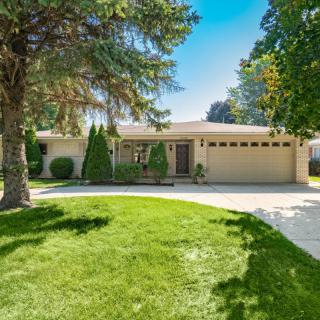


 Comprehensive Insights on the Late Stages of Dementia: What to Expect and How to Provide Care
 Medications Associated with Dementia Risk: A Comprehensive Overview
 Guiding Your Journey: Understanding Power of Attorney for Elderly Parents