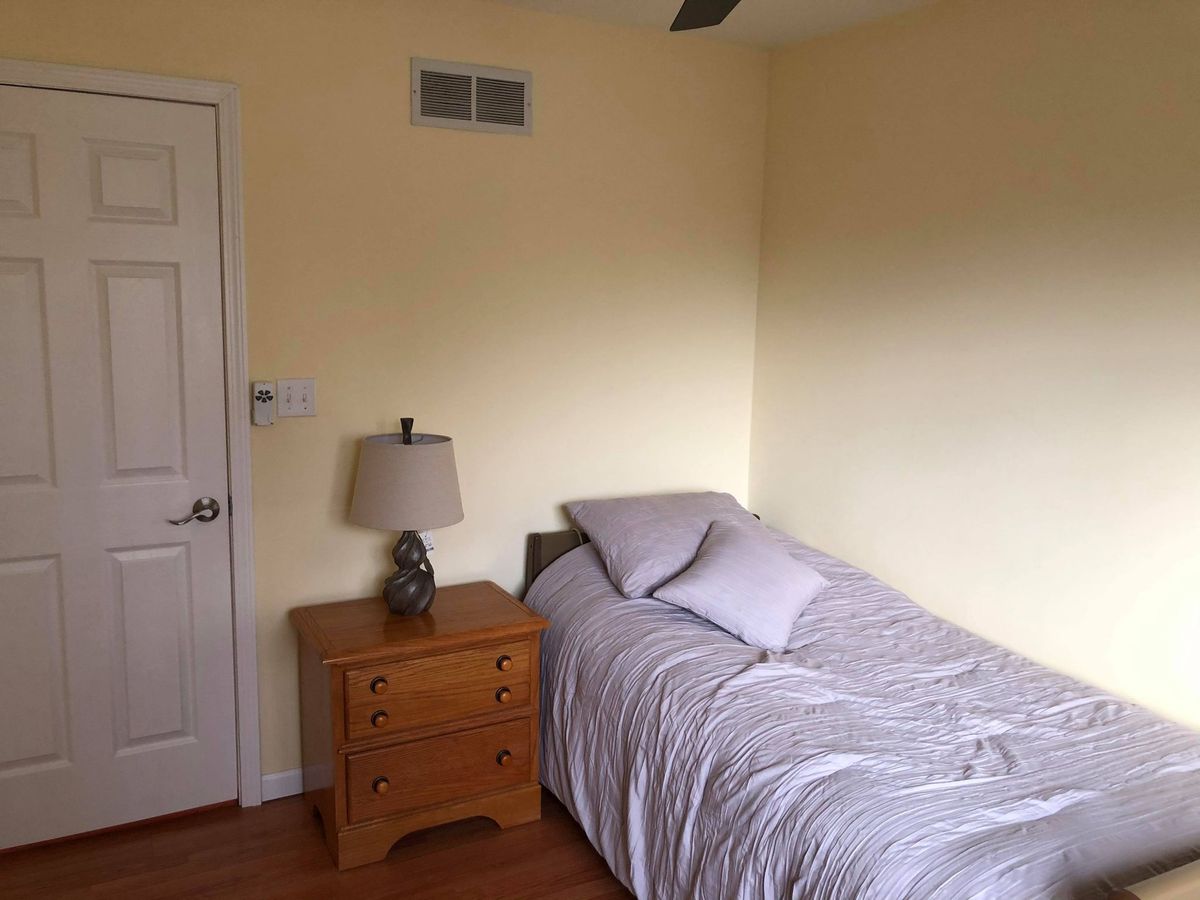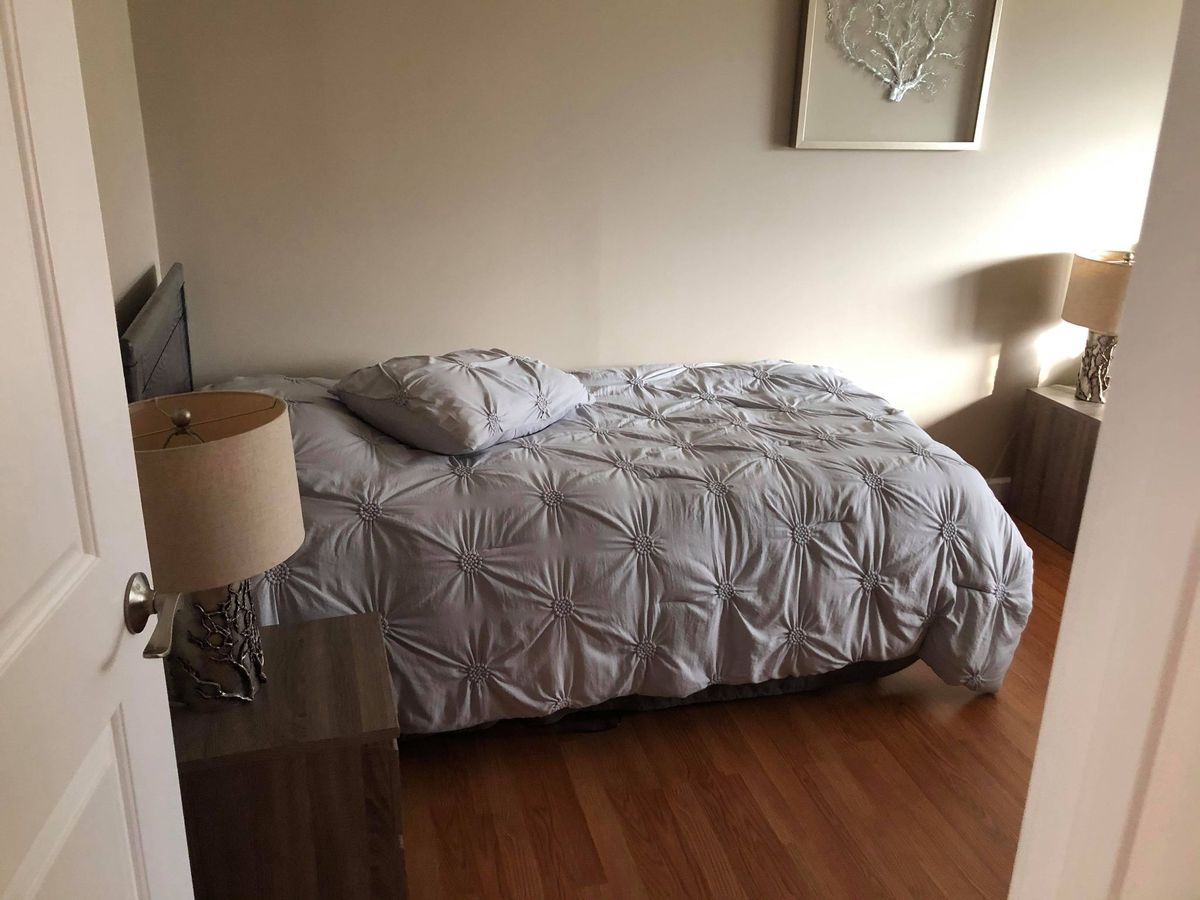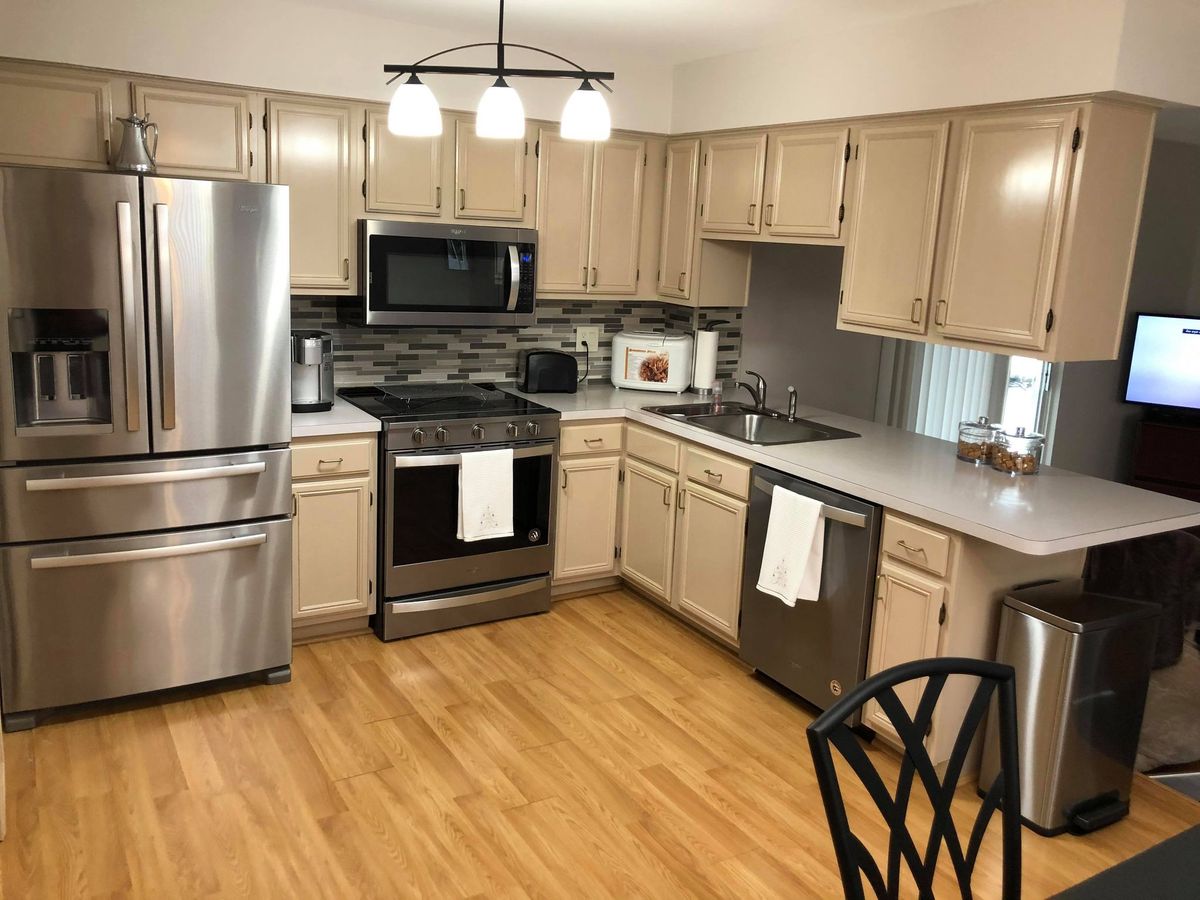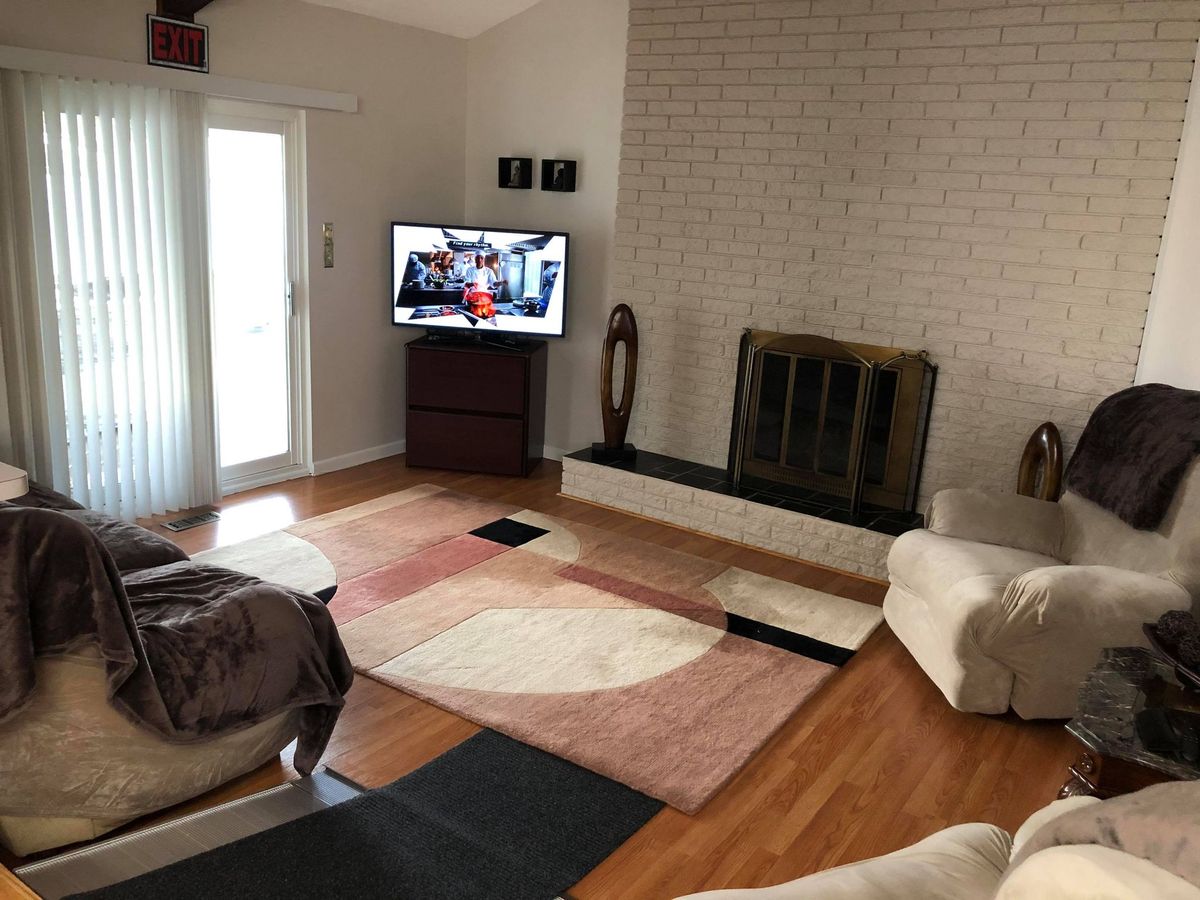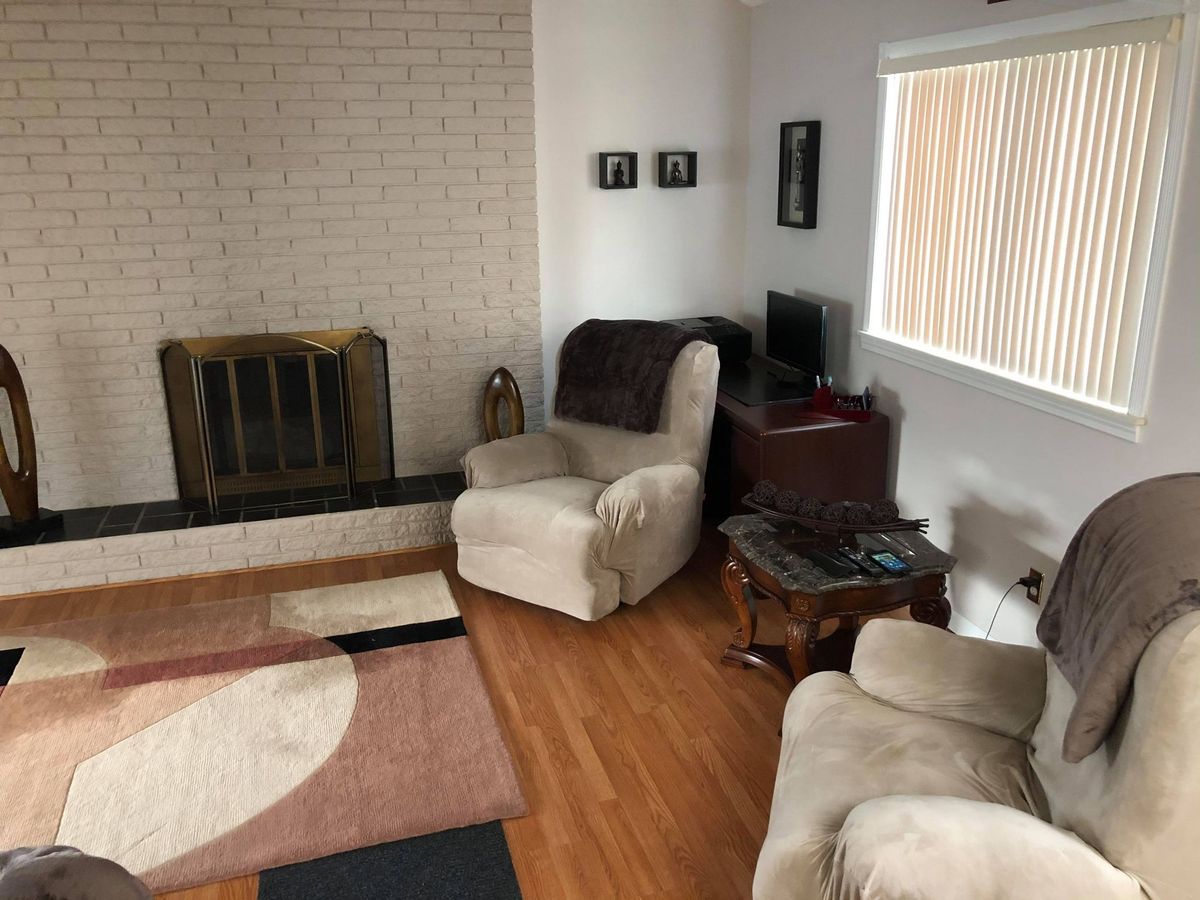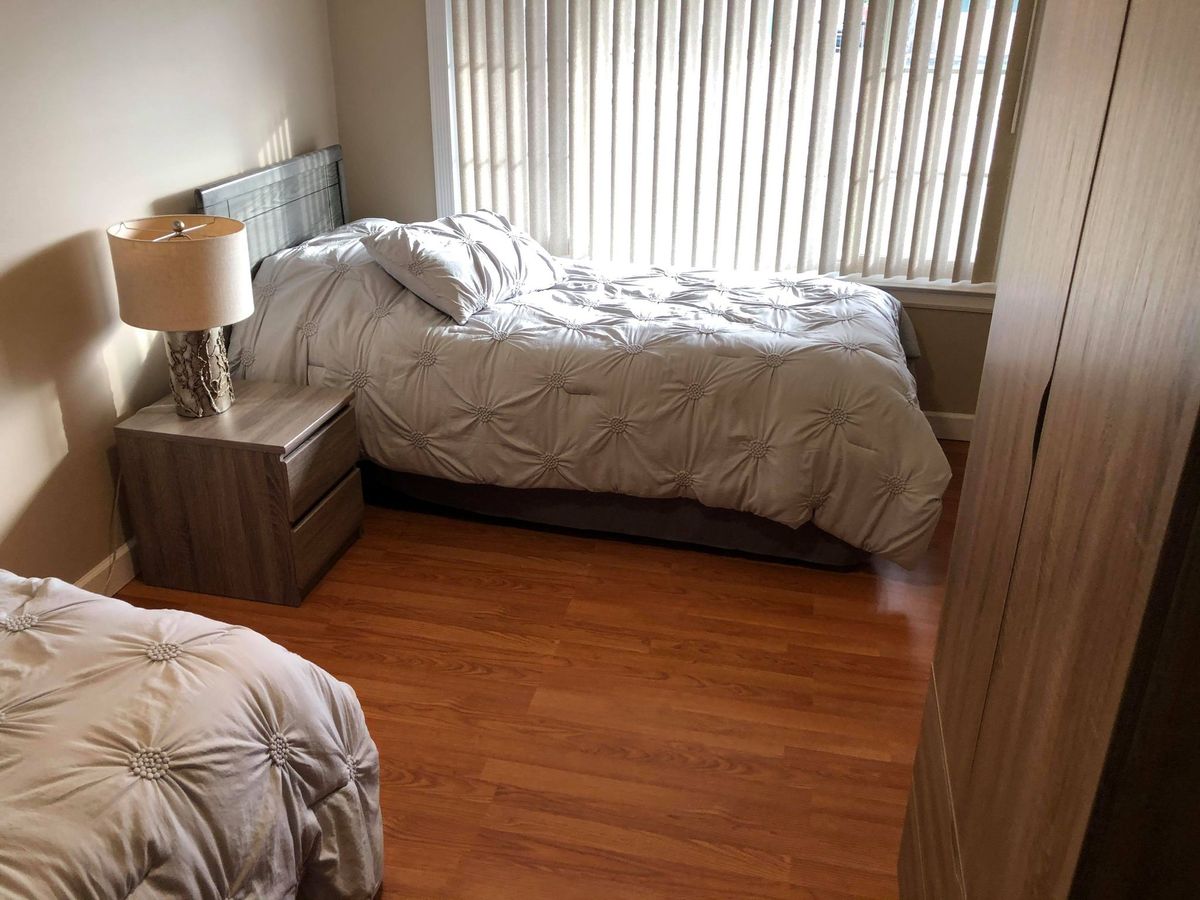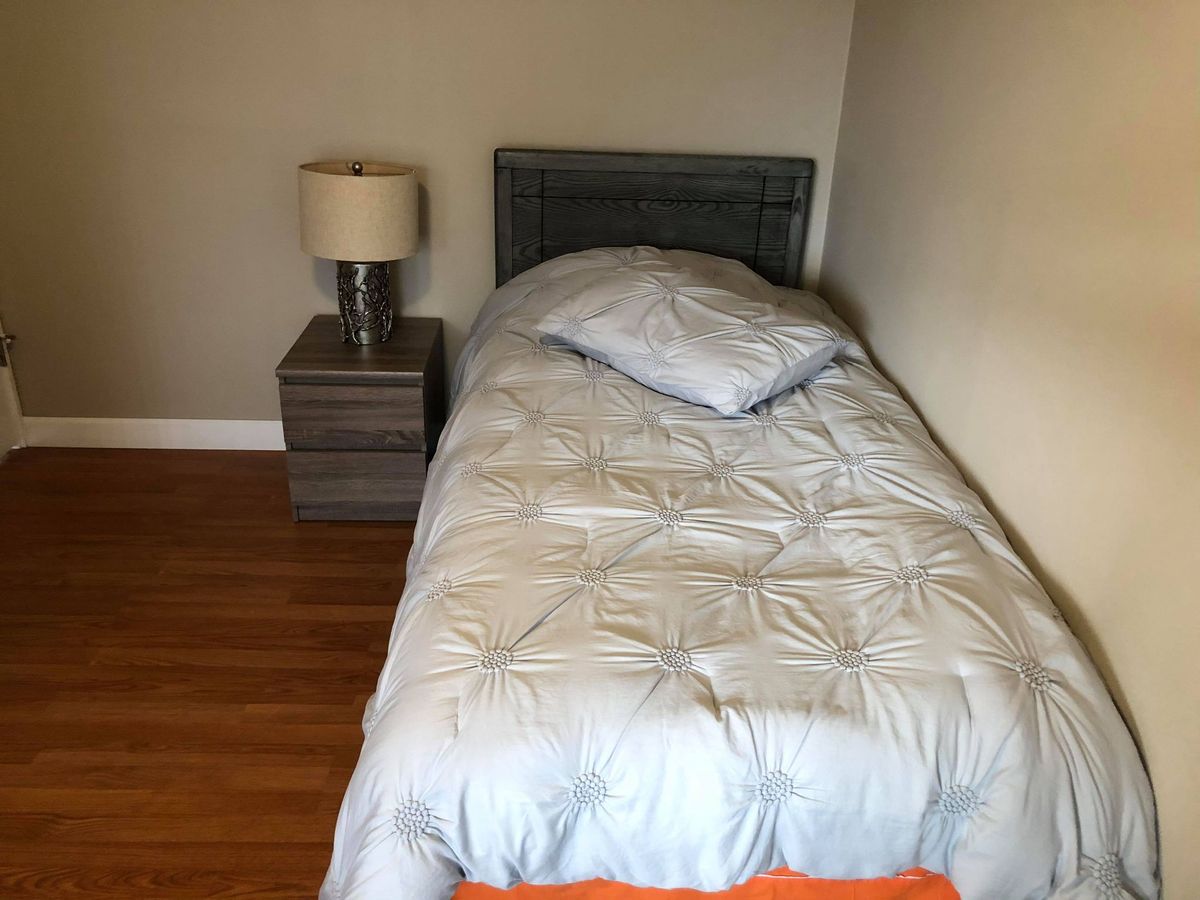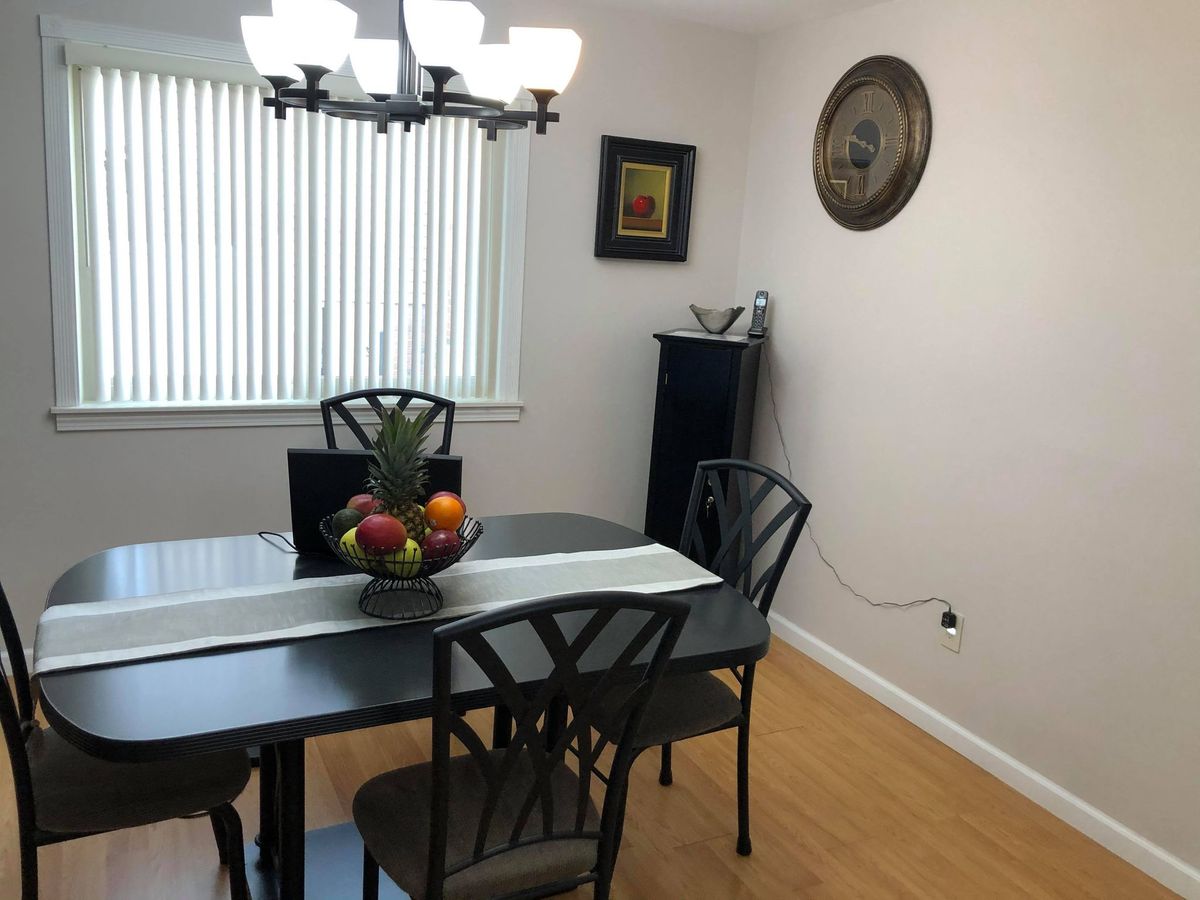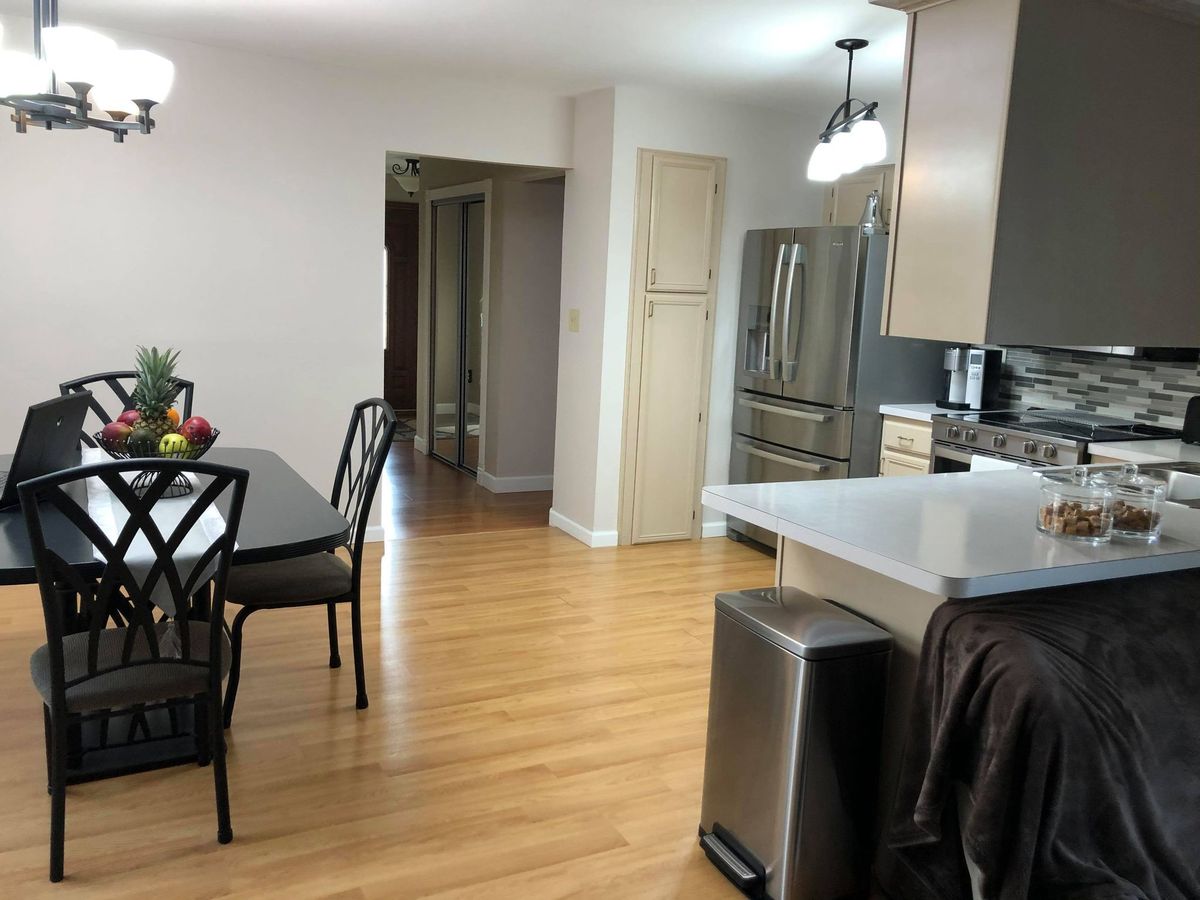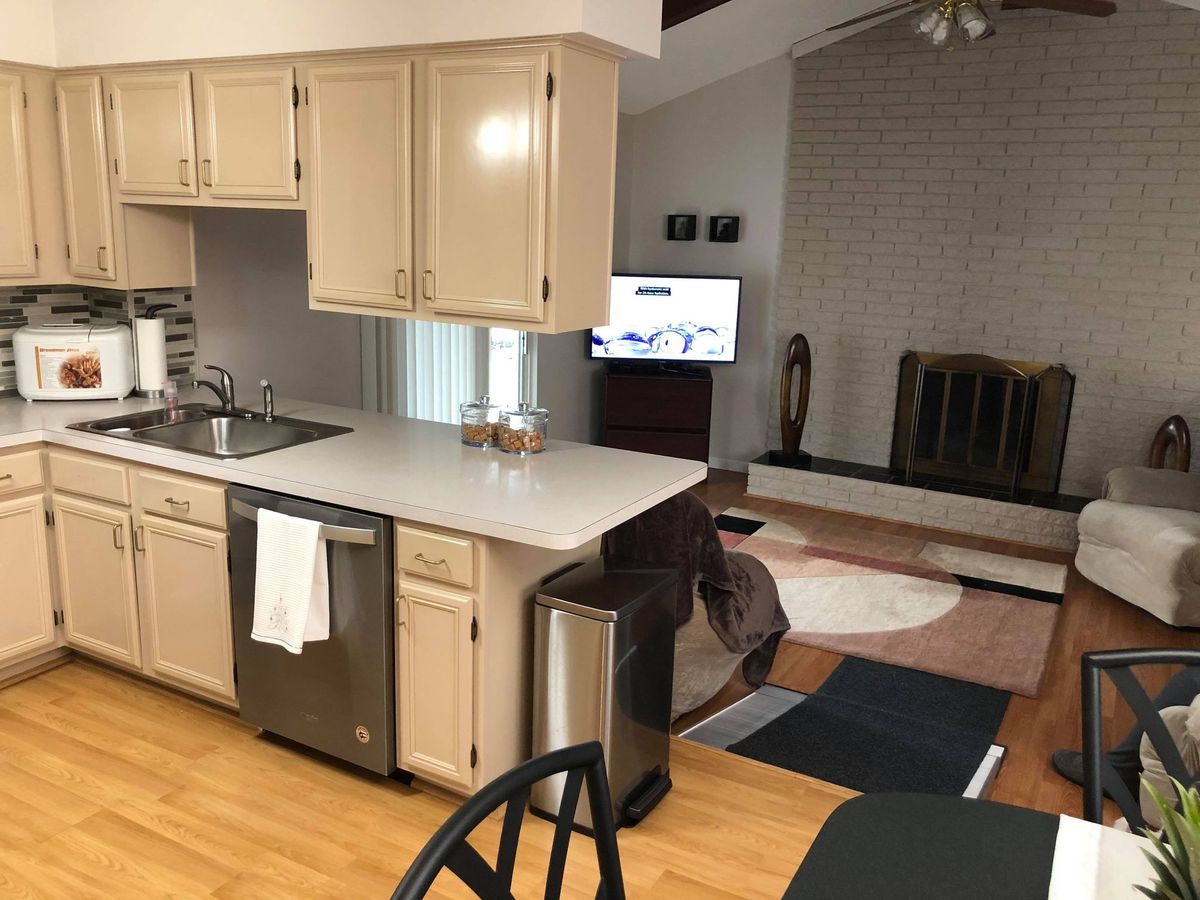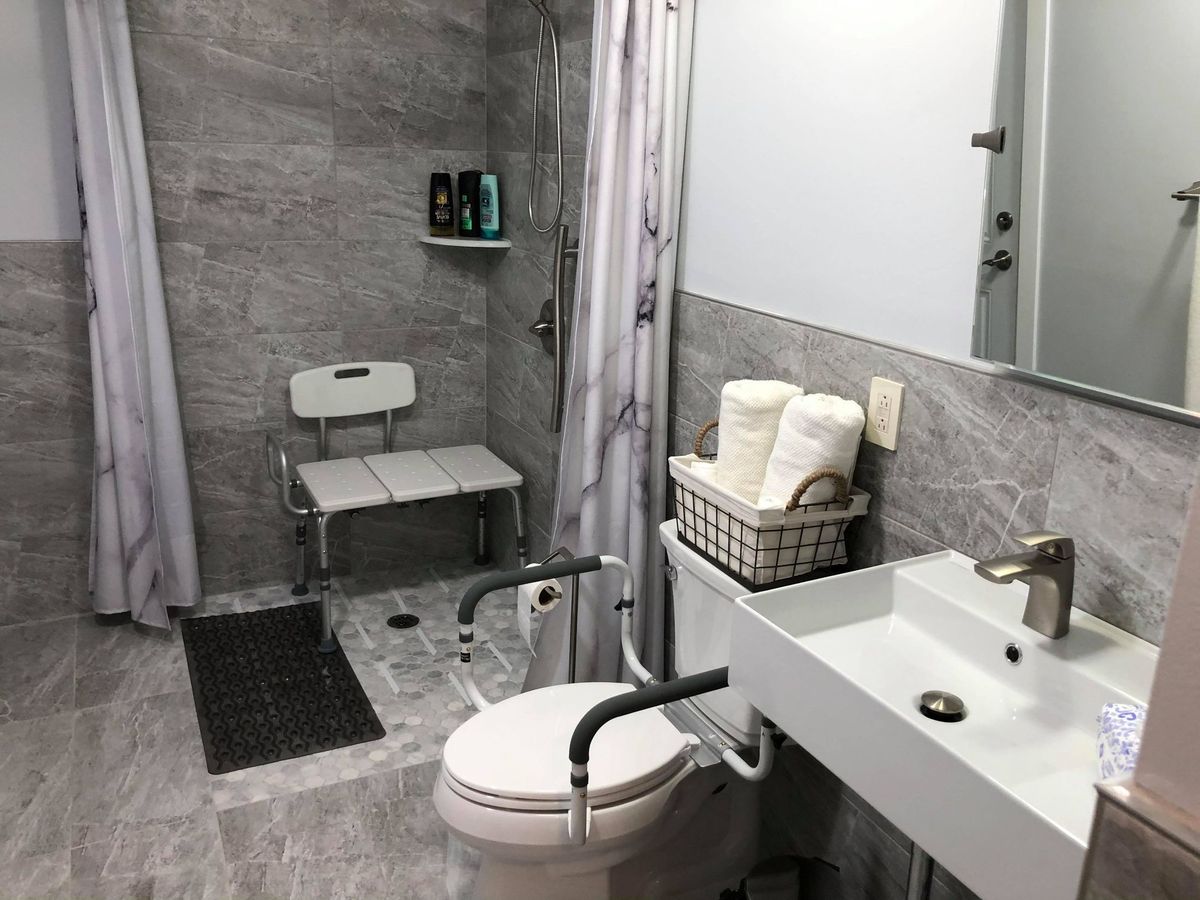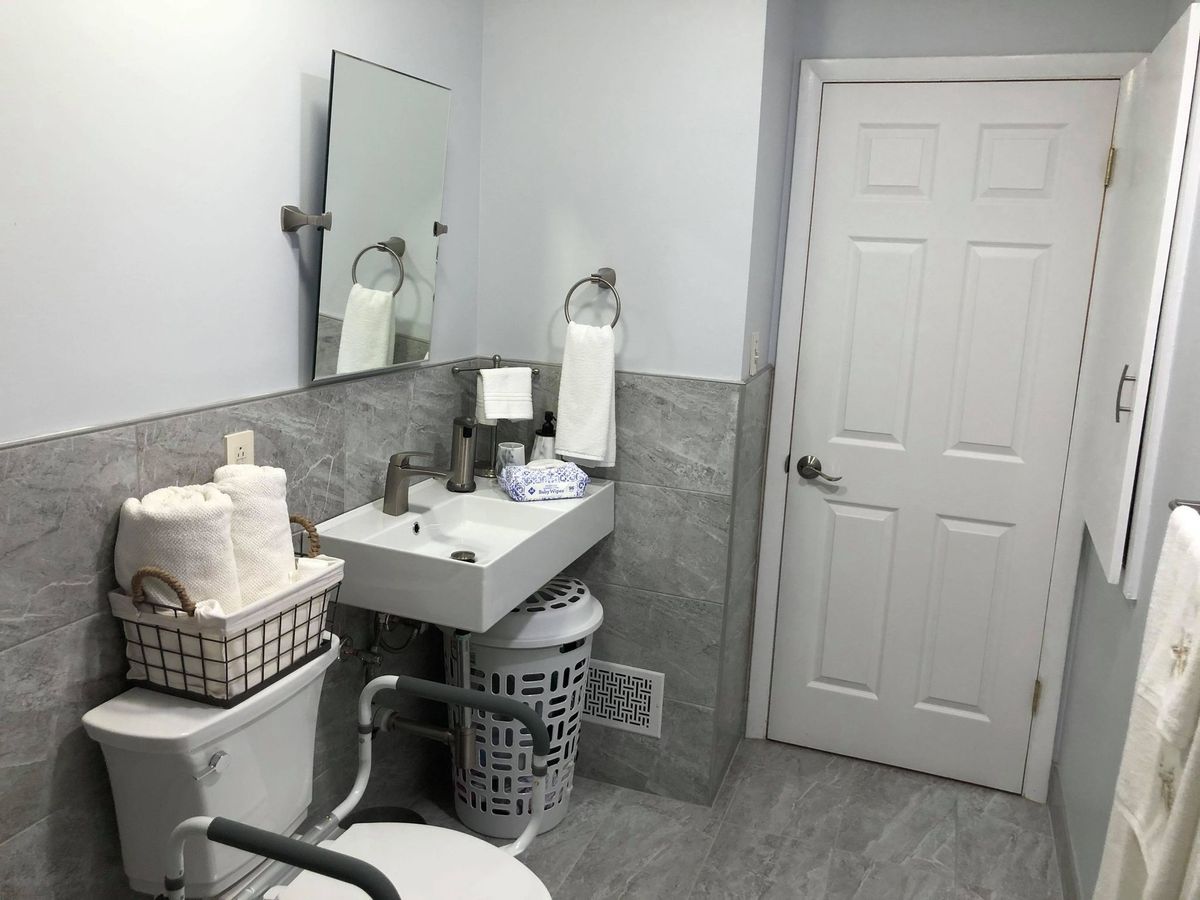
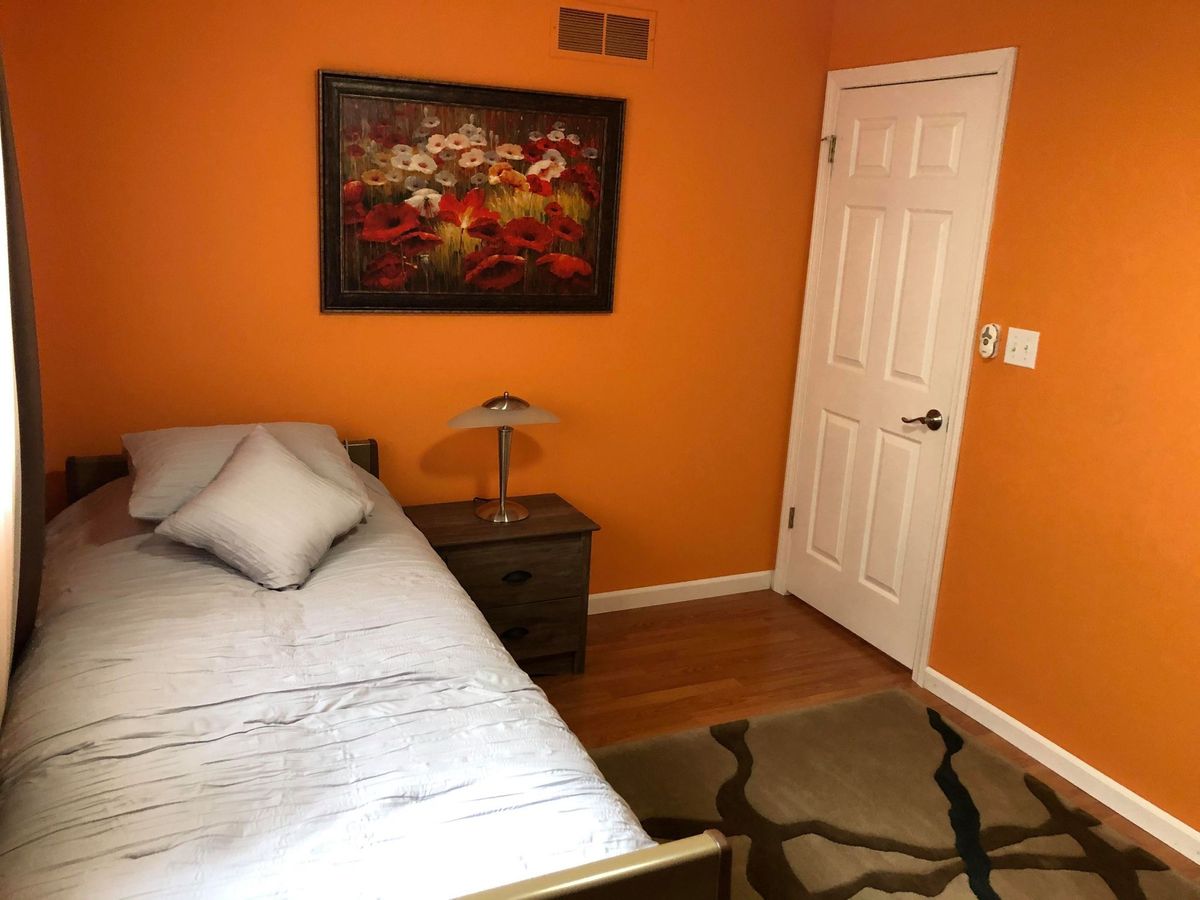
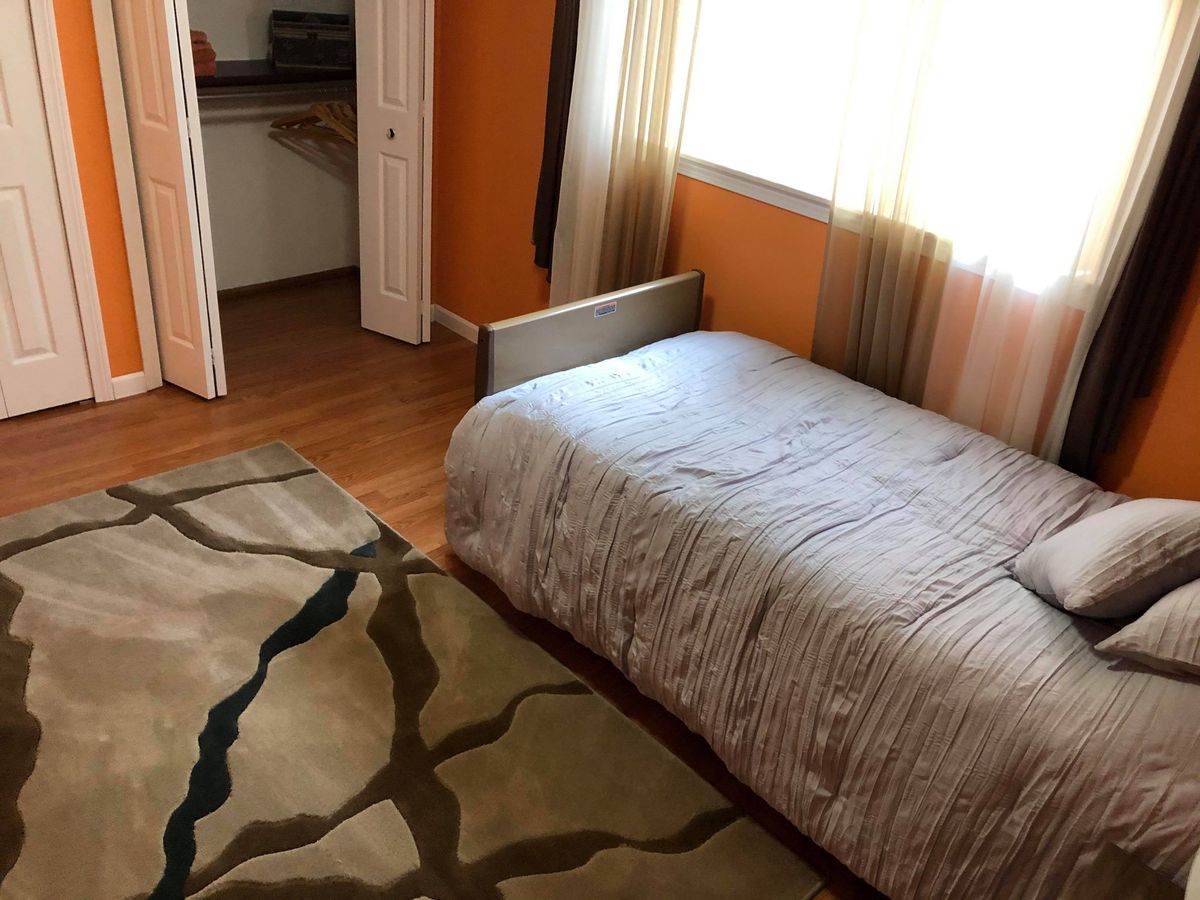
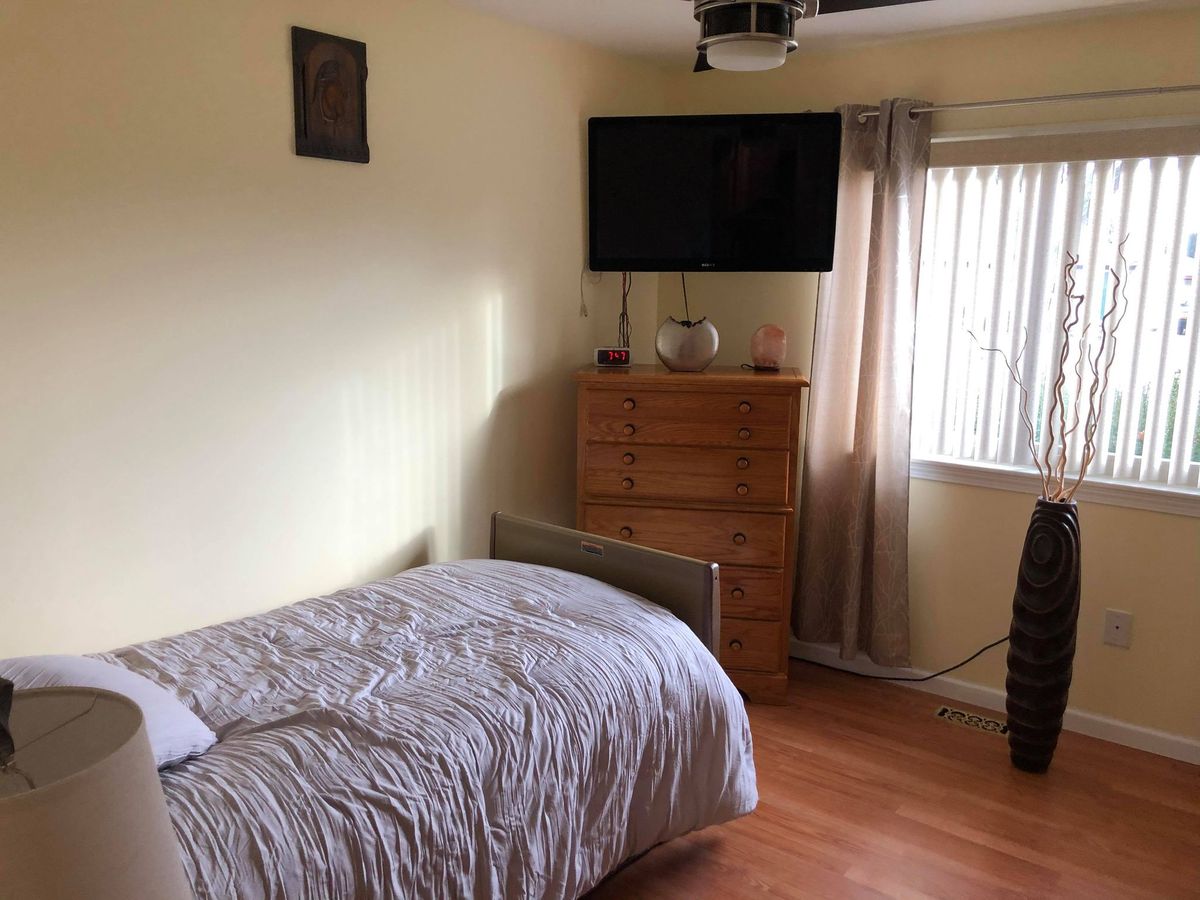
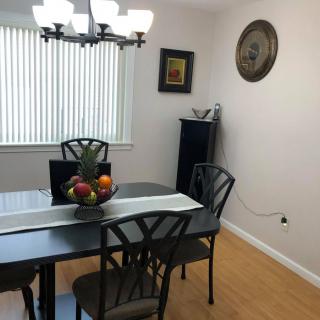
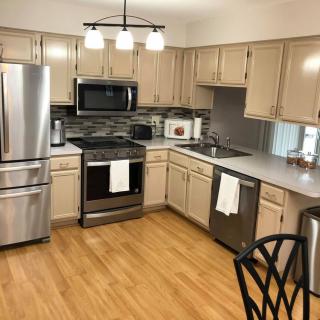
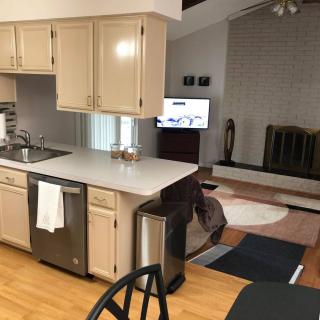
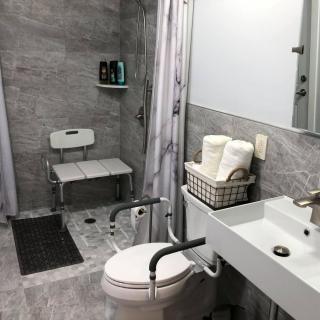
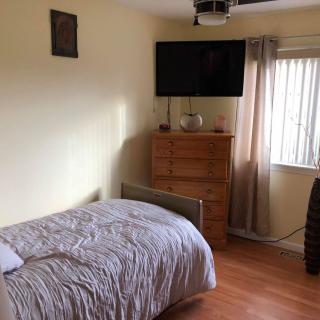
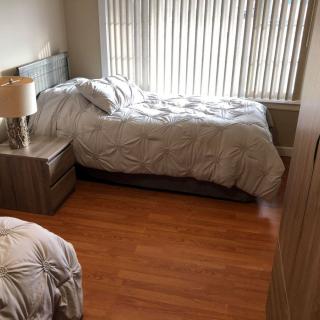
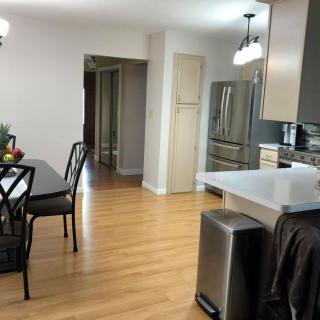
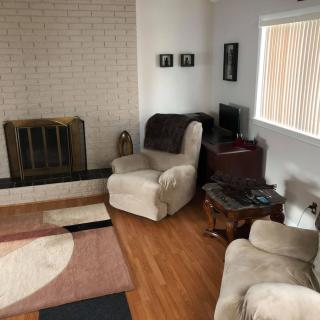

40329 Kristen Drive., Sterling Heights, MI 48310
For more information about senior living options: (866) 208-4318
EDA Home Care Costs & Pricing
At EDA Home Care, the monthly cost for a private room is set at $3,500, which positions it competitively within both Macomb County and the broader Michigan market. In comparison, the average rate in Macomb County is slightly higher at $3,567, while the statewide average reaches $3,675. This pricing strategy not only reflects EDA Home Care's commitment to providing high-quality care but also offers residents an economically attractive option without compromising on comfort or services. As families evaluate their options for home care facilities, EDA Home Care stands out by delivering value that is aligned with regional trends yet remains more accessible in terms of cost.
| Floor plans | EDA Home Care | Macomb County | Michigan |
|---|---|---|---|
| Private | $3,500 | $3,567 | $3,674 |
Assisted Living communities with a similar price nearby
-
from -$500 / mo
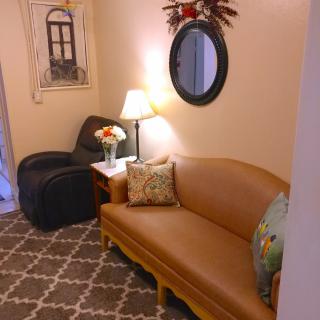
Hutcheson Manor
$3,000 to $4,500 / month16.8 miles away -
from +$300 / mo
Silverbell Manor
$3,800 / month12.2 miles away -
from -$300 / mo
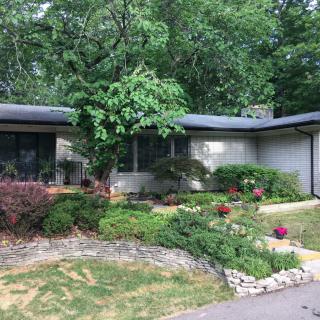
Vicky's Place
$3,200 to $6,000 / month14.5 miles away -
from +$500 / mo
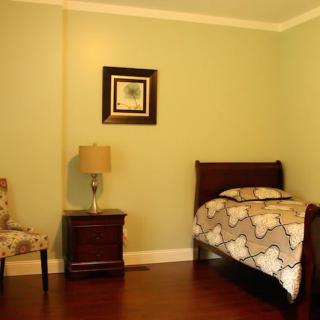
Oakland View Senior Living
$4,000 to $5,000 / month14.1 miles away -
About the same

Pineview Manor
$3,600 / month16.1 miles away
Overall Review of EDA Home Care
Pros
 They were very pleased with the home care facility.
- The home is clean, very nice, and more personal than large facilities.
- Emma, Dan, and Alex are qualified, efficient, and caring.
- Visiting medical professionals are provided as needed.
- They were very helpful with dentist appointments and other needs.
- The staff deliver professional, personal care.
- EDA goes above and beyond with care, medical support, communication, and emotional support.
- They would highly recommend the facility.
Cons
 A wrong phone number was listed on the line.
- The state regulator found the forms were incomplete and the number provided by the business was incorrect.
- They said the patient was no longer staying there.
- An unaffiliated person called the reviewer a liar.
Review
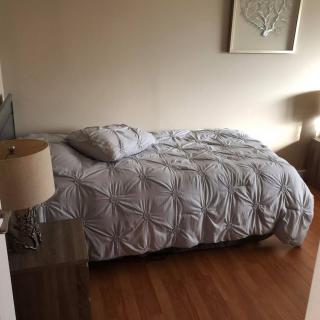
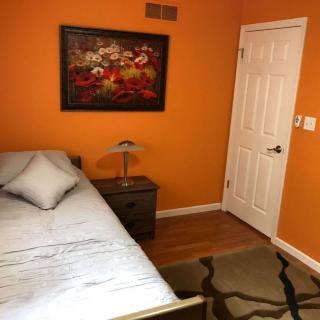
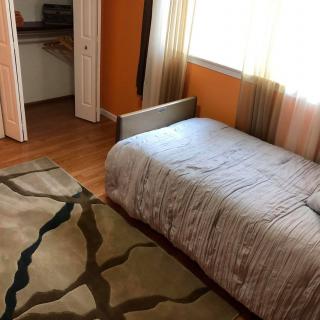
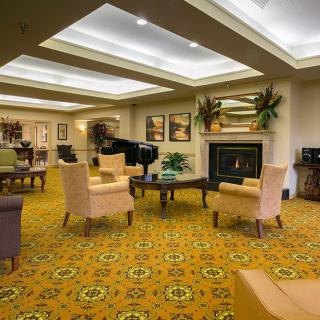
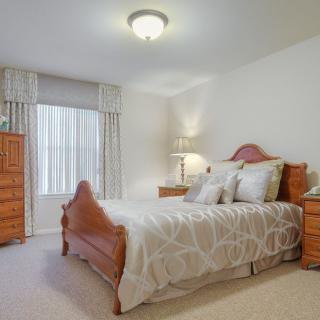
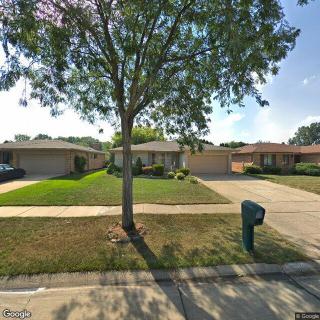
EDA Home Care in Sterling Heights, MI is best suited for seniors who want a small, home-like setting where care feels personal, attentive, and highly coordinated. This community excels for older adults who need assisted living support but who value daily life conducted in a private, neighborhood-style home rather than a large campus. It works especially well for families seeking steady, proactive communication, hands-on caregiver engagement, and a provider that coordinates medical appointments and professionals without forcing the elder into a formal clinic routine.
Those who may want to consider alternatives include families looking for a campus-style atmosphere with robust on-site programming, stricter 24/7 nursing coverage, or memory-care specific services. If a senior requires very intensive medical supervision around the clock, a bigger facility with specialized memory care options may be more appropriate. Similarly, households seeking sprawling amenities, structured activity schedules, or a broader, more clinical setting might prefer other communities with those capabilities.
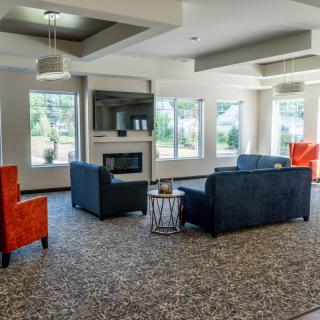
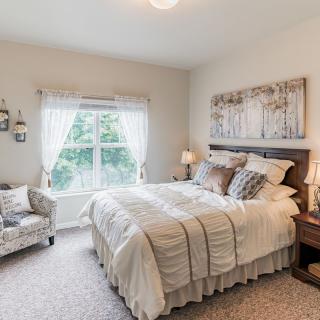
The strongest positives here are the small-house feel, the cleanliness, and the clearly passionate care team. The staff, notably Emma, Dan, and Alex, are described as qualified, efficient, and genuinely caring, delivering professional, personalized care that feels consistently attentive rather than perfunctory. The home’s intimate size translates into frequent, meaningful interactions and a sense of continuity for residents. Cleanliness is repeatedly highlighted, underscoring a safe, comfortable living environment that minimizes the stress families feel when entrusting a loved one to care.
Another major advantage is the facility’s medical support model. Fully licensed staff provide on-site care, and visiting medical professionals are brought in as needed. This arrangement reduces the burden of arranging outside appointments for routine care, while still preserving access to clinicians who can address adjustments in medication, mobility, or everyday health needs. Strong communication is a recurring thread, families report that staff keep lines open, explain care plans, and coordinate with external providers, which is a critical relief for caregivers managing multiple appointments and transport logistics.
When weighing risks and trade-offs, the key conundrum is the scale of the operation. The home-care setting means fewer on-site amenities than larger assisted-living campuses and a leaner menu of structured programming. For some families, this translates into a preference for more deliberate social activities or specialized dementia programming that a bigger facility might provide. Yet the personal attention and rapid responsiveness often offset these gaps; the care team’s willingness to go above and beyond, assisting with dentist visits, coordinating with doctors, and offering emotional support, tends to compensate for the absence of institutional breadth. A single outlier online critique exists but does not reflect the typical experience described by families who rely on the home’s intimate, adaptive approach; the emphasis here remains on reliable care, steady communication, and dependable medical coordination.
Ultimately, this community makes the most sense for families prioritizing intimate, adaptable care, strong caregiver relationships, and clear, ongoing communication. It is a practical choice for seniors who do not require a sprawling campus or intense memory-care programming, but who value a clean, well-run home with capable licensed staff and ready access to visiting clinicians. For those who insist on extensive on-site programming or uniform 24/7 medical staffing, explore alternatives. A direct visit and candid conversations with the care team will reveal whether the home’s personalized model aligns with the resident’s needs, preferences, and family goals.
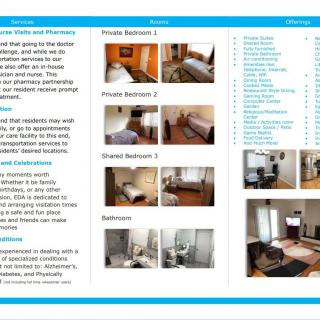
 4 resident community capacity
 Assisted Living
 Board and Care Home
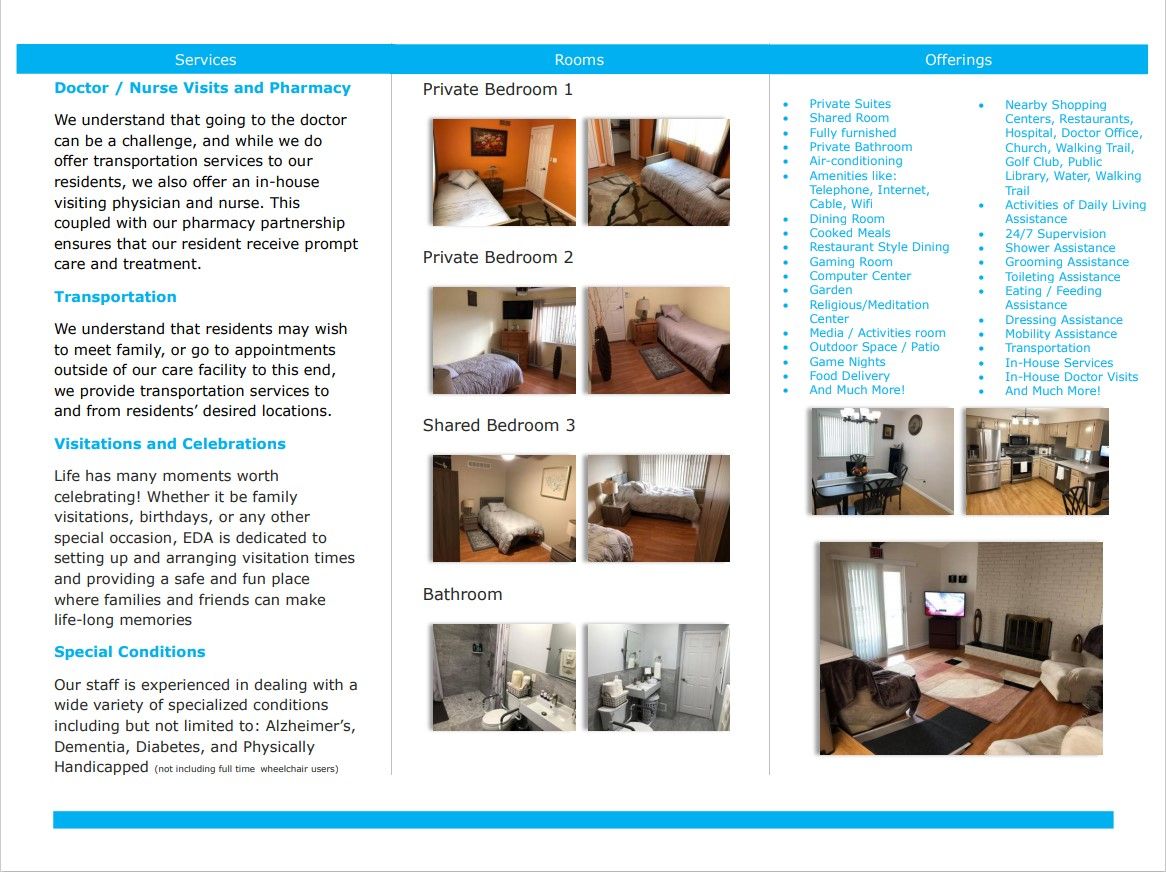
 Air-conditioning
 Cable or satellite TV
 Cafe
Cafe Computer center
 Continuing learning programs
 Dining room
 Fully furnished
 Gaming room
 Garden
 Housekeeping services
 Located close to restaurants
 Located close to shopping centers
 Move-in coordination
 Organic food and ingredients
 Outdoor patio
 Outdoor space
 Pet friendly
 Private bathrooms
 Religious/meditation center
 Swimming pool
 Telephone
 Wellness center
 Wi-Fi/high-speed internet available
 Community operated transportation
 24-hour call system
 Accept incoming residents on hospice
 Activities of daily living assistance
 Administer insulin injections
 Assistance with bathing
 Assistance with dressing
 Assistance with transfers
 Care with behavioral issues
 Diabetes diet
 Medication management
 Mental wellness program
 Physical therapy
 Preventative health screenings
 Respite program
 Same day assessments
 Special dietary restrictions
 Transportation arrangement (medical)
 Concierge services
 Planned day trips
 Funding and Affording Assisted Living: A Thorough Overview
 Assisted Living Expenses and Long-Term Care Insurance: A Comprehensive Exploration
 Securing Financial Support for Assisted Living: A Comprehensive Overview