
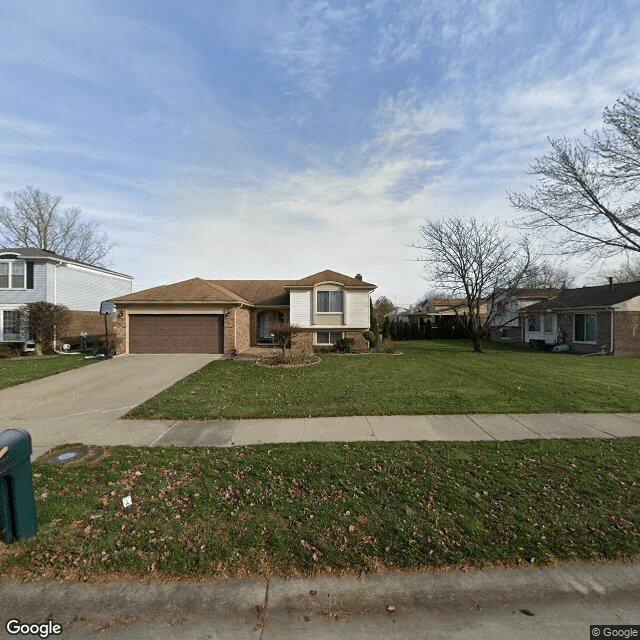
36630 Carriage Dr, Sterling Heights, MI 48310
To contact a resident: (810) 978-1670
For more information about senior living options: (866) 208-4318
Overall Review of Bentley Adult Foster Care Home
Pros
 Serenity Homes in Sterling Heights provides total tranquility for visitors and reassurance that it is the right place for their loved one.
- The staff and owners are professional and loving, treating residents with kindness and dignity.
- The caregivers treat residents like family with dignity and respect.
- The home is well kept and clean, creating a soothing environment.
- The staff go above and beyond to make residents comfortable and engaged.
- Families describe Serenity Homes as a safe, caring environment and a real blessing.
- The owners Nimmy and Soniya are helpful and caring, making working with them a great experience.
- Serenity Homes earns high recommendations from families for their loved ones.
Review
Bentley Adult Foster Care Home in Sterling Heights is best suited for families seeking a warm, home-like environment where care feels personal, dignified, and deeply attentive. The model tipped by the reviews points to a small, intimate setting where staff treat residents as if they were family, with consistent kindness, calm routines, and a sense of safety. This is the kind of place where daily care, meals, and activities are anchored in relationships, not rigid protocols, and where families can sense that their loved one is known, cared for, and quietly engaged throughout the day.
Those who should consider alternatives are clear. If primary needs center on high-acuity medical oversight, specialized memory-care programming, or a large, highly structured community with extensive on-site clinical resources, a bigger facility may be more appropriate. Families prioritizing aggressive rehabilitation services, broad social programming across multiple campuses, or predictable access to a wide slate of therapists and clinicians may find more fit elsewhere. For couples or individuals who require stronger clinical intensity or more privacy options than a small home can offer, exploring other options is prudent.
The strongest positives in this setting are the staff ethos and the patient, family-like atmosphere. Reviews repeatedly describe staff who are professional, loving, and genuinely engaged in residents’ well-being. Residents are said to be treated with dignity and respect, with care that feels personalized rather than transactional. The home-like ambiance, cleanliness, a quiet rhythm to days, and a sense that caregivers know each resident’s preferences, translates into reassurance for families. In many cases, owners or managers are cited as a stabilizing, hands-on presence, which translates into consistent communication, proactive problem-solving, and a clear plan of care that families can follow with confidence.
Yet the model comes with natural trade-offs. A smaller, Foster Care-style setting typically cannot replicate the breadth of services offered by larger assisted living communities. The reviews imply a culture built on intimately attentive care rather than expansive clinical networks, which means families should verify the level of medical oversight, medication management, and access to therapy services on site. There may be fewer available amenities, structured programs, or specialized units (for example, dedicated memory care) than in more expansive complexes. For some, the trade-off is worth the warmth and dignity; for others, it is a meaningful gap to address before moving in.
Those trade-offs are precisely where the pros offset the cons. The core advantage, the sense that residents are cherished, known, and safely supervised, often reduces family stress more than any glossy brochure. The strong relational model can lead to higher daily engagement, better communication about changes in health, and quicker adjustment to new routines. When staff know a resident’s preferences, dietary needs, and sleep patterns, care plans tend to be coherent and consistent, which can lower hospitalizations and confusion for residents. In other words, the emotional and relational dividends of a homey, attentive environment can compensate for a smaller service footprint if medical acuity remains within what the home routinely manages.
For families evaluating this option, use a disciplined check-in during tours and trial visits. Confirm staffing ratios and the presence of licensed nursing coverage, especially for medications and routine assessments. Ask how care plans are developed and updated, and who leads the plan review with families. Inspect meals and daily activities to gauge genuine engagement, not just appearance. Probe how communications are handled: how often updates are provided, how concerns are escalated, and whether families can participate in care planning. Finally, request recent references and observe how transitions, such as a new admission or a late-day change in routine, are managed, because consistency matters.
Bottom line: this type of small, home-based care is an excellent fit for seniors who prize warmth, dignity, and deeply personalized attention, with a preference for a calm, family-like routine over the bustle of larger communities. It excels for couples and individuals who want to be known and nurtured in a safe, accommodating setting. Those who require robust, on-site medical specialization, high-acuity monitoring, or extensive therapeutic programming should consider alternatives that offer broader clinical capabilities and more expansive activity options. In short, for families seeking a trusted, intimate elder-care environment where staff treat residents as cherished members of the family, this option warrants serious consideration, and a rigorous on-site verification of medical support capabilities before making a commitment.
 Board and Care Home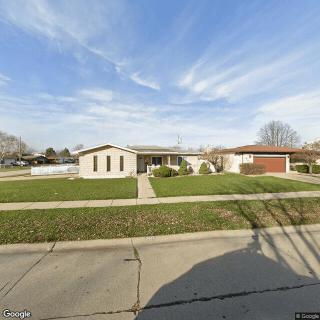




 Caring for Those Who Care: Recognizing, Understanding, and Overcoming Caregiver Burnout
 Caregiver Exhaustion: Recognizing the Signs and Restoring Your Well-Being
 Understanding Hospice Care at Home: Comprehensive Services, Key Benefits, and Eligibility