
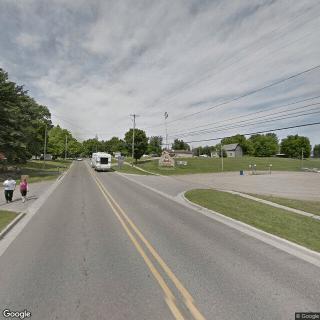
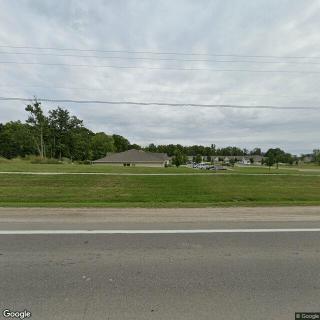
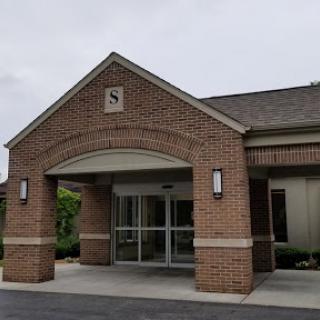
416 North Fifth Street, Shepherd, MI 48883
For more information about senior living options: (866) 208-4318
Overall Review of Shepherd Home
Pros
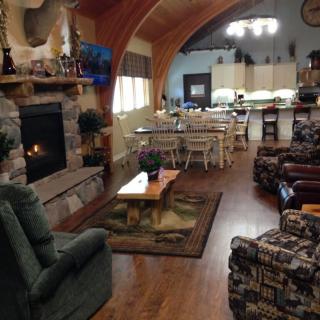
 Stone Lodge is a pleasant surprise; the facility is clean, the food is good, and residents are well cared for.
- Stone Lodge is a nice place where the staff shows support and care for each resident.
- Stone Lodge is a great facility with compassionate staff and an amazing atmosphere.
- Stone Lodge is a wonderful place.
- Stone Lodge is a blessing; residents are loved and cared for as if they were their own family, with staff who are amazing, loving, and in tune with their moods and needs.
- Stone Lodge offers a cozy and loving atmosphere with experienced, caring staff.
Cons
 Her mom had a horrible experience at the assisted living facility she was first in.
- The reviewer used to sit in her car and cry when she had to leave her mom at the previous facility, indicating a distressing experience there.
Review
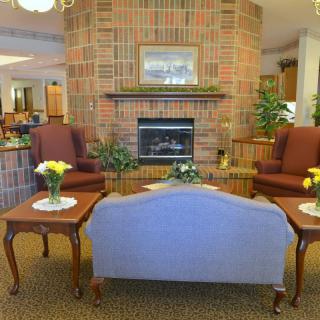
Best suited for seniors who prize a warm, home-like setting and a caregiving team that treats residents as extended family. The reviews consistently describe a clean, well-maintained environment with solid meals and, more importantly, staff who are genuinely attentive. Residents appear to be known by name, moods acknowledged, and daily life structured around comfort rather than clinical distance. The atmosphere is repeatedly characterized as welcoming, the kind of place where family members leave with the sense that their loved one has arrived somewhere that feels like home. For families seeking emotional security and daily life infused with warmth, this community stands out as a top pick.
By contrast, those whose priorities include high-acuity medical oversight, rigorous memory-care programming, or transparent, pay-for-services budgeting may want to compare alternatives. The reviews spotlight relational care, not clinical intensity, and there is little mention of strong on-site medical capabilities, transfer protocols, or specialized cognitive-care regimens. For residents who require hospital-level supervision or have complex medical regimens, other communities with explicit clinical tracks may better match expectations. Similarly, families focused on cost transparency or more aggressive activity schedules may want to widen the field to ensure alignment with financial and programming needs.
The core pros, cleanliness, good food, compassionate, intuitive staff, and a home-like atmosphere, materially offset most concerns families commonly have. When care teams demonstrate consistent warmth and an environment that feels like a secure daily routine, residents tend to show improved mood, reduced agitation, and more meaningful engagement. The most compelling evidence is experiential: families arrive with worries and depart reassured, confident that loved ones are loved and attended to. The relative absence of explicit downsides in the captured feedback suggests these strengths are not minor quirks but defining characteristics. Still, the absence of explicit information on price and memory-specific capabilities means those evaluating this option should verify practical details directly.
Decision-making should hinge on alignment between needs and the revealed strengths. If a resident thrives when staff know preferences, honor routines, and respond quickly to mood shifts, this setting delivers. Prospective families should verify the cadence of engagement: how meals are managed, how activity planning integrates with cognitive or memory-care needs, and how visits are welcomed into the daily flow. Observing staff–resident interactions during tours can confirm the level of attentiveness that the reviews describe, ensuring that the intended warmth translates into everyday safety and companionship rather than surface friendliness.
Location and size matter for ongoing peace of mind. In a smaller Michigan community, the setting likely affords easier visits, a quieter pace, and tighter-knit routines, factors that amplify the home-forward ethos reflected in the feedback. For families, that translates into predictable days, visible staff presence, and opportunities for meaningful involvement without the impersonality sometimes found on larger campuses. However, rural locales may pose trade-offs in medical resources, transport options, and specialist access, so verify transportation, emergency protocols, and partnerships with local providers for continuity of care.
Overall, the reviews point to a setting that excels where relational care and emotional security are the primary goals. For families prioritizing warmth, consistent staff investment, and a sense of belonging, this option is a compelling choice. Those who must meet higher medical acuity, tighter cost constraints, or require advanced memory-care structures should compare alternatives with explicit clinical capabilities and transparent pricing. In the right matchup, this home-like environment offers a reassuring blend of comfort and caregiving that can make a difficult transition smoother and more confident for both resident and family.
 6 resident community capacity
 Assisted Living
 Cable or satellite TV
 Dining room
 Fully furnished
 Garden
 Housekeeping services
 Move-in coordination
 Outdoor space
 Telephone
 Wi-Fi/high-speed internet available
 24-hour supervision
 Activities of daily living assistance
 Assistance with bathing
 Assistance with dressing
 Assistance with transfers
 Diabetes diet
 Meal preparation and service
 Medication management
 Special dietary restrictions
 Transportation arrangement (medical)
 Transportation to doctors appointments
 Securing Financial Support for Assisted Living: A Comprehensive Overview
 Social Security Benefits and Assisted Living: Navigating Options Across the U.S.
 An Extensive Exploration of the VA Aid and Attendance Benefit