
1739 North Woodbridge Street., Saginaw, MI 48602
For more information about senior living options: (866) 208-4318
Overall Review of Creative Care Adult Foster Care Home I
Pros
 The facility has a very warm, caring atmosphere.
- It is excellently run.
- It is a very family-friendly home that treats residents like family.
- The staff are devoted to residents' care, health, and daily life.
- They ensure a high quality of living with respect.
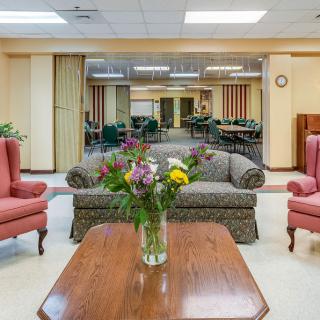
- The rooms are big, nicely decorated, with plenty of space.
- Meals are cooked and prepared with plans and dedication.
- The fenced yard is cozy and a great place to sit in the summer.
Review
Creative Care Adult Foster Care Home I in Saginaw is best suited for seniors who want a warm, home-like setting where care feels personal and attentive. This community thrives on a family-oriented approach: residents are treated as if part of a close-knit household, with staff who are visibly devoted to daily life, health, and well-being. The environment leans into comfort and privacy, featuring spacious rooms, thoughtful décor, and an uncluttered feel that prevents crowding. Meals are prepared with care and planning, reinforcing the sense that daily living is both nutritious and enjoyable. The fenced yard and casual access to nearby downtown amenities offer a practical, pleasant lifestyle for residents who value ease of errands and outdoor time.
That said, certain realities should steer families toward alternatives. The most relevant consideration is the level of medical oversight and specialty care available on site. For residents with significant medical needs, complex medication regimens, or requiring continuous nursing supervision, a larger assisted living facility or a memory-care-focused community with dedicated nursing staff may be a safer fit. Likewise, if a resident benefits from structured memory-programming, highly specialized dementia support, or a broader spectrum of on-site therapies, a larger campus could provide more options. For those prioritizing extensive social programming across a day with a wider array of activities, a bigger community might deliver more variety.
The strongest positives, an intimate, well-run operation and a clearly family-friendly ethos, materially offset the limitations inherent in a smaller setting. The staff’s commitment to care translates into consistent attentiveness, respectful interaction, and a daily rhythm centered on comfort and dignity. The spacious, well-kept rooms reduce the sense of confinement, while the well-planned meals reinforce routine and nutrition without feeling rigid. The yard adds a simple, restorative outdoor option, and the proximity to downtown amenities makes shopping or easy strolls feasible without long drives. In practical terms, these elements combine to create a living experience that prioritizes personal connection, predictable routines, and a serene daily environment.
However, the small scale can translate into fewer formal services than residents might expect at larger communities. While “family-like” care is a genuine asset, it can also mean less access to a broad cadre of on-site specialists, fewer recurring group activities, and a lighter calendar of structured programs. For some families, this translates into a preference for a more purpose-built facility with a wider array of therapies and social outlets. The trade-off is clear: greater individualized attention and homey comfort versus a broader institutional footprint and more diverse social programming. Weighing these factors helps identify the right fit for whether independence, quiet daily life, and personalized care are the priority.
When evaluating this community, prospective families should focus on concrete, practical questions during tours and discussions. How many staff members are typically on site per shift, and what is the staff turnover rate? What exact medical supports are available on site, including medication management and access to on-call nursing or physician visits? How does the daily schedule balance personal time, meals, and activities, and what options exist for residents with mobility limitations or sensory needs? Inquire about transportation arrangements for errands or appointments, and ask to see sample meal plans and dining routines to verify flexibility for dietary restrictions. Finally, observe how engaged residents appear with caregivers and how family involvement is encouraged, because the strongest indicator of quality in an intimate setting is the ongoing warmth and responsiveness of the team.
Bottom line: this community is a standout choice for families seeking a genuinely warm, homey living environment with generous personal space and a respectful, attentive staff. It excels for residents who thrive on routine, meaningful meals, and a yard-side lifestyle, all within a short walk to downtown conveniences. It is less ideally suited for those who require robust on-site medical supervision, highly structured memory-care programming, or a wide menu of on-site therapies and large-scale social events. For families weighing options, a careful visit, with explicit questions about care level, staffing, and available medical supports, will reveal whether Creative Care Adult Foster Care Home I aligns with the resident’s care needs and the family’s expectations. A tour will confirm whether the intimate, familial approach matches the desired balance of comfort, dignity, and practical support.
 6 resident community capacity
 Assisted Living
 Cable or satellite TV
 Dining room
 Fully furnished
 Garden
 Housekeeping services
 Move-in coordination
 Outdoor space
 Telephone
 Wi-Fi/high-speed internet available
 Mbs International (9 miles away)
 24-hour supervision
 Activities of daily living assistance
 Assistance with bathing
 Assistance with dressing
 Assistance with transfers
 Diabetes diet
 Meal preparation and service
 Medication management
 Special dietary restrictions
 Transportation arrangement (medical)
 Transportation to doctors appointments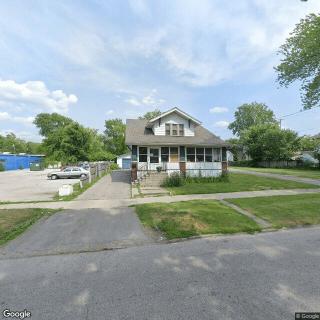



 Beyond the Bingo Hall: 50+ Enriching Activities for Seniors in Assisted Living
 Understanding the Distinctions: Assisted Living and Memory Care Explained
 Guiding Elderly Parents Who Refuse Assisted Living: 6 Practical Steps