
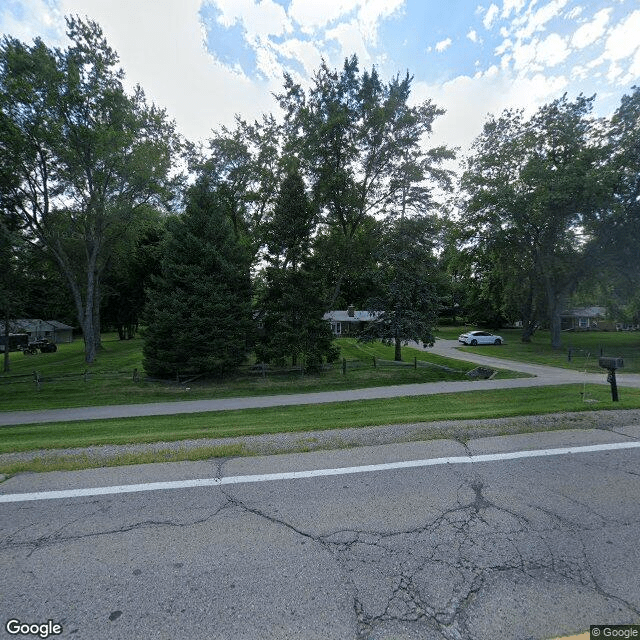
1656 Crooks Road, Rochester Hills, MI 48309
For more information about senior living options: (866) 208-4318
Sunflower Senior Care Costs & Pricing
Sunflower Senior Care offers competitive pricing for its services, albeit at a premium compared to the average costs in Oakland County and the broader state of Michigan. For semi-private rooms, residents can expect to pay $4,000 per month, which is significantly higher than the county's average of $3,204 and the state's average of $3,191. In terms of private accommodations, Sunflower's rates range from $5,000 to $6,340 monthly, again exceeding both local and state averages - $3,708 and $3,675 respectively. While these costs reflect a certain level of personalized care and service quality that Sunflower aims to uphold, potential residents should weigh these expenses against the comparative pricing models within the region when making their decision.
| Floor plans | Sunflower Senior Care | Oakland County | Michigan |
|---|---|---|---|
| Semi-Private | $4,000 | $3,204 | $3,189 |
| Private | $5,000 to $6,340 | $3,708 | $3,674 |
Assisted Living communities with a similar price nearby
-
from -$200 / mo
Silverbell Manor
$3,800 / month4.9 miles away -
About the same
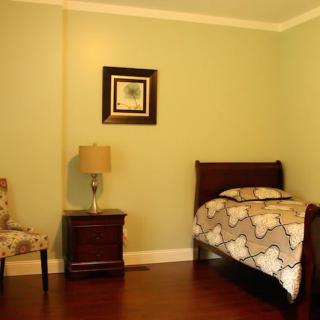
Oakland View Senior Living
$4,000 to $5,000 / month8.9 miles away -
from -$400 / mo
Pineview Manor
$3,600 / month8.5 miles away -
from -$505 / mo
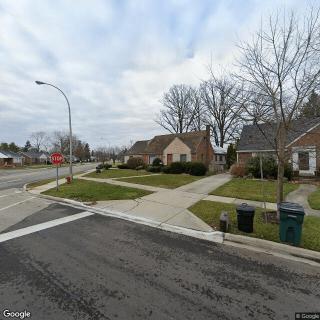
Christman Adult Foster Care Home
$3,495 to $6,395 / month10.9 miles away -
from -$500 / mo
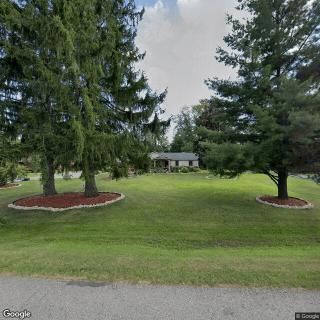
Briar Hill Assisted Living
$3,500 to $4,500 / month15.1 miles away
Overall Review of Sunflower Senior Care
Pros
 Sunflower Senior Care is a wonderful place for elderly parents.
- The staff made his stay safe and meaningful.
- The atmosphere is clean, quiet, loving, and homey.
- The staff were accommodating to the family around the clock.
- It was a comfort that his dad could stay there as he passed.
- The caregivers are knowledgeable in dealing with elderly patients and handle dementia with compassion.
- The owner and caregivers prioritize communication about health, and visitors feel welcome.
Review
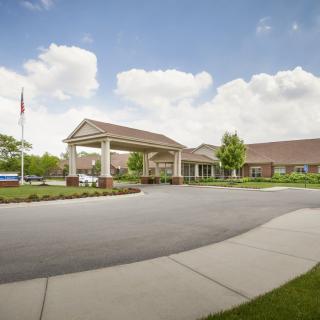
Sunflower Senior Care in Rochester Hills is best suited for families seeking a small, home-like residence that prioritizes warmth, safety, and highly personalized attention for elders who value dignity and a quiet daily life. It proves especially suitable for seniors navigating memory challenges or nearing end-of-life care, where the staff’s steady presence translates into meaningful daily moments and real peace of mind for families. The environment remains intimate enough to know residents and caregivers by name while still offering reliable routines, clean surroundings, and compassionate, hands-on care.
What stands out most are the heart-and-hands aspects: a true home atmosphere that feels calm and clean, with caregivers who come across as genuinely caring, patient, and attentive to daily comfort and safety. Staff knowledge about dementia is described as compassionate, and the team’s willingness to accommodate around-the-clock presence during hospice transitions provides undeniable reassurance. Meals earn praise, family visits are warmly welcomed, and communication with the owner and caregivers is consistently framed as a priority. This combination creates a dependable, low-stress experience for families that is hard to match in larger, more impersonal settings.
Still, a clear set of alternatives deserves consideration. For loved ones needing extensive on-site medical oversight, rehab programming, or a broad menu of therapies, a larger community with more on-site physicians and specialists may deliver superior convenience and breadth of services. Families seeking a program-dense calendar with varied activities across a big campus might find Sunflower’s intimate scale too limiting. Geographic convenience matters as well: Rochester Hills is ideal for nearby families, but those farther away may want to weigh options closer to kin or in locations with different service mixes.
Those trade-offs are strikingly mitigated by the core strengths. The small, home-like model generates unusually strong caregiver-resident connections, which translates into highly personalized attention, quicker responsiveness, and a more collaborative approach to care planning. The emphasis on safety, dignity, and meaningful end-of-life moments gives families confidence that the elder’s final chapter will be managed with respect and comfort. Open, consistent communication reduces uncertainty during transitions, so families feel informed and involved rather than surprised by changes in health status or care needs.
Prospective residents should still confirm practical details that aren’t spelled out in glowing testimonials. Night and weekend nursing coverage, on-site versus external medical services, and any limits on therapies or medications require direct confirmation. Pricing transparency, bed availability, and the process for transitions between levels of care should be clarified before arranging a move. With the strong emphasis on family communication, it is wise to establish expectations for how updates are delivered and who is the primary point of contact during critical health moments.
For families prioritizing a warm, dignified environment where elders are treated like family and hospice-ready care is readily integrated, Sunflower Senior Care stands out in the Rochester Hills market. The recommended next steps are a focused, in-person visit to observe caregiver interactions, meet the owner, sample a menu, and discuss dementia care protocols and emergency procedures. Bring questions about costs, residency options, and long-term plans to the table, and explore whether a trial period is possible. When the elder’s goals align with a small, compassionate community that prioritizes personalized care, clear communication, and a nurturing atmosphere, Sunflower Senior Care offers a compelling, practical path forward.
 6 resident community capacity
 Assisted Living
 Board and Care Home
 Activities on-site
 Air-conditioning
 Bath tubs
 Beautician on-site
 Cable or satellite TV
 Dining room
 Fully furnished
 Garden
 Housekeeping services
 Indoor common areas
 Move-in coordination
 Outdoor common areas
 Private
 Respite or short term stays offered
 Telephone
 Wheelchair accessible showers
 Wi-Fi/high-speed internet available
 24-hour supervision
 Ambulatory care
 Assistance with bathing
 Assistance with dressing
 Assistance with transfers
 Diabetes diet
 Diabetic care
 Incontinence care
 Meal preparation and service
 Medication management
 Special dietary restrictions
 Transportation arrangement (medical)
 Transportation to doctors appointments
 BBQs or picnics
 Birthday parties
 Live dance or theater performances
 Live musical performances

 Medicare Coverage for Assisted Living: An In-Depth Exploration
 Choosing the Right Senior Care: A Detailed Exploration of Assisted Living and Nursing Homes
 Understanding the True Cost of Assisted Living in 2025: A Comprehensive Guide