
2166 Kennedy Drive, Rochester Hills, MI 48309
For more information about senior living options: (866) 208-4318
Overall Review of Heritage Hills Care
Pros
 Families report a peaceful, caring environment at Heritage Hills that meets residents’ needs.
- Annie and Sergiu are described as compassionate, hands-on caregivers who treat residents like family.
- The home is praised as beautiful, clean, spacious, and welcoming, with residents loving the views.
- Caregivers engage residents with activities and shared meals, going beyond basic needs.
- Residents receive personalized, one-on-one attention and excellent, individualized care.
- Families gain peace of mind knowing loved ones are safe, well cared for, and protected.
- Heritage Hills is viewed as a benchmark in senior care, setting a standard beyond other facilities.
Cons
 The rehabilitation centers and hospitals had been a nightmare for both him and us.
- All of them felt as if my mother were just another patient to them.
Review
Heritage Hills Care in Rochester Hills is best suited for families seeking a warm, intimate, home-like environment where elderly loved ones receive highly personalized, hands-on attention around the clock. This community excels for residents who benefit from one-on-one engagement, a calm atmosphere, and care that feels more like family than facility living. It is particularly well-matched for seniors with dementia or memory challenges, for those needing hospice-style support in a comforting setting, and for couples who wish to remain together in a single, shared living space rather than being separated into different wings of a larger campus. The operators, Annie and Sergiu, live on site and lead a small, family-oriented team that makes every resident feel seen, heard, and cherished.
Those who may want to consider alternatives are clear: if the priority is a hospital-like floor plan with robust on-site medical teams, routine access to extensive rehabilitation services, or a wide calendar of campus-wide activities and outings, Heritage Hills may not satisfy every clinical or social need. Larger assisted living communities or dedicated memory-care campuses typically offer more formalized medical oversight, nurse availability, and a broader spectrum of therapies and transportation options. For residents with complex medical regimens that require someone on-site at all times or for families needing highly structured programming and predictable schedules, a bigger facility could be a better fit.
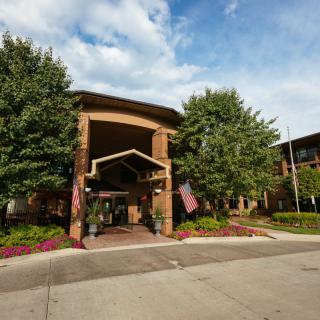
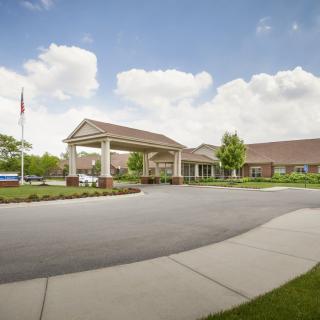
The strongest pro here is proximity to a true caregiving ethos that translates into tangible daily benefits. Residents receive continuous, attentive care from hands-on caregivers who sit with them, talk with them, and participate in meaningful activities, often over meals, which are shared with staff as part of the family dynamic. The home itself functions as a sanctuary: spotless, spacious, and designed to feel like a welcoming residence rather than an institution. The ability to keep loved ones, sometimes even a spouse with different needs, together in a single home, with individualized attention that adapts to changing conditions, is a powerful offset to any limitations of a small-scale setting.
These advantages are echoed in the testimonials’ core themes: residents thrive under compassionate leadership from Annie and her family, and the care team provides personalized, compassionate attention that surpasses expectations set by larger facilities. Families repeatedly highlight the authenticity of the environment, homemade meals, meaningful conversation, and genuine engagement with residents. The environment supports a sense of safety and belonging, with features like handicap-accessible bathrooms, a deck for daily warmth and social activity, and a rhythm of care that centers the resident’s happiness and comfort. For many families, these factors translate into profound peace of mind during stressful transitions.
Where this model may fall short for some is the breadth of programming and the depth of medical resources found in larger campuses. While the home offers three family-style meals a day and abundant social interaction, there is less emphasis on institutional routines, scheduled transport, or on-site therapy suites. Families should plan for a more intimate, less clinical care environment, recognizing that the focus is on personalized attention and a nurturing atmosphere rather than a full-service medical campus. For residents whose needs demand aggressive medical interventions or constant nursing presence, alternative arrangements with stronger 24/7 clinical staffing would likely be more appropriate.
In practical terms, Heritage Hills is a compelling option for families prioritizing dignity, personal connection, and an almost “you’re part of the family” caregiving culture. It’s ideal when the goal is to reduce agitation, improve mood, and maintain a sense of home for seniors with dementia or hospice needs. It’s also a strong choice for couples or individuals who value continuous, intimate contact with caregivers and a steady, predictable routine grounded in warmth and respect. Those weighing other options should consider whether a larger community’s medical capabilities and broader activity spectrum align more closely with the resident’s current and anticipated needs. Ultimately, a visit to Heritage Hills will reveal whether the home’s deep humanity and hands-on approach align with the family’s priorities and the loved one’s quality-of-life goals.
 6 resident community capacity
 Assisted Living
 Cable or satellite TV
 Dining room
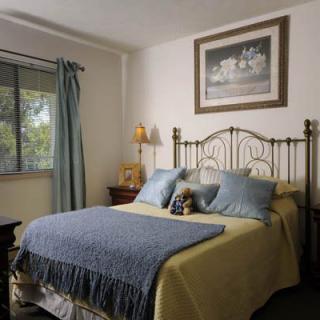
 Fully furnished
 Garden
 Housekeeping services
 Move-in coordination
 Outdoor space
 Telephone
 Wi-Fi/high-speed internet available
 24-hour supervision
 Activities of daily living assistance
 Assistance with bathing
 Assistance with dressing
 Assistance with transfers
 Diabetes diet
 Meal preparation and service
 Medication management
 Special dietary restrictions
 Transportation arrangement (medical)
 Transportation to doctors appointments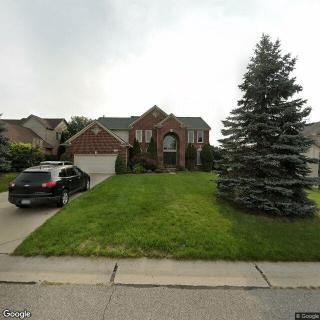


 Securing Financial Support for Assisted Living: A Comprehensive Overview
 Social Security Benefits and Assisted Living: Navigating Options Across the U.S.
 An Extensive Exploration of the VA Aid and Attendance Benefit