Staff members are described as attentive, respectful, and involved in day-to-day care.
Multiple reviews describe staff who are friendly and responsive, including keeping families updated and helping with visits during difficult circumstances. In hospice and memory care experiences, residents and families mention regular check-ins, cheerful aides, and care that feels personal rather than routine. Reviews also call out specific leadership involvement and staff members taking time to learn needs. A separate review does raise concerns about staff communication and follow-through, but the overall pattern is frequent praise for how staff treat residents.
common6 reviews mention this
Clean, well kept environment
Residents and families mention a clean, well-kept facility.
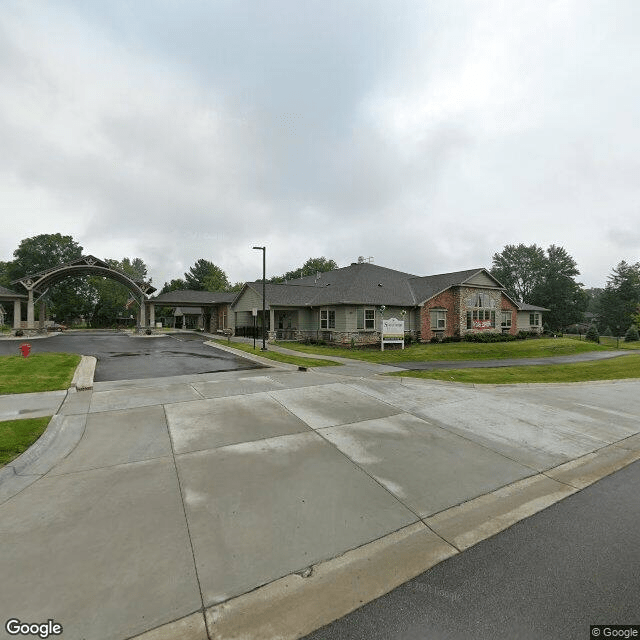
Reviews frequently mention cleanliness and a facility that feels maintained. One review specifically notes the home feels clean and welcoming during hospice. Others describe the building as well kept and clean, and several also mention an absence of unpleasant odors. Even with that praise, the overall set includes at least one concern tied to care communication, showing cleanliness alone doesn’t address every family worry.
common4 reviews mention this
Meals and dining feel considered
Dining receives praise for responsiveness to preferences and regular meal service.
Families mention cooks asking about dietary preferences, including during hospice, which suggests meal planning is taken seriously. Another review highlights having a well-regarded dining room, and a separate assisted-living review points to meals being part of the everyday support. Taken together, residents and families describe dining as more than basic scheduled meals.
caveat2 reviews mention this
Communication and care follow-through
A few reviews report gaps in promised care and communication with families.
Some families say the level of care they expected didn’t match what was promised after their loved one moved in. Another review describes a lack of communication when medication refusal occurred and notes they learned about the situation only after discharge and a medication report. These concerns center on follow-through and keeping families informed, rather than comfort with the facility itself.
How we summarize
Counts show how many written reviews mention each theme; a review can touch several themes, and only frequently mentioned themes are displayed.
Features
Housing
38 resident community capacity
Types of Care
Assisted Living
Amenities
Activities on-site
Beauty salon
Cable or satellite TV
Devotional services off-site
Dining room
Fully furnished
Garden
Housekeeping services
Indoor common areas
Kitchenette
Move-in coordination
Outdoor space
Restaurant-style dining
Small library
Telephone
Wi-Fi/high-speed internet available
Care Services
24-hour call system
24-hour supervision
Activities of daily living assistance
Ambulatory care
Assistance with bathing
Assistance with dressing
Assistance with transfers
Diabetes diet
Diabetic care
Meal preparation and service
Medication management
Mental wellness program
Special dietary restrictions
Dining
Diabetes diet
Meals provided
Special dietary restrictions
Activities
Activities on-site
Community-sponsored activities
Devotional activities offsite
Resident-run activities
Scheduled daily activities
Nearby Places of Interest
This area of Rochester Hills, Michigan offers a variety of amenities and services that cater to senior living. With several parks nearby, such as Bloomer Park and Stony Creek Nature Center, residents can enjoy outdoor activities and scenic views. There are also multiple dining options within close proximity, including Rochester Mills Beer Co. and Paint Creek Tavern. Additionally, there are reputable physicians' offices like Balian Eye Center and Summit Oral & Maxillofacial Surgery, as well as pharmacies like Walgreens and Rite Aid for convenient medical care. For leisure and entertainment, seniors can visit Emagine Rochester Hills or AMC Forum 3 theaters. Overall, this part of Rochester Hills provides a well-rounded environment for seniors looking for a comfortable and engaging community to call home.
The article compares assisted living and skilled nursing facilities, detailing their differing levels of assistance, medical support, cost structures, and day-to-day experiences. It emphasizes that assisted living is for those needing help with daily activities while maintaining independence, whereas skilled nursing facilities provide intensive medical care with 24-hour staff supervision.
The transition from assisted living to skilled nursing care is often prompted by complex medical needs that assisted living cannot meet, with key indicators including frequent health declines, increased falls, severe memory issues, and caregiver burnout. Families should recognize these signs early to discuss options with healthcare providers and prepare for the emotional and logistical aspects of moving to a facility that offers comprehensive medical support.
Vibrant Senior Living emphasizes active senior living communities that promote independence and engagement through diverse amenities and activities, fostering wellness and social interaction among older adults. These communities range from independent to assisted living, with a focus on personal growth, family involvement, financial planning, and leveraging technology to enhance residents' experiences.
Get PricingAsk A QuestionSchedule A TourContact Senior Advisor
By clicking submit, you agree to our Partner's Terms of Use. You
also consent to receive calls and texts, which may be autodialed, from our Partner. Your consent is not a condition to
using our Partner's service. Please visit our Partner's Privacy Policy for information about their privacy practices.

 38 resident community capacity
 Assisted Living
 Activities on-site
 Beauty salon
 Cable or satellite TV
 Devotional services off-site
 Dining room
 Fully furnished
 Garden
 Housekeeping services
 Indoor common areas
 Kitchenette
 Move-in coordination
 Outdoor space
 Restaurant-style dining
 Small library
 Telephone
 Wi-Fi/high-speed internet available
 24-hour call system
 Ambulatory care
 Assistance with bathing
 Assistance with dressing
 Assistance with transfers
 Diabetes diet
 Diabetic care
 Medication management
 Mental wellness program
 Special dietary restrictions
 Specialized memory care with 24/7 supervision and engaging activities



 Exploring the Contrasts Between Assisted Living and Skilled Nursing
 8 Key Indicators That Suggest It May Be Time to Transition from Assisted Living to Skilled Nursing Care
 Vibrant Senior Living: A Comprehensive Guide for Active Older Adults