
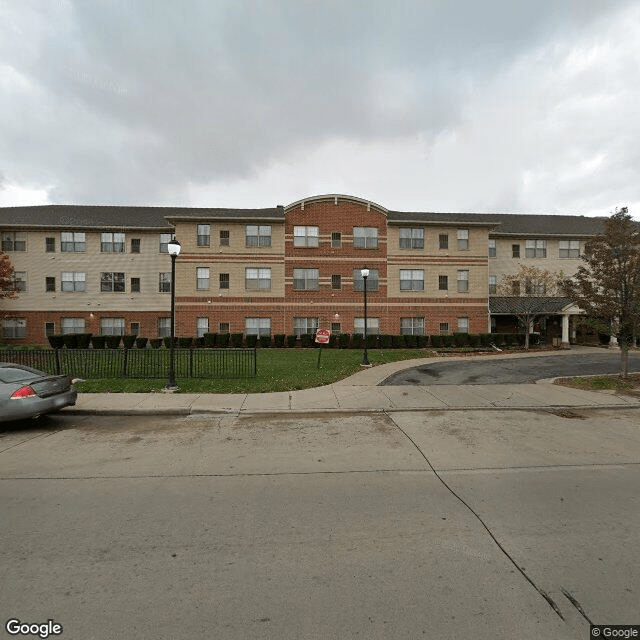
240 Visger Road, River Rouge, MI 48218
To contact a resident: (313) 357-2891
For more information about senior living options: (866) 208-4318
Sumby Senior Housing Costs & Pricing
Sumby Senior Housing offers an attractive monthly rate of $700 for a one-bedroom unit, significantly below the average costs observed in both Wayne County and the broader Michigan state. In comparison, residents in Wayne County face an average cost of approximately $3,210, while statewide figures reach around $3,384 per month for similar accommodations. This substantial difference not only highlights the affordability of Sumby Senior Housing but also makes it a compelling option for those seeking quality senior living without the financial strain typically associated with such facilities. The competitive pricing reflects Sumby's commitment to providing accessible housing solutions tailored to meet the needs of seniors in the community.
| Floor plans | Sumby Senior Housing | Wayne County | Michigan |
|---|---|---|---|
| 1 Bedroom | $700 | $3,210 | $3,384 |
Senior living communities with a similar price nearby
-
from +$100 / mo
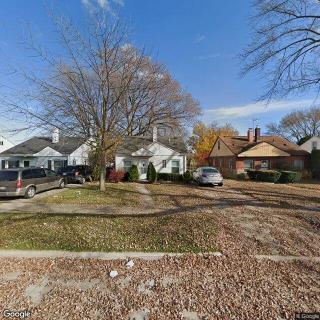
Affectionate Care 1
$800 / month17.9 miles away -
from +$100 / mo
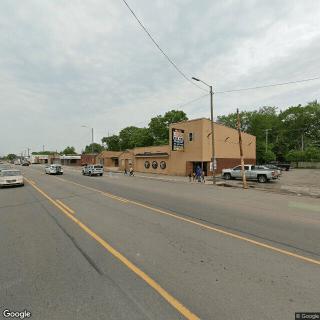
Royal Universal Boarding Facility
$800 / month14.7 miles away -
About the same
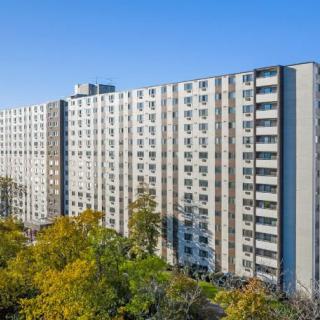
River Towers
$699 to $815 / month9.8 miles away -
from +$100 / mo
Affectionate Care 5
$800 / month23.1 miles away -
from +$85 / mo

Oxford Park Towers
$785 to $940 / month16.0 miles away
Overall Review of Sumby Senior Housing
Cons
 It is not a safe place for seniors.
- The carpets are filthy.
- There are people sleeping in the stairwell due to lack of security.
Review
Sumby Senior Housing in River Rouge, MI is best suited for seniors who want a simple, budget-minded living option and can manage daily routines with minimal on-site support. The community appears lean on services and amenities, offering a modest, no-frills environment rather than resort-style comfort. For residents who prize affordability and a straightforward layout over upscale finishes or expansive programming, Sumby can feel like a practical landing spot. Prospective movers should enter with clear expectations: maintenance and security are not framed as premium features here, but the price point may be compelling for households prioritizing cost containment over polish.
Those with significant safety concerns, mobility challenges, or cognitive impairment should seriously consider alternatives. This is not a setting designed for heavy caregiving or robust on-site supervision. Families seeking dependable security, consistent housekeeping, and active, hands-on staffing will want to compare other communities. Individuals who require regular monitoring, frequent assistance with daily activities, or secure, supervised access throughout the building will likely find Sumby inadequate to meet those needs.
The positive signals in the landscape, two five-star reviews among a small total, hint at elements some residents value: a basic, approachable environment, potential opportunities for neighborly interaction, and the appeal of a lower-cost option. Those implied advantages suggest a sense of affordability and practicality that can work well for people who do not demand extensive services. Yet the lack of detail about what those high ratings reflect means the positives remain ambiguous. In a decision focused on safety and predictable quality of life, these vague pros struggle to carry real weight against clear safety and maintenance concerns.
The most salient concerns revolve around cleanliness and security. A review highlights filthy carpets, an environment where dirt and wear can affect comfort and health, and a troubling note about non-residents sleeping in the stairwell due to insufficient security. Such conditions raise legitimate worries about falls, infections, and general well-being, especially for seniors with limited mobility or chronic health issues. The stairwell situation underscores gaps in supervision and access control, creating a sense of vulnerability that no amount of affordability can fully compensate for.
In weighing whether the pros offset the cons, the balance heavily tilts toward caution. The potential savings are meaningful, but the price paid in safety, hygiene, and peace of mind is not trivial. For families prioritizing stability, predictable routines, and a clean, secure core environment, Sumby’s drawbacks tend to overshadow its cost advantage. Conversely, for residents who are exceptionally budget-sensitive and comfortable navigating occasional maintenance gaps with minimal expectations for on-site care, there may be a narrow, situational rationale to consider it as a temporary stopgap.
Actionable next steps are clear for families evaluating options. Visit in person and observe daily operations: how quickly maintenance requests are addressed, whether common areas feel clean and welcoming, and whether security measures (lights, locks, monitored entry) appear adequate. Speak directly with current residents about their experiences with housekeeping, safety, and staff responsiveness. Request a written summary of incident reports and maintenance logs, and compare those details with nearby facilities that offer stronger staffing and more robust security. If safety, cleanliness, and reliable assistance are priorities, widen the search to communities with verified track records in those areas.
 Active Adult Communities (55+)
 Activities on-site
 Devotional services on-site
 Indoor common areas
 Outdoor common areas
 Detroit Metropolitan-Wayne County (11 miles away)
 Small, intimate assisted living with furnished suites, meals, housekeeping, and daily activities.
 Financing Long-Term Nursing Home Care Through Social Security: A Thorough Exploration
 Essential Knowledge on Pneumonia in Older Adults
 Exploring Palliative Care in the Home: A Comprehensive Overview