
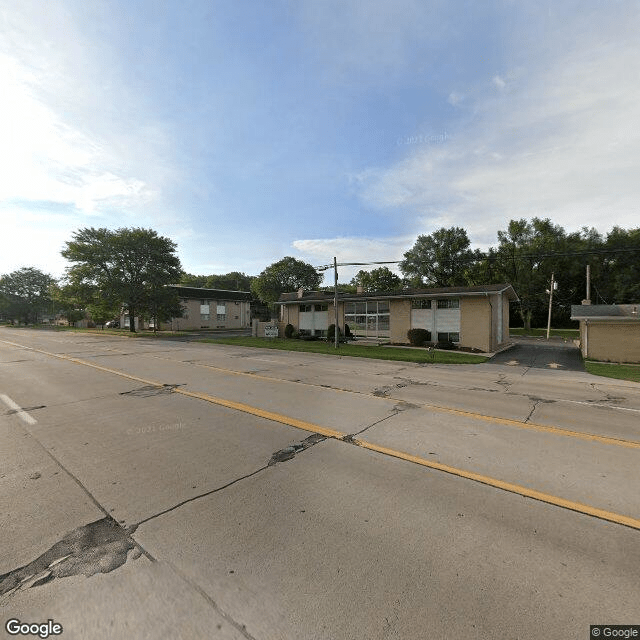
24755 West 5 Mile Road, Redford Township, MI 48239
To contact a resident: (248) 794-5065
For more information about senior living options: (866) 208-4318
Overall Review of Metro Detroit Allied Homecare Services
Pros
 They are a wonderful, caring company that goes above and beyond with professionalism and compassion.
- They take care of moms and provide 24-hour on-call agency staff.
- The care, follow-up, communication and responsiveness from Home Care Central are tremendous.
- They follow up monthly and were the only company to do so.
- They are easy to work with and very helpful.
- The staff at Home Care Central are extremely helpful, professional, competent and experienced; they are highly recommended.
- They take good care of loved ones.
- Clients love the staff.
- The service is amazing and professional, and the company is highly recommended.
- They take very good care of every person in their care; the staff are upbeat and respectful.
Review
Metro Detroit Allied Homecare Services in Redford Township is best suited for families seeking highly responsive, compassionate in-home care that allows a loved one to stay in a familiar setting. The model emphasizes professional, on-call support around the clock, strong caregiver engagement, and proactive communication with families. For seniors who value personalized attention, steady caregiver matching, and reassurance that help is available 24/7, this agency presents a compelling, purpose-built option. The emphasis on follow-through, monthly check-ins, thoughtful intake, and a culture of care, creates a reliable scaffolding for ongoing at-home support.
That said, a subset of families may want alternatives to this approach. If a loved one requires intensive, on-site medical oversight or a highly structured, facility-based environment with built-in programming, an assisted living or skilled-nursing option could prove more appropriate. The reviews acknowledge outstanding care and responsiveness, but they also point to the inherent trade-offs of homecare: less predictability than a dedicated campus, reliance on multiple caregivers rather than one consistent team, and ongoing questions about long-term affordability. Prospective clients should probe cost structures, caregiver assignment policies, and escalation procedures to ensure expectations line up with reality.
The strongest positives lie in the heart of the service delivery: professionalism, compassion, and readily available support. Families repeatedly highlight thorough follow-up, clear communication, and a sense that caregivers treat loved ones with real respect and dignity. The on-call availability stands out as a meaningful relief for relatives who must balance schedules and emergencies. Caregivers are described as competent, experienced, and attentive to individual needs, with a demonstrated willingness to tailor care plans, listen carefully, and engage clients as active participants in their own care. These elements, timely responsiveness, individualized attention, and a respectful care ethic, can turn a fragile moment into a manageable one for families.
However, the homecare model is not without potential friction. When care is provided primarily by agency staff on varying shifts, families should anticipate the need for active coordination to preserve continuity of care. Scheduling gaps or caregiver turnover can surface as a concern in any non-residential setting, and families must stay engaged to monitor alignment with evolving needs. Cost considerations also merit rigorous scrutiny, as ongoing in-home support can accumulate in ways that strain budgets. In short, the strengths of personalization and rapid responsiveness must be weighed against the realities of staffing dynamics and the financial trajectory of long-term homecare.
For decision-making, focus on two questions: Does the loved one’s situation warrant a homecare framework, or is there a better fit in a campus setting with round-the-clock on-site nursing and social programming? If homecare remains the choice, demand a clear, written care plan with caregiver-match criteria, back-up coverage details, and a defined escalation pathway. Require transparency on billing cycles, hourly rates, and any add-ons for specialized tasks. Insist on a structured intake and regular care-plan reviews, with a named coordinator who serves as the family liaison. This approach will maximize the benefits, quick responsiveness, compassionate care, and strong office support, while keeping potential downsides firmly in view.
In sum, Metro Detroit Allied Homecare Services offers a compelling option for families prioritizing close-to-home, highly responsive care delivered with genuine warmth and professionalism. It excels where proactive communication and personalized attention drive daily quality of life and peace of mind. For families whose loved ones require more intensive medical oversight or a more autonomous, campus-style living environment, exploring alternatives, especially local assisted living or skilled-nursing communities, will ensure a comprehensive comparison. The right choice will align care intensity, setting, and budget with the loved one’s goals and daily living preferences.
 Detroit Metropolitan-Wayne County (13 miles away)



 Comprehensive Exploration of Living Wills and Other Advance Directives
 A Detailed Exploration of Living Wills and Advance Directives
 Comprehensive Guide to Medicare Coverage for Hospice Care