

7884 Emery Rd, Portland, MI 48875
To contact a resident: (517) 647-4920
For more information about senior living options: (866) 208-4318
Overall Review of Country Living
Pros
 Absolute best assisted living home around!
- The home is immaculate inside and out and the residents care is above and beyond what I expected.
- They are like your own home and you can count on the best care possible, no matter what.
- The staff is amazing and so friendly.
- Very caring place with caring people.
Cons
 The staff were inexperienced and there was a lack of communication between shifts.
- They gave him additional morphine at 4:00am without informing the family.
- They found Dad deceased around 6:30am and never called Mom.
- When Mom called at 8:30am, staff repeatedly asked if Hospice had called her, implying poor communication.
- The reviewer condemns Courtney, stating “Shame on you, Courtney! Not any way to run a business!”
Review
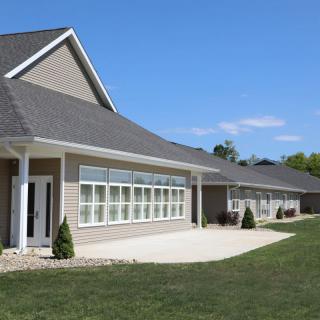
Country Living in Portland, MI is best suited for families seeking a warm, home-like setting where daily care feels personal and attentive. When staffing is cohesive and engaged, residents experience a level of affection and hands-on help that mirrors a private-home routine, with caregivers who appear genuinely connected to the people they serve. The environment shines in instances where the staff’s demeanor, tidiness, and daily rhythms align with what many families envision for a beloved parent or spouse: a peaceful, dignified routine, accessible assistance, and a sense that someone is looking out for small, everyday needs.
But this community is not a fit for everyone. Families that demand stringent medical oversight, highly structured 24/7 supervision, or formal clinical coordination should consider alternatives. One review highlights a serious breakdown in overnight communication and decision-making, including delayed family notification during a distressing time and questions about medication decisions. That kind of lapse raises red flags for households where rapid escalation, clear handoffs, and transparent, timely updates are non-negotiable. Prospective residents with complex, evolving medical needs may find safer fits elsewhere that emphasize nurse-led oversight and formal protocols.
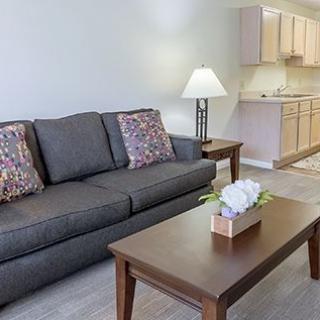
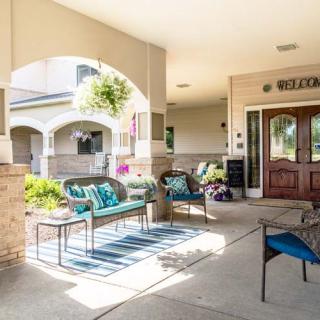
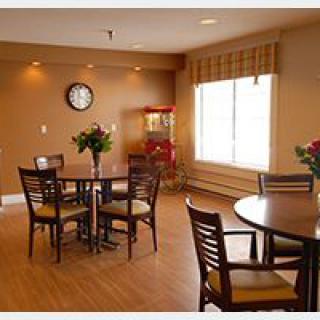
The strongest positives of Country Living, its immaculate setting, the sense of “home,” and the impression that care is above and beyond when staff are present, do carry significant weight. Multiple reviewers describe the facility as pristine both inside and out, with residents receiving attentive, compassionate care and staff who are described as amazing and genuinely friendly. In the best moments, the atmosphere feels intimate and reassuring, with caregivers who appear to anticipate needs and deliver personalized attention. When these conditions hold, daily life can be comfortable, dignified, and emotionally supportive, offering a notable quality-of-life edge for many seniors seeking companionship and routine.
That said, the same praised attributes are contingent on consistent staffing and reliable communication. The contrast between the glowing testimonials and the grave concerns in the negative report underscores a crucial reality: the care experience at Country Living can be outstanding, but it is not guaranteed. For families who prioritize peace of mind and predictable information flow, a facility’s warmth and homey feel must be matched by robust shift-to-shift communication, documented care plans, and a dependable medical oversight framework. Without those systems, even excellent personal interactions can fall short at critical moments, creating lasting distress for families.
From a practical standpoint, evaluating Country Living should include concrete questions and checks. Confirm whether a registered nurse or qualified clinician is on site for certain hours, how med passes are documented, and what the exact escalation protocol is when a resident’s condition changes overnight. Inquire about shift handoffs, the cadence of family updates, and who oversees the care plan when staff rotate. Request transparent examples of daily schedules, activities, and how hospice or palliative teams coordinate with on-site caregivers. If the response signals clear, proactive communication and documented accountability, the positives may outweigh the potential downsides.
In the final assessment, Country Living is a compelling choice for families drawn to a home-like, caring environment with strong personal warmth and notable daily life quality. It stands out for those who value intimate atmosphere and visible dedication from caregivers, provided staffing remains stable and communication remains open. However, for households where medical complexity or the need for unwavering oversight is higher, alternatives with more formal clinical structures and fail-safe communication protocols should be seriously considered. The decision hinges on balancing the emotional and social benefits of a personalized, homey setting against the paramount need for consistent, transparent care and timely notification when change occurs.
 Board and Care Home
 Capital City (17 miles away)


 Financing Long-Term Nursing Home Care Through Social Security: A Thorough Exploration
 Essential Knowledge on Pneumonia in Older Adults
 Exploring Palliative Care in the Home: A Comprehensive Overview